
 English
 Chinese
 Dutch
 Arabic
 Spanish
 Portuguese
 Russian
 French
 Italian
 German
 Japanese
A full life is something Jesus gives, as the good shepherd who lays down his life for his sheep. He says so in John 10:10-11, and he also says that whoever loses their life for him will save it (Mark 8:35), and that life “does not consist in an abundance of possessions” (Luke 12:15).
The Old Testament adds the ordinary goods of a life: food, drink and satisfaction in work, called “the gift of God” in Ecclesiastes 3:12-13, joy in God’s presence in Psalm 16:11, and a prayer to number our days in Psalm 90:12. Paul and James add contentment and endurance when life is hard (Philippians 4:13; James 1:2-4).
The full life Jesus offers

John 10:10
“The thief comes only to steal and kill and destroy; I have come that they may have life, and have it to the full.”
Reflection: Jesus is speaking of himself as the gate for the sheep and then as the good shepherd. The thief stands for those who came before him, “thieves and robbers” the sheep did not listen to (verse 8). The full life belongs to sheep who enter through the gate and “will come in and go out, and find pasture” (verse 9), and the next verse names what it costs the shepherd: “The good shepherd lays down his life for the sheep.”
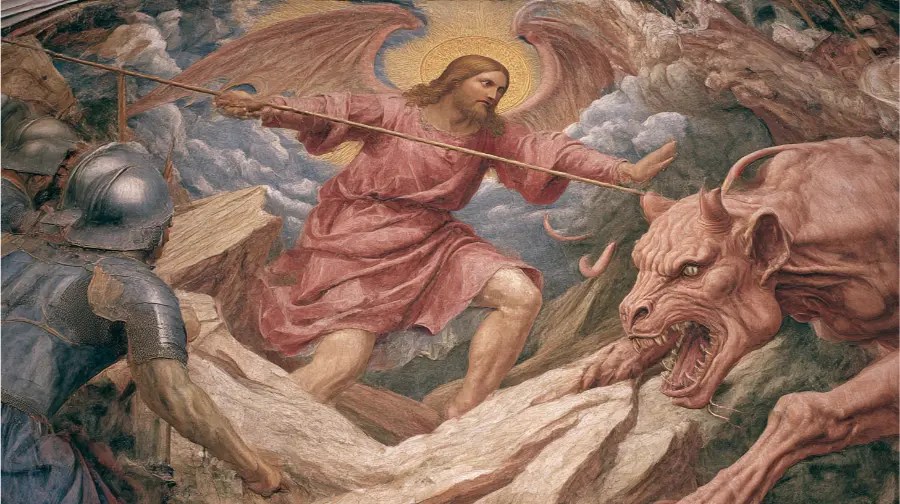
Mark 8:35
“For whoever wants to save their life will lose it, but whoever loses their life for me and for the gospel will save it.”
Reflection: Jesus says this to the crowd and his disciples right after telling them that anyone who follows him must “deny themselves and take up their cross” (verse 34). The verse turns on the word life: holding on to it loses it, and giving it up for Jesus and the gospel saves it. Verse 36 puts the same point as a reckoning: gaining the whole world is no gain to someone who forfeits their soul.
What a full life does not consist of

Luke 12:15
“Watch out! Be on your guard against all kinds of greed; life does not consist in an abundance of possessions.”
Reflection: A man in the crowd asks Jesus to make his brother divide an inheritance with him, and Jesus refuses to act as judge between them. He gives this warning and then the parable of a rich man who builds bigger barns and tells himself, “Take life easy; eat, drink and be merry.” God calls him a fool and tells him his life will be demanded that very night, and Jesus ends: “This is how it will be with whoever stores up things for themselves but is not rich toward God” (verse 21).

1 Timothy 6:17-19
“Command those who are rich in this present world not to be arrogant nor to put their hope in wealth, which is so uncertain, but to put their hope in God, who richly provides us with everything for our enjoyment. Command them to do good, to be rich in good deeds, and to be generous and willing to share. In this way they will lay up treasure for themselves as a firm foundation for the coming age, so that they may take hold of the life that is truly life.”
Reflection: Paul tells Timothy what to command the rich in the church. They are to put their hope in God rather than in wealth, “which is so uncertain,” and the same sentence says God “richly provides us with everything for our enjoyment.” The life that is truly life comes at the end of the instruction, after doing good, being rich in good deeds, and being generous and willing to share.
Enjoying the days God gives
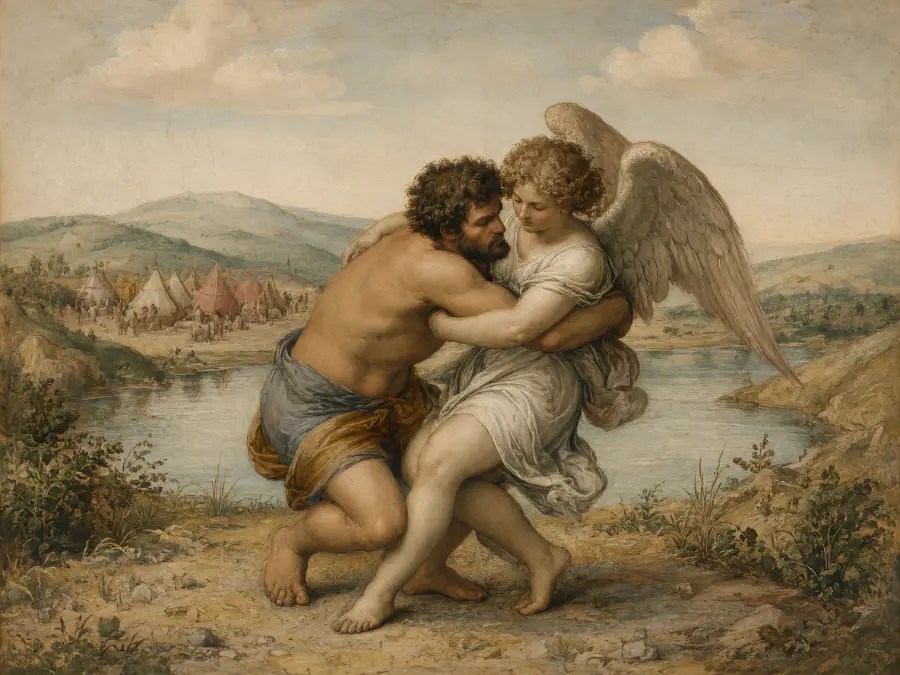
Ecclesiastes 3:12-13
“I know that there is nothing better for people than to be happy and to do good while they live. That each of them may eat and drink, and find satisfaction in all their toil—this is the gift of God.”
Reflection: The Teacher of Ecclesiastes asks what workers gain from their toil (verse 9) and says God “has also set eternity in the human heart” while no one can fathom what God has done from beginning to end (verse 11). His answer for the present is to be happy, do good, eat, drink and find satisfaction in work, and he calls that satisfaction “the gift of God.”

Ecclesiastes 9:10
“Whatever your hand finds to do, do it with all your might, for in the realm of the dead, where you are going, there is neither working nor planning nor knowledge nor wisdom.”
Reflection: The verses before it tell the reader to eat with gladness, wear white, and “enjoy life with your wife, whom you love, all the days of this meaningless life” (verse 9). The reason the Teacher gives for working with all one’s might is that the realm of the dead, where everyone is going, has “neither working nor planning nor knowledge nor wisdom.”
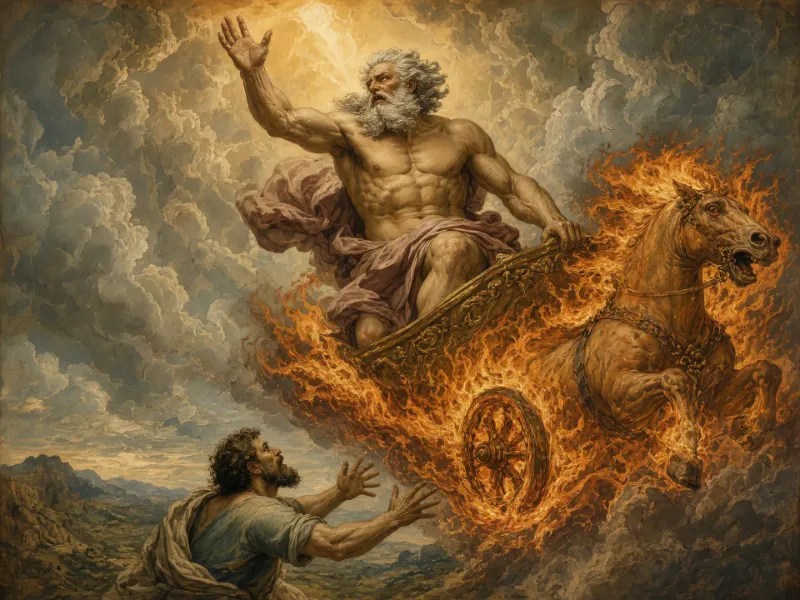
Psalm 90:12
“Teach us to number our days, that we may gain a heart of wisdom.”
Reflection: The psalm’s heading calls it “a prayer of Moses the man of God.” Two verses earlier it puts a human life at seventy years, or eighty, and says “they quickly pass, and we fly away” (verse 10). Numbering the days is asked for so “that we may gain a heart of wisdom,” and verse 14 asks God to satisfy his servants with his unfailing love “that we may sing for joy and be glad all our days.”
Joy that comes from God

Psalm 16:11
“You make known to me the path of life; you will fill me with joy in your presence, with eternal pleasures at your right hand.”
Reflection: The verse closes Psalm 16, which ends addressed to God. In verse 10 the psalmist says God “will not abandon me to the realm of the dead,” and the path of life leads to joy in God’s presence and eternal pleasures at his right hand. In Acts 2:25-28 Peter quotes verses 8 to 11 as David’s words and applies them to the resurrection of Jesus.
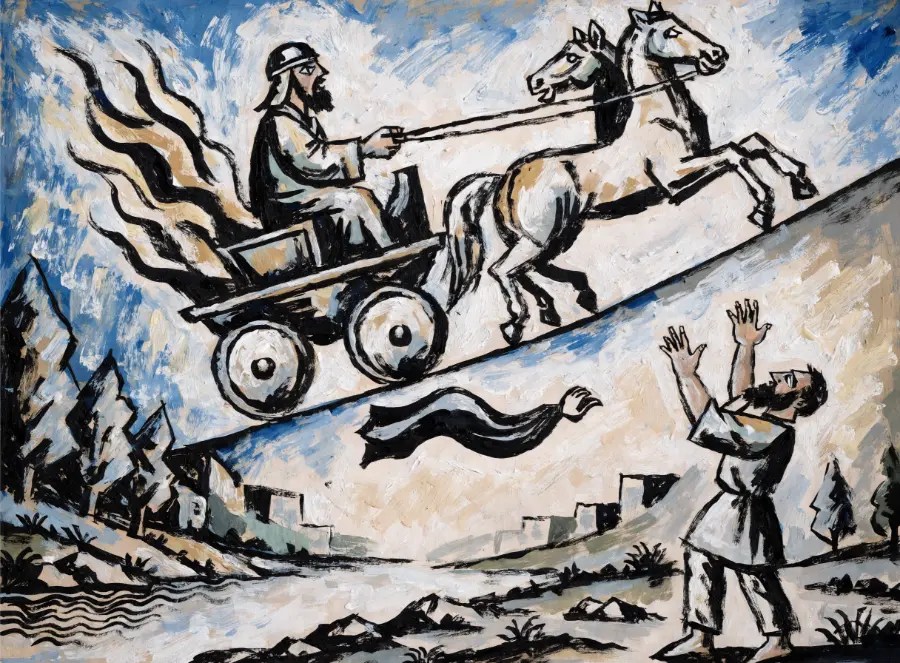
Nehemiah 8:10
“The joy of the Lord is your strength.”
Reflection: The people in Jerusalem had been weeping as they listened to the Law read aloud (verse 9). Nehemiah, Ezra and the Levites tell them the day is holy and not for mourning, and Nehemiah sends them to enjoy choice food and sweet drinks and to “send some to those who have nothing prepared.” The joy of the Lord is the reason he gives for them to stop grieving.

Psalm 118:24
“The Lord has done it this very day; let us rejoice today and be glad.”
Reflection: In the NIV the verse points back to the lines before it: the stone the builders rejected has become the cornerstone, and “the Lord has done this, and it is marvelous in our eyes” (verses 22-23). The day for rejoicing is the day of that act. The King James Version reads “This is the day which the Lord hath made.” Jesus quotes verses 22 and 23 at the end of the parable of the tenants (Matthew 21:42).
Living through trouble

Matthew 6:34
“Therefore do not worry about tomorrow, for tomorrow will worry about itself. Each day has enough trouble of its own.”
Reflection: This closes Jesus’ teaching on worry in the Sermon on the Mount. Food, drink and clothing are what the pagans run after, and the heavenly Father knows his people need them (verse 32). The instruction just before the verse is “seek first his kingdom and his righteousness, and all these things will be given to you as well” (verse 33).
James 1:2-4
“Consider it pure joy, my brothers and sisters, whenever you face trials of many kinds, because you know that the testing of your faith produces perseverance. Let perseverance finish its work so that you may be mature and complete, not lacking anything.”
Reflection: James tells his readers to count trials as joy because of what the testing of faith produces: perseverance, and then maturity. The end he names in verse 4 is to be “mature and complete, not lacking anything.”

2 Corinthians 12:9-10
“But he said to me, ‘My grace is sufficient for you, for my power is made perfect in weakness.’ Therefore I will boast all the more gladly about my weaknesses, so that Christ’s power may rest on me. That is why, for Christ’s sake, I delight in weaknesses, in insults, in hardships, in persecutions, in difficulties. For when I am weak, then I am strong.”
Reflection: Paul had pleaded with the Lord three times to take away the “thorn in my flesh” (verses 7-8). This answer is the one he records, and he does not say the thorn was removed. He ends with “For when I am weak, then I am strong.”
Philippians 4:13
“I can do all this through him who gives me strength.”
Reflection: The “all this” of the verse points back to verse 12: being well fed or hungry, living in plenty or in want. Paul is thanking the Philippians for their concern for him (verse 10) and says he has learned the secret of being content in any and every situation. The strength he claims is strength to be content in either condition.
Work and purpose

Ephesians 2:10
“For we are God’s handiwork, created in Christ Jesus to do good works, which God prepared in advance for us to do.”
Reflection: The verse follows straight on from “it is by grace you have been saved, through faith” and “not by works, so that no one can boast” (verses 8-9). Good works come after salvation, as what God created his people in Christ to do, and God prepared them in advance.

Colossians 3:23
“Whatever you do, work at it with all your heart, as working for the Lord, not for human masters.”
Reflection: Paul writes this to slaves in the church at Colossae (verse 22), telling them to work with sincerity of heart and not only when the master is watching. The reason he gives is the inheritance they will receive from the Lord, and he ends, “It is the Lord Christ you are serving” (verse 24).
Loving as Jesus loved

John 15:12
“My command is this: Love each other as I have loved you.”
Reflection: Jesus gives this command to his disciples just after saying, “I have told you this so that my joy may be in you and that your joy may be complete” (verse 11). The measure of the love is his own, and verse 13 states it: “Greater love has no one than this: to lay down one’s life for one’s friends.”


Leave a Reply