
 English
 Chinese
 Dutch
 Arabic
 Spanish
 Portuguese
 Russian
 French
 Italian
 German
 Japanese
The Bible describes a God who seeks people out and wants to be known by them. He calls to Adam and Eve when they hide (Genesis 3:9), sends his Son while people are still sinners (Romans 5:8), and stands at the door and knocks (Revelation 3:20).
The relationship is given names from ordinary life: friend (John 15:15), a child who calls God “Abba, Father” (Galatians 4:6), sheep known by their shepherd (John 10:14-15), and a bride betrothed forever (Hosea 2:19). Alongside these promises runs a call to answer: Jeremiah 29:13 and James 4:8 tell people to seek God and come near to him, and Jesus says, “Come to me” (Matthew 11:28).
God goes looking for people

Genesis 3:9
“But the Lord God called to the man, ‘Where are you?’”
Reflection: The man and his wife have eaten from the forbidden tree, and when they hear God walking in the garden they hide among the trees (Genesis 3:8). God’s response is to call out to them with a question. The judgments of verses 14-19 come after this; before any sentence is passed, God looks for the people who are hiding from him.

John 3:16
“For God so loved the world that he gave his one and only Son, that whoever believes in him shall not perish but have eternal life.”
Reflection: The verse follows Jesus’ night conversation with Nicodemus, a Pharisee (John 3:1-15). The NIV closes Jesus’ quoted words at verse 15 and prints verse 16 as the Gospel writer’s comment; other translations continue the quotation. Either way, the next verse gives the purpose of the sending: “For God did not send his Son into the world to condemn the world, but to save the world through him.”

Luke 15:4
“Suppose one of you has a hundred sheep and loses one of them. Doesn’t he leave the ninety-nine in the open country and go after the lost sheep until he finds it?”
Reflection: Jesus tells this parable because the Pharisees and teachers of the law complained, “This man welcomes sinners and eats with them” (Luke 15:2). The shepherd does not wait for the sheep to come back; he goes after it “until he finds it,” carries it home and calls his neighbours to celebrate. Verse 7 applies the story: there is rejoicing in heaven over one sinner who repents.
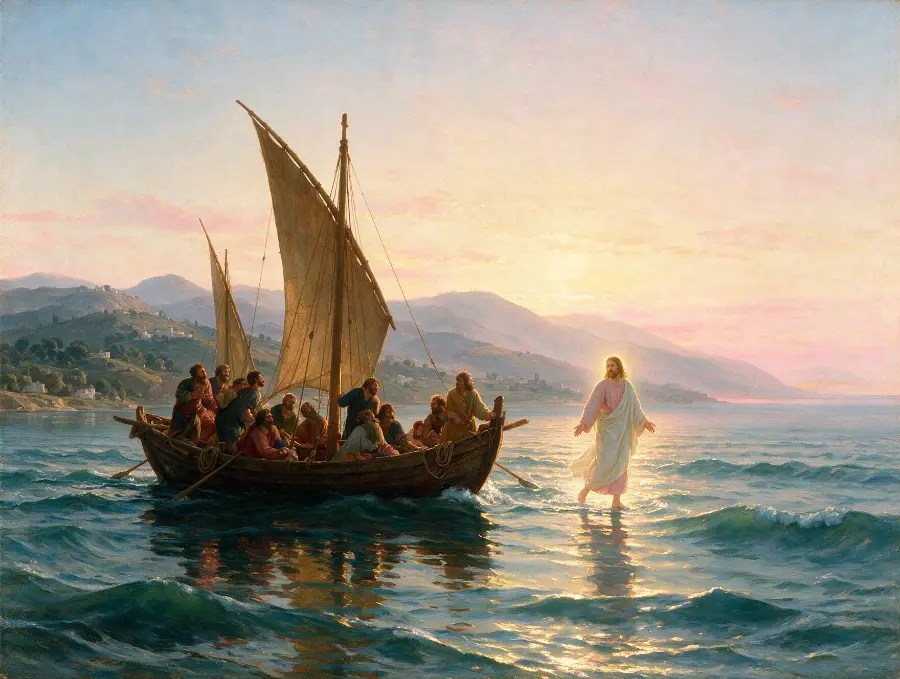
Romans 5:8
“But God demonstrates his own love for us in this: While we were still sinners, Christ died for us.”
Reflection: Paul makes the point by contrast. Verse 7 says a person might possibly dare to die for a good person, but Christ died for people who were “still powerless” (verse 6) and “God’s enemies” (verse 10). The result Paul names is reconciliation: “we were reconciled to him through the death of his Son.”

Ephesians 2:13
“But now in Christ Jesus you who once were far away have been brought near by the blood of Christ.”
Reflection: Paul writes to Gentile believers who were once “without hope and without God in the world” (Ephesians 2:12). “Far away” and “brought near” describe their standing before God and before Israel. Verses 18-19 say what nearness means in practice: access to the Father by one Spirit, and membership in God’s household.
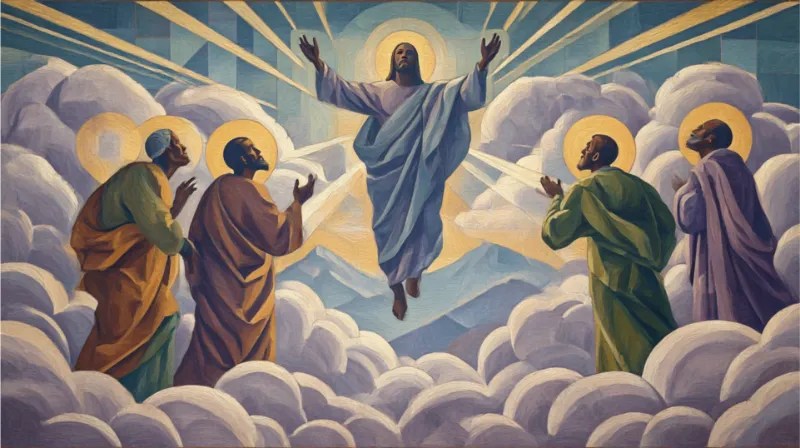
1 John 4:19
“We love because he first loved us.”
Reflection: The verse closes a passage that defines love by where it starts: “not that we loved God, but that he loved us and sent his Son as an atoning sacrifice for our sins” (1 John 4:10). God’s love comes first, and human love for God and for one another is the response to it.

Jeremiah 31:3
“The Lord appeared to us in the past, saying: ‘I have loved you with an everlasting love; I have drawn you with unfailing kindness.’”
Reflection: The chapter opens with the covenant promise “I will be the God of all the families of Israel, and they will be my people” (Jeremiah 31:1). Here God recalls an old declaration of love to a scattered nation and promises to rebuild it. Later in the same chapter he promises a new covenant in which “they will all know me, from the least of them to the greatest” (Jeremiah 31:34).
The invitation to come near
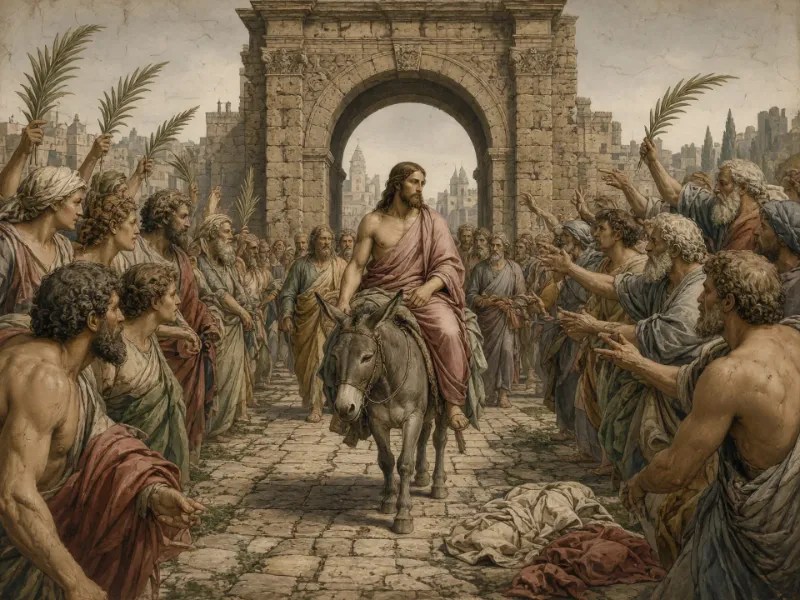
Revelation 3:20
“Here I am! I stand at the door and knock. If anyone hears my voice and opens the door, I will come in and eat with that person, and they with me.”
Reflection: The words are addressed to the church in Laodicea, which Jesus calls lukewarm and which says, “I am rich; I have acquired wealth and do not need a thing” (Revelation 3:17). The verse before explains the tone: “Those whom I love I rebuke and discipline. So be earnest and repent.” Although the letter is to a church, the offer is made to “anyone,” and the picture is of sharing a meal.

Matthew 11:28-30
“Come to me, all you who are weary and burdened, and I will give you rest. Take my yoke upon you and learn from me, for I am gentle and humble in heart, and you will find rest for your souls. For my yoke is easy and my burden is light.”
Reflection: Just before this invitation Jesus says that no one knows the Father “except the Son and those to whom the Son chooses to reveal him” (Matthew 11:27). The call to the weary comes in the next verse. To those who take his yoke, Jesus describes himself as “gentle and humble in heart.”
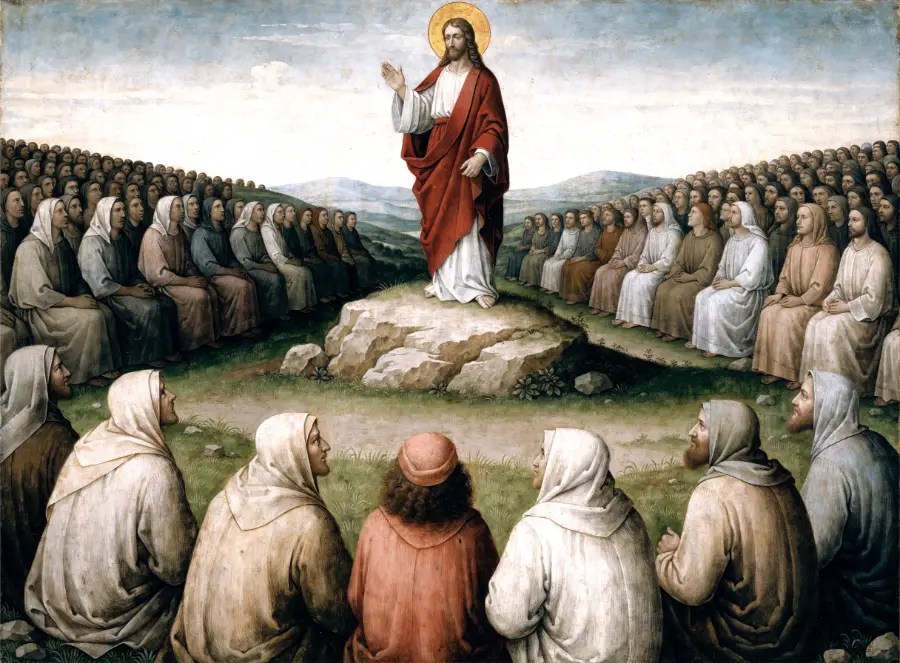
Matthew 7:7-8
“Ask and it will be given to you; seek and you will find; knock and the door will be opened to you. For everyone who asks receives; the one who seeks finds; and to the one who knocks, the door will be opened.”
Reflection: Jesus follows the invitation to ask with a question about a son who asks his father for bread. Would the father hand him a stone? Jesus says in verse 11 that the Father in heaven gives good gifts to those who ask him.

Jeremiah 29:13
“You will seek me and find me when you seek me with all your heart.”
Reflection: Jeremiah sends these words by letter to the exiles in Babylon, promising a return when seventy years are completed (Jeremiah 29:10). Verse 12 says, “you will call on me and come and pray to me, and I will listen to you,” and verse 14 continues, “I will be found by you.” The promise is made to a people far from home, and it ties finding God to seeking him wholeheartedly.
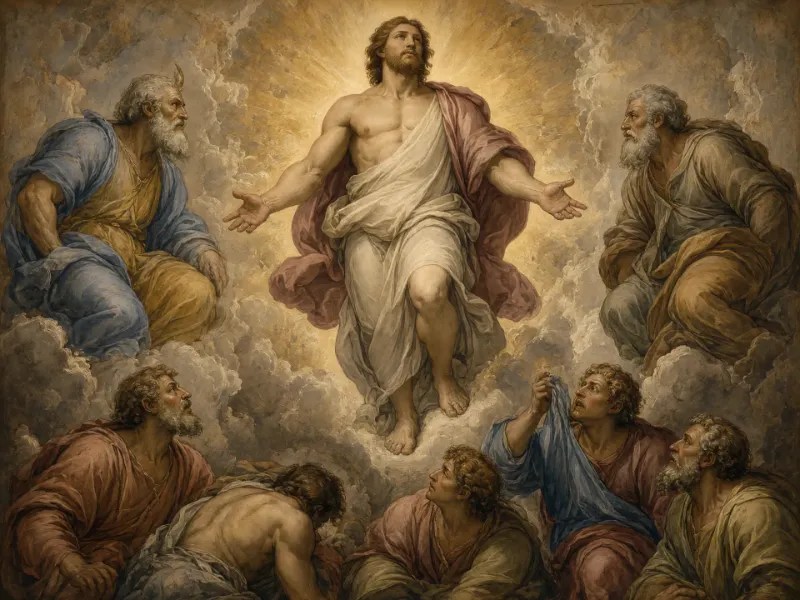
Philippians 4:6-7
“Do not be anxious about anything, but in every situation, by prayer and petition, with thanksgiving, present your requests to God. And the peace of God, which transcends all understanding, will guard your hearts and your minds in Christ Jesus.”
Reflection: Paul tells the Philippians, “The Lord is near” (verse 5), just before he describes how to pray when they are anxious. They can tell God what they need and give thanks in the same prayer. Paul says God’s peace will guard their hearts and minds in Christ.
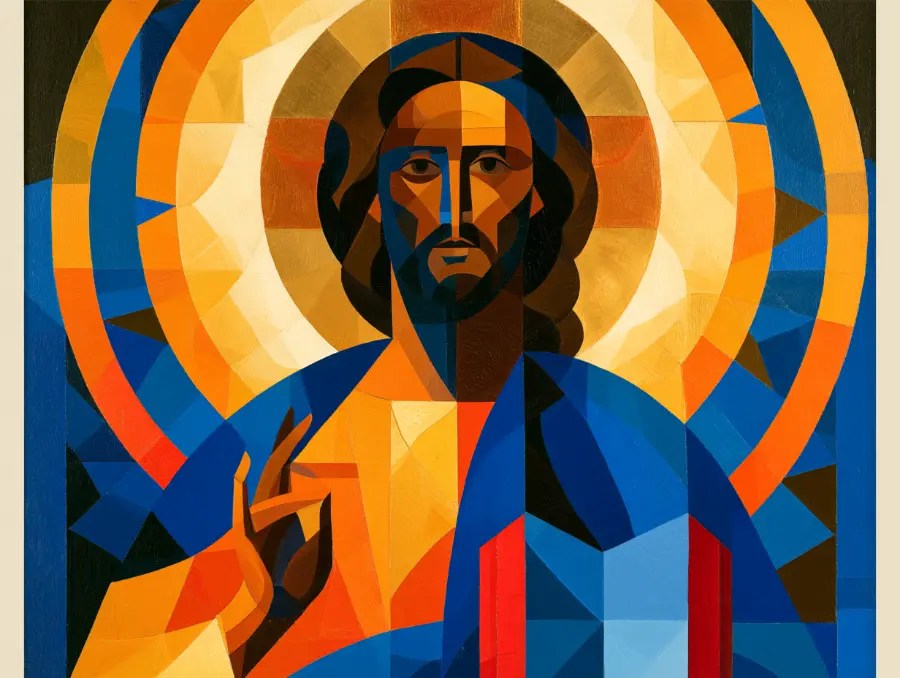
James 4:8
“Come near to God and he will come near to you. Wash your hands, you sinners, and purify your hearts, you double-minded.”
Reflection: James writes to believers he calls “adulterous people” for their friendship with the world (James 4:4), and verse 5 says God “jealously longs for the spirit he has caused to dwell in us.” Coming near is joined to repentance in the same verse: wash your hands, purify your hearts. Verse 10 ends the passage with a promise: “Humble yourselves before the Lord, and he will lift you up.”
What the relationship is called

John 15:15
“I no longer call you servants, because a servant does not know his master’s business. Instead, I have called you friends, for everything that I learned from my Father I have made known to you.”
Reflection: Jesus says this to his disciples at the supper before his arrest. Two verses earlier he has said, “Greater love has no one than this: to lay down one’s life for one’s friends” (John 15:13). The mark of friendship he names is being told things: a servant is given orders, a friend is told what the master is doing. Verse 16 adds, “You did not choose me, but I chose you.”

Galatians 4:6
“Because you are his sons, God sent the Spirit of his Son into our hearts, the Spirit who calls out, ‘Abba, Father.’”
Reflection: Abba is an Aramaic word for father, which Paul leaves untranslated and follows with the Greek word for the same thing. The verses around it set out the change of status: God sent his Son “that we might receive adoption to sonship” (Galatians 4:5), and “you are no longer a slave, but God’s child” and an heir (Galatians 4:7).

John 10:14-15
“I am the good shepherd; I know my sheep and my sheep know me—just as the Father knows me and I know the Father—and I lay down my life for the sheep.”
Reflection: Jesus compares himself with a hired hand who runs from the wolf because he “cares nothing for the sheep” (John 10:13). The good shepherd knows his sheep and they know him, and Jesus measures that knowing against the way he and the Father know each other. Verse 16 widens the flock to “other sheep that are not of this sheep pen.”

Psalm 23:4
“Even though I walk through the darkest valley, I will fear no evil, for you are with me; your rod and your staff, they comfort me.”
Reflection: David begins by calling the Lord “my shepherd” (verse 1) and describing how he leads the sheep beside quiet waters. In the dark valley David speaks directly to the shepherd whose presence comforts him.

Hosea 2:19
“I will betroth you to me forever; I will betroth you in righteousness and justice, in love and compassion.”
Reflection: Hosea’s marriage to an unfaithful wife stands in the book for Israel’s worship of the Baals (Hosea 1:2; 2:13). After the charges and judgments of Hosea 2:2-13, God says he will “allure her” into the wilderness and “speak tenderly to her” (Hosea 2:14). In the same passage Israel will call him “my husband” rather than “my master” (Hosea 2:16), and the betrothal ends with “you will acknowledge the Lord” (Hosea 2:20).
1 Corinthians 1:9
“God is faithful, who has called you into fellowship with his Son, Jesus Christ our Lord.”
Reflection: Paul says this to the Corinthian church before he turns to rebuke it for its quarrels and divisions (1 Corinthians 1:10-12). The fellowship rests on God’s faithfulness rather than theirs: the verse before says he “will also keep you firm to the end, so that you will be blameless on the day of our Lord Jesus Christ.”
What God promises inside the relationship

Zephaniah 3:17
“The Lord your God is with you, the Mighty Warrior who saves. He will take great delight in you; in his love he will no longer rebuke you, but will rejoice over you with singing.”
Reflection: Three verses earlier, Zephaniah tells Jerusalem to sing: “Sing, Daughter Zion; shout aloud, Israel!” (Zephaniah 3:14). By verse 17 God is the one singing over his people. The reason is given in verse 15: “The Lord has taken away your punishment,” so he no longer rebukes them and delights in them instead.

Isaiah 41:10
“So do not fear, for I am with you; do not be dismayed, for I am your God. I will strengthen you and help you; I will uphold you with my righteous right hand.”
Reflection: God speaks to Israel as the servant he chose and called from the ends of the earth (verses 8 and 9). When he speaks of Israel’s enemies, he describes his help as taking hold of Israel’s right hand (verse 13).

Lamentations 3:22-23
“Because of the Lord’s great love we are not consumed, for his compassions never fail. They are new every morning; great is your faithfulness.”
Reflection: The speaker remembers his suffering and wandering in verse 19. When he recalls the Lord’s compassion, he speaks directly to God in praise of his faithfulness. In verse 24 he tells himself why he can wait: “The Lord is my portion.”

Psalm 32:8
“I will instruct you and teach you in the way you should go; I will counsel you with my loving eye on you.”
Reflection: The psalm begins with the blessing of forgiven sin and the psalmist’s confession (Psalm 32:1-5). In verses 5-7 the psalmist speaks to God; at verse 8 a speaker addresses the reader instead, promising to teach and to watch over them. The psalm does not name this speaker, and it can be read as God answering or as the psalmist teaching what he has learned. Verse 9 warns against being like a horse or mule that “must be controlled by bit and bridle,” and verse 10 says the Lord’s unfailing love surrounds the one who trusts in him.
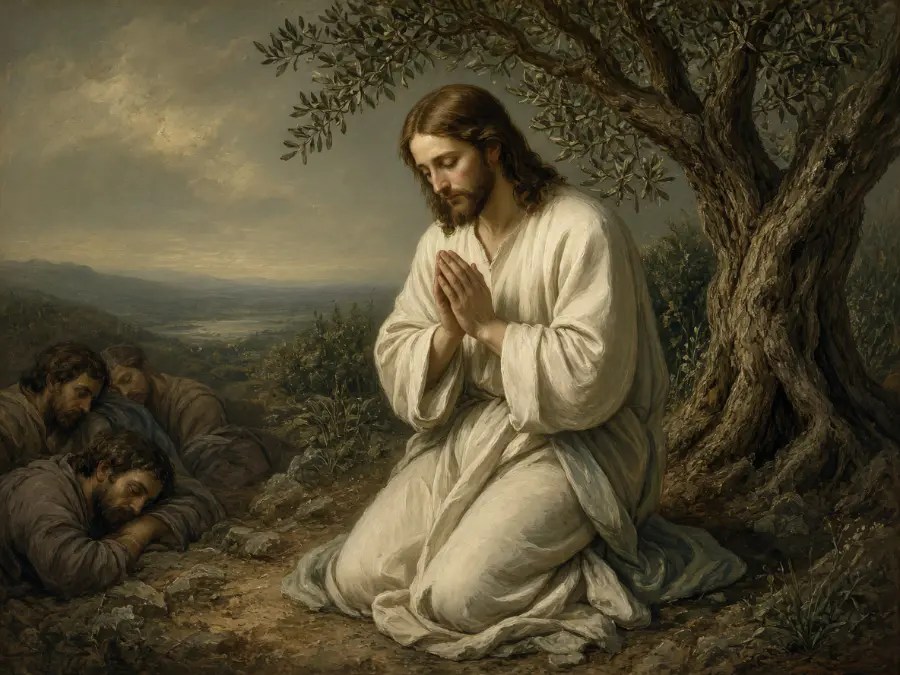
Proverbs 3:5-6
“Trust in the Lord with all your heart and lean not on your own understanding; in all your ways submit to him, and he will make your paths straight.”
Reflection: The teacher addresses the listener as “my son” in verse 1. Trust in the Lord shapes the son’s choices, and verse 7 gives a specific example: he is to turn away from evil even when he thinks himself wise.

Hebrews 13:5
“Keep your lives free from the love of money and be content with what you have, because God has said, ‘Never will I leave you; never will I forsake you.’”
Reflection: The quotation goes back to Moses’ words to Israel before they entered the land (Deuteronomy 31:6) and God’s words to Joshua (Joshua 1:5). Hebrews sets the promise against the love of money: contentment is possible because God will not leave. The next verse turns it into a confession: “The Lord is my helper; I will not be afraid.”

Deuteronomy 31:8
“The Lord himself goes before you and will be with you; he will never leave you nor forsake you. Do not be afraid; do not be discouraged.”
Reflection: Moses has already told Israel that the Lord will go with them (verse 6). Now he calls Joshua forward in front of the people and gives him the same assurance as he prepares to lead them into the land promised to their ancestors.
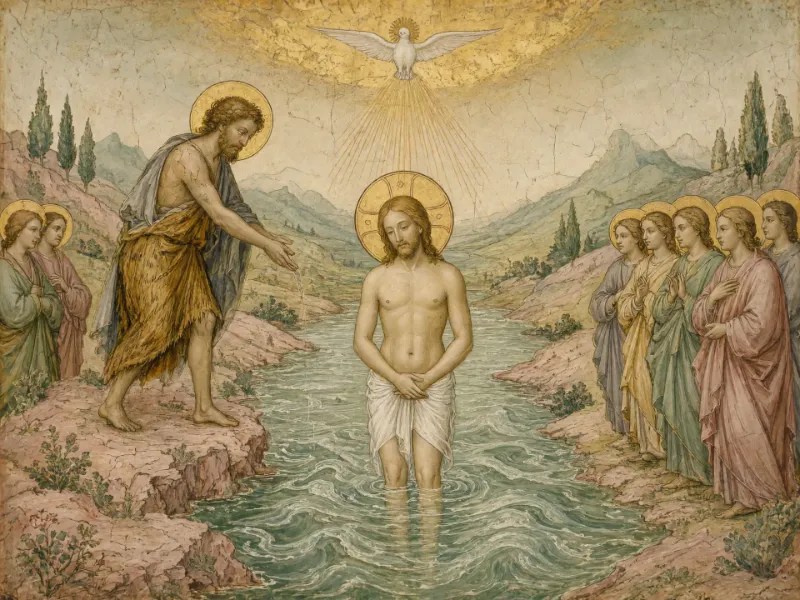
Matthew 28:20
“And surely I am with you always, to the very end of the age.”
Reflection: The risen Jesus speaks these words on a mountain in Galilee to eleven disciples, some of whom still doubted (Matthew 28:17). The promise closes the commission to make disciples of all nations. Matthew’s Gospel began with the name Immanuel, “God with us” (Matthew 1:23), and it ends with Jesus promising to be with his followers “to the very end of the age.”
Where Christians read these verses differently
The verses hold two things together: God starts the relationship (1 John 4:19, John 15:16) and people are told to seek him and come near (Jeremiah 29:13, James 4:8). Christian traditions explain the relation between the two differently. The Westminster Confession, a Reformed statement, teaches that God’s effectual call “is of God’s free and special grace alone, not from anything at all foreseen in man, who is altogether passive therein,” until the Holy Spirit renews him and he is “thereby enabled to answer this call.”
John Wesley taught that salvation begins with “preventing grace,” which he says includes “the first wish to please God.” In the same sermon he draws two conclusions from God’s working: “God works; therefore you can work,” and “God works, therefore you must work.” The Confession describes the person as passive until renewed; Wesley stresses that God’s working makes a human response both possible and required.


Leave a Reply