
 English
 Chinese
 Dutch
 Arabic
 Spanish
 Portuguese
 Russian
 French
 Italian
 German
 Japanese
The Bible presents rest as something God did first, commanded his people to keep, and promises to give. Genesis 2:2-3 says God rested on the seventh day and made it holy, Exodus 20:8-10 turns that day into a command, and Mark 2:27 has Jesus say the Sabbath was made for man.
Beyond the Sabbath, the Psalms speak of a soul that “finds rest in God” (Psalm 62:1), Jesus offers rest to the weary and burdened (Matthew 11:28), and Hebrews 4:9-10 says “there remains, then, a Sabbath-rest for the people of God.” Other verses concern ordinary rest: sleep given to those God loves (Psalm 127:2), lying down in peace (Psalm 4:8), and a handful of tranquillity preferred to two handfuls of toil (Ecclesiastes 4:6).
The seventh day and the Sabbath
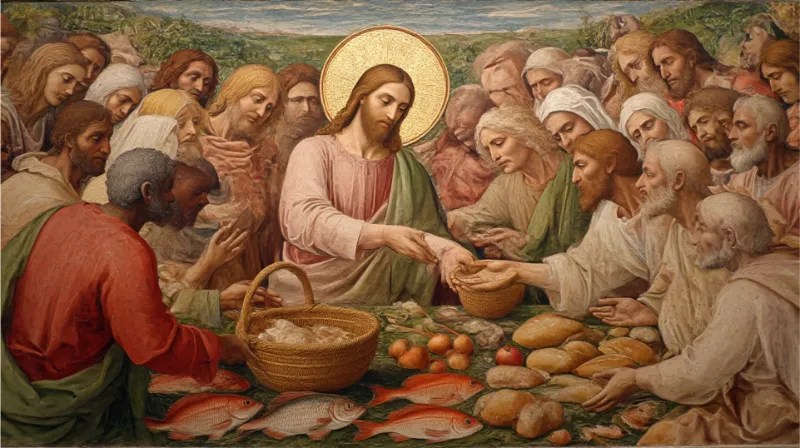
Genesis 2:2-3
“By the seventh day God had finished the work he had been doing; so on the seventh day he rested from all his work. Then God blessed the seventh day and made it holy, because on it he rested from all the work of creating that he had done.”
Reflection: The creation account closes with God finishing his work, resting from it, and then blessing the seventh day and making it holy. The day is set apart because God rested on it. Exodus 20:11 later gives this same reason for the Sabbath command: “For in six days the Lord made the heavens and the earth, the sea, and all that is in them, but he rested on the seventh day.”
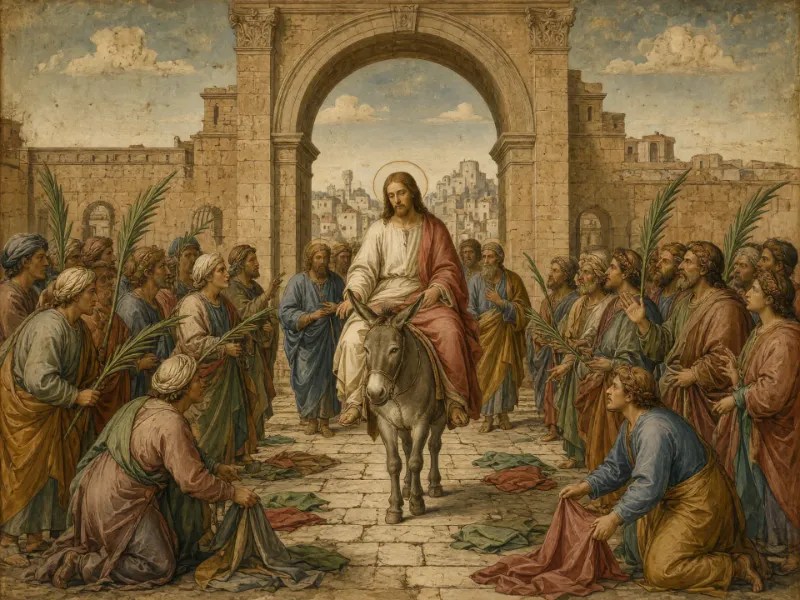
Exodus 20:8-10
“Remember the Sabbath day by keeping it holy. Six days you shall labor and do all your work, but the seventh day is a sabbath to the Lord your God. On it you shall not do any work.”
Reflection: The Sabbath commandment is part of the Ten Commandments, which open with “I am the Lord your God, who brought you out of Egypt, out of the land of slavery” (Exodus 20:2). The rest of verse 10 extends the day off to sons and daughters, male and female servants, animals and foreigners living in the town. When Moses repeats the command in Deuteronomy 5:14-15, he gives a second reason: “so that your male and female servants may rest, as you do. Remember that you were slaves in Egypt.”
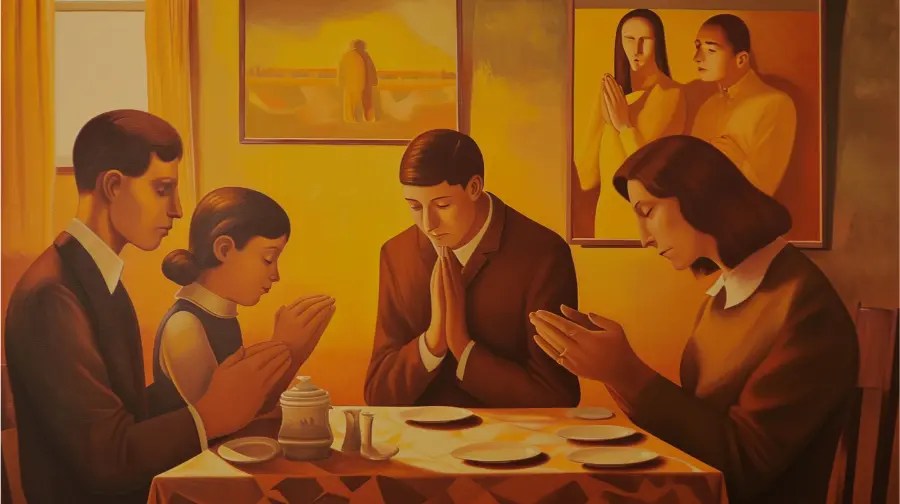
Leviticus 25:4
“But in the seventh year the land is to have a year of sabbath rest, a sabbath to the Lord. Do not sow your fields or prune your vineyards.”
Reflection: The Lord gives this law to Moses at Mount Sinai for the land Israel is about to enter (Leviticus 25:1-2). Every seventh year the fields and vineyards are left alone, and whatever grows of itself becomes food for the owner, the servants, the hired worker, the temporary resident, the livestock and the wild animals (Leviticus 25:6-7). The Sabbath pattern here covers the land as well as the people.
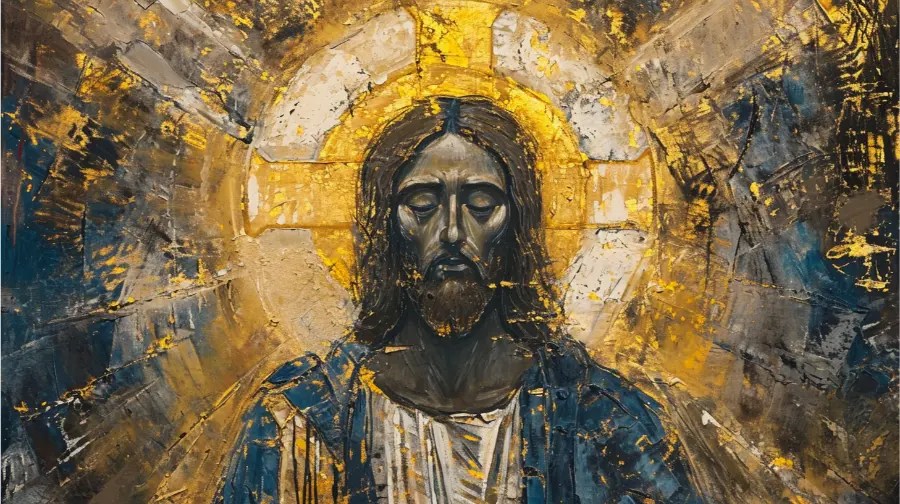
Mark 2:27
“Then he said to them, ‘The Sabbath was made for man, not man for the Sabbath.’”
Reflection: The Pharisees had objected to Jesus’ disciples picking heads of grain as they walked through fields on the Sabbath. Jesus answered with the example of David eating the consecrated bread when he and his companions were hungry, and then said these words, adding, “So the Son of Man is Lord even of the Sabbath” (Mark 2:28). Matthew’s account of the same event adds the line “I desire mercy, not sacrifice” (Matthew 12:7).
Rest that God gives
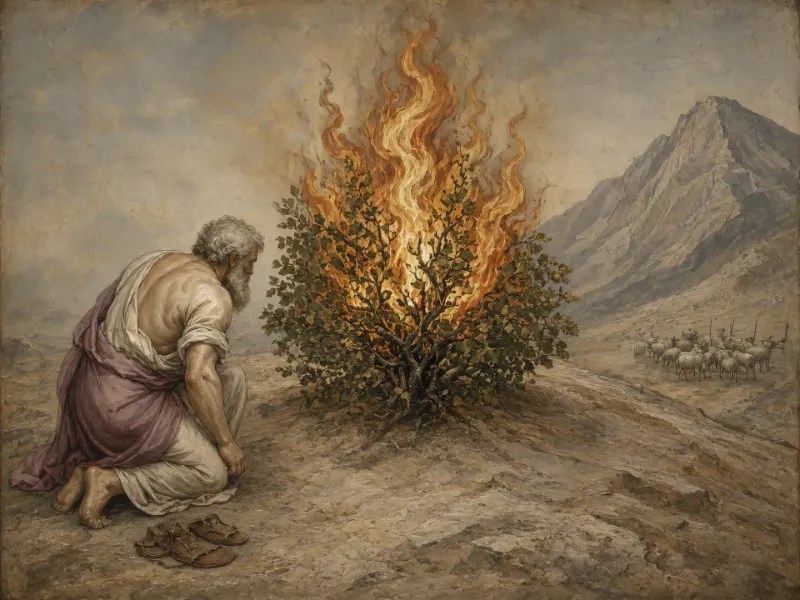
Exodus 33:14
“The Lord replied, ‘My Presence will go with you, and I will give you rest.’”
Reflection: Moses has asked God whom he will send with him to lead the people, and to be taught God’s ways. This is the Lord’s answer, given in the chapter after the golden calf (Exodus 32). Moses replies that he will not go without God’s Presence: “If your Presence does not go with us, do not send us up from here” (Exodus 33:15). The promised rest is tied to God going with his people.
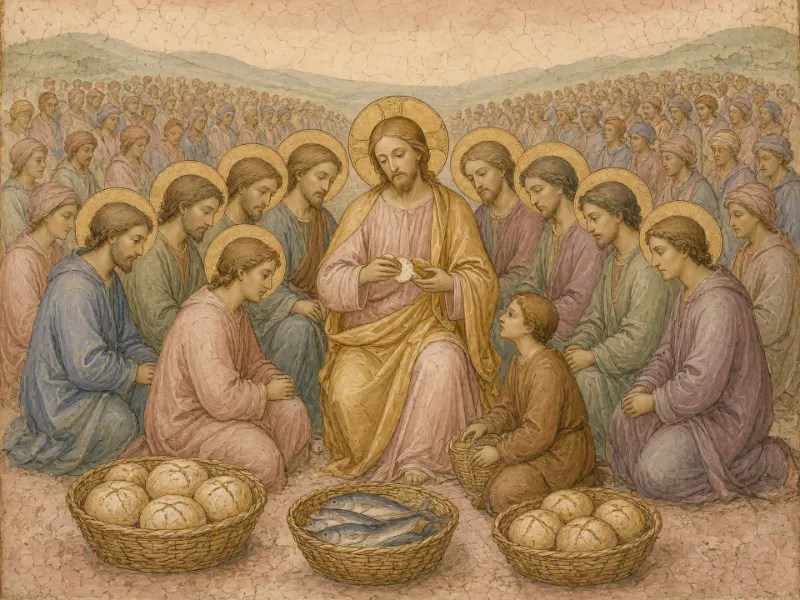
Psalm 23:2
“He makes me lie down in green pastures, he leads me beside quiet waters.”
Reflection: The shepherd of Psalm 23:1 makes the sheep lie down and leads them to water that is quiet; the King James Version has “still waters.” The next line reads “he refreshes my soul.” The psalm goes on to the right paths, the darkest valley and a table prepared in the presence of enemies.
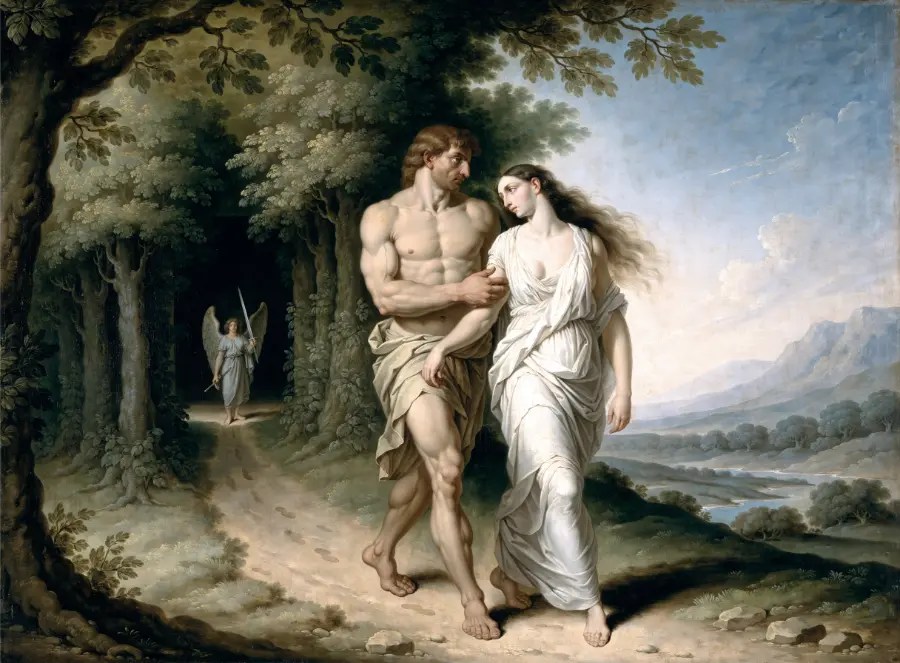
Jeremiah 6:16
“This is what the Lord says: ‘Stand at the crossroads and look; ask for the ancient paths, ask where the good way is, and walk in it, and you will find rest for your souls. But you said, ‘We will not walk in it.’’”
Reflection: The Lord tells the people of Judah to ask for the ancient paths and the good way, with the promise that walking in it brings rest for their souls. They refuse, and in the next verse they also refuse to listen to the watchmen’s trumpet. In this verse, rest follows from obedience.
Resting in God

Psalm 62:1
“Truly my soul finds rest in God; my salvation comes from him.”
Reflection: The psalmist says where his soul finds rest and names God as the source of his salvation. The next verse calls God “my rock and my salvation” and “my fortress,” and verse 5 turns the opening line into a command to himself: “Yes, my soul, find rest in God; my hope comes from him.” The rest in this psalm is a matter of where he puts his trust.
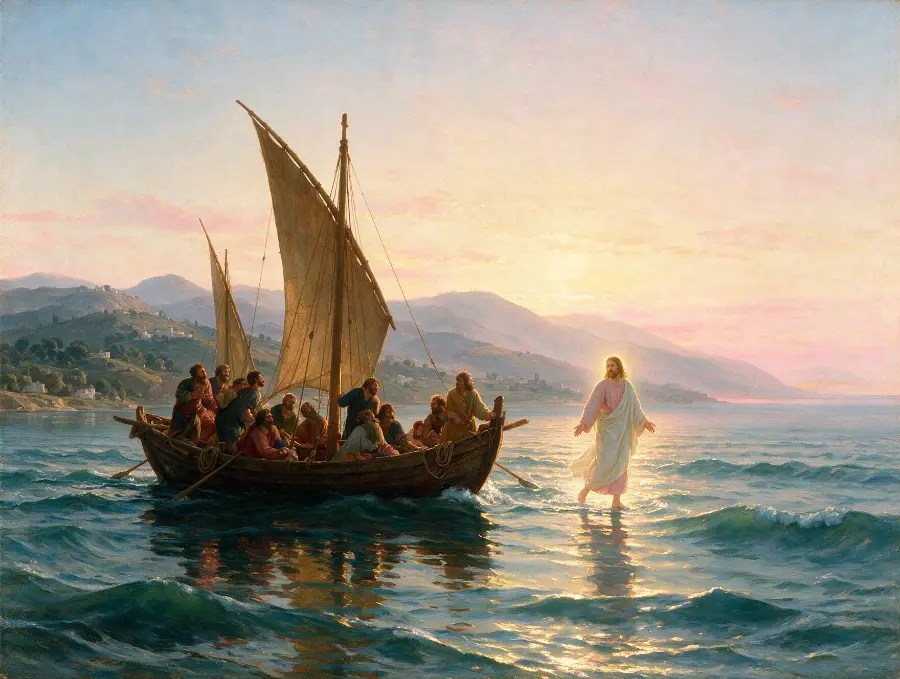
Psalm 37:7
“Be still before the Lord and wait patiently for him; do not fret when people succeed in their ways, when they carry out their wicked schemes.”
Reflection: The NIV has “Be still” where the King James Version opens this verse with “Rest in the Lord.” The psalm begins with “Do not fret because of those who are evil” and repeats the warning in verses 7 and 8. Resting here means waiting for God without fretting when wicked people prosper, because “those who hope in the Lord will inherit the land” (Psalm 37:9).
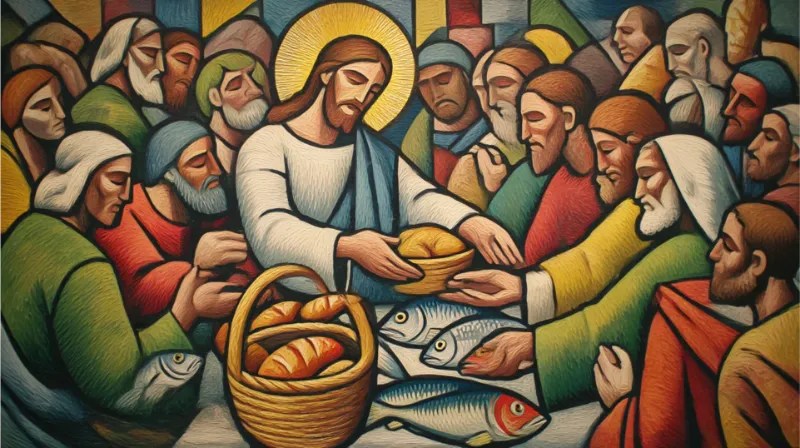
Isaiah 30:15
“This is what the Sovereign Lord, the Holy One of Israel, says: ‘In repentance and rest is your salvation, in quietness and trust is your strength, but you would have none of it.’”
Reflection: Through Isaiah the Lord condemns those who “go down to Egypt without consulting me” and look for help to Pharaoh’s protection (Isaiah 30:2). Salvation, the Lord says, lies in repentance and rest, and strength in quietness and trust. The next verse shows what they chose instead: “You said, ‘No, we will flee on horses.’ Therefore you will flee!”
Jesus and rest
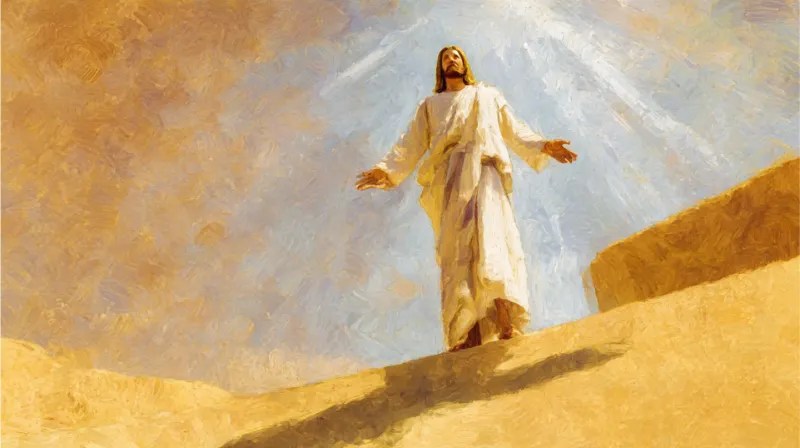
Matthew 11:28
“Come to me, all you who are weary and burdened, and I will give you rest.”
Reflection: Jesus says this just after denouncing the towns that saw his miracles and did not repent (Matthew 11:20), and after thanking the Father for revealing these things “to little children” (Matthew 11:25). The invitation is to come to him, and the rest is something he gives.
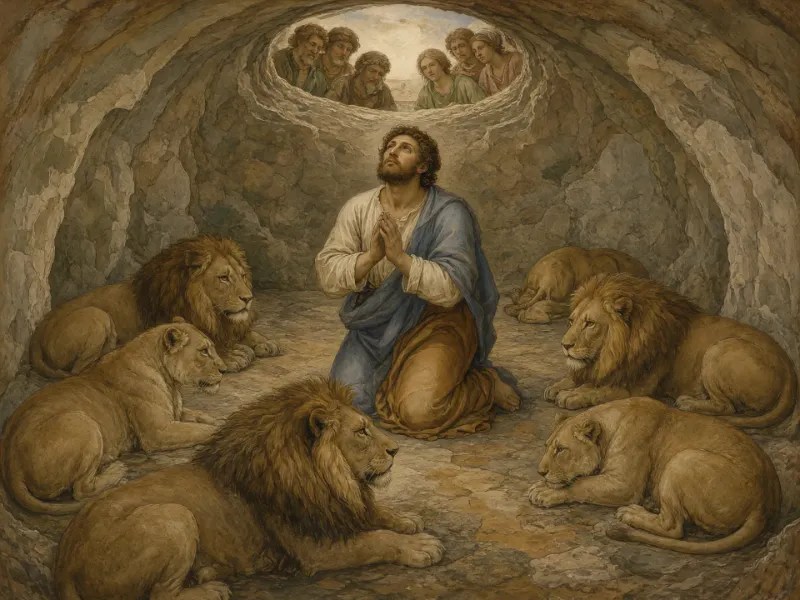
Matthew 11:29
“Take my yoke upon you and learn from me, for I am gentle and humble in heart, and you will find rest for your souls.”
Reflection: A yoke is work gear, so the rest Jesus offers comes with a load to carry. He describes himself as “gentle and humble in heart” and adds, “For my yoke is easy and my burden is light” (Matthew 11:30). “You will find rest for your souls” is the same phrase the NIV uses in Jeremiah 6:16, where the people refused the good way.
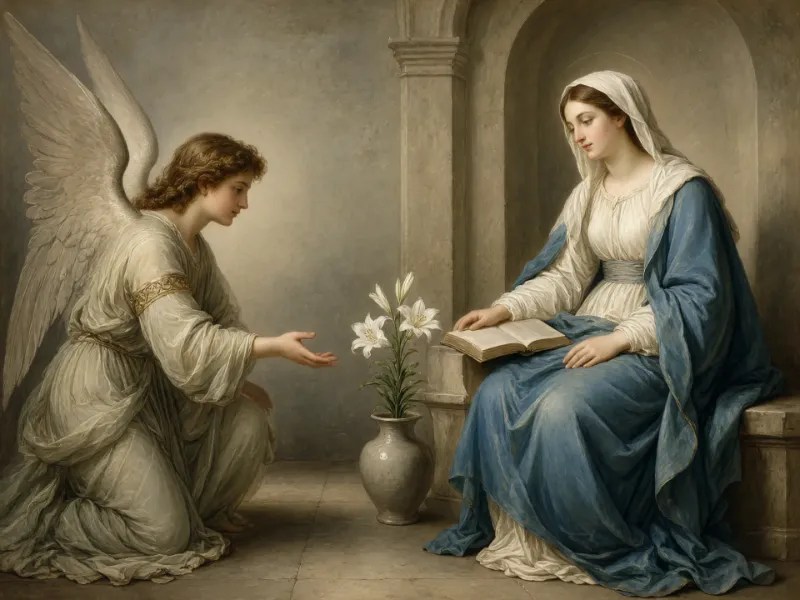
Mark 6:31
“Then, because so many people were coming and going that they did not even have a chance to eat, he said to them, ‘Come with me by yourselves to a quiet place and get some rest.’”
Reflection: The apostles had just come back and reported everything they had done and taught (Mark 6:30). Jesus took them away by boat to a solitary place (Mark 6:32).
Sleep and ordinary rest
Psalm 4:8
“In peace I will lie down and sleep, for you alone, Lord, make me dwell in safety.”
Reflection: Psalm 4 is a prayer addressed to God that begins “Answer me when I call to you” and “Give me relief from my distress.” Earlier the psalmist tells others, “when you are on your beds, search your hearts and be silent” (Psalm 4:4). The psalm ends with lying down to sleep in peace, trusting the Lord for safety.
Psalm 127:2
“In vain you rise early and stay up late, toiling for food to eat—for he grants sleep to those he loves.”
Reflection: The psalm begins, “Unless the Lord builds the house, the builders labor in vain. Unless the Lord watches over the city, the guards stand watch in vain.” Rising early and staying up late belongs to the same list of efforts that come to nothing without God. Sleep is described as something he grants to those he loves.
Proverbs 3:24
“When you lie down, you will not be afraid; when you lie down, your sleep will be sweet.”
Reflection: A father tells his son to keep wisdom, understanding and discretion in sight (Proverbs 3:21), and lists what they bring: safety on the road, and sleep that is sweet. The next verses add “Have no fear of sudden disaster” and give the reason: “the Lord will be at your side” (Proverbs 3:25-26).
Ecclesiastes 4:6
“Better one handful with tranquillity than two handfuls with toil and chasing after the wind.”
Reflection: The Teacher has just said that toil and achievement spring from envy of others (Ecclesiastes 4:4) and that the fool who folds his hands ruins himself (Ecclesiastes 4:5). This verse takes a middle course between the two: one handful with tranquillity is better than two handfuls gained by toil and chasing the wind.
The rest still to come
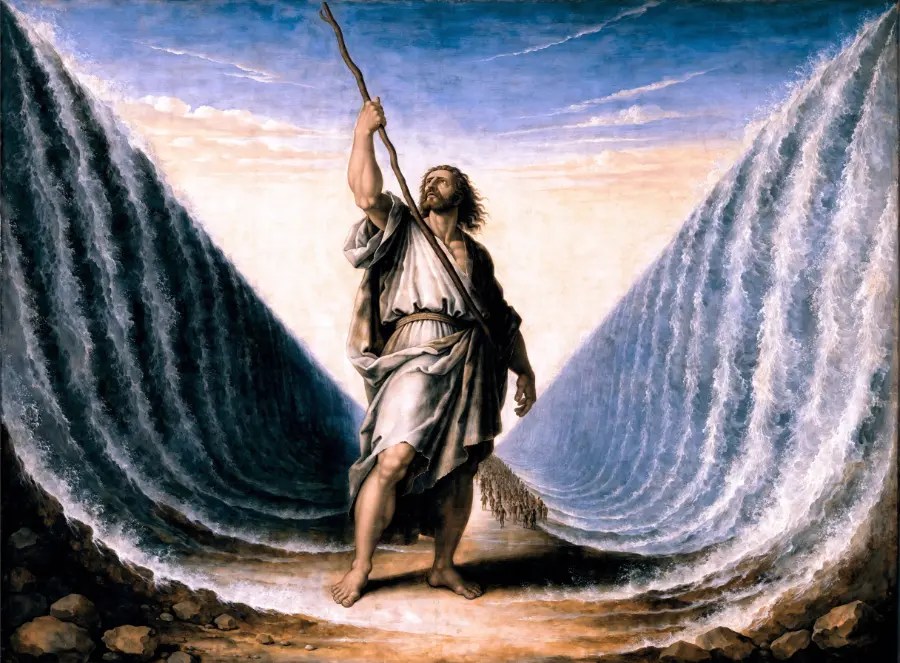
Hebrews 4:3
“Now we who have believed enter that rest, just as God has said, ‘So I declared on oath in my anger, ‘They shall never enter my rest.’’ And yet his works have been finished since the creation of the world.”
Reflection: Hebrews quotes Psalm 95:11, where God swore that the wilderness generation would never enter his rest, and chapter 3 says they did not enter “because of their unbelief” (Hebrews 3:19). The writer then quotes Genesis 2:2, “On the seventh day God rested from all his works” (Hebrews 4:4), joining the land Israel was promised to God’s own rest since creation. Those who believe, verse 3 says, enter that rest.
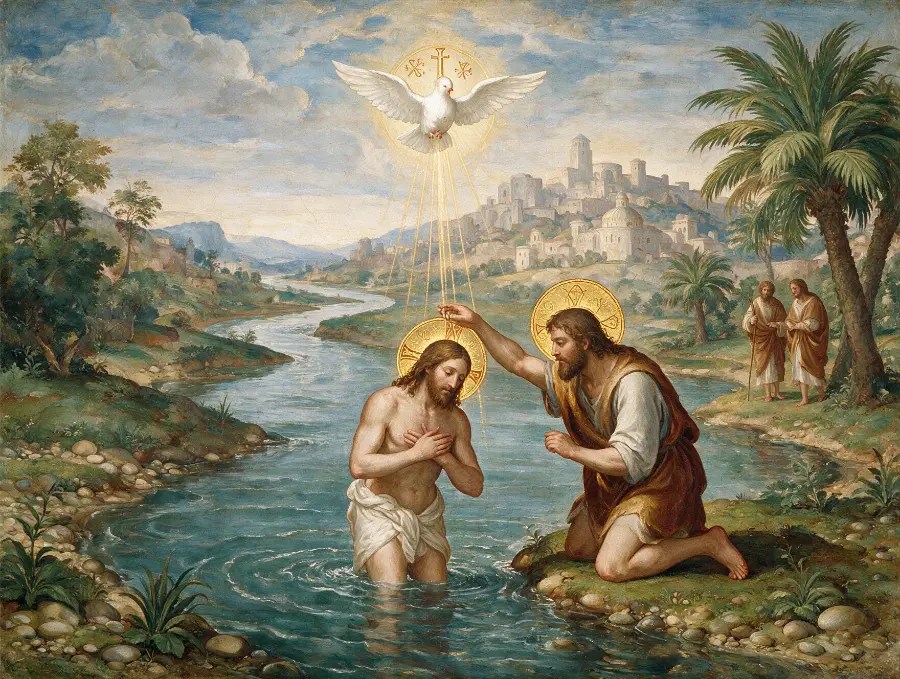
Hebrews 4:9-10
“There remains, then, a Sabbath-rest for the people of God; for anyone who enters God’s rest also rests from their works, just as God did from his.”
Reflection: Verse 8 argues that if Joshua had given Israel rest, God would not have spoken later, through David, about another day. The writer concludes that a Sabbath-rest remains and describes it as resting from one’s works as God rested from his. The next verse urges, “Let us, therefore, make every effort to enter that rest” (Hebrews 4:11).
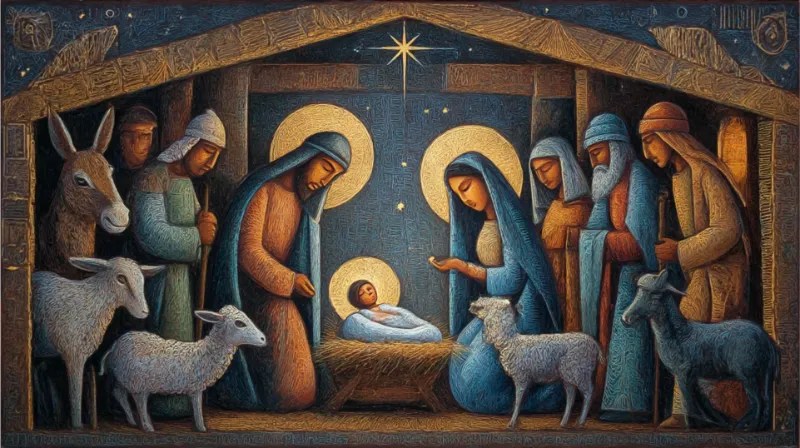
2 Thessalonians 1:7
“And give relief to you who are troubled, and to us as well. This will happen when the Lord Jesus is revealed from heaven in blazing fire with his powerful angels.”
Reflection: Paul writes to a church enduring persecutions and trials (2 Thessalonians 1:4). The NIV has “relief,” and the King James Version renders the same line “to you who are troubled rest with us.” The relief comes at a set time, when the Lord Jesus is revealed from heaven, and verse 6 pairs it with trouble paid back to those who troubled them.
Revelation 14:13
“Then I heard a voice from heaven say, ‘Write this: Blessed are the dead who die in the Lord from now on.’ ‘Yes,’ says the Spirit, ‘they will rest from their labor, for their deeds will follow them.’”
Reflection: Just before this verse, an angel warns that “there will be no rest day or night” for those who worship the beast and its image (Revelation 14:11). Verse 12 calls for patient endurance from God’s people, and then a voice from heaven blesses those who die in the Lord. The Spirit adds that they will rest from their labor and that their deeds follow them.
A verse for how you feel
Choose how you feel today and read a verse from Scripture.
The LORD your God is among you; He is mighty to save. He will rejoice over you with gladness; He will quiet you with His love; He will rejoice over you with singing.”
Get a verse each week
Thank you. Your first verse is on its way.
If nothing arrives in a few minutes, look in your spam or promotions folder.
Keep this for another day. A verse for how you feel has a page of its own, with our verses for each feeling.
Each verse is quoted from the Berean Standard Bible.
Keeping a day of rest
Catholic and Reformed churches keep Sunday as their weekly day of rest and worship. The Catechism of the Catholic Church (2175) says Sunday “is expressly distinguished from the sabbath” and that “for Christians its ceremonial observance replaces that of the sabbath.” The Westminster Confession of Faith (21.7) teaches that the Sabbath day “was changed into the first day of the week, which in Scripture is called the Lord’s Day.”


Leave a Reply