
 English
 Chinese
 Dutch
 Arabic
 Spanish
 Portuguese
 Russian
 French
 Italian
 German
 Japanese
The Bible treats rest as something God commands and gives. The Sabbath law stops work one day in seven for the whole household (Exodus 20:9-10), and Jesus calls the weary to him for rest (Matthew 11:28-30).
The psalms speak of lying down to sleep in safety (Psalm 4:8) and of a soul calmed “like a weaned child with its mother” (Psalm 131:2). Other passages name what keeps a person from resting: toil driven by envy (Ecclesiastes 4:4-6), anxiety about tomorrow (Matthew 6:34), and Judah’s refusal when God offered quietness and trust (Isaiah 30:15).
Rest written into the week
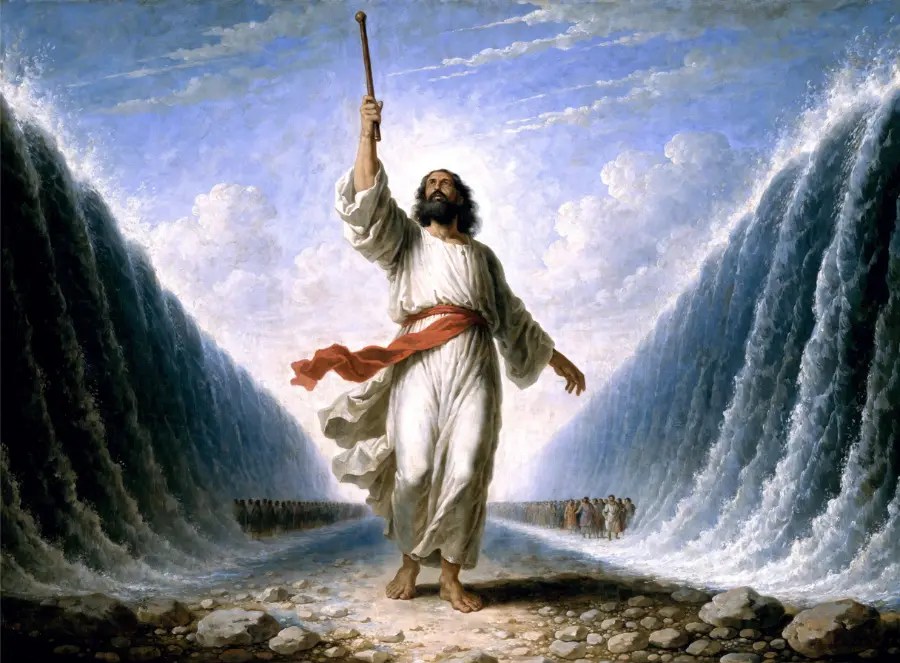
Exodus 20:9-10
“Six days you shall labor, and do all your work, but the seventh day is a Sabbath to the LORD your God. On it you shall not do any work, you, or your son, or your daughter, your male servant, or your female servant, or your livestock, or the sojourner who is within your gates.”
Reflection: The fourth commandment sets six days of work against one day with none, and it names who stops: sons, daughters, servants, livestock and the foreigner living in the town. The next verse gives the reason: “For in six days the LORD made the heavens and the earth, the sea, and all that is in them, and rested on the seventh day.” The rest is required of the household head for the people and animals who work for him, as well as for himself.
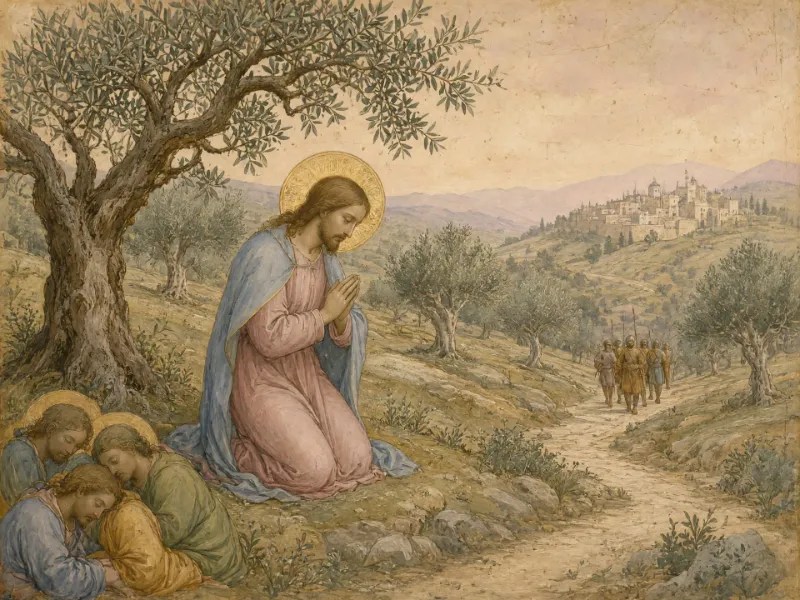
Mark 2:27
“And he said to them, ‘The Sabbath was made for man, not man for the Sabbath.’”
Reflection: The Pharisees object when Jesus’ disciples pluck heads of grain on the Sabbath. Jesus answers with the story of David eating the bread of the Presence when he and his men were hungry, then with this verse, and he adds, “So the Son of Man is lord even of the Sabbath.” The day of rest exists for the good of the people who keep it.
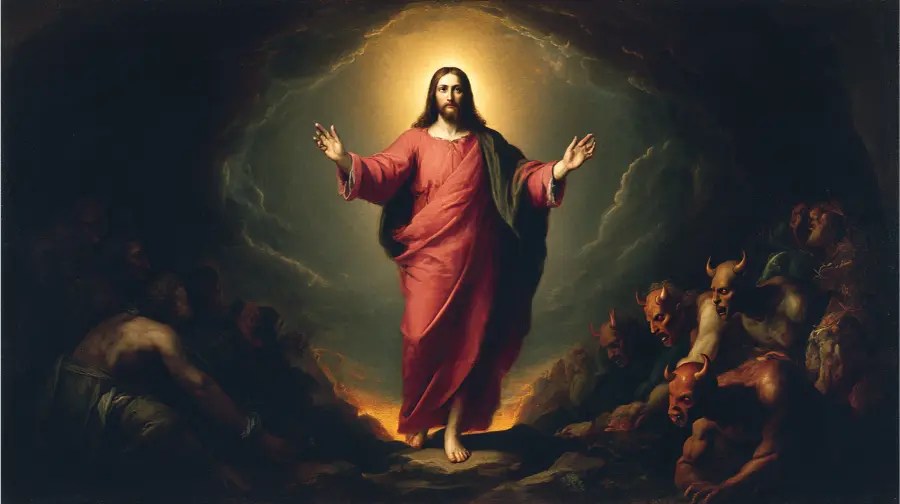
Hebrews 4:9-10
“So then, there remains a Sabbath rest for the people of God, for whoever has entered God’s rest has also rested from his works as God did from his.”
Reflection: Hebrews quotes Genesis 2:2, “God rested on the seventh day from all his works,” and a psalm spoken “through David” in which God swore that the rebellious generation in the wilderness “shall not enter my rest.” The writer argues that if Joshua had given Israel rest in the land, God would not have spoken later of another day, “Today.” A Sabbath rest therefore still remains, and the following verse urges readers to “strive to enter that rest.”
Rest that God gives
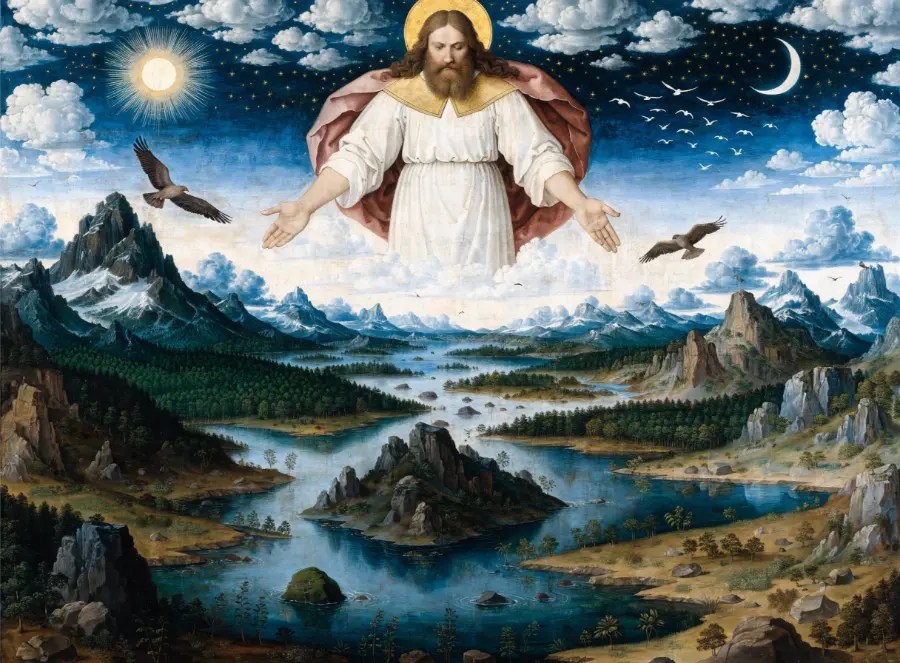
Matthew 11:28-30
“Come to me, all who labor and are heavy laden, and I will give you rest. Take my yoke upon you, and learn from me, for I am gentle and lowly in heart, and you will find rest for your souls. For my yoke is easy, and my burden is light.”
Reflection: Just before this invitation, Jesus thanks the Father for revealing these things to “little children” rather than to the wise, and says that no one knows the Father except the Son and those to whom the Son reveals him. The invitation still includes a yoke and a burden, and Jesus calls his own yoke easy and names himself as the one who gives rest.
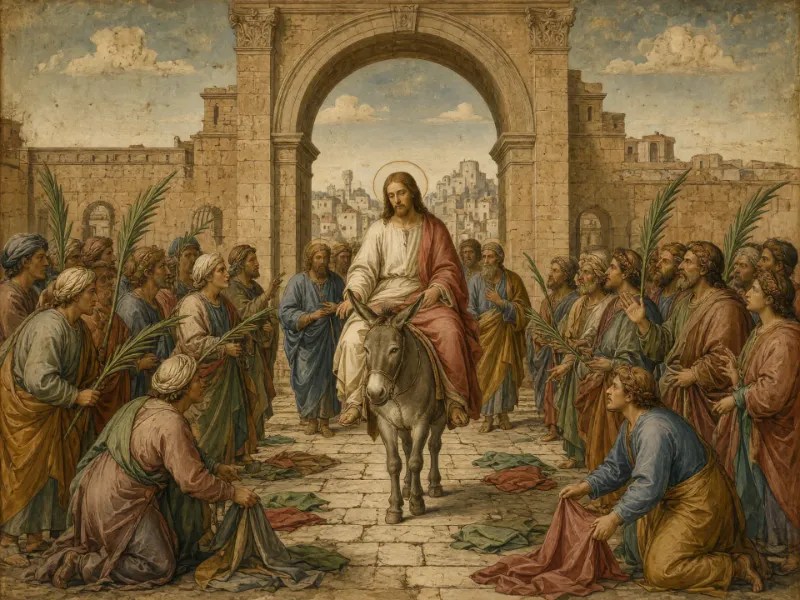
Mark 6:31
“And he said to them, ‘Come away by yourselves to a desolate place and rest a while.’ For many were coming and going, and they had no leisure even to eat.”
Reflection: The twelve have just come back from being sent out two by two, preaching, casting out demons and healing the sick, and they report to Jesus all they had done and taught. He takes them by boat to a desolate place, but the crowds run ahead on foot and arrive first. Jesus has compassion on them “because they were like sheep without a shepherd” and begins to teach, so the rest he planned is put off.
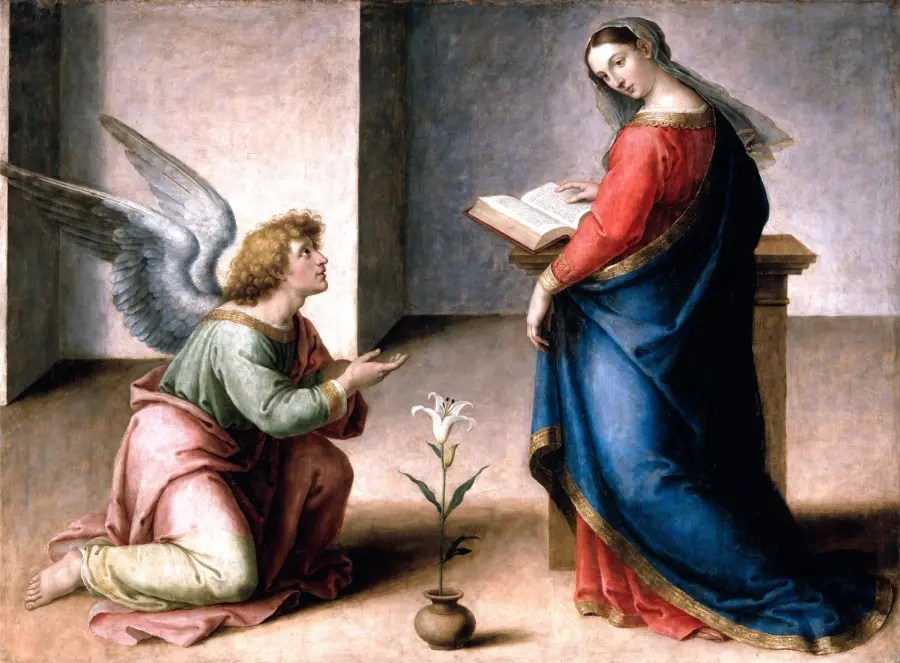
Exodus 33:14
“And he said, ‘My presence will go with you, and I will give you rest.’”
Reflection: Moses has complained that God told him to lead the people without saying who would go with him. God answers with this promise, and Moses replies, “If your presence will not go with me, do not bring us up from here.” The rest is joined to God’s presence on the journey, and Moses asks, “Is it not in your going with us, so that we are distinct, I and your people, from every other people on the face of the earth?”
Sleep and the limits of work
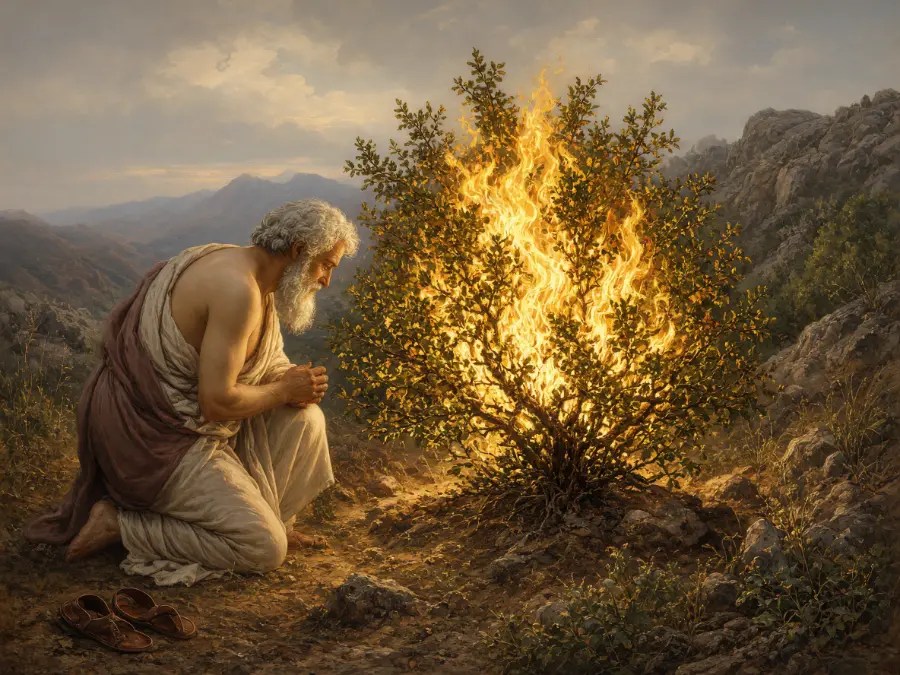
Psalm 23:1-3
“The LORD is my shepherd; I shall not want. He makes me lie down in green pastures. He leads me beside still waters. He restores my soul.”
Reflection: The psalm speaks of God as a shepherd, and the first things the shepherd does are to make the sheep lie down, lead them to still water and restore them. The following verse carries the same care into “the valley of the shadow of death.”

Psalm 4:8
“In peace I will both lie down and sleep; for you alone, O LORD, make me dwell in safety.”
Reflection: The psalm closes speaking to God: “for you alone, O LORD, make me dwell in safety.” In verse 7 the psalmist says God has put more joy in his heart than others have “when their grain and wine abound.”
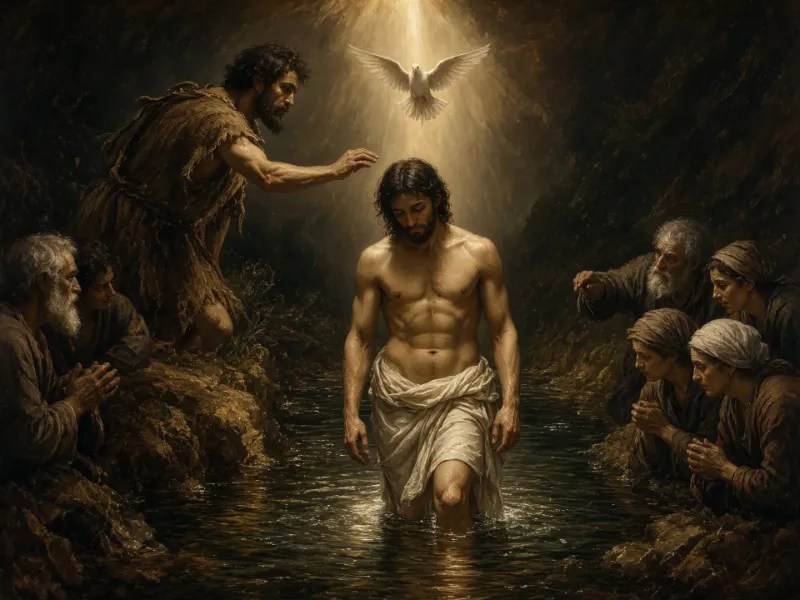
Psalm 127:2
“It is in vain that you rise up early and go late to rest, eating the bread of anxious toil; for he gives to his beloved sleep.”
Reflection: The first verse of the psalm says that unless the LORD builds the house, the builders labor in vain, and unless he watches the city, the watchman stays awake in vain. This verse applies that to working hours: rising early and staying up late, “eating the bread of anxious toil,” achieves nothing that God does not give. The verse ends by calling sleep itself a gift to those God loves.
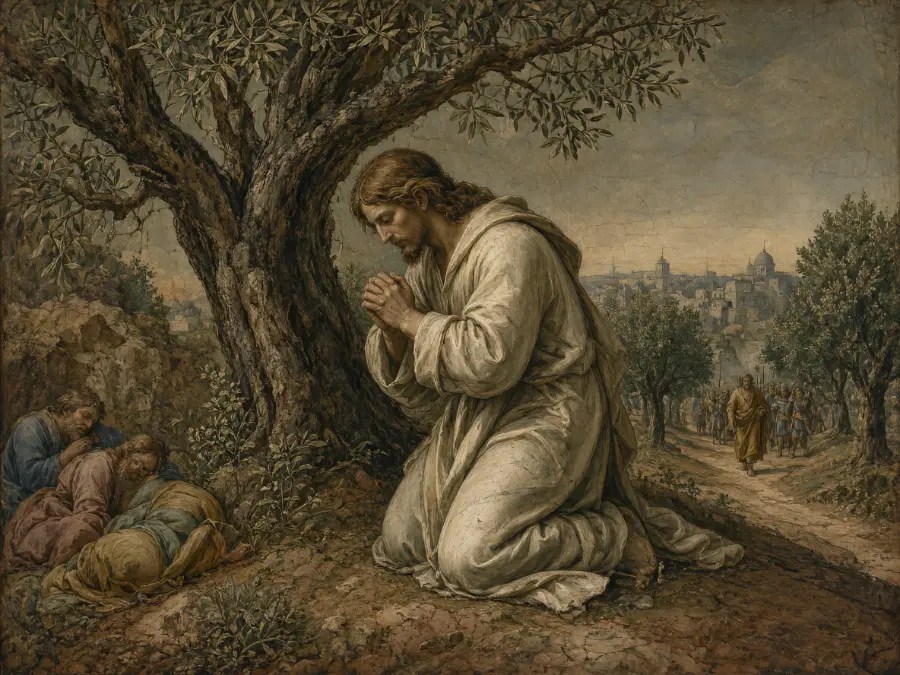
Ecclesiastes 4:6
“Better is a handful of quietness than two hands full of toil and a striving after wind.”
Reflection: The Preacher says in verse 4 that all toil and skill in work come from envy of one’s neighbor, and in verse 5 that “the fool folds his hands and eats his own flesh.” The verse that follows sets one handful held with quietness against two handfuls gained by striving. It commends a smaller measure, not idleness.
Being still before God
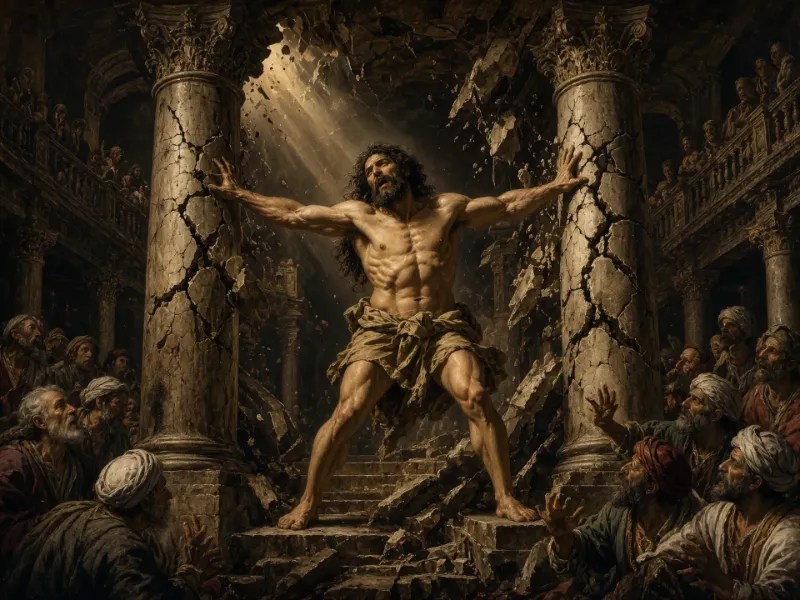
Psalm 46:10
“Be still, and know that I am God. I will be exalted among the nations, I will be exalted in the earth!”
Reflection: The verses just before describe God making wars cease, breaking the bow and burning the chariots, and the command is followed by “I will be exalted among the nations.” The NASB renders it “Stop striving and know that I am God.” In its setting, being still means ceasing to fight and acknowledging God, spoken over the nations as much as over one person.
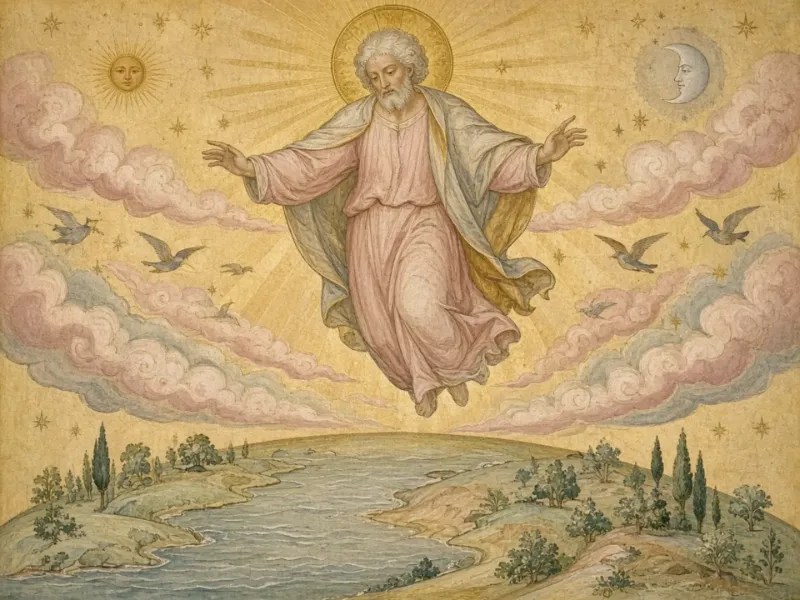
Psalm 62:1
“For God alone my soul waits in silence; from him comes my salvation.”
Reflection: The next verse gives the reason for the silence: “He alone is my rock and my salvation, my fortress; I shall not be greatly shaken.” In verse 5 the psalmist turns the statement into a command to himself: “For God alone, O my soul, wait in silence, for my hope is from him.” The waiting is quiet and directed to God alone.
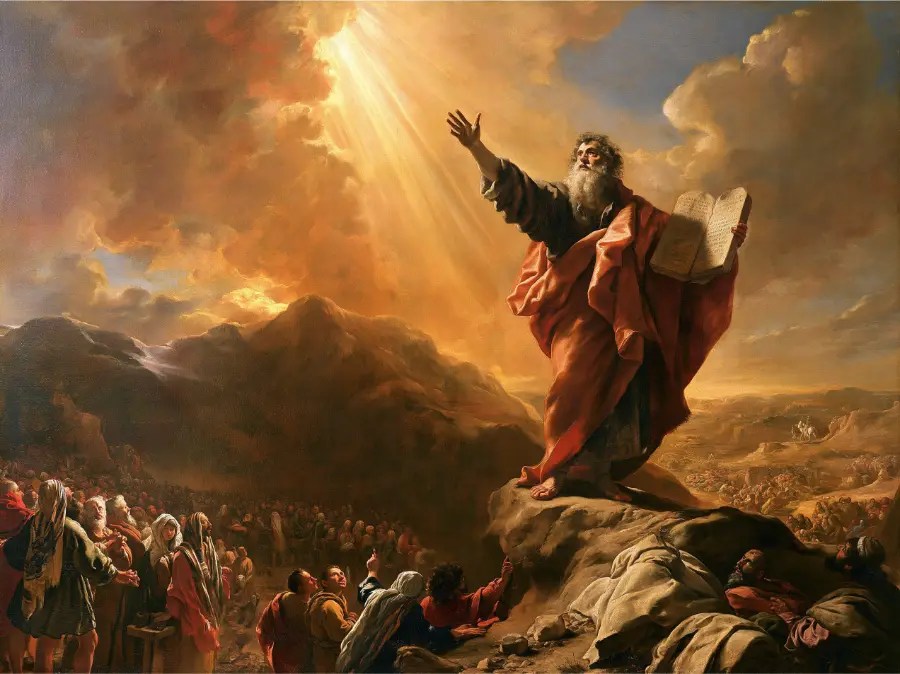
Psalm 131:2
“But I have calmed and quieted my soul, like a weaned child with its mother; like a weaned child is my soul within me.”
Reflection: In verse 1 the psalmist says he does not occupy himself “with things too great and too marvelous for me.” He says he has calmed and quieted his own soul, and compares it to a weaned child with its mother. The last verse turns to the whole people: “O Israel, hope in the LORD from this time forth and forevermore.”
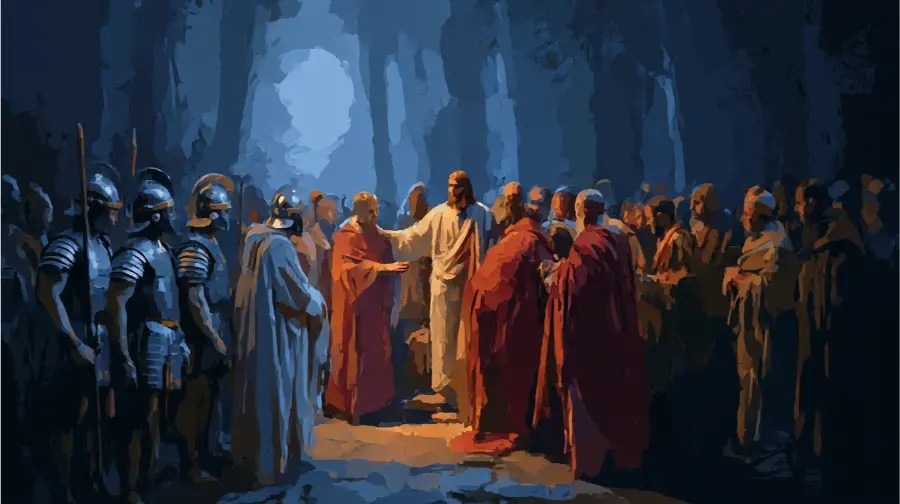
Isaiah 30:15
“In returning and rest you shall be saved; in quietness and in trust shall be your strength.”
Reflection: The chapter opens with Judah setting out “to go down to Egypt” for Pharaoh’s protection without asking God’s direction. God offers salvation in returning and rest, and strength in quietness and trust. The same verse goes on, “But you were unwilling,” and the next gives Judah’s reply: “No! We will flee upon horses.”
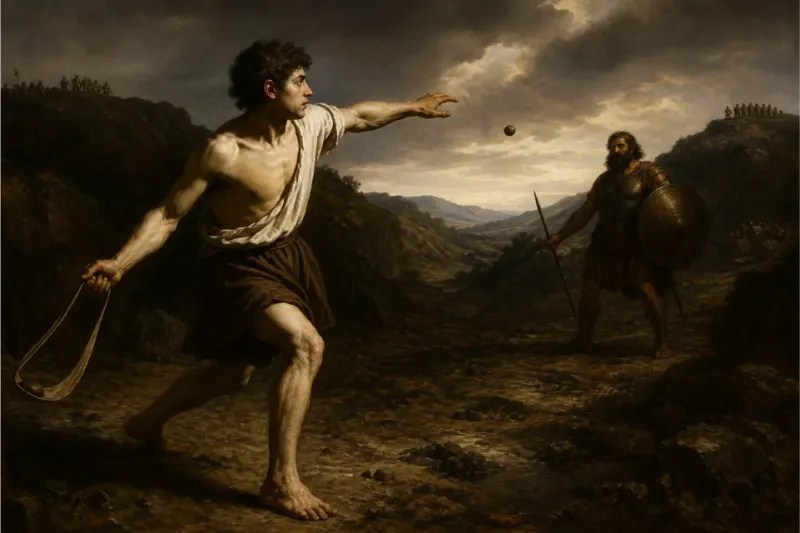
Exodus 14:14
“The LORD will fight for you, and you have only to be silent.”
Reflection: Pharaoh’s army is closing in at the sea, and the Israelites tell Moses it would have been better to serve the Egyptians than to die in the wilderness. Moses answers, “Fear not, stand firm, and see the salvation of the LORD, which he will work for you today,” and then this verse. The people are to be silent while God does the fighting.
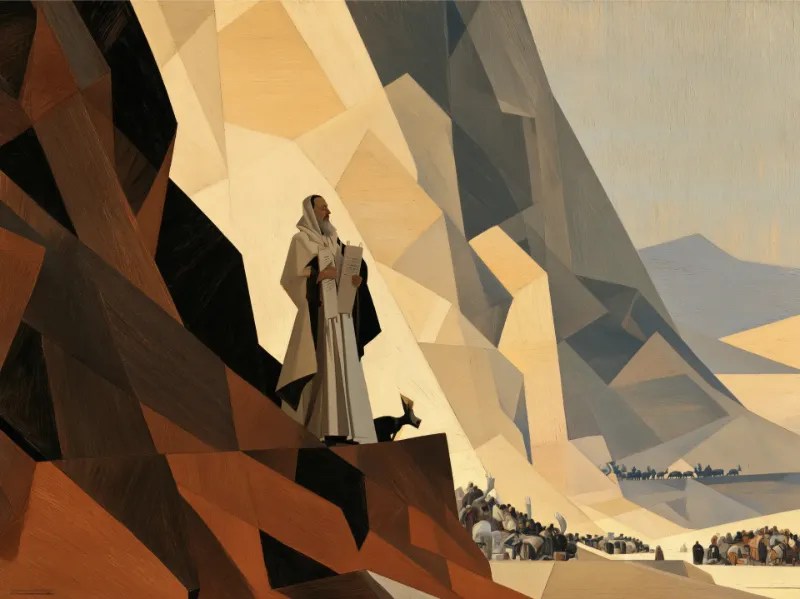
Zephaniah 3:17
“The LORD your God is in your midst, a mighty one who will save; he will rejoice over you with gladness; he will quiet you by his love; he will exult over you with loud singing.”
Reflection: The words are addressed to Jerusalem “on that day,” after God has taken away the judgments against the city and cleared away its enemies, and the verse before says, “Fear not, O Zion.” In the ESV God quiets the city by his love; the NIV reads the line “in his love he will no longer rebuke you.” In both translations the rejoicing and the singing are God’s, over the city.
Setting down worry
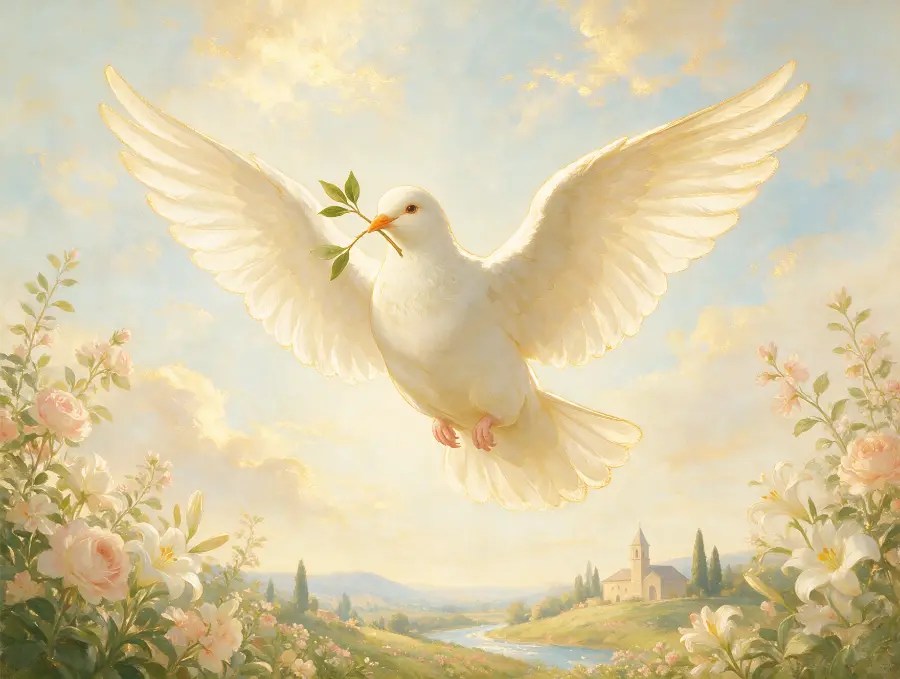
Matthew 6:34
“Therefore do not be anxious about tomorrow, for tomorrow will be anxious for itself. Sufficient for the day is its own trouble.”
Reflection: The verse closes Jesus’ teaching on food, drink and clothing in the Sermon on the Mount. Just before it he says that “your heavenly Father knows that you need them all” and tells his hearers to seek first the kingdom of God. Each day is to be given its own trouble and no more.
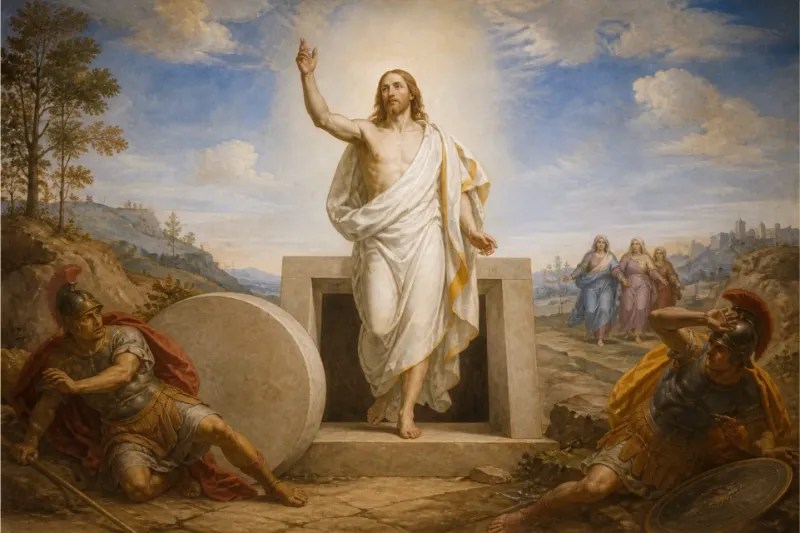
Philippians 4:6-7
“Do not be anxious about anything, but in everything by prayer and supplication with thanksgiving let your requests be made known to God. And the peace of God, which surpasses all understanding, will guard your hearts and your minds in Christ Jesus.”
Reflection: Paul writes this letter while in prison (Philippians 1:13), and the verse before ends, “The Lord is at hand.” Instead of anxiety he names prayer with thanksgiving, and the result he promises is God’s peace guarding the heart and mind. The next verse turns to what to think about: “whatever is true, whatever is honorable.”
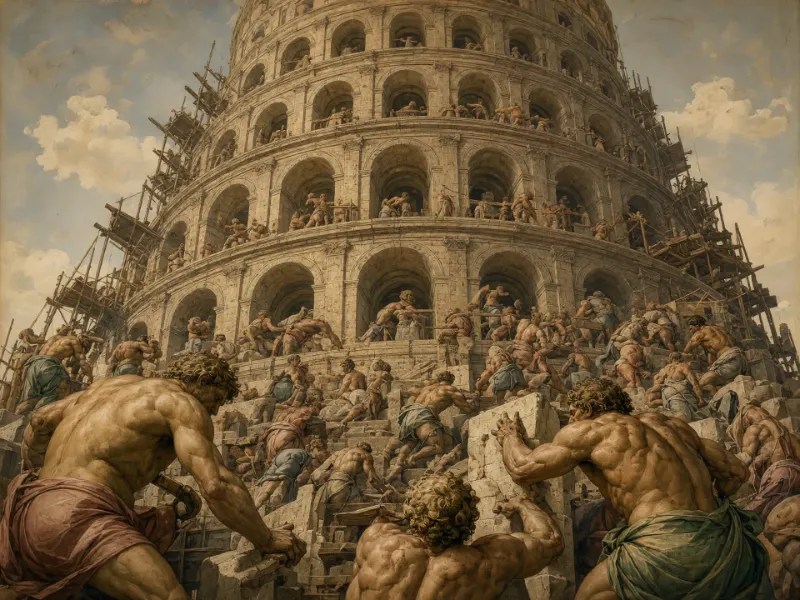
1 Peter 5:7
“casting all your anxieties on him, because he cares for you.”
Reflection: The verse continues the sentence of verse 6, “Humble yourselves, therefore, under the mighty hand of God,” so casting anxieties on God is part of that humbling. Verse 8 follows at once with “Be sober-minded; be watchful,” because the devil “prowls around like a roaring lion.” Handing over anxiety sits alongside staying alert.
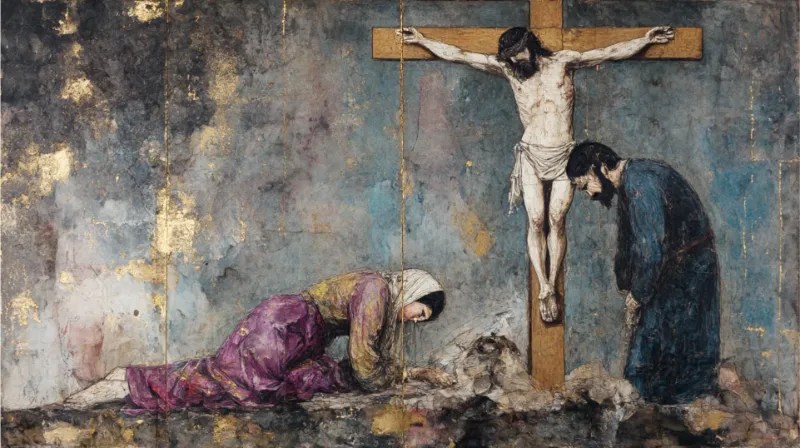
Isaiah 26:3
“You keep him in perfect peace whose mind is stayed on you, because he trusts in you.”
Reflection: This verse is part of a song that Isaiah says “will be sung in the land of Judah” in that day, beginning “We have a strong city.” The peace belongs to the one whose mind is fixed on God because he trusts him. The next line gives the ground for that trust: “the LORD GOD is an everlasting rock.”
A verse for how you feel
Choose how you feel today and read a verse from Scripture.
The LORD is my shepherd; I shall not want. He makes me lie down in green pastures; He leads me beside quiet waters. He restores my soul; He guides me in the paths of righteousness for the sake of His name.
Get a verse each week
Thank you. Your first verse is on its way.
If nothing arrives in a few minutes, look in your spam or promotions folder.
Keep this for another day. A verse for how you feel has a page of its own, with our verses for each feeling.
Each verse is quoted from the Berean Standard Bible.
When the rest is put off
Mark 6:31-34 ends with Jesus teaching the crowd that had run ahead of the boat, and Hebrews 4:11 tells its readers to “strive to enter” the rest that remains. Isaiah 30:15 records an offer of rest that Judah turned down.
Psalm 4:8 is addressed to God and can be prayed as written at night. Psalm 131:2 is said in the first person, and the next verse, the last of the psalm, calls all Israel to hope in the LORD.


Leave a Reply