
 English
 Chinese
 Dutch
 Arabic
 Spanish
 Portuguese
 Russian
 French
 Italian
 German
 Japanese
Snow does two opposite jobs in Scripture, and it does both with the same whiteness.
It is the colour of a forgiven life: though your sins are like scarlet, they shall be as white as snow. It is also the colour of leprosy. Moses takes his hand out of his cloak and it is leprous, white as snow; Miriam is struck the same way, and so is Gehazi. The rest of the material treats snow as weather God handles, as the look of glory in Daniel and Revelation, and as an ordinary comparison in Proverbs. The nineteen verses below keep all of it.
The colour of a forgiven life
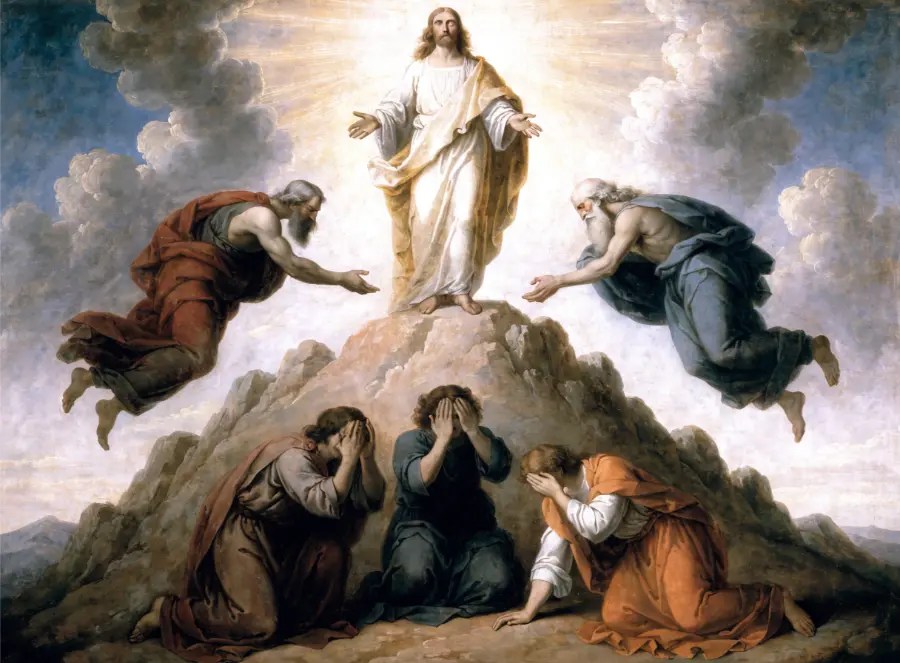
Isaiah 1:18
“Come now, let us reason together, says the Lord. Though your sins are like scarlet, they shall be as white as snow.”
Reflection: Let us reason together is put as a legal exchange. Isaiah has spent the chapter on blood on their hands, and the offer arrives inside the indictment rather than after it.
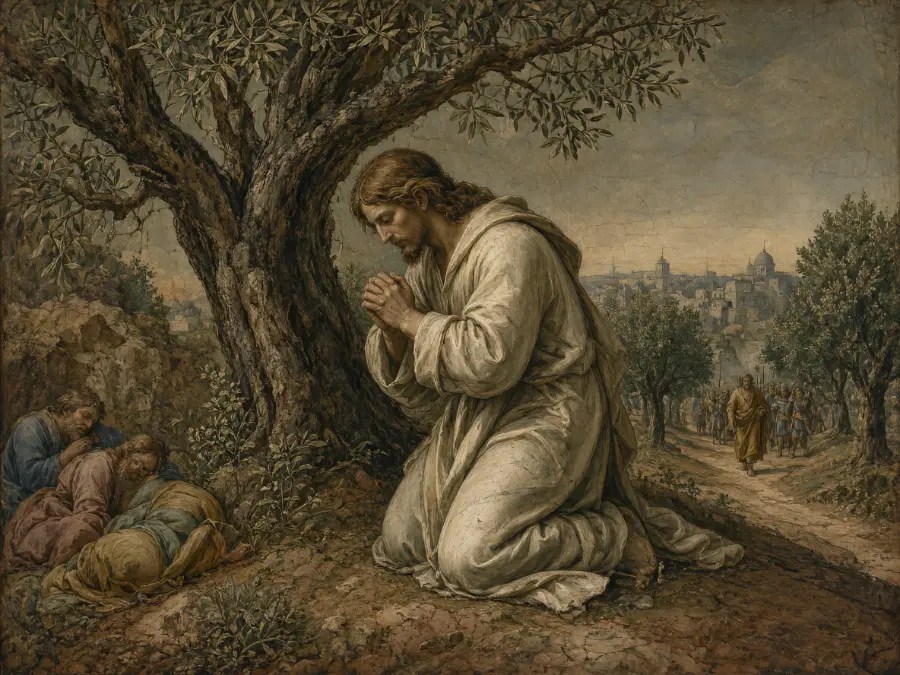
Psalm 51:7
“Cleanse me with hyssop, and I will be clean; wash me, and I will be whiter than snow.”
Reflection: Hyssop was the plant used for sprinkling in the cleansing rituals. David asks for the procedure rather than for a change of feeling.
Job 9:30
“If I wash myself with snow and cleanse my hands with lye…”
Reflection: Job’s point is that washing would settle nothing. He is arguing that the outcome is decided before the scrubbing starts.
And the colour of disease
Exodus 4:6
“Put your hand inside your cloak. So Moses put his hand into his cloak, and when he took it out, the skin was leprous—it had become as white as snow.”
Reflection: This is given to Moses as a sign to persuade people. The second of the three signs is a disease, performed on his own hand and then reversed.
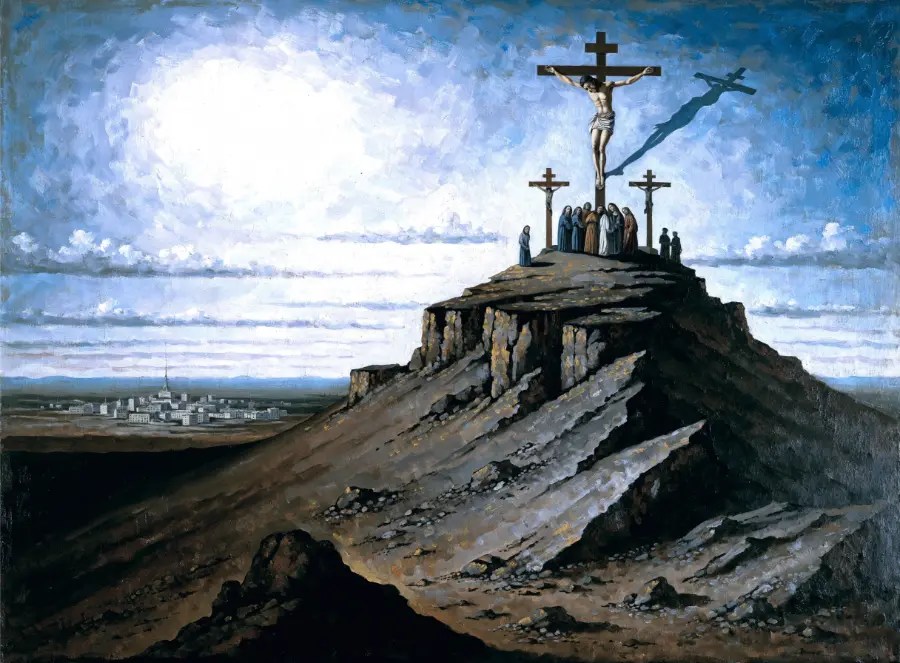
Numbers 12:10
“When the cloud lifted from above the tent, Miriam’s skin was leprous—it became as white as snow.”
Reflection: Miriam and Aaron had both spoken against Moses and only Miriam is struck. The text records that without explaining it, and Moses prays for her at once.
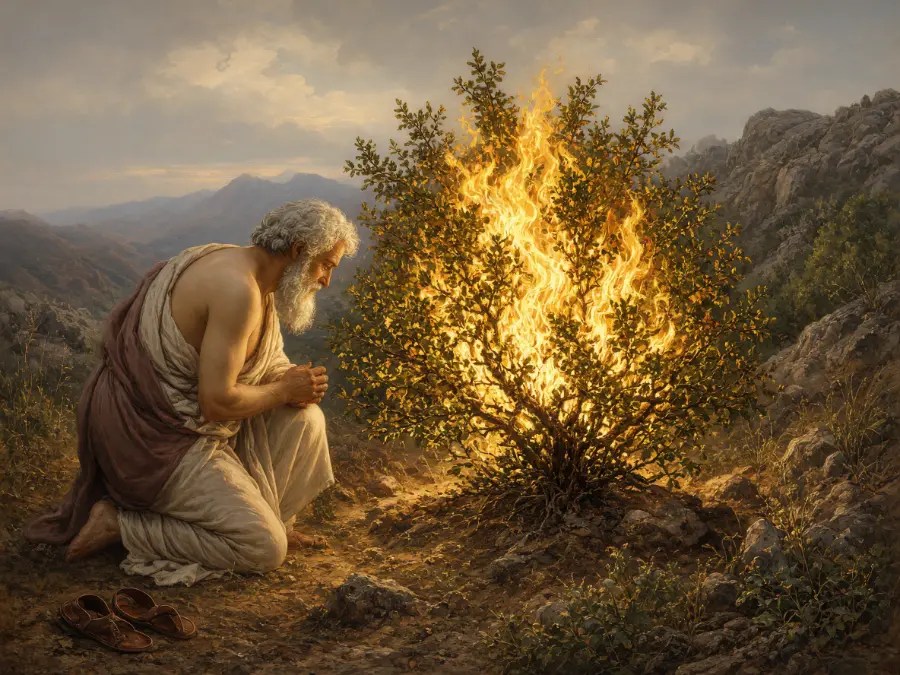
2 Kings 5:27
“Then Gehazi went from Elisha’s presence and his skin was leprous—it had become as white as snow.”
Reflection: Gehazi had run after Naaman to collect the payment Elisha refused. The disease Naaman was cured of lands on the servant who went back for the money.
What glory is said to look like
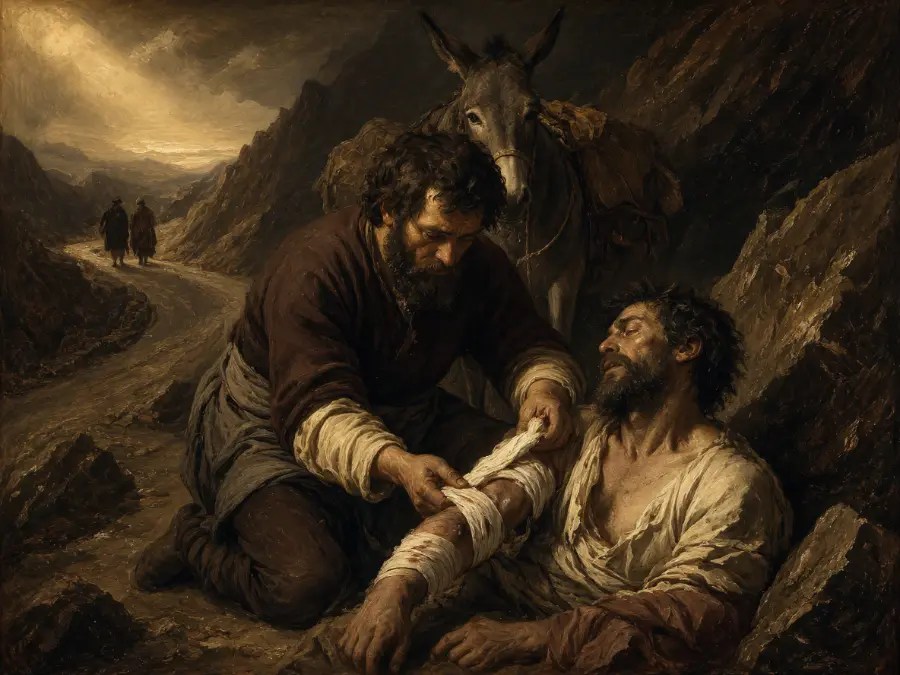
Daniel 7:9
“As I looked, thrones were set in place, and the Ancient of Days took his seat. His clothing was as white as snow; the hair of his head was white like wool.”
Reflection: Daniel describes a courtroom being set up and then the judge taking his seat. White here belongs to age and authority, and the books are opened next.
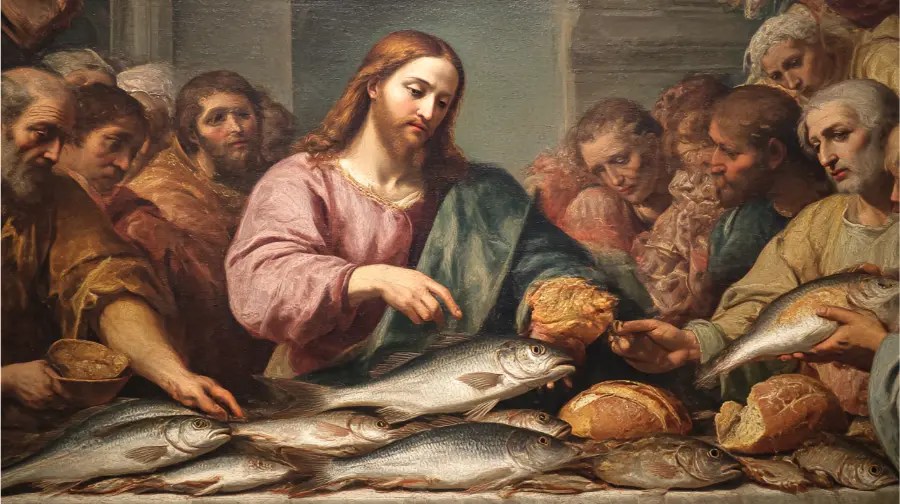
Revelation 1:14
“The hair on his head was white like wool, as white as snow, and his eyes were like blazing fire.”
Reflection: John uses Daniel’s description for the figure standing in front of him. Readers who knew Daniel would have placed it at once.
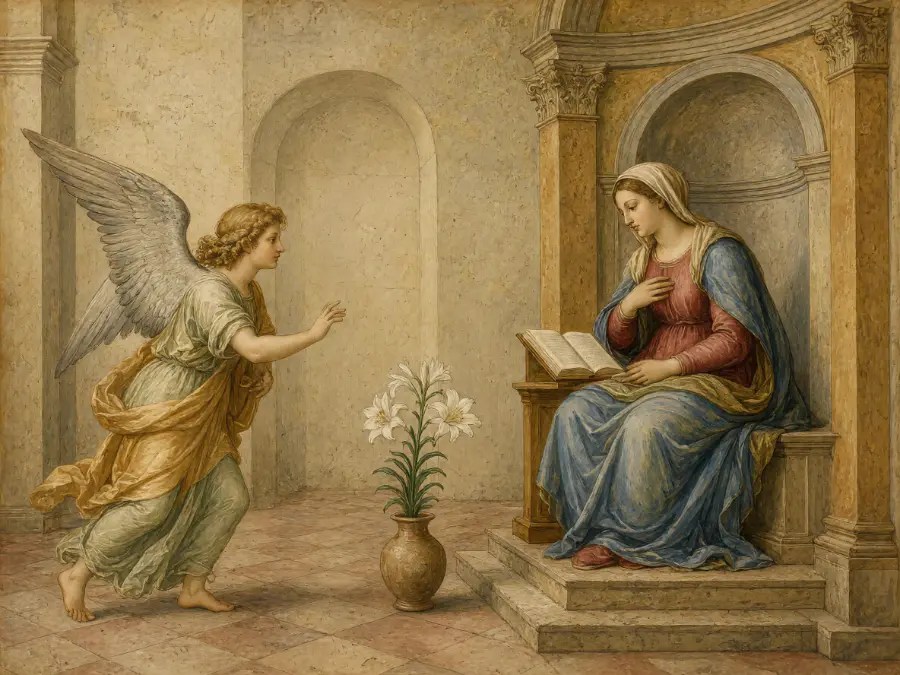
Matthew 28:3
“His appearance was like lightning, and his clothes were white as snow.”
Reflection: The guards faint and the angel speaks to the women. Matthew gives the two elements the visions use, light and snow-white cloth.
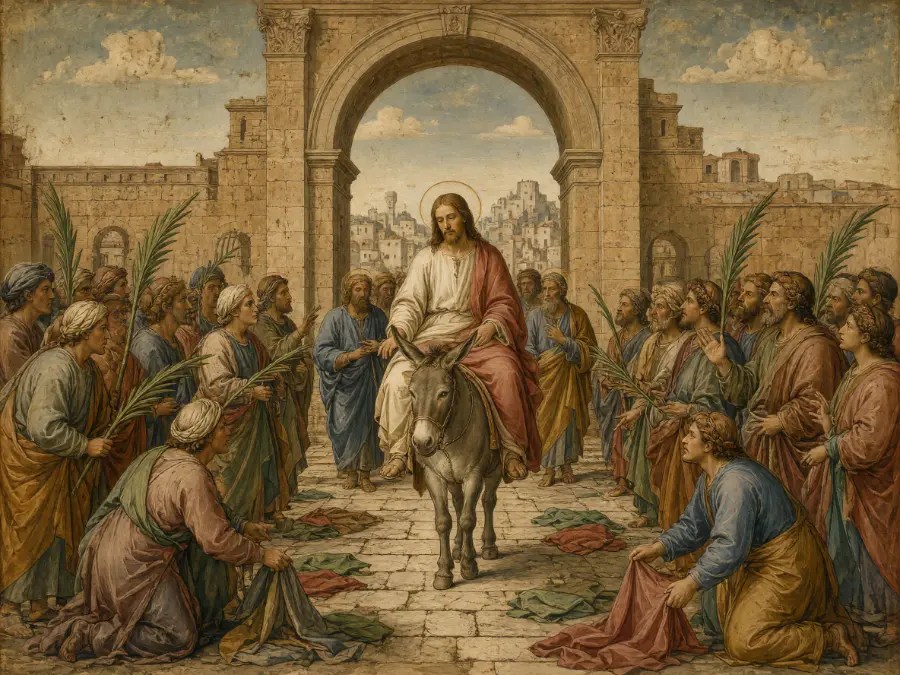
Mark 9:3
“His clothes became dazzling white, whiter than anyone in the world could bleach them.”
Reflection: Mark reaches for a laundry comparison and then says it is not adequate.
Snow as weather God handles
Job 37:6
“He says to the snow, ‘Fall on the earth,’ and to the rain shower, ‘Be a mighty downpour.’”
Reflection: Elihu describes weather as something spoken to. Snow is named first and the downpour second, both of them as commands.
Job 38:22
“Have you entered the storehouses of the snow or seen the storehouses of the hail?”
Reflection: One of a long run of questions God puts to Job without answering any of them. The storehouse is a picture of weather kept somewhere and issued.
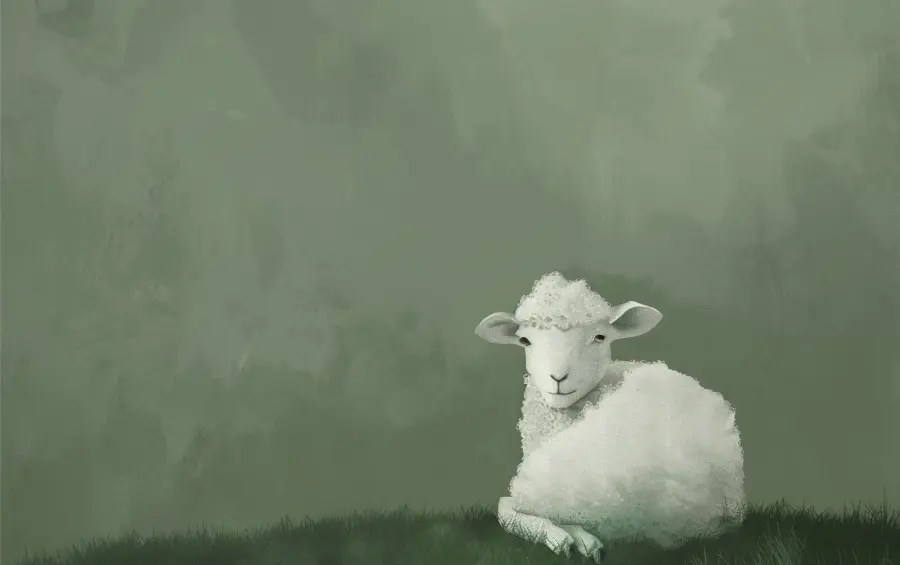
Psalm 147:16
“He spreads the snow like wool and scatters the frost like ashes.”
Reflection: Wool and ashes were both things a household handled every week. The psalm keeps its comparisons domestic.
Psalm 148:8
“Lightning and hail, snow and clouds, stormy winds that do his bidding.”
Reflection: The list calls on weather to praise, and it includes the weather that ruins crops. Nothing in it is filtered for whether it is pleasant.
Isaiah 55:10
“As the rain and the snow come down from heaven, and do not return to it without watering the earth and making it bud and flourish…”
Reflection: Snow is the slow half of the comparison. Rain runs off; snow sits and releases its water over a longer period.
Snow in ordinary speech
Proverbs 25:13
“Like a snow-cooled drink at harvest time is a trustworthy messenger to the one who sends him.”
Reflection: Harvest is the hottest work of the year, which is what makes this a comparison to a luxury. Proverbs prices a reliable messenger at that.
Proverbs 26:1
“Like snow in summer or rain in harvest, honour is not fitting for a fool.”
Reflection: Both halves are about something arriving at the wrong time. The proverb treats misplaced honour as that kind of damage.
Proverbs 31:21
“When it snows, she has no fear for her household; for all of them are clothed in scarlet.”
Reflection: She is not afraid because the work was done months earlier. The snow is simply the day the preparation is tested.
2 Samuel 23:20
“Benaiah son of Jehoiada, a valiant fighter from Kabzeel, performed great exploits. He struck down Moab’s two mightiest warriors. He also went down into a pit on a snowy day and killed a lion.”
Reflection: On a snowy day. Nothing in the account needs the weather, and the record keeps it anyway.
Why snow at all
Snow works as an image because it was not ordinary. It arrives, it covers a landscape completely for a short time, and the ground underneath is unchanged by it. That suits both of the jobs it is given.
The forgiveness verses and the leprosy verses use the same whiteness. Isaiah’s offer is made inside an indictment, to people he has just described as having blood on their hands, and the leprosy passages put the same colour on a skin nobody will touch. For the related material, see Bible verses about restoration.


Leave a Reply