
 English
 Chinese
 Dutch
 Arabic
 Spanish
 Portuguese
 Russian
 French
 Italian
 German
 Japanese
The Bible treats thankfulness as something practiced in every circumstance, including loss. The clearest example is Habakkuk, who lists a failed harvest and then says, “yet I will rejoice in the Lord” (Habakkuk 3:17-18).
The nineteen verses below begin with thanks in hard times, then cover thanks as an instruction, what God has given, his daily provision, and giving thanks together in worship.
Thanks with nothing in the barn
Habakkuk 3:17-18
“Though the fig tree does not bud and there are no grapes on the vines, though the olive crop fails and the fields produce no food, though there are no sheep in the pen and no cattle in the stalls, yet I will rejoice in the Lord.”
Reflection: Habakkuk lists the losses a farmer would count: figs, grapes, olives, fields, sheep and cattle. He does not deny any of them, and he rejoices anyway. The next verse gives his reason: “The Sovereign Lord is my strength” (3:19).
Job 1:21
“Naked I came from my mother’s womb, and naked I will depart. The Lord gave and the Lord has taken away; may the name of the Lord be praised.”
Reflection: Job says this on the day he learns that his livestock, his servants and his ten children are gone (1:2, 13-19). The book goes on to record his grief and complaints over many chapters, so this blessing did not end his mourning.
1 Thessalonians 5:18
“Give thanks in all circumstances; for this is God’s will for you in Christ Jesus.”
Reflection: Paul says to give thanks in all circumstances, not for them. Thanks can be given in the middle of a loss without calling the loss good.
Thanks as an instruction rather than a mood

Colossians 3:17
“And whatever you do, whether in word or deed, do it all in the name of the Lord Jesus, giving thanks to God the Father through him.”
Reflection: “Whatever you do” includes ordinary work and conversation, and each is to be done with thanks to God the Father.

Ephesians 5:20
“always giving thanks to God the Father for everything, in the name of our Lord Jesus Christ.”
Reflection: Paul wrote Ephesians as a prisoner (3:1). The instruction follows his call to be filled with the Spirit and to sing to one another (5:18-19).

Colossians 2:6-7
“So then, just as you received Christ Jesus as Lord, continue to live your lives in him, rooted and built up in him, strengthened in the faith as you were taught, and overflowing with thankfulness.”
Reflection: Paul uses a plant and a building together: rooted and built up. Thankfulness comes at the end of the sentence, as the result of a life grounded in Christ.

Philippians 4:6
“Do not be anxious about anything, but in every situation, by prayer and petition, with thanksgiving, present your requests to God.”
Reflection: Thanksgiving is part of the anxious prayer itself: requests are presented “with thanksgiving.” The next verse promises that God’s peace will guard the heart and mind (4:7).
What is actually being given
James 1:17
“Every good and perfect gift is from above, coming down from the Father of the heavenly lights, who does not change like shifting shadows.”
Reflection: The “Father of the heavenly lights” is the Creator of the sun, moon and stars (Genesis 1:14-18). Those lights move and cast shifting shadows, and James says God does not change like that.
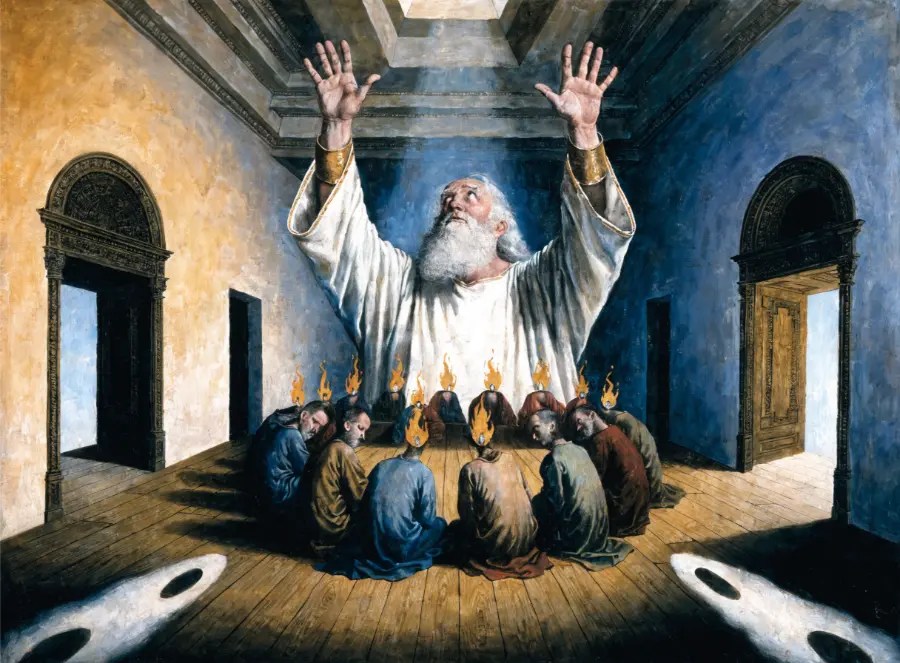
Psalm 103:2-4
“Praise the Lord, my soul, and forget not all his benefits—who forgives all your sins and heals all your diseases, who redeems your life from the pit and crowns you with love and compassion.”
Reflection: The psalmist speaks to himself: “forget not all his benefits.” He then lists them: forgiveness, healing, redemption, and love and compassion.

Colossians 1:13-14
“For he has rescued us from the dominion of darkness and brought us into the kingdom of the Son he loves, in whom we have redemption, the forgiveness of sins.”
Reflection: Both verbs are in the past tense: God has rescued and has brought. Paul gives these as the grounds for the joyful thanks he mentions just before (1:12).
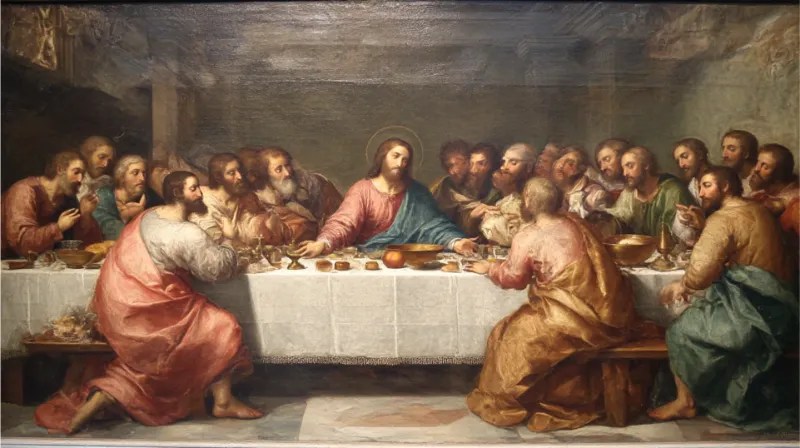
2 Corinthians 9:15
“Thanks be to God for his indescribable gift!”
Reflection: Paul closes two chapters about a collection for the Lord’s people (8:4; 9:1) with this line. The gift is not named, and many readers take it to be Christ himself.
Daily supply
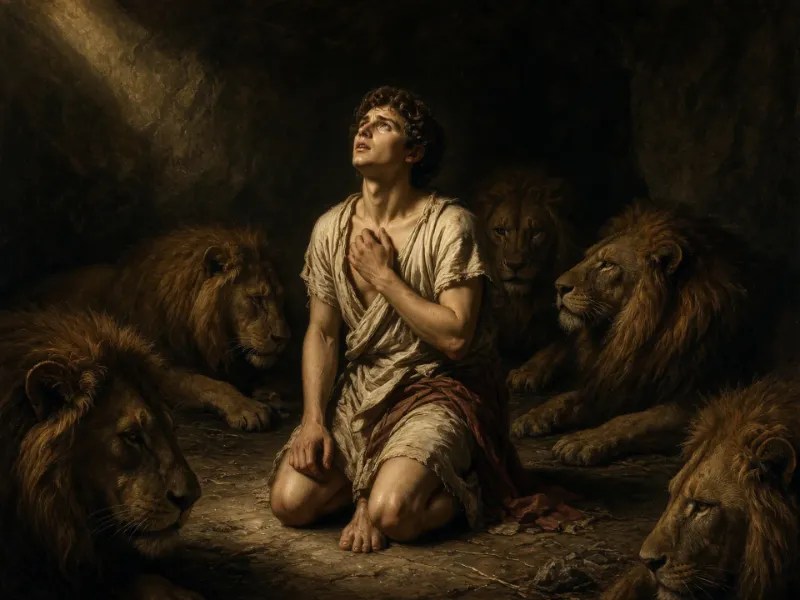
Lamentations 3:22-23
“Because of the Lord’s great love we are not consumed, for his compassions never fail. They are new every morning; great is your faithfulness.”
Reflection: Lamentations mourns the destruction of Jerusalem. “New every morning” describes compassion given fresh each day rather than stored up.
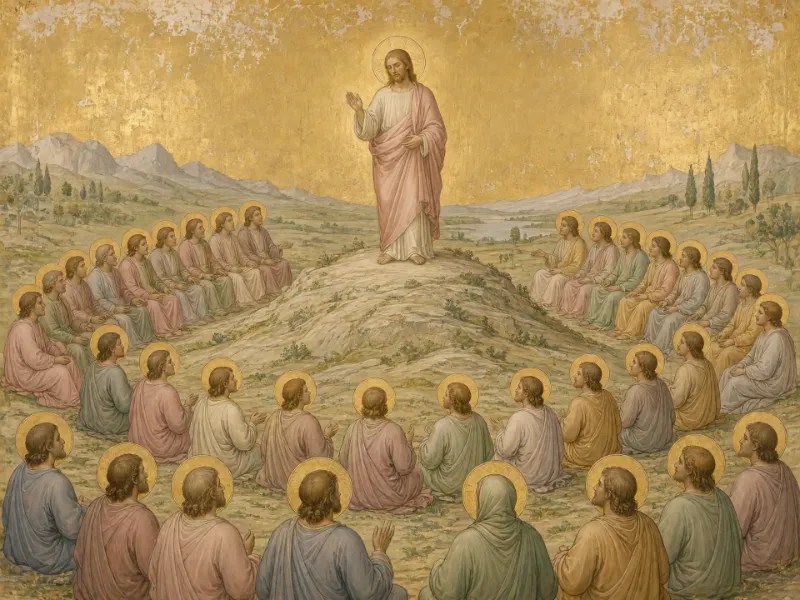
Matthew 6:25-26
“Therefore I tell you, do not worry about your life, what you will eat or drink; or about your body, what you will wear. Is not life more than food, and the body more than clothes? Look at the birds of the air; they do not sow or reap or store away in barns, and yet your heavenly Father feeds them. Are you not much more valuable than they?”
Reflection: Jesus argues from something anyone can observe: birds do not sow or store up, and God feeds them. The argument runs from the lesser to the greater, since people are worth much more.
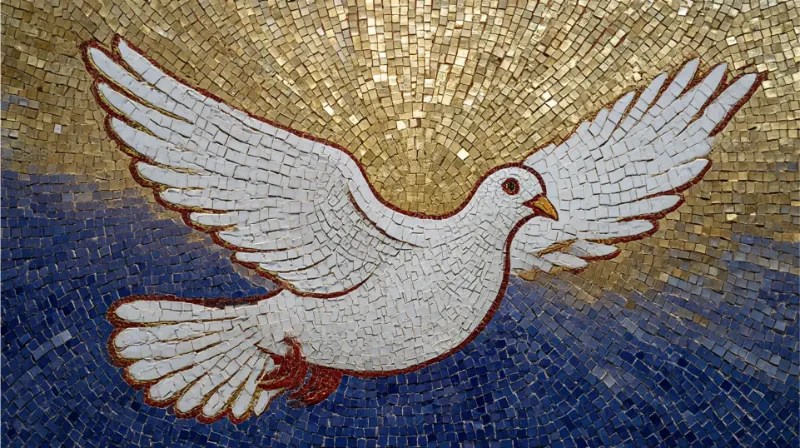
Psalm 104:27-28
“All creatures look to you to give them their food at the proper time. When you give it to them, they gather it up; when you open your hand, they are satisfied with good things.”
Reflection: Psalm 104 describes the whole of creation, from the heavens to the creatures of the sea. Here every creature depends on God to give food “at the proper time,” from his open hand.
1 Timothy 4:4-5
“For everything God created is good, and nothing is to be rejected if it is received with thanksgiving, because it is consecrated by the word of God and prayer.”
Reflection: Paul is answering teachers who forbade marriage and ordered people to abstain from certain foods (4:3). Food received with thanksgiving is consecrated by the word of God and prayer.
Thanks said out loud, with other people
Psalm 100:4
“Enter his gates with thanksgiving and his courts with praise; give thanks to him and praise his name.”
Reflection: Gates and courts are places: the worshipers enter the temple already giving thanks. The last verse gives the reason, “the Lord is good and his love endures forever” (100:5).
Psalm 107:1
“Give thanks to the Lord, for he is good; his love endures forever.”
Reflection: The psalm goes on to tell of four groups who cried out and were rescued: wanderers in the desert, prisoners, the sick, and sailors in a storm. Each account ends with a call to “give thanks to the Lord for his unfailing love” (107:8, 15, 21, 31).
Hebrews 12:28
“Therefore, since we are receiving a kingdom that cannot be shaken, let us be thankful, and so worship God acceptably with reverence and awe.”
Reflection: The writer has just contrasted Mount Sinai, which shook, with a kingdom that cannot be shaken (12:18-27). The response he asks for is thankfulness, expressed in worship with reverence and awe.
Genesis 1:31
“God saw all that he had made, and it was very good. And there was evening, and there was morning—the sixth day.”
Reflection: Each earlier day of creation ends with “God saw that it was good.” Here, over everything he had made, the verdict is “very good.”
If gratitude is not coming
Scripture does not ask anyone to manufacture a feeling. It gives thanks a place in hard seasons: in Habakkuk’s list of failed crops, in Paul’s letters from prison, and in a psalm about people who were lost and cried out.
Small practices fit these verses: saying grace before a meal, naming one good thing each morning, or looking at the birds as Jesus told his listeners to. When your own words run short, there are prayers of praise and worship to borrow.


Leave a Reply