
 English
 Chinese
 Dutch
 Arabic
 Spanish
 Portuguese
 Russian
 French
 Italian
 German
 Japanese
The Bible asks people to trust God with the whole heart instead of their own understanding. Proverbs 3:5-6 gives the command, Jeremiah 17:5-8 sets it against trust in man, and Numbers 23:19 gives the ground for it: God “is not man, that he should lie.”
What the Bible asks of a person who trusts God
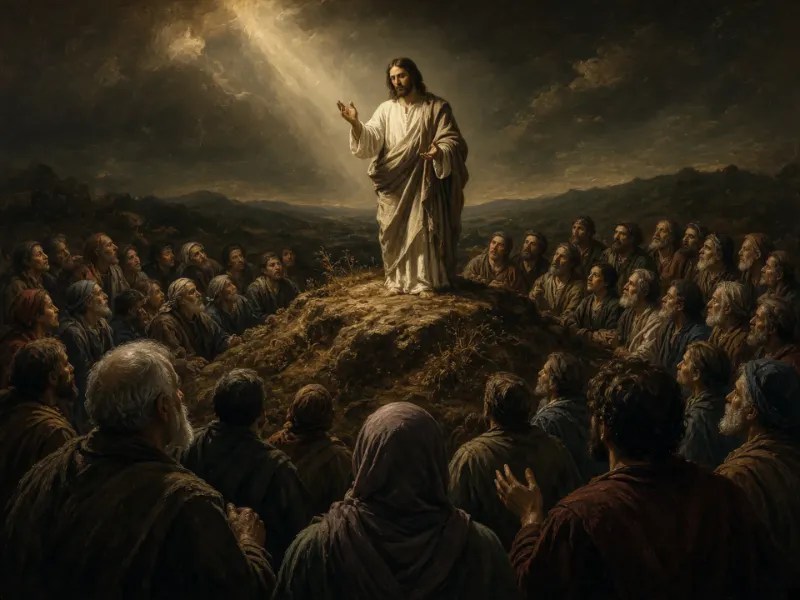
Proverbs 3:5-6
“Trust in the Lord with all your heart, and do not lean on your own understanding. In all your ways acknowledge him, and he will make straight your paths.”
Reflection: A father speaks to his son at the start of Proverbs 3, and the command sits between two warnings about the son’s own judgment: “do not lean on your own understanding” and, in verse 7, “Be not wise in your own eyes.” Trust here is set against self-reliance, and it covers “all your ways,” with the promise of straight paths attached.
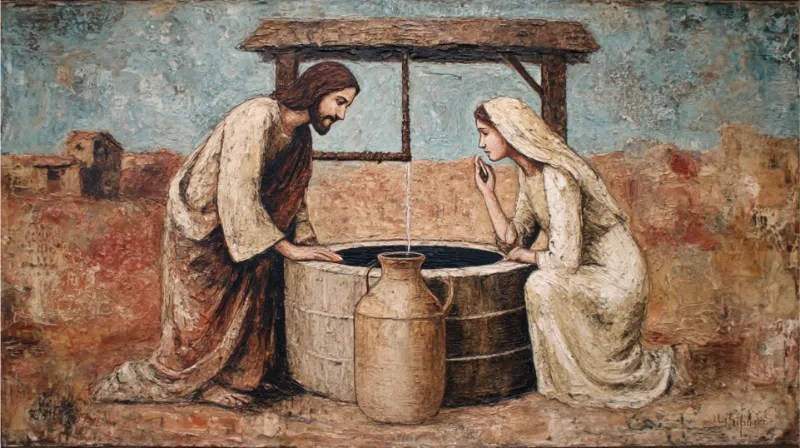
Psalm 37:5
“Commit your way to the Lord; trust in him, and he will act.”
Reflection: Psalm 37 opens with “Fret not yourself because of evildoers,” and verse 3 has already said “Trust in the Lord, and do good.” Verse 5 adds the word commit and a promise, “he will act,” and verse 7 describes what trust looks like while waiting: “Be still before the Lord and wait patiently for him.”

Psalm 62:8
“Trust in him at all times, O people; pour out your heart before him; God is a refuge for us.”
Reflection: In verse 5 David speaks to himself: “For God alone, O my soul, wait in silence.” In verse 8 he turns to the whole people and makes the same trust a command for them, joined to an instruction to pour out their hearts before God.
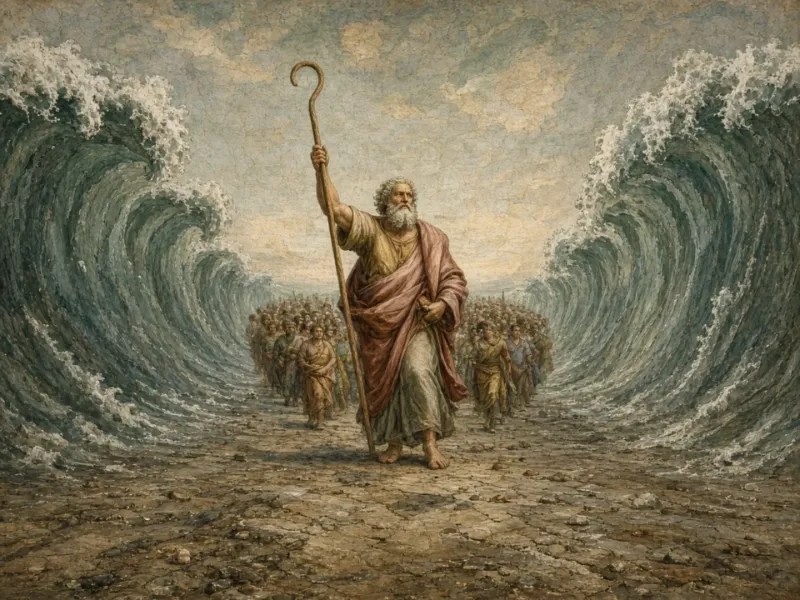
Psalm 25:4-5
“Make me to know your ways, O Lord; teach me your paths. Lead me in your truth and teach me, for you are the God of my salvation; for you I wait all the day long.”
Reflection: In verse 2 David says, “O my God, in you I trust; let me not be put to shame.” Verses 4 and 5 show what that trust asks for next: to be taught God’s ways and led in his truth. David closes the request with waiting, “for you I wait all the day long,” and verse 7 adds a plea that God not remember “the sins of my youth.”
Trusting God rather than people, strength or money

Jeremiah 17:7
“Blessed is the man who trusts in the Lord, whose trust is the Lord.”
Reflection: Two verses earlier the Lord says, “Cursed is the man who trusts in man and makes flesh his strength.” That man is “like a shrub in the desert,” while the one who trusts in the Lord is “like a tree planted by water” that “does not cease to bear fruit” (Jeremiah 17:8).
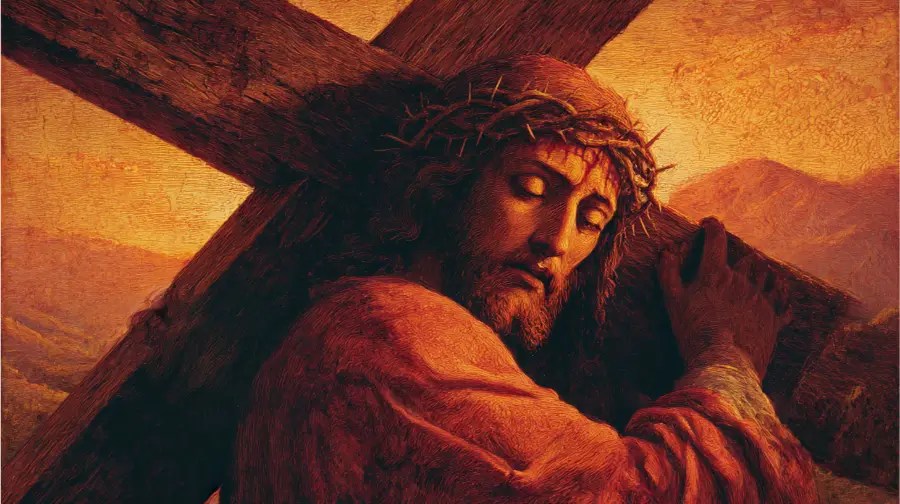
Psalm 20:7
“Some trust in chariots and some in horses, but we trust in the name of the Lord our God.”
Reflection: Psalm 20 is a prayer for the king before a day of trouble: “May the Lord answer you in the day of trouble!” The people name what others rely on and what they rely on themselves. The next verse gives the result: “They collapse and fall, but we rise and stand upright.”
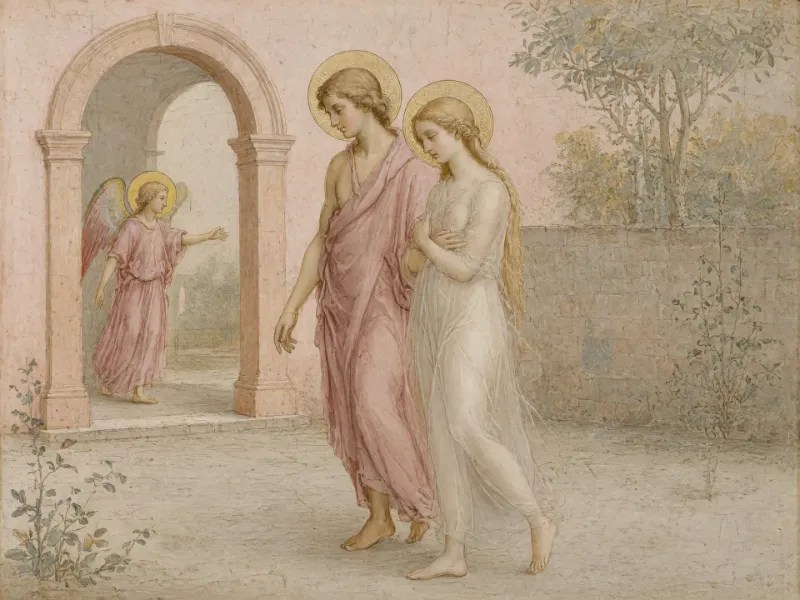
Psalm 118:8
“It is better to take refuge in the Lord than to trust in man.”
Reflection: The line is repeated in verse 9 with princes in place of man. The psalm is a thanksgiving that opens “Oh give thanks to the Lord, for he is good,” and verse 5 gives the psalmist’s own case: “Out of my distress I called on the Lord; the Lord answered me and set me free.”
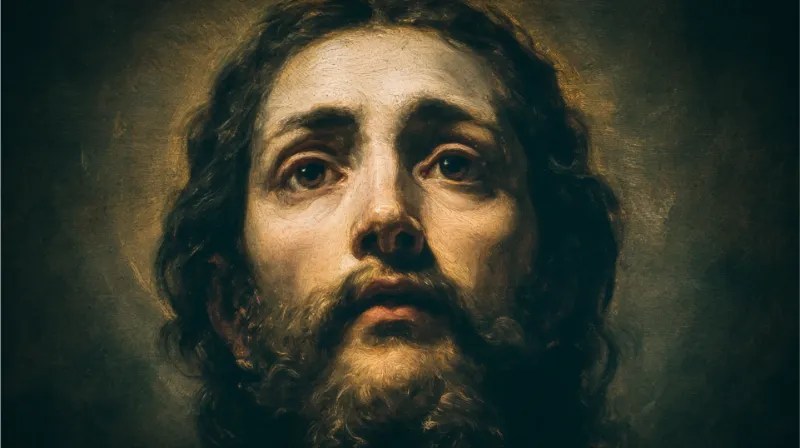
Hebrews 13:5
“Keep your life free from love of money, and be content with what you have, for he has said, ‘I will never leave you nor forsake you.’”
Reflection: The command about money comes in a list of instructions for church life, after hospitality, prisoners and marriage (Hebrews 13:1-4). Contentment is grounded in a promise, introduced with “for he has said”: the words God spoke to Israel through Moses and to Joshua, “He will not leave you or forsake you” (Deuteronomy 31:6; Joshua 1:5).

2 Corinthians 1:10
“He delivered us from such a deadly peril, and he will deliver us. On him we have set our hope that he will deliver us again.”
Reflection: Paul tells the Corinthians about an affliction in Asia so heavy that “we despaired of life itself.” He gives the purpose he saw in it in verse 9: “to make us rely not on ourselves but on God who raises the dead.” Verse 10 looks back to one rescue and forward to the next, and verse 11 gives the church a part: “You also must help us by prayer.”
Trust handed down and put to the test
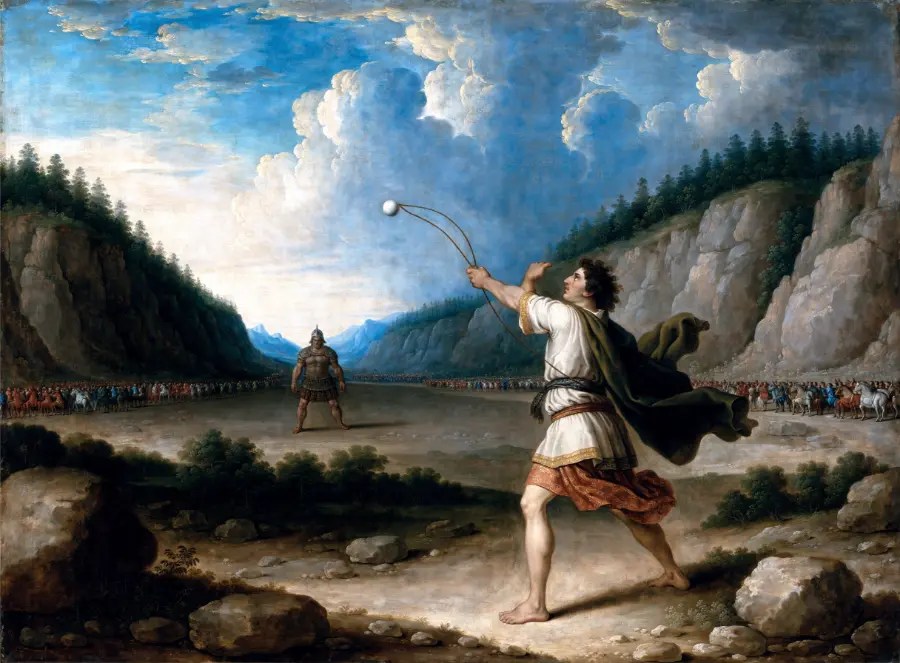
Psalm 22:4-5
“In you our fathers trusted; they trusted, and you delivered them. To you they cried and were rescued; in you they trusted and were not put to shame.”
Reflection: David opens the psalm with “My God, my God, why have you forsaken me?” and says God does not answer by day or by night. Verses 4 and 5 set against that silence the record of Israel’s ancestors, who trusted and “were not put to shame.” In verse 8 the mockers turn trust into a taunt, “He trusts in the Lord; let him deliver him,” and Matthew 27:43 records the chief priests, scribes and elders saying much the same at the cross: “He trusts in God; let God deliver him now.”
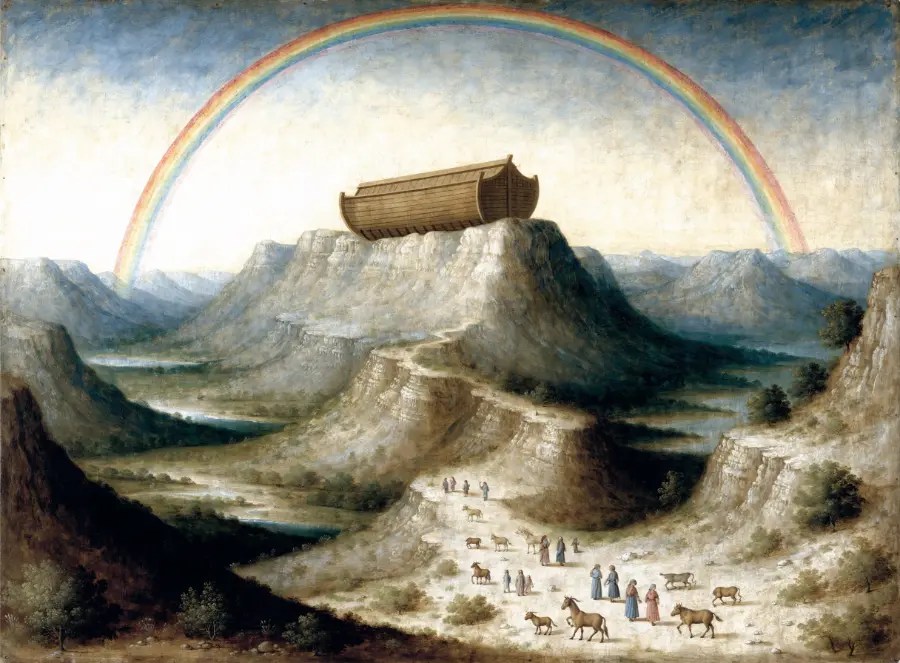
Psalm 9:10
“And those who know your name put their trust in you, for you, O Lord, have not forsaken those who seek you.”
Reflection: The verse before it calls the Lord “a stronghold for the oppressed, a stronghold in times of trouble.” Trust in this psalm rests on knowing God’s name and on what he has done: “you, O Lord, have not forsaken those who seek you.”

Psalm 13:5
“But I have trusted in your steadfast love; my heart shall rejoice in your salvation.”
Reflection: The psalm opens with four questions that begin “How long,” including “Will you forget me forever?” Nothing in the psalm records an answer before verse 5, where David says he has trusted in God’s steadfast love and will rejoice in his salvation. The closing verse gives his reason: “he has dealt bountifully with me.”

Daniel 3:28
“Nebuchadnezzar answered and said, ‘Blessed be the God of Shadrach, Meshach, and Abednego, who has sent his angel and delivered his servants, who trusted in him, and set aside the king’s command, and yielded up their bodies rather than serve and worship any god except their own God.’”
Reflection: Nebuchadnezzar says these words after Shadrach, Meshach and Abednego come out of the furnace unharmed. The king describes their trust by what they did: they “set aside the king’s command” and “yielded up their bodies” rather than worship another god. Before the furnace they had told him, “our God whom we serve is able to deliver us” (Daniel 3:17).
Why God can be trusted
Numbers 23:19
“God is not man, that he should lie, or a son of man, that he should change his mind. Has he said, and will he not do it? Or has he spoken, and will he not fulfill it?”
Reflection: The speaker is Balaam, a prophet hired by Balak king of Moab to curse Israel (Numbers 22:4-6). He tells Balak that God cannot be talked into changing a blessing: “Behold, I received a command to bless: he has blessed, and I cannot revoke it.” The verse grounds God’s reliability in what he is: he is not a man, so he does not lie or change his mind.
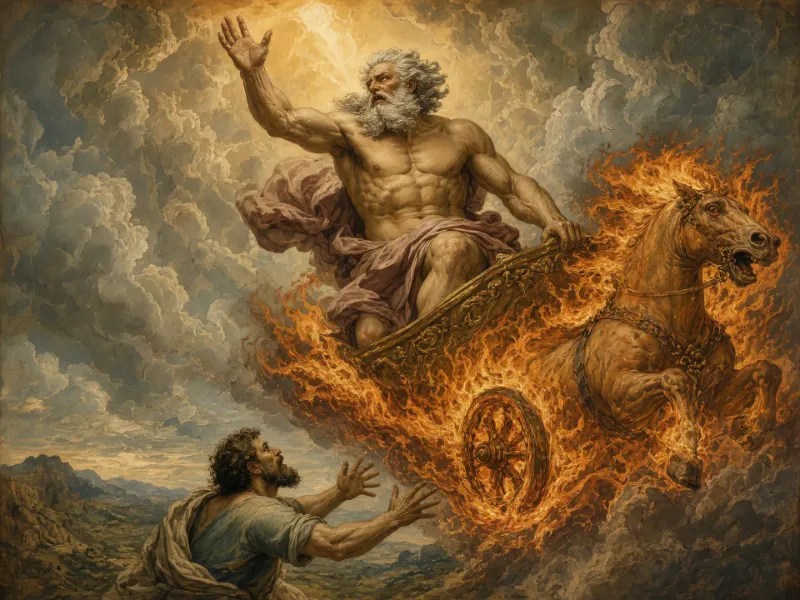
Deuteronomy 7:9
“Know therefore that the Lord your God is God, the faithful God who keeps covenant and steadfast love with those who love him and keep his commandments, to a thousand generations.”
Reflection: Moses reminds Israel that God did not choose them for their numbers, “for you were the fewest of all peoples,” but because he loved them and kept “the oath that he swore to your fathers.” The exodus from Egypt is his evidence, and “a thousand generations” is the reach of the covenant he keeps.
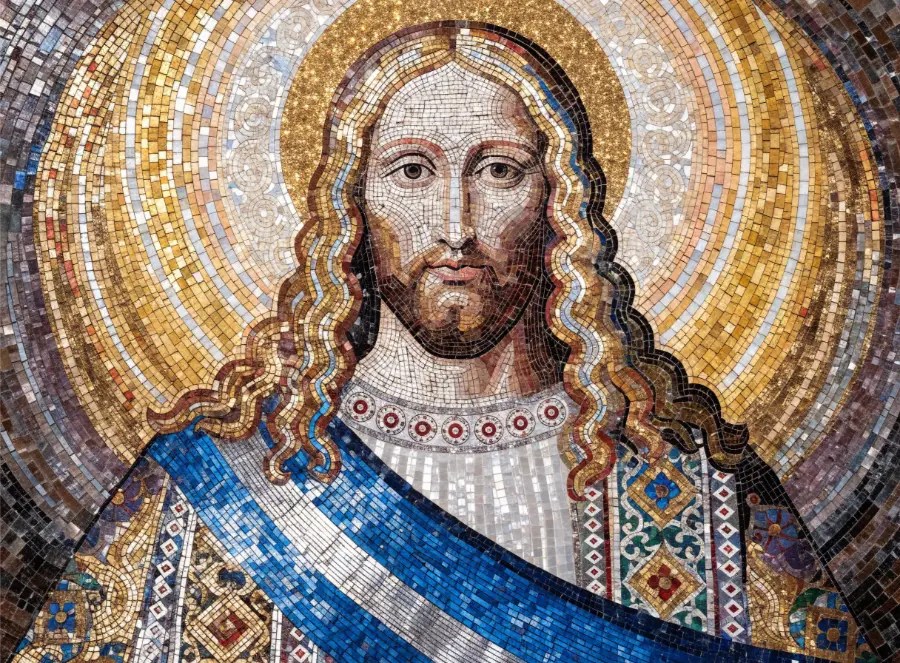
Lamentations 3:22-23
“The steadfast love of the Lord never ceases; his mercies never come to an end; they are new every morning; great is your faithfulness.”
Reflection: The speaker begins the chapter with “I am the man who has seen affliction under the rod of his wrath.” In verse 21 he turns: “But this I call to mind, and therefore I have hope.” What he calls to mind is the steadfast love of the Lord, and verse 24 draws the conclusion: “The Lord is my portion… therefore I will hope in him.”
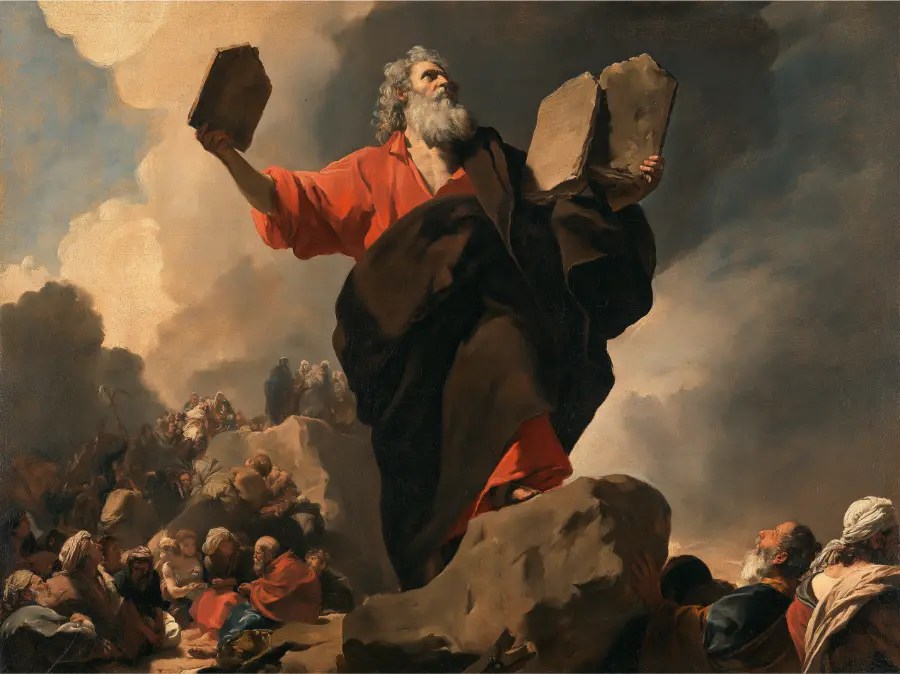
2 Timothy 2:13
“If we are faithless, he remains faithful—for he cannot deny himself.”
Reflection: Paul writes from chains (2 Timothy 2:9), quoting a saying he calls trustworthy. Its lines pair what people do with what follows, and the last line breaks the pattern: faithlessness does not end God’s faithfulness, “for he cannot deny himself.” The previous line, “if we deny him, he also will deny us,” stands beside it, and the saying leaves both in place.

Hebrews 10:23
“Let us hold fast the confession of our hope without wavering, for he who promised is faithful.”
Reflection: The writer has just said that believers can “draw near with a true heart in full assurance of faith” because of what Jesus opened for them. The reason given for holding fast is God’s faithfulness: “he who promised is faithful.” The next verses turn that hope toward meeting together and encouraging one another.
Trusting when the outcome is not known
Shadrach, Meshach and Abednego tell Nebuchadnezzar that God is able to deliver them, and then add, “But if not, be it known to you, O king, that we will not serve your gods” (Daniel 3:18). They give this answer before they are thrown into the furnace.
Psalm 13 and Psalm 22 begin with God silent or absent to the speaker. Psalm 13:5 states trust before any answer is recorded, and Psalm 22:4-5 leans on what God did for earlier generations while the speaker’s own cry is still unanswered.


Leave a Reply