
 English
 Chinese
 Dutch
 Arabic
 Spanish
 Portuguese
 Russian
 French
 Italian
 German
 Japanese
In the Bible, truth belongs first to God and his word, and then to the way his people speak and love. God “is not human, that he should lie” (Numbers 23:19), Jesus prays “your word is truth” (John 17:17), and he calls himself “the truth” (John 14:6).
The letters ask the same of believers: to “speak truthfully to your neighbor” (Ephesians 4:25) and to love “with actions and in truth” (1 John 3:18). In several of the Old Testament verses below, the Hebrew noun for truth is emet, which comes from the verb aman and can also mean firmness or faithfulness.
God is true in his promises and his judgments
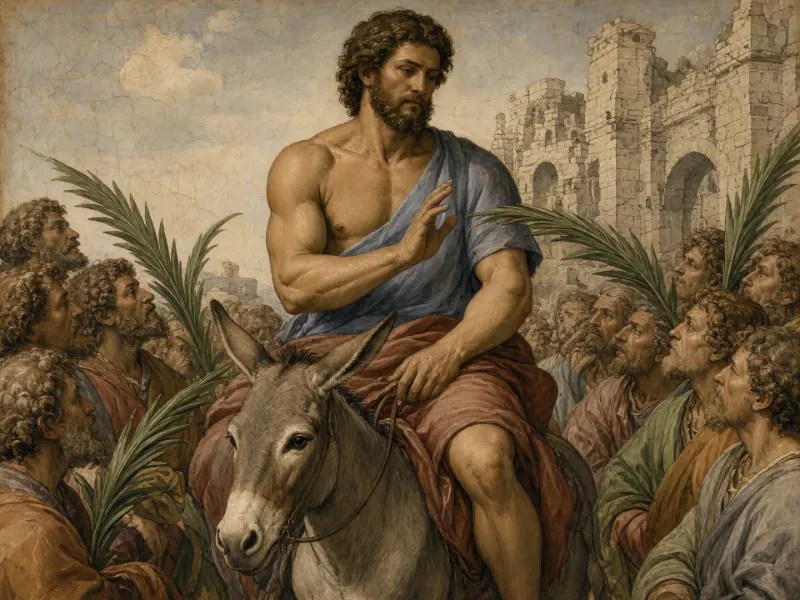
Numbers 23:19
“God is not human, that he should lie, not a human being, that he should change his mind. Does he speak and then not act? Does he promise and not fulfill?”
Reflection: Balaam speaks these words to Balak, the king of Moab, who had brought him to curse Israel (Numbers 23:7). After the first message Balak complained that Balaam had done nothing but bless Israel (verse 11). This second message tells him God does not change what he has said: “I have received a command to bless; he has blessed, and I cannot change it” (verse 20).
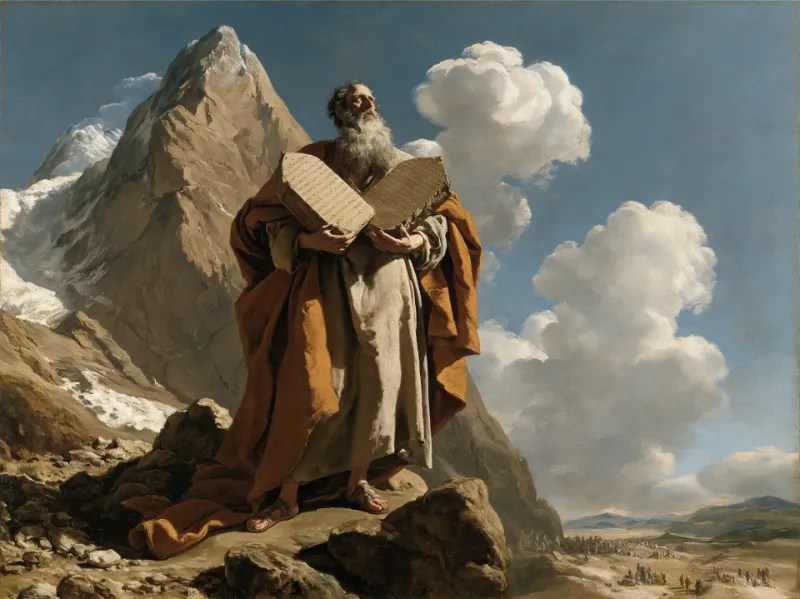
Hebrews 6:18
“God did this so that, by two unchangeable things in which it is impossible for God to lie, we who have fled to take hold of the hope set before us may be greatly encouraged.”
Reflection: The two unchangeable things are the promise God made to Abraham and the oath he swore by himself to confirm it, both described in verses 13-17. Because no one was greater, God swore by himself, and the writer says it is impossible for God to lie in either one. The hope set before believers rests on that promise.
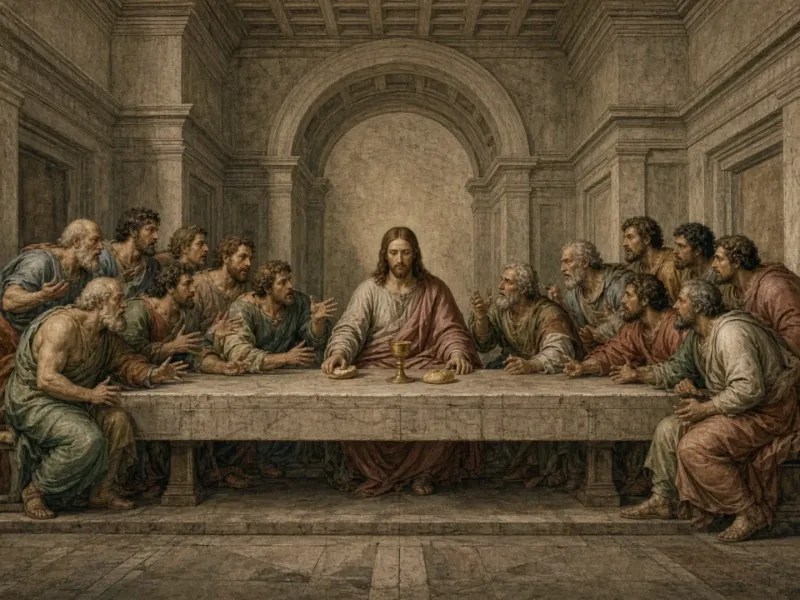
Romans 2:2
“Now we know that God’s judgment against those who do such things is based on truth.”
Reflection: Paul turns here to the person who condemns others while doing the same things. “Such things” points back to the list at the end of Romans 1, which includes “deceit” among its sins (Romans 1:29). God’s judgment, Paul says, rests on what is true, and the next verse asks whether the one who judges others expects to escape it.
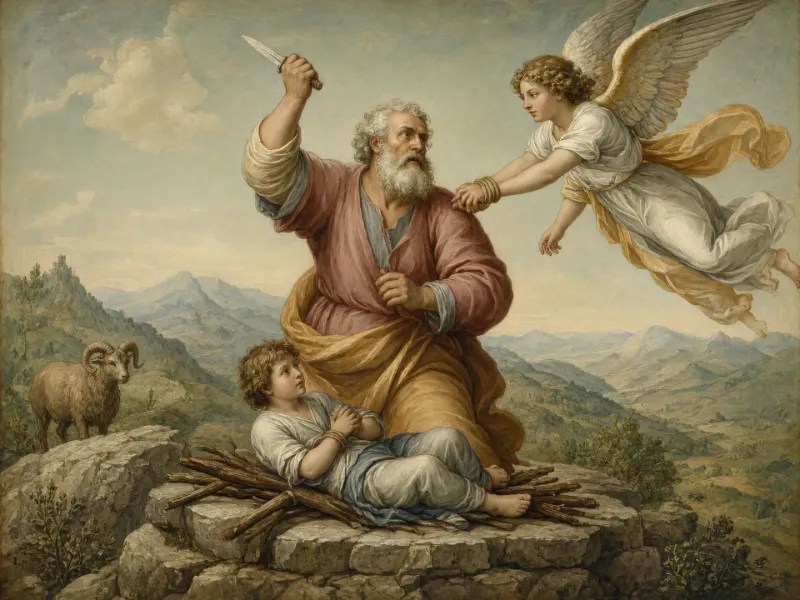
Psalm 96:13
“Let all creation rejoice before the Lord, for he comes, he comes to judge the earth. He will judge the world in righteousness and the peoples in his faithfulness.”
Reflection: The psalmist calls on the sea, the fields and the trees to rejoice because the Lord is coming to judge the earth. Verse 10 gives the nations a reason to welcome his judgment: “he will judge the peoples with equity.”
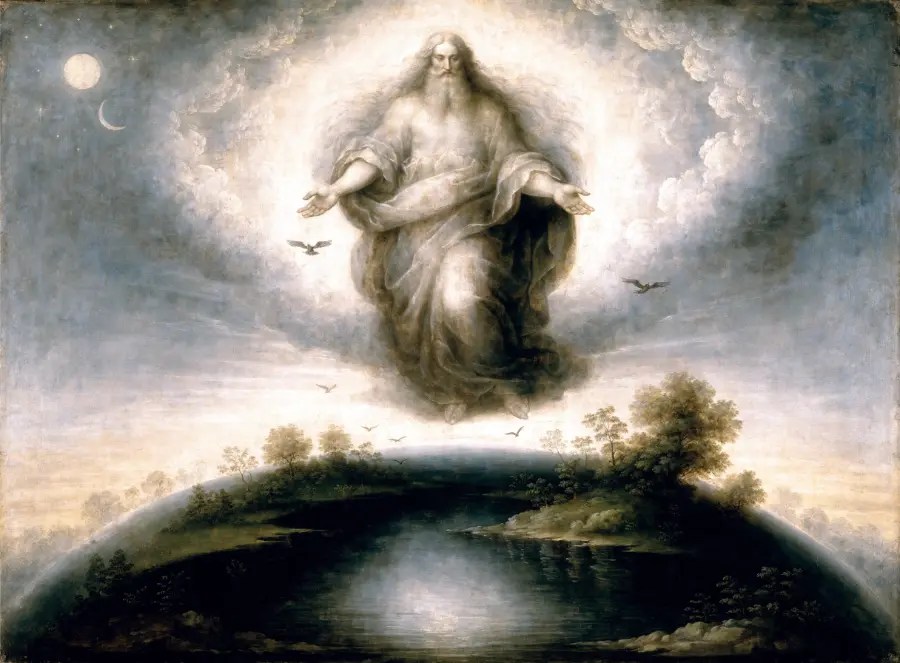
Revelation 19:11
“I saw heaven standing open and there before me was a white horse, whose rider is called Faithful and True. With justice he judges and wages war.”
Reflection: John sees heaven open and a rider on a white horse whose name is Faithful and True. Two verses later his name is also “the Word of God” (verse 13). The chapter opens with a crowd in heaven praising God because “true and just are his judgments” (verse 2), and here the rider judges “with justice.”
God’s word is true
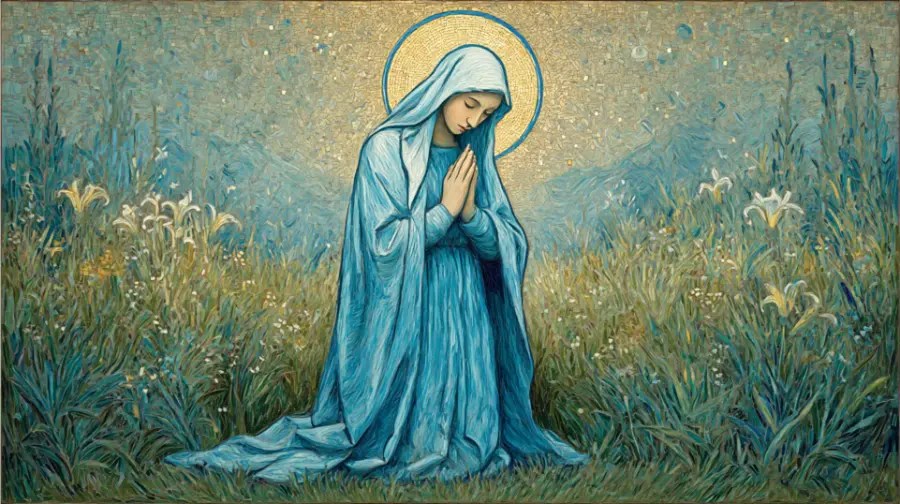
Psalm 33:4
“For the word of the Lord is right and true; he is faithful in all he does.”
Reflection: The psalm calls on the righteous to praise God, and this verse gives the reason: his word is right and true, and he is faithful in what he does. Two verses later the same word is the one that made the world: “By the word of the Lord the heavens were made” (verse 6).

Psalm 119:160
“All your words are true; all your righteous laws are eternal.”
Reflection: Psalm 119 is a long meditation on God’s law, and this verse sums up its view of that law: every word is true and every ruling lasts. The verse before it is a prayer from someone who loves God’s precepts and asks to be kept alive “in accordance with your love.”
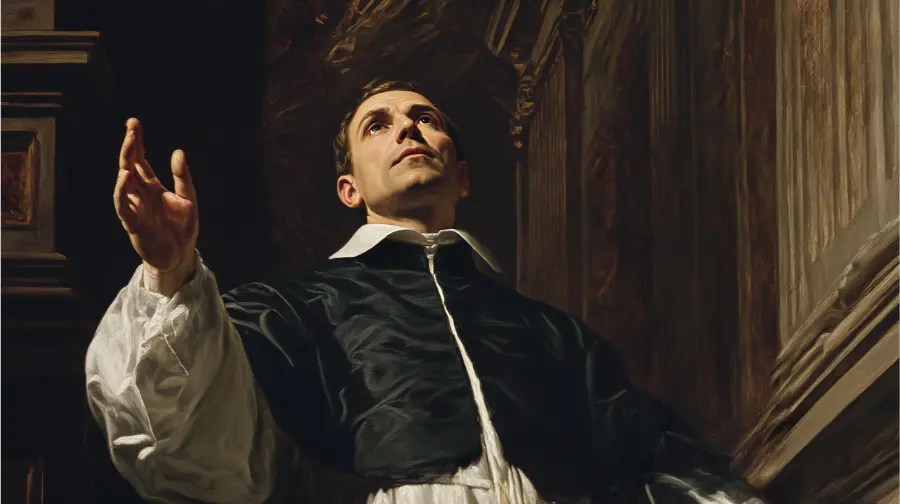
Proverbs 30:5
“Every word of God is flawless; he is a shield to those who take refuge in him.”
Reflection: These are among the sayings of Agur son of Jakeh (Proverbs 30:1). He calls God’s words flawless, and the next verse warns against adding to them: “Do not add to his words, or he will rebuke you and prove you a liar.” To add to what God has said is treated as a lie.
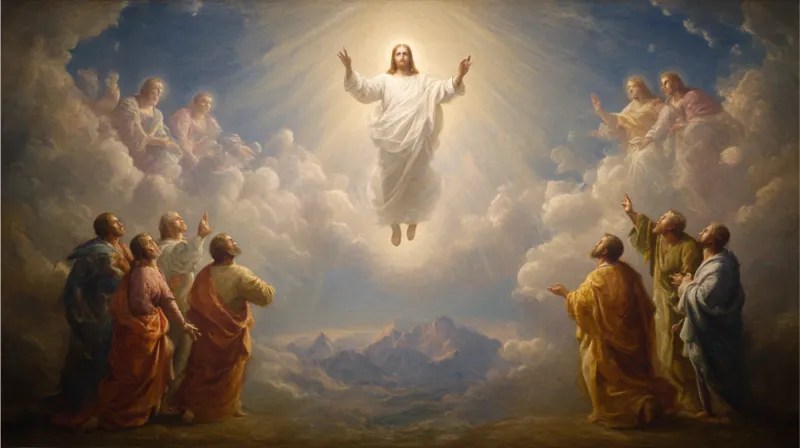
John 17:17
“Sanctify them by the truth; your word is truth.”
Reflection: Jesus prays this for his disciples on the night of his arrest. To sanctify is to set apart for God, and Jesus asks that the means be the truth, which he identifies with God’s word. Jesus goes straight on to send them: “As you sent me into the world, I have sent them into the world.”
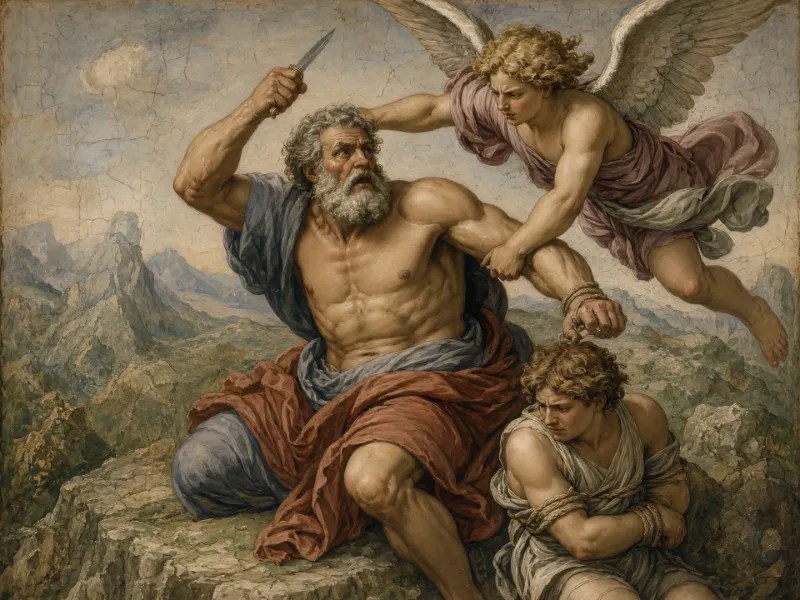
James 1:18
“He chose to give us birth through the word of truth, that we might be a kind of firstfruits of all he created.”
Reflection: James has just warned, “Don’t be deceived” (verse 16), and described God as the Father “who does not change like shifting shadows” (verse 17). Here he says God gave believers new birth through “the word of truth,” making them firstfruits, the first part of a harvest that belongs to God.
Jesus and the Spirit of truth
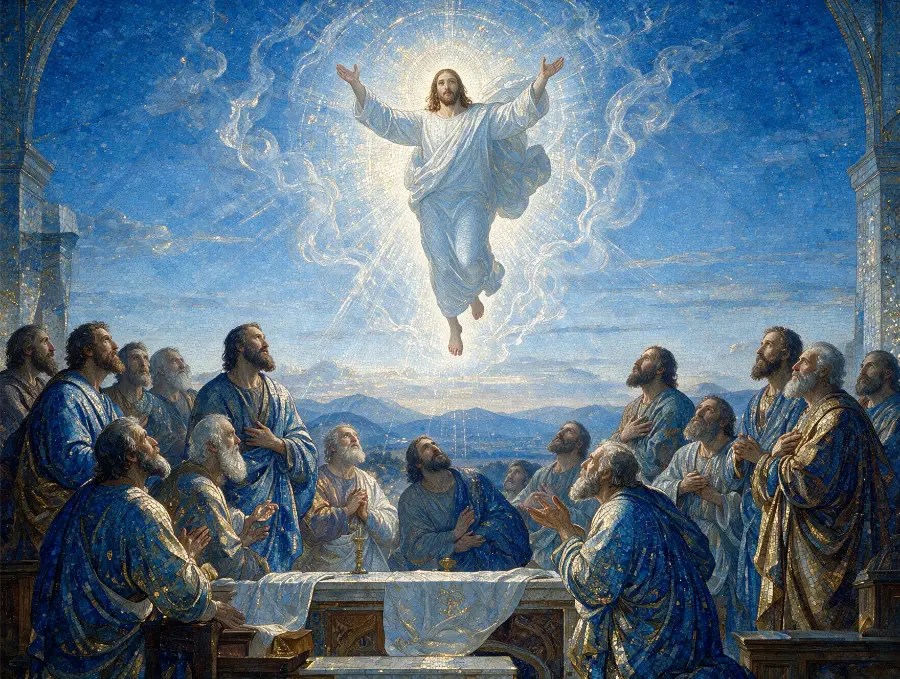
John 14:6
“Jesus answered, ‘I am the way and the truth and the life. No one comes to the Father except through me.’”
Reflection: Thomas had just said the disciples did not know where Jesus was going or the way there. Jesus answers that he is himself the way, the truth and the life, and that knowing him means knowing the Father (verse 7). Earlier in the same Gospel he is described as “full of grace and truth” (John 1:14).
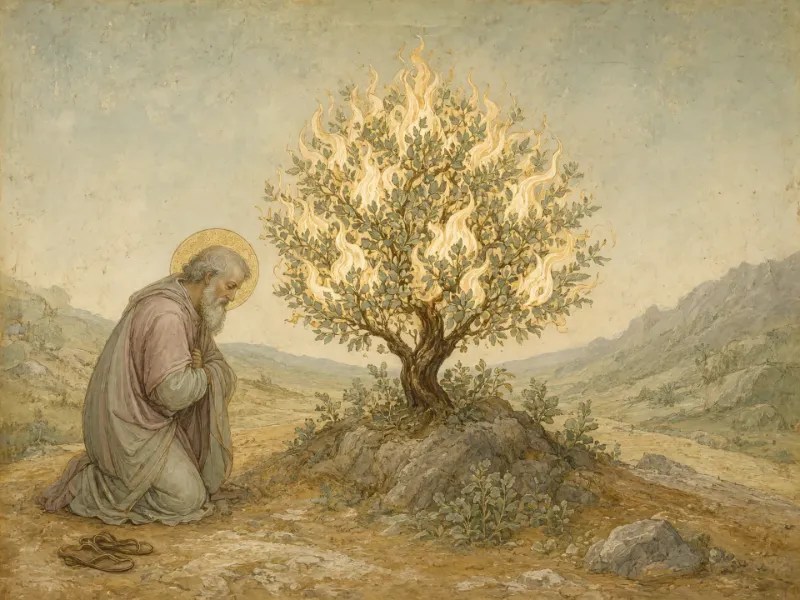
John 8:32
“Then you will know the truth, and the truth will set you free.”
Reflection: Jesus is speaking to Jews who had believed him, and the promise has a condition in the verse before: “If you hold to my teaching, you are really my disciples.” His hearers answer that they have never been slaves, and he explains the slavery he means: “everyone who sins is a slave to sin” (verse 34). The passage ends, “if the Son sets you free, you will be free indeed” (verse 36).

John 18:37
“‘You are a king, then!’ said Pilate. Jesus answered, ‘You say that I am a king. In fact, the reason I was born and came into the world is to testify to the truth. Everyone on the side of truth listens to me.’”
Reflection: Pilate is questioning Jesus about whether he is a king. Jesus says he came into the world to testify to the truth. Pilate’s reply, “What is truth?”, comes in the next verse, and he then goes out to say he finds no basis for a charge against Jesus.
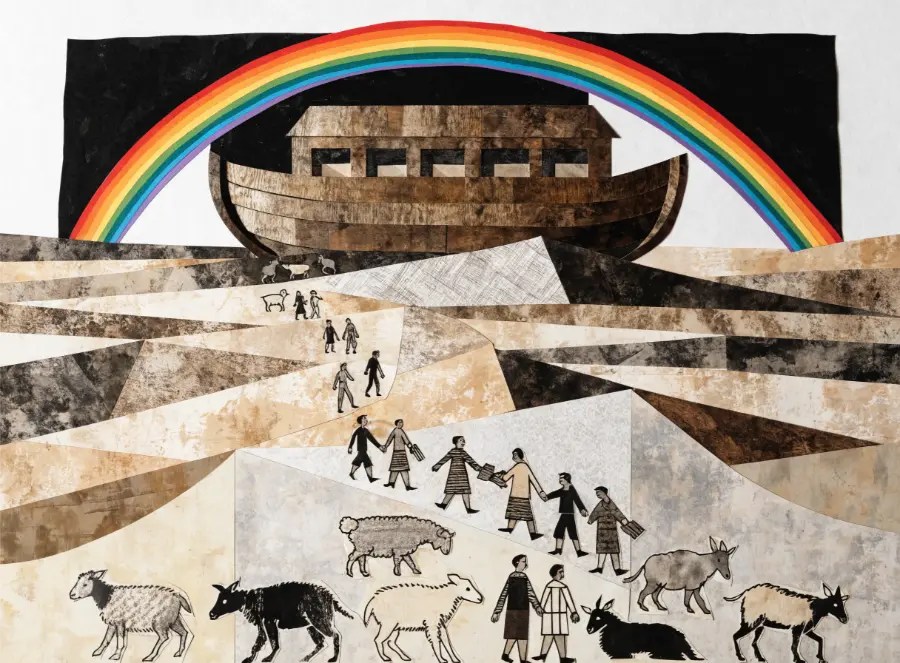
John 16:13
“But when he, the Spirit of truth, comes, he will guide you into all the truth. He will not speak on his own; he will speak only what he hears, and he will tell you what is yet to come.”
Reflection: Jesus promises the Spirit on the night before his death, after telling the disciples he has more to say “than you can now bear” (verse 12). The Spirit will not speak on his own but will pass on what he hears, and verse 14 says he will glorify Jesus by making known what he receives from him.
Truth in worship and prayer
John 4:24
“God is spirit, and his worshipers must worship in the Spirit and in truth.”
Reflection: A Samaritan woman had raised the question of where God should be worshiped, on her people’s mountain or in Jerusalem (verse 20). Jesus answers that the place will no longer be the question, because the Father seeks those who worship “in the Spirit and in truth” (verse 23). The NIV capitalizes Spirit and reads it as the Holy Spirit; the ESV prints “in spirit and truth,” leaving open whether the human spirit is meant.
Psalm 25:5
“Guide me in your truth and teach me, for you are God my Savior, and my hope is in you all day long.”
Reflection: In this psalm of David, the request to be guided in God’s truth follows “Show me your ways, Lord, teach me your paths” (verse 4). The psalmist asks to be taught while he waits on God “all day long.”

Psalm 145:18
“The Lord is near to all who call on him, to all who call on him in truth.”
Reflection: The verse before calls the Lord “righteous in all his ways and faithful in all he does.” The next verse says he fulfills the desires of “those who fear him” and “hears their cry and saves them.”
Speaking the truth
Zechariah 8:16
“These are the things you are to do: Speak the truth to each other, and render true and sound judgment in your courts.”
Reflection: God has just said he has “determined to do good again to Jerusalem and Judah” (verse 15), and this is what he asks of the people: truthful speech between neighbours and honest verdicts in court. The next verse adds that they are not to “love to swear falsely,” and verse 19 sums it up: “love truth and peace.”
Ephesians 4:25
“Therefore each of you must put off falsehood and speak truthfully to your neighbor, for we are all members of one body.”
Reflection: Paul has just described putting off the old self, “corrupted by its deceitful desires” (verse 22), and putting on a new self “created to be like God in true righteousness and holiness” (verse 24). The words “speak truthfully to your neighbor” echo Zechariah 8:16. The reason Paul gives is that believers are members of one body.

Colossians 3:9-10
“Do not lie to each other, since you have taken off your old self with its practices and have put on the new self, which is being renewed in knowledge in the image of its Creator.”
Reflection: Colossians gives the same command as Ephesians 4:25. The ban on lying follows a list of what to rid oneself of, “anger, rage, malice, slander, and filthy language” (verse 8), and rests on the old self having been taken off and a new self put on, renewed “in the image of its Creator.”
2 Corinthians 4:2
“Rather, we have renounced secret and shameful ways; we do not use deception, nor do we distort the word of God. On the contrary, by setting forth the truth plainly we commend ourselves to everyone’s conscience in the sight of God.”
Reflection: Paul is describing how he carries out his ministry. He says he has given up deception and distortion and relies on setting out the truth plainly before each person’s conscience. The next verses explain why some still do not see it: “The god of this age has blinded the minds of unbelievers” (verse 4).
Living in the truth

1 John 3:18
“Dear children, let us not love with words or speech but with actions and in truth.”
Reflection: John has just said that anyone who has possessions, sees a brother or sister in need and has no pity cannot claim the love of God (verse 17). Love “in truth” is love that acts, and the next verse says acting that way is “how we know that we belong to the truth.”
1 Corinthians 13:6
“Love does not delight in evil but rejoices with the truth.”
Reflection: Paul’s description of love includes what love takes pleasure in. It does not delight in evil, and it rejoices with the truth. The verse sits between “it keeps no record of wrongs” (verse 5) and “It always protects, always trusts, always hopes, always perseveres” (verse 7).

1 Peter 1:22
“Now that you have purified yourselves by obeying the truth so that you have sincere love for each other, love one another deeply, from the heart.”
Reflection: Peter links obeying the truth with sincere love for other believers, and then asks for that love to go deeper. The verses after it say believers have been born again “through the living and enduring word of God” (verse 23) and quote Isaiah 40: “the word of the Lord endures forever.”

3 John 1:4
“I have no greater joy than to hear that my children are walking in the truth.”
Reflection: The elder writes to his friend Gaius, “whom I love in the truth” (verse 1). Other believers had reported Gaius’s “faithfulness to the truth” and how he continued to walk in it (verse 3). The elder says no news gives him more joy than that.
Ephesians 6:14
“Stand firm then, with the belt of truth buckled around your waist, with the breastplate of righteousness in place.”
Reflection: The belt of truth is the first piece named in the armor of God, followed by the breastplate of righteousness, the shoes of the gospel of peace, the shield of faith, the helmet of salvation and “the sword of the Spirit, which is the word of God” (verses 14-17). The armor is for standing firm “when the day of evil comes” (verse 13).


Leave a Reply