
 English
 Chinese
 Dutch
 Arabic
 Spanish
 Portuguese
 Russian
 French
 Italian
 German
 Japanese
In the Bible, victory belongs to God, and his people share in it rather than win it by their own strength. A priest tells Israel’s army that the Lord goes with them “to give you victory” (Deuteronomy 20:4), and “victory rests with the Lord” (Proverbs 21:31).
The New Testament places the deciding victory at the cross and the empty tomb (Colossians 2:15; 1 Corinthians 15:55-57) and calls believers people who overcome the world through faith in Christ (1 John 5:4). In John, 1 John and Revelation, overcome and victorious translate the Greek verb nikao, to conquer or prevail. Jesus uses it of himself in John 16:33, and Revelation 3:21 promises the one who overcomes a share in his throne. Paul uses the same verb for a different kind of fight in Romans 12:21: “overcome evil with good.”
Victory in Israel’s battles comes from the Lord

Exodus 15:2
“The Lord is my strength and my defense; he has become my salvation. He is my God, and I will praise him, my father’s God, and I will exalt him.”
Reflection: Moses and the Israelites sing this after crossing the sea, and the verse before it gives the reason: “Both horse and driver he has hurled into the sea.” The song goes on to call the Lord “a warrior” (15:3). Before the crossing Moses had told the people, “The Lord will fight for you; you need only to be still” (14:14), and the song gives the victory entirely to him. Psalm 118:14 later repeats this verse’s first line word for word.
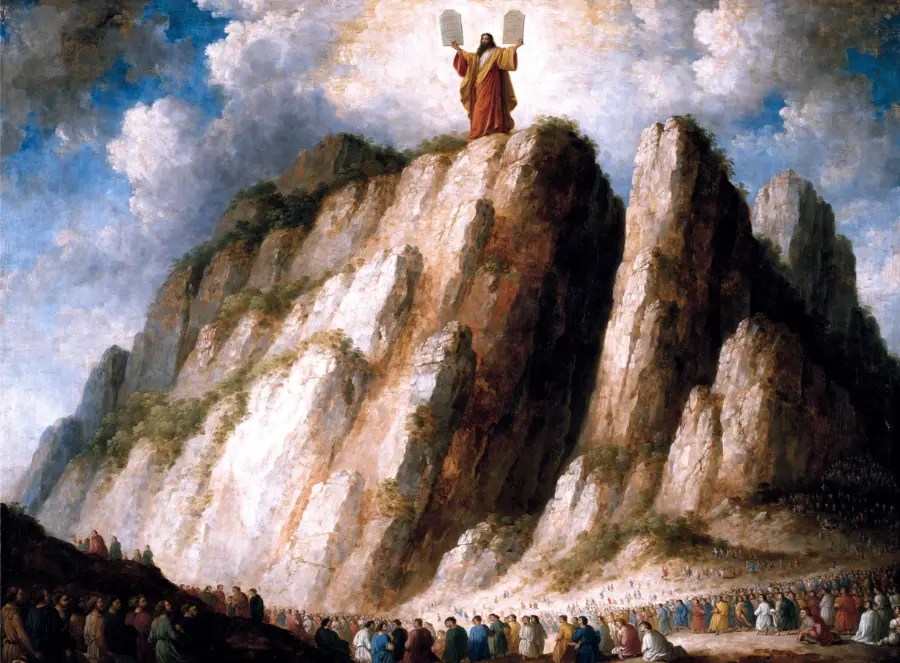
Deuteronomy 20:4
“For the Lord your God is the one who goes with you to fight for you against your enemies to give you victory.”
Reflection: This is the end of the speech a priest was to give the army before a battle (20:2-3), addressed to soldiers who might see “horses and chariots and an army greater than yours” (20:1). Victory is credited to the Lord who goes out with them. The officers then send home the man with a new house, an unharvested vineyard or a fiancée, and anyone who is afraid (20:5-8).
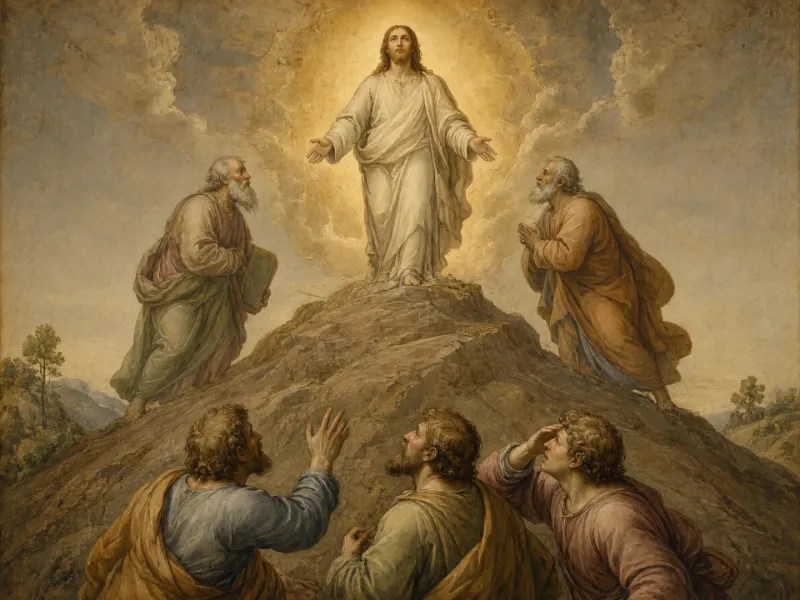
Proverbs 21:31
“The horse is made ready for the day of battle, but victory rests with the Lord.”
Reflection: The proverb grants that the horse must be made ready; preparation is expected. The outcome, though, is placed with the Lord, and the verse before it says the same about human planning: “There is no wisdom, no insight, no plan that can succeed against the Lord” (21:30).
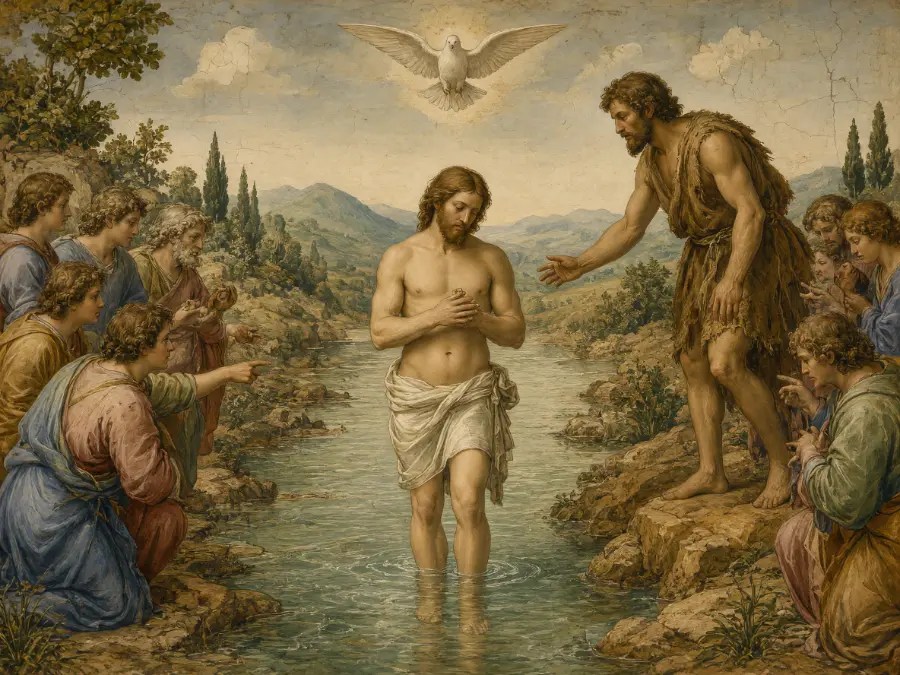
Psalm 60:12
“With God we will gain the victory, and he will trample down our enemies.”
Reflection: The psalm opens with a defeat: “You have rejected us, God, and burst upon us” (60:1), and verse 10 asks whether God has stopped going out with Israel’s armies. The closing line answers the plea of verse 11: “Give us aid against the enemy, for human help is worthless.” Psalm 108:12-13 repeats both lines word for word.
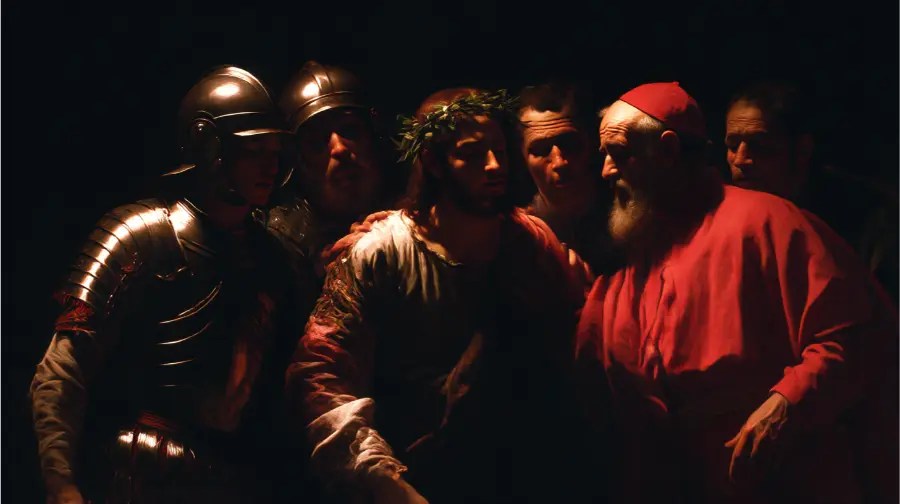
Psalm 18:35
“You make your saving help my shield, and your right hand sustains me; your help has made me great.”
Reflection: David sang this psalm “when the Lord delivered him from the hand of all his enemies and from the hand of Saul,” as 2 Samuel 22:1 introduces the same song. The surrounding verses credit God with every part of the fight: he arms David with strength (18:32) and trains his hands for battle (18:34). The last clause, “your help has made me great,” gives the credit for David’s rise to God.
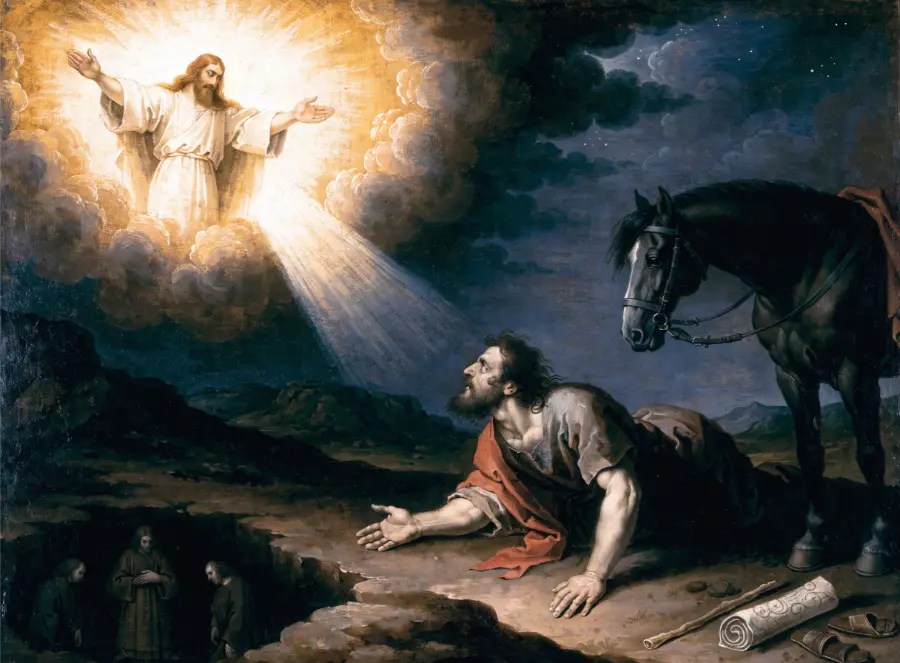
Psalm 118:15-16
“Shouts of joy and victory resound in the tents of the righteous: ‘The Lord’s right hand has done mighty things! The Lord’s right hand is lifted high; the Lord’s right hand has done mighty things!’”
Reflection: The celebration in the tents follows a rescue the psalmist describes in the previous verses, and verse 14 borrows the song of Exodus 15:2. Three times the shout names “the Lord’s right hand,” the same image Moses used at the sea (Exodus 15:6). The next line says what the victory meant for the speaker: “I will not die but live” (118:17).
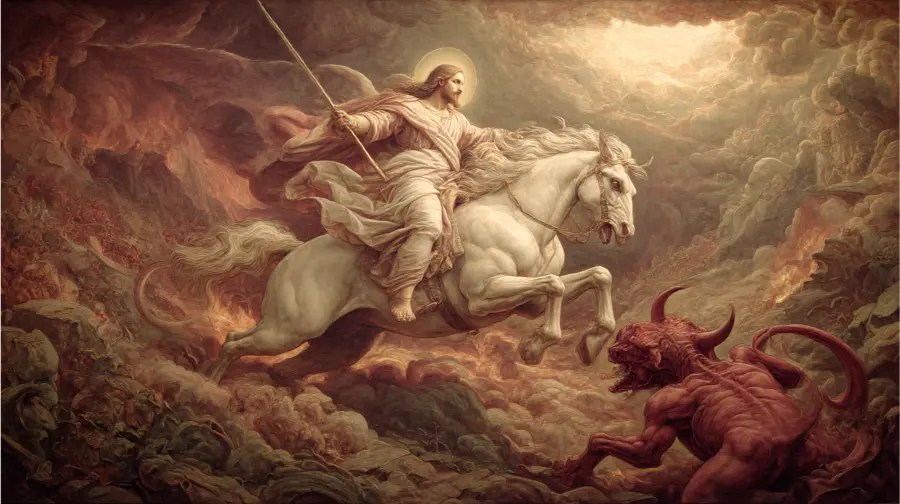
Isaiah 54:17
“No weapon forged against you will prevail, and you will refute every tongue that accuses you. This is the heritage of the servants of the Lord, and this is their vindication from me,” declares the Lord.”
Reflection: The promise is made to Jerusalem, called an “afflicted city, lashed by storms” (54:11), whom God has sworn not to be angry with again (54:9). Verse 16 explains why no weapon will prevail: God made the blacksmith who forges it. The victory here is vindication, being proved right against accusers, and the verse calls it “the heritage of the servants of the Lord.”
Christ’s victory over sin, death and the powers
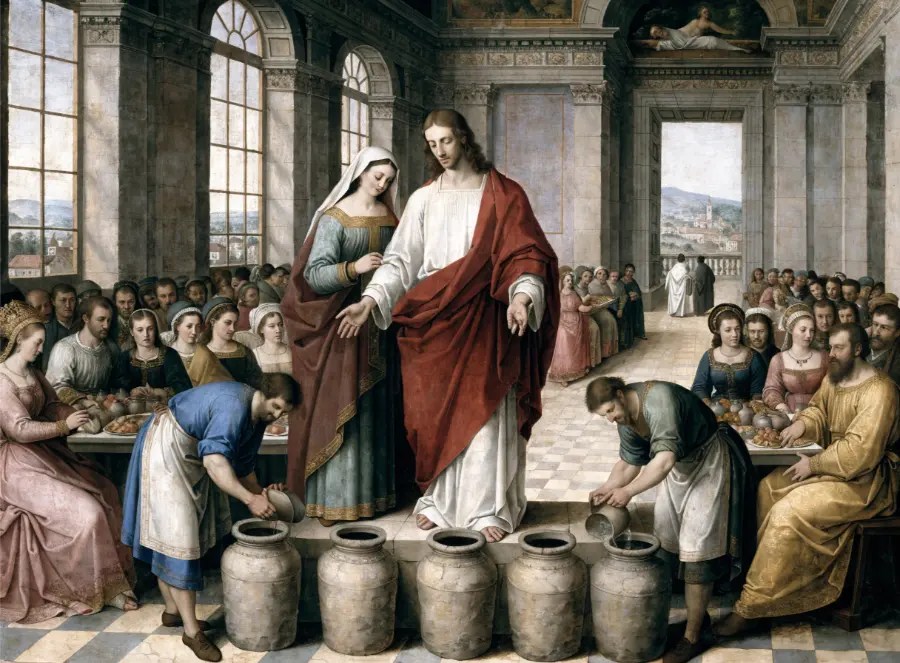
John 16:33
“I have told you these things, so that in me you may have peace. In this world you will have trouble. But take heart! I have overcome the world.”
Reflection: Jesus says this on the night before his death, right after telling the disciples they will scatter and leave him alone (16:32). He does not promise them an easy time; he promises trouble. The victory he claims, “I have overcome the world,” is spoken in the past tense before the cross, as though already settled.
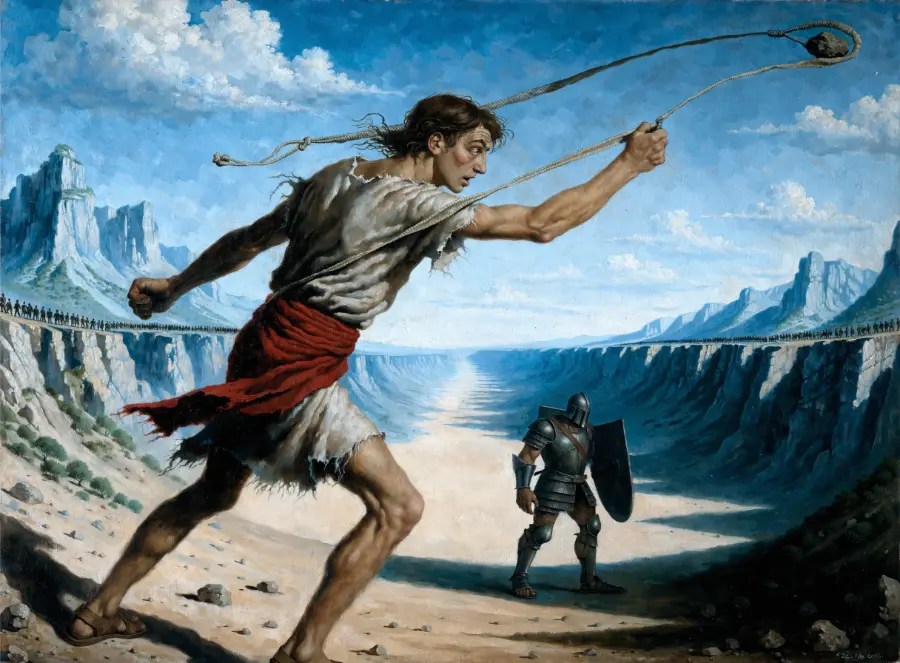
Colossians 2:15
“And having disarmed the powers and authorities, he made a public spectacle of them, triumphing over them by the cross.”
Reflection: The verb translated triumphing, thriambeuo, means to lead in a triumphal procession, the parade in which a victor put his captives on display. The verses before it say what was defeated: the “charge of our legal indebtedness” was cancelled and nailed to the cross (2:14). The cross, which looked like Jesus’ defeat, is described as the place where the powers were disarmed and put on show.

1 Corinthians 15:55-57
“Where, O death, is your victory? Where, O death, is your sting? The sting of death is sin, and the power of sin is the law. But thanks be to God! He gives us the victory through our Lord Jesus Christ.”
Reflection: These lines close Paul’s long chapter on the resurrection. He has just quoted Isaiah 25:8, “Death has been swallowed up in victory” (15:54), and then taunts death with words that echo Hosea 13:14. Verse 56 explains the sting: death has its power through sin, and sin through the law. The chapter then ends with a practical instruction: “stand firm,” because “your labor in the Lord is not in vain” (15:58).
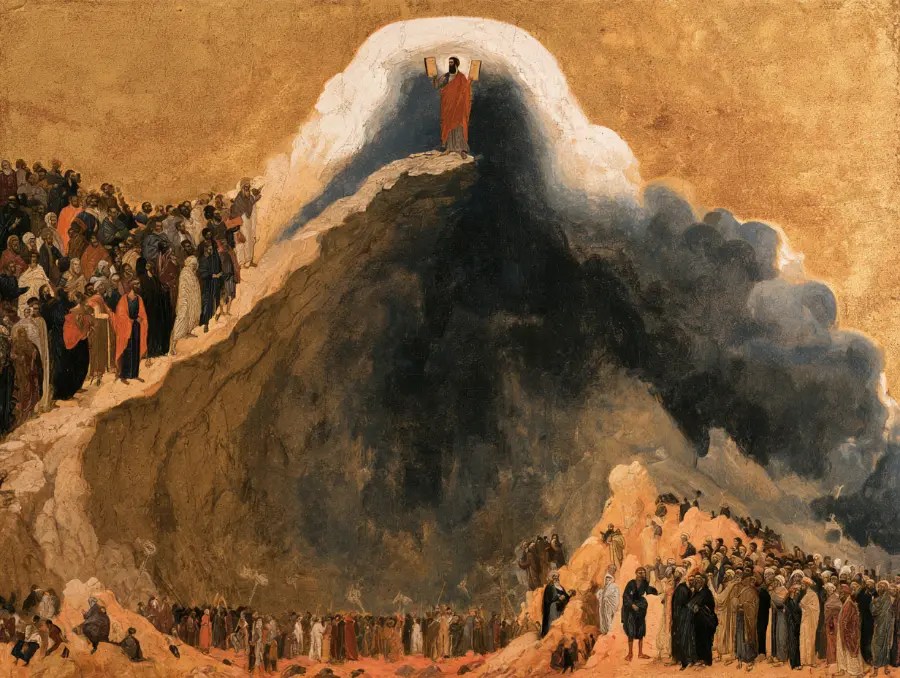
Revelation 12:11
“They triumphed over him by the blood of the Lamb and by the word of their testimony; they did not love their lives so much as to shrink from death.”
Reflection: A voice in heaven says this after the dragon, “that ancient serpent called the devil, or Satan,” is hurled down (12:9). The victory has three parts: the Lamb’s blood, the believers’ testimony, and their willingness to die. Futurist interpreters place this war in heaven at the end of history, while idealist interpreters read it as a picture of what the cross achieved; either way the verse ties the believers’ triumph to the Lamb.
The believer who overcomes
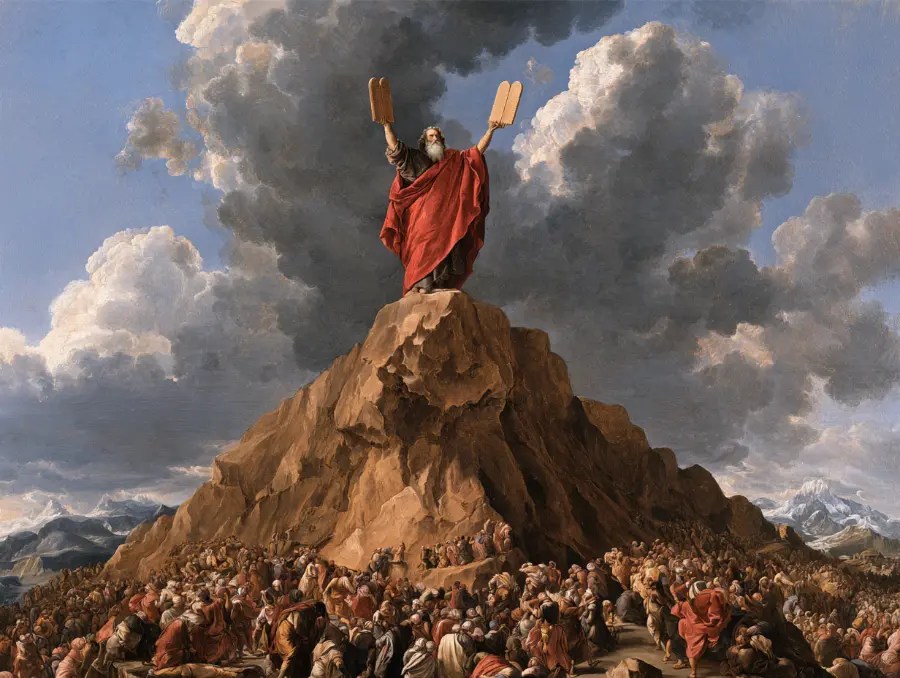
1 John 5:4
“For everyone born of God overcomes the world. This is the victory that has overcome the world, even our faith.”
Reflection: John has just said that God’s commands “are not burdensome” (5:3), and this verse gives the reason: the one born of God overcomes the world. The next verse defines who that is: “Only the one who believes that Jesus is the Son of God.” The Greek noun for victory here, nike, appears nowhere else in the New Testament.
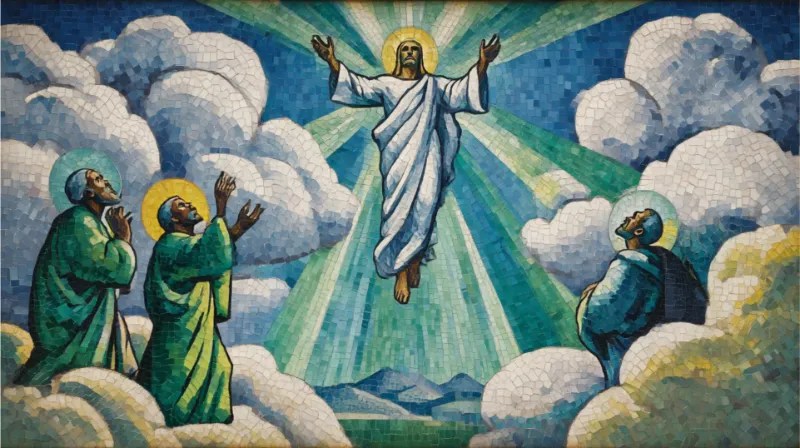
1 John 4:4
“You, dear children, are from God and have overcome them, because the one who is in you is greater than the one who is in the world.”
Reflection: The “them” who have been overcome are the false prophets of verse 1, who deny that Jesus Christ has come in the flesh. John credits the victory to the one living in the believers, who is “greater than the one who is in the world.” The overcoming here is a matter of holding to the truth about Jesus.

Romans 8:37
“No, in all these things we are more than conquerors through him who loved us.”
Reflection: The “all these things” are the trouble, hardship, persecution, famine and sword listed in verse 35, and verse 36 quotes Psalm 44 about being “considered as sheep to be slaughtered.” Paul does not say believers escape these things; he says they conquer in the middle of them. The next verses give the ground: nothing in all creation “will be able to separate us from the love of God that is in Christ Jesus our Lord” (8:39).
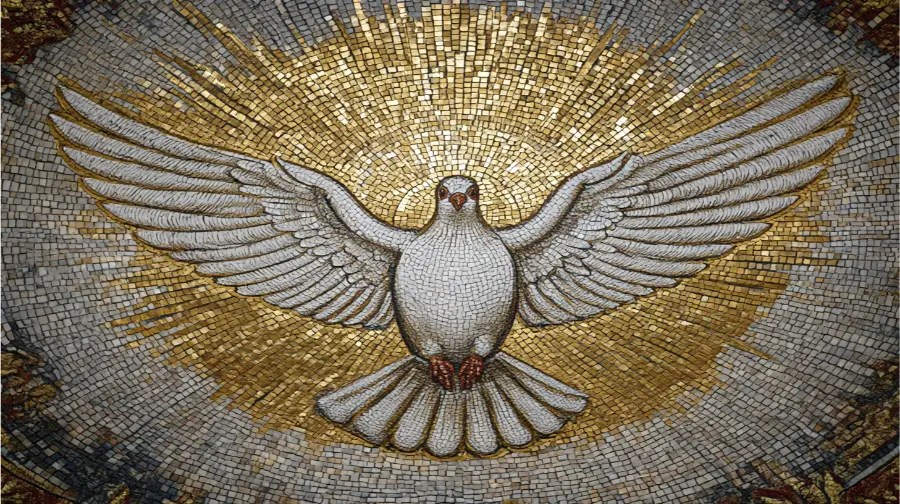
Romans 6:14
“For sin shall no longer be your master, because you are not under the law, but under grace.”
Reflection: The chapter has just said that believers were baptized into Christ’s death and raised to “live a new life” (6:4). Because of that, verse 12 tells them not to let sin reign in their bodies, and this verse gives the reason they can refuse it: they are under grace, and sin is no longer their master.
How the fight is carried on
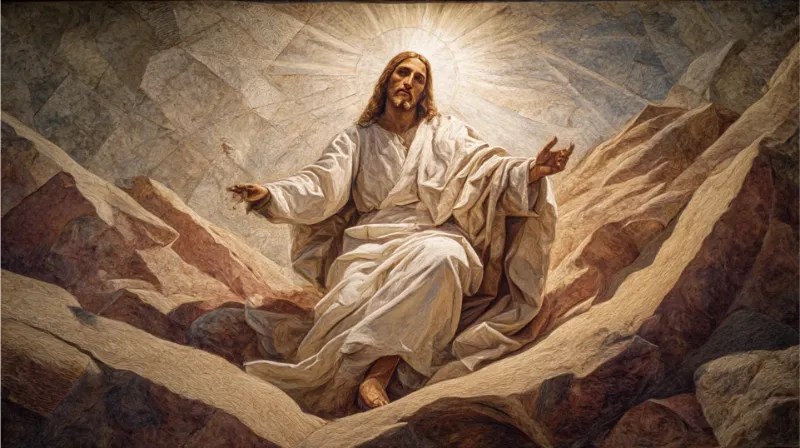
Ephesians 6:10-11
“Finally, be strong in the Lord and in his mighty power. Put on the full armor of God, so that you can take your stand against the devil’s schemes.”
Reflection: Paul follows this with who the enemy is: “our struggle is not against flesh and blood” but against spiritual forces of evil (6:12). The armor he lists next ends with the sword of the Spirit and a call to pray on all occasions (6:17-18), and the aim repeated through the passage is to stand: “after you have done everything, to stand” (6:13).
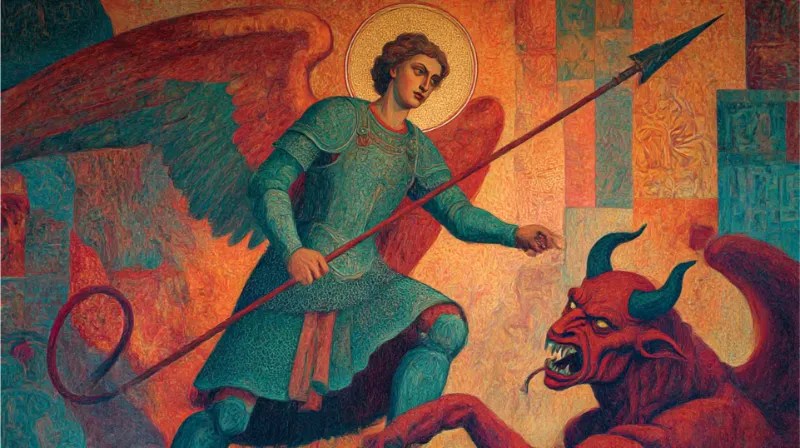
James 4:7
“Submit yourselves, then, to God. Resist the devil, and he will flee from you.”
Reflection: James is writing to believers whose fights and quarrels come from “your desires that battle within you” (4:1). The verse before quotes Proverbs 3:34, “God opposes the proud but shows favor to the humble,” so resisting the devil begins with submitting to God. The next verse continues the pattern: “Come near to God and he will come near to you.”
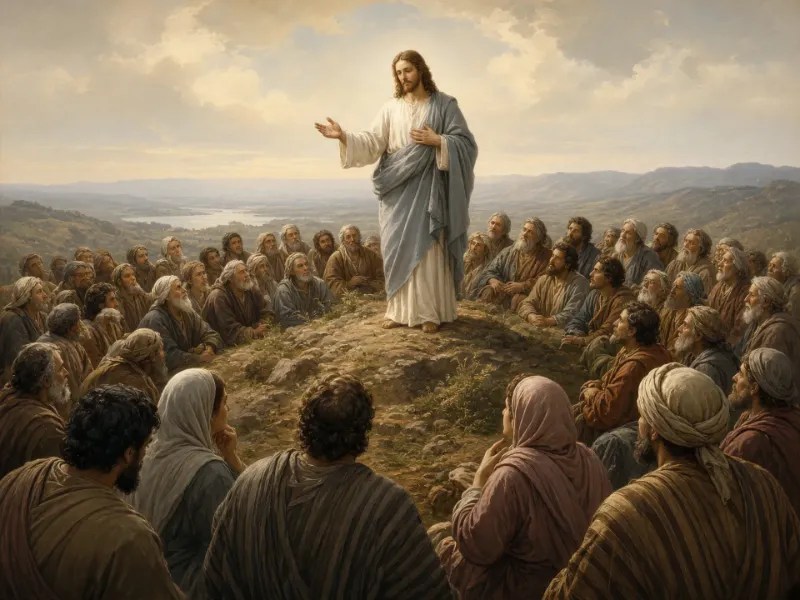
2 Corinthians 10:4
“The weapons we fight with are not the weapons of the world. On the contrary, they have divine power to demolish strongholds.”
Reflection: Paul writes this while defending himself against people in Corinth who “think that we live by the standards of this world” (10:2). The strongholds he names in the next verse are “arguments and every pretension that sets itself up against the knowledge of God.” The battle is over ideas and loyalties, and its aim is to “take captive every thought to make it obedient to Christ” (10:5).
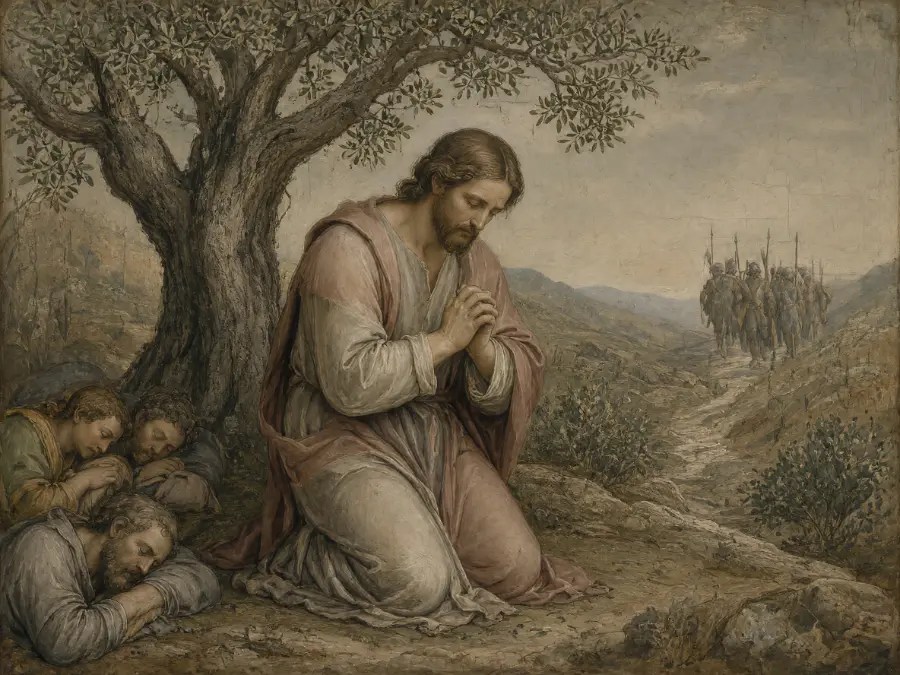
Romans 12:21
“Do not be overcome by evil, but overcome evil with good.”
Reflection: Paul ends a passage on enemies with this line. The verses before it forbid revenge (12:19) and quote Proverbs 25:21-22: “If your enemy is hungry, feed him.” Being overcome by evil here means answering wrong with wrong, and overcoming it means answering with good.
The prize at the end
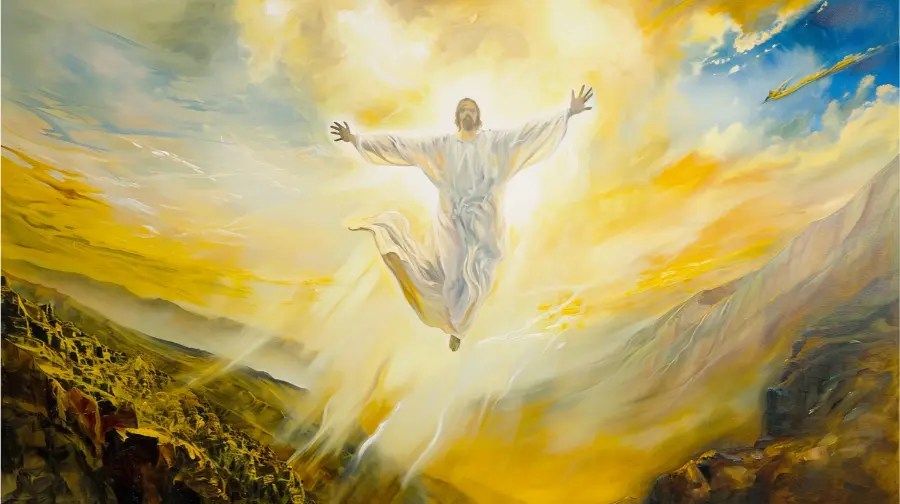
2 Timothy 4:7-8
“I have fought the good fight, I have finished the race, I have kept the faith. Now there is in store for me the crown of righteousness, which the Lord, the righteous Judge, will award to me on that day—and not only to me, but also to all who have longed for his appearing.”
Reflection: Paul writes this expecting to die soon: “the time for my departure is near” (4:6). He describes his life as a fight and a race already finished, and looks to a crown the Lord will give “on that day.” The crown is not his alone; it is for “all who have longed for his appearing.”
Revelation 3:21
“To the one who is victorious, I will give the right to sit with me on my throne, just as I was victorious and sat down with my Father on his throne.”
Reflection: This promise closes the letter to the church in Laodicea, the one the risen Christ rebukes for being lukewarm (3:16). Each of the seven letters in Revelation 2-3 includes a promise “to the one who is victorious”; this one offers a seat on Christ’s own throne. The comparison sets the pattern: Christ was victorious first and then sat down with his Father.
What the verses leave open
Several of the New Testament passages describe a victory already won alongside a fight still going on. Jesus says he has overcome the world while promising the disciples trouble in it (John 16:33), Romans 8:37 speaks of conquering in the middle of persecution, and Ephesians 6 tells believers to stand their ground (6:13). The full victory over death is placed in the future, when “the perishable has been clothed with the imperishable” (1 Corinthians 15:54).
Philippians 4:13, “I can do all this through him who gives me strength,” is often quoted as a victory verse. In its setting Paul is speaking of contentment, having learned to live “whether well fed or hungry, whether living in plenty or in want” (Philippians 4:12).


Leave a Reply