
 English
 Chinese
 Dutch
 Arabic
 Spanish
 Portuguese
 Russian
 French
 Italian
 German
 Japanese
The Bible speaks directly about going back to a former partner only in marriage. A separated wife may be reconciled to her husband (1 Corinthians 7:10-11), the law forbids one kind of return after divorce (Deuteronomy 24:1-4), and God tells Hosea to love his wife again (Hosea 3:1).
For a dating relationship that has ended, Scripture gives no rule of its own, so the passages that apply are the ones on forgiveness and reconciliation (Matthew 5:23-24; Matthew 18:21-22), on choosing a partner (2 Corinthians 6:14), and on deciding wisely (James 1:5; Ecclesiastes 3:6).
What marriage is

Genesis 2:24
“That is why a man leaves his father and mother and is united to his wife, and they become one flesh.”
Reflection: The verse follows the making of the woman from the man’s rib and the man’s words “bone of my bones and flesh of my flesh” (Genesis 2:23). It describes marriage as a new household and a single flesh. Jesus quotes it in Matthew 19:5 when Pharisees ask whether a man may divorce his wife “for any and every reason.”
What Scripture says about returning to a former spouse
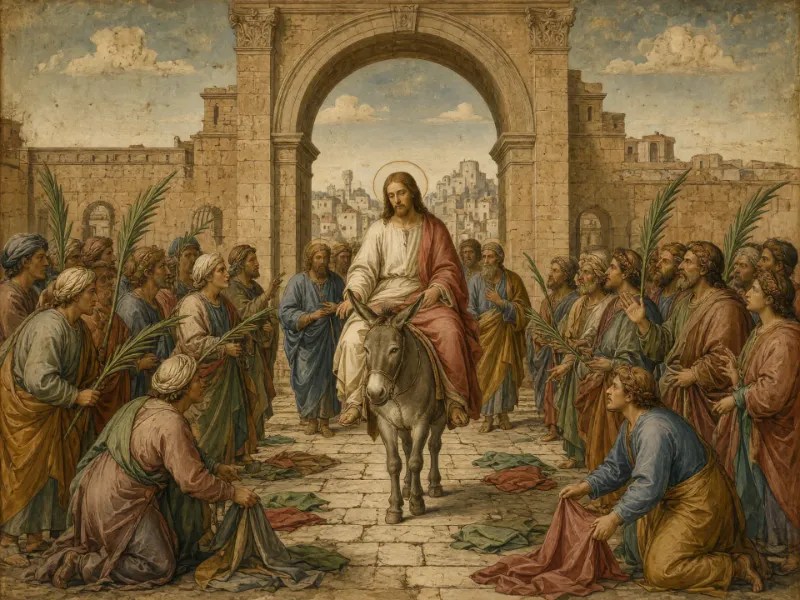
1 Corinthians 7:10-11
“To the married I give this command (not I, but the Lord): A wife must not separate from her husband. But if she does, she must remain unmarried or else be reconciled to her husband. And a husband must not divorce his wife.”
Reflection: Paul is answering questions the Corinthians had written to him (7:1), and he marks this instruction as the Lord’s command rather than his own. He allows for a wife who has already separated, and gives her two options: stay unmarried, or be reconciled to her husband. In verses 12-15 he turns to marriages with an unbeliever and says that if the unbeliever leaves, “the brother or the sister is not bound in such circumstances.”
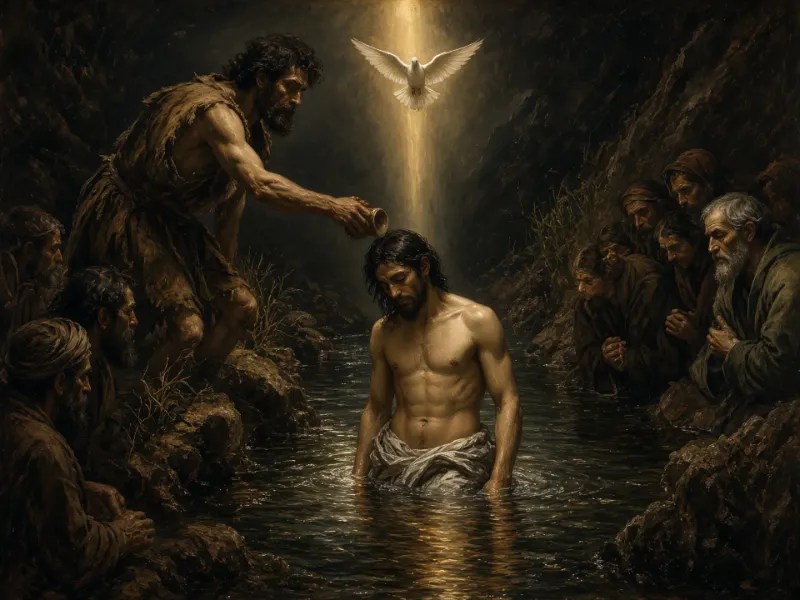
Deuteronomy 24:1-4
“If a man marries a woman who becomes displeasing to him because he finds something indecent about her, and he writes her a certificate of divorce, gives it to her and sends her from his house, and if after she leaves his house she becomes the wife of another man, and her second husband dislikes her and writes her a certificate of divorce, gives it to her and sends her from his house, or if he dies, then her first husband, who divorced her, is not allowed to marry her again after she has been defiled. That would be detestable in the eyes of the Lord. Do not bring sin upon the land the Lord your God is giving you as an inheritance.”
Reflection: The law covers one case: a man divorces his wife, she marries another man, and that second marriage ends by divorce or death. The first husband may not then marry her again, and the law calls it “detestable in the eyes of the Lord.” It does not address a couple who reunite before either has remarried. Jeremiah 3:1 later cites this law, “If a man divorces his wife and she leaves him and marries another man, should he return to her again?”, and turns it on Israel, which God still calls back (3:12-14).
Hosea 3:1
“The Lord said to me, ‘Go, show your love to your wife again, though she is loved by another man and is an adulteress. Love her as the Lord loves the Israelites, though they turn to other gods and love the sacred raisin cakes.’”
Reflection: The Lord tells Hosea to love his wife again although she is “loved by another man and is an adulteress.” The model given is God’s own conduct: “Love her as the Lord loves the Israelites, though they turn to other gods.” Hosea pays to bring her back and then sets terms for the restored marriage (3:2-3): she is to live with him and be faithful, and he promises to behave the same way toward her.
Forgiveness and reconciliation

Matthew 5:23-24
“Therefore, if you are offering your gift at the altar and there remember that your brother or sister has something against you, leave your gift there in front of the altar. First go and be reconciled to them; then come and offer your gift.”
Reflection: Jesus speaks these words in the Sermon on the Mount, straight after warning that anger with a brother or sister brings judgment (5:21-22). The person at the altar is the one who remembers that someone “has something against you,” and that person is told to go first. Worship waits until the attempt at reconciliation has been made.

Matthew 18:21-22
“Then Peter came to Jesus and asked, ‘Lord, how many times shall I forgive my brother or sister who sins against me? Up to seven times?’ Jesus answered, ‘I tell you, not seven times, but seventy-seven times.’”
Reflection: Peter’s question follows Jesus’ instructions for confronting someone who has done wrong, which include “If they listen to you, you have won them over” (18:15). Jesus replaces Peter’s seven with seventy-seven. In the same chapter, winning the other person back depends on whether they listen (18:15-17).

Colossians 3:13-14
“Bear with each other and forgive one another if any of you has a grievance against someone. Forgive as the Lord forgave you. And over all these virtues put on love, which binds them all together in perfect unity.”
Reflection: Paul writes to a church, listing what God’s chosen people are to “clothe yourselves with” (3:12): compassion, kindness, humility, gentleness and patience. Forgiveness is measured against the Lord’s forgiveness, and love is the garment put on over the rest. The command is to forgive a grievance; the verse does not say the relationship must go back to what it was.

Romans 12:18
“If it is possible, as far as it depends on you, live at peace with everyone.”
Reflection: Two limits sit inside the command: “if it is possible” and “as far as it depends on you.” Paul acknowledges that peace with another person does not rest on one side alone. The next verse forbids revenge and leaves wrongs to God: “It is mine to avenge; I will repay.”
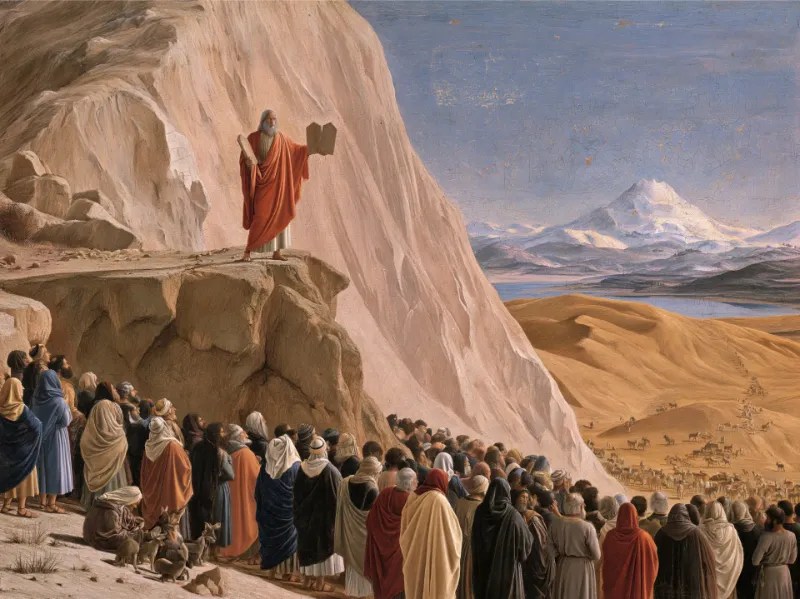
Luke 15:20
“So he got up and went to his father. But while he was still a long way off, his father saw him and was filled with compassion for him; he ran to his son, threw his arms around him and kissed him.”
Reflection: In Jesus’ parable, the younger son has taken his share of the estate and squandered it (15:12-13), then decides to go home and confess, “Father, I have sinned against heaven and against you” (15:18). The father runs to meet him before the confession is spoken, and the son still makes it (15:21). The parable is about a father and son and God’s welcome of sinners, but it shows a return that comes with an admission of wrong.
Questions to settle before going back

2 Corinthians 6:14
“Do not be yoked together with unbelievers. For what do righteousness and wickedness have in common? Or what fellowship can light have with darkness?”
Reflection: Paul’s wider concern in the passage is partnership with idolatry: “What agreement is there between the temple of God and idols?” (6:16). The verse is not limited to marriage, but a yoke binds two animals to pull together, and the questions about righteousness and wickedness, light and darkness, apply to the closest partnership two people form. Applied to dating, the verse bears on whether both share the faith.

Proverbs 4:23
“Above all else, guard your heart, for everything you do flows from it.”
Reflection: A father is teaching his son, and he puts this instruction “above all else.” The following verses add more commands: keeping corrupt talk from the lips, looking straight ahead, and giving “careful thought to the paths for your feet” (4:26).

James 1:5
“If any of you lacks wisdom, you should ask God, who gives generously to all without finding fault, and it will be given to you.”
Reflection: The verse comes straight after James’s words on trials (1:2-4). God gives it “without finding fault,” so the request is not held against the one who asks. Verse 6 adds a condition: the one who asks “must believe and not doubt.”
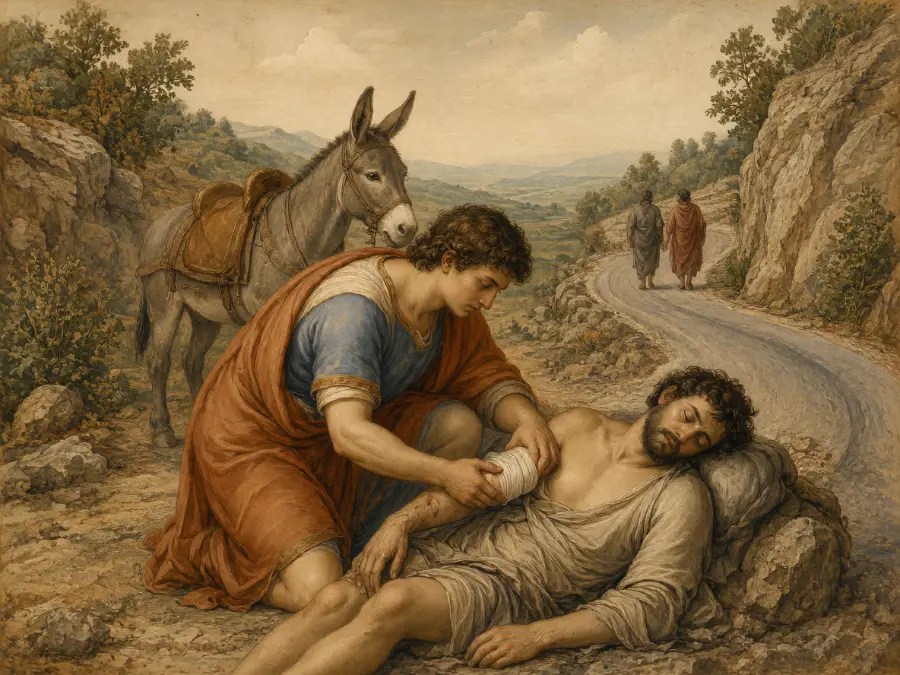
Ecclesiastes 3:1, 6
“There is a time for everything, and a season for every activity under the heavens… a time to search and a time to give up, a time to keep and a time to throw away.”
Reflection: The poem sets fourteen pairs of opposite actions under the heading of verse 1, and verse 6 holds two of them: searching and giving up, keeping and throwing away. Both halves of each pair have their time. The same poem includes “a time to embrace and a time to refrain from embracing” (3:5) and “a time to tear and a time to mend” (3:7).
When the relationship stays ended
Psalm 147:3
“He heals the brokenhearted and binds up their wounds.”
Reflection: The psalm praises the Lord who “builds up Jerusalem” and “gathers the exiles of Israel” (147:2), and the healing of the brokenhearted is set beside that work. “Binds up” is the language of dressing a wound. The same psalm goes on to the God who “determines the number of the stars” (147:4), joining care for the hurt to rule over creation. More verses for that stage are gathered under moving forward.
Where the verses leave the decision
Of the verses here, only 1 Corinthians 7:10-11 and Hosea 3:1 describe a couple coming back together, and both concern a marriage. Deuteronomy 24:1-4 closes the way back in one specific case, after a second marriage has intervened. Nothing in Scripture names a former boyfriend or girlfriend, so for a dating relationship the decision rests on the other passages: whether there has been an admission of wrong and forgiveness (Matthew 18:15, 21-22), whether the two share the faith (2 Corinthians 6:14), and whether peace is possible from both sides (Romans 12:18).


Leave a Reply