
 English
 Chinese
 Dutch
 Arabic
 Spanish
 Portuguese
 Russian
 French
 Italian
 German
 Japanese
The Bible presents miracles as acts of God that show who he is. John’s Gospel calls the miracles of Jesus “signs” (Greek semeion) because they point beyond themselves to him. By the usual count John records seven, from water turned into wine at Cana to the raising of Lazarus.
The verses below cover what the miracles of Jesus showed, the compassion behind them, questions about suffering and faith, miracles in the Old Testament, and the healings the apostles performed in his name.
Signs that point somewhere
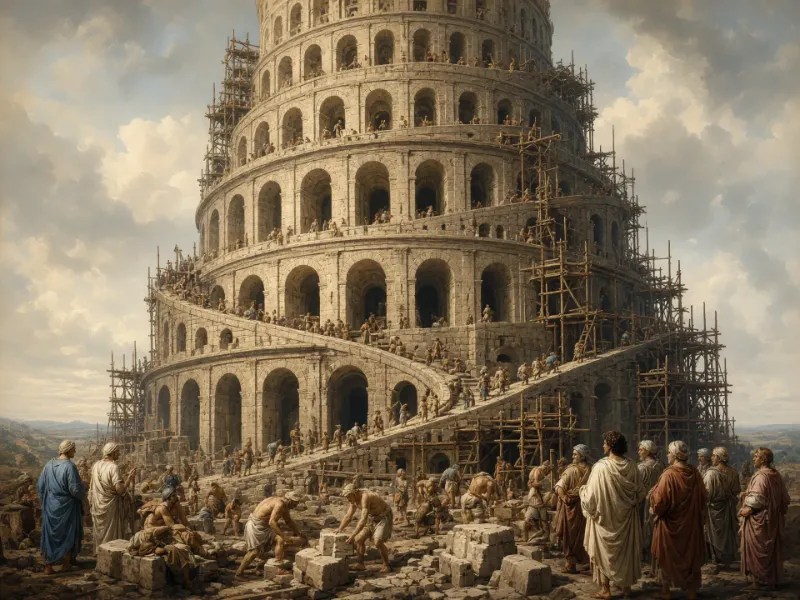
John 2:11
“What Jesus did here in Cana of Galilee was the first of the signs through which he revealed his glory; and his disciples believed in him.”
Reflection: The first sign took place at a wedding in Cana, where the wine had run out. Jesus had six stone jars, each holding twenty to thirty gallons, filled with water and turned into wine (2:6). John says the sign revealed his glory and that his disciples believed.
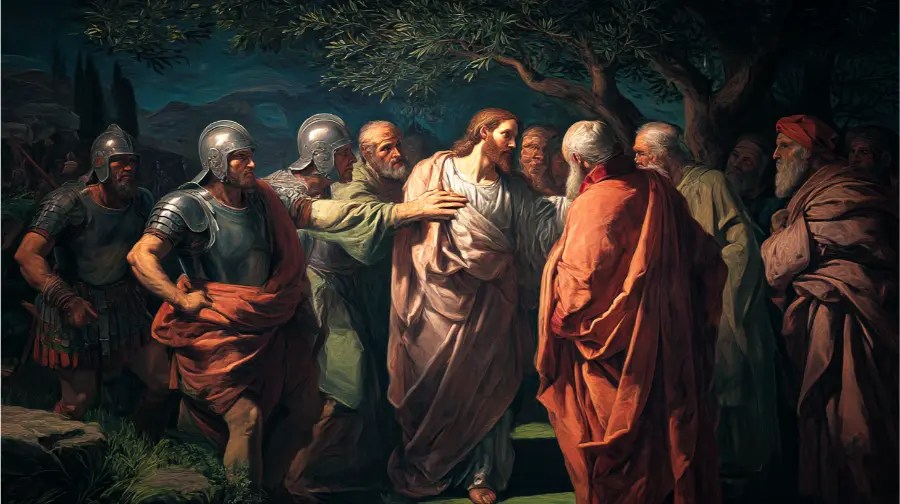
John 4:53
“Then the father realized that this was the exact time at which Jesus had said to him, ‘Your son will live.’ So he and his whole household believed.”
Reflection: A royal official from Capernaum came to Jesus in Cana to ask him to heal his son (4:46). Jesus healed the boy without going to him, and the father later learned that the fever had left at one in the afternoon, the hour Jesus had spoken (4:52).
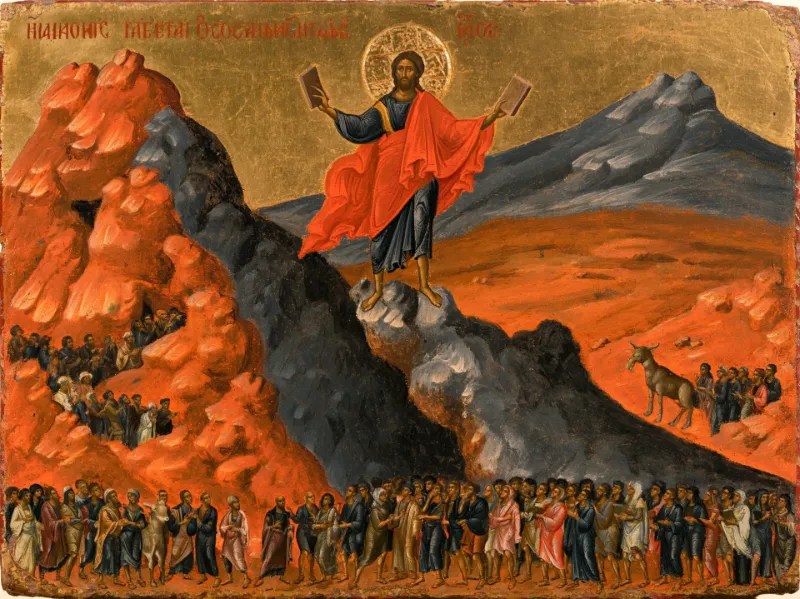
Luke 7:22
“So he replied to the messengers, ‘Go back and report to John what you have seen and heard: The blind receive sight, the lame walk, those who have leprosy are cleansed, the deaf hear, the dead are raised, and the good news is proclaimed to the poor.’”
Reflection: John the Baptist, in prison, sent messengers to ask whether Jesus was the one to come. Jesus answered with a list that echoes Isaiah’s promises (Isaiah 35:5-6; 61:1), and he ended it with the good news preached to the poor.
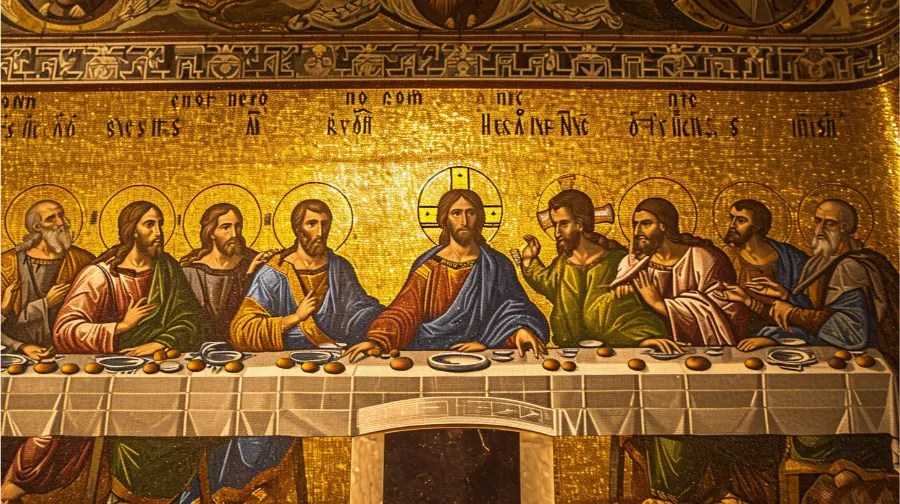
Matthew 12:28
“But if it is by the Spirit of God that I drive out demons, then the kingdom of God has come upon you.”
Reflection: The Pharisees had claimed that Jesus drove out demons by Beelzebul, the prince of demons (12:24). Jesus answers that his exorcisms show something else: the kingdom of God has arrived.
The face in front of him
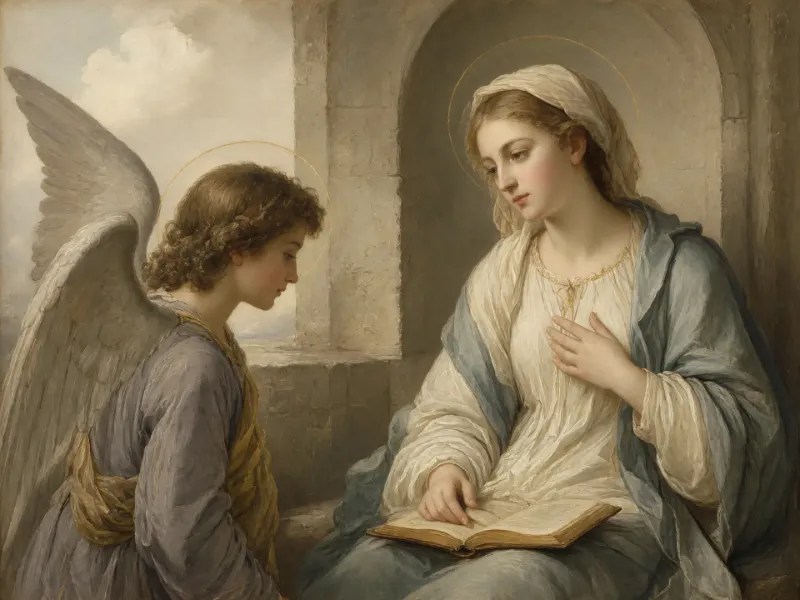
Matthew 14:14
“When Jesus landed and saw a large crowd, he had compassion on them and healed their sick.”
Reflection: Jesus had just heard that John the Baptist had been killed, and he withdrew by boat to a solitary place (14:13). The crowds followed on foot. He had compassion on them and healed their sick, and that evening he fed five thousand.
Luke 7:13
“When the Lord saw her, his heart went out to her and he said, ‘Don’t cry.’”
Reflection: At the town gate of Nain, Jesus met the funeral of a widow’s only son (7:12). No one asked him for help. He spoke to the mother first, then touched the bier and raised the young man.
Matthew 20:34
“Jesus had compassion on them and touched their eyes. Immediately they received their sight and followed him.”
Reflection: Two blind men by the road outside Jericho had called out, “Lord, Son of David, have mercy on us!” (20:30). Jesus asked what they wanted, had compassion on them, and touched their eyes.
Matthew 9:35
“Jesus went through all the towns and villages, teaching in their synagogues, proclaiming the good news of the kingdom and healing every disease and sickness.”
Reflection: Matthew summarizes the work of Jesus in three verbs: teaching, proclaiming, and healing. The next verse gives the reason: he saw the crowds “harassed and helpless, like sheep without a shepherd” (9:36).
The question everybody actually has
John 9:2-3
“His disciples asked him, ‘Rabbi, who sinned, this man or his parents, that he was born blind?’ ‘Neither this man nor his parents sinned,’ said Jesus, ‘but this happened so that the works of God might be displayed in him.’”
Reflection: The disciples assume the man’s blindness must be a punishment for someone’s sin. Jesus rejects both options they offer and says the blindness will be the occasion for God’s work to be displayed. He then heals the man.
Mark 9:23-24
“‘If you can’?’ said Jesus. ‘Everything is possible for one who believes.’ Immediately the boy’s father exclaimed, ‘I do believe; help me overcome my unbelief!’”
Reflection: The boy’s father had already asked the disciples to drive out the spirit, and they could not (9:18). His answer to Jesus admits mixed faith, “I do believe; help me overcome my unbelief,” and Jesus heals the boy. For those still waiting, there are prayers for a healing.
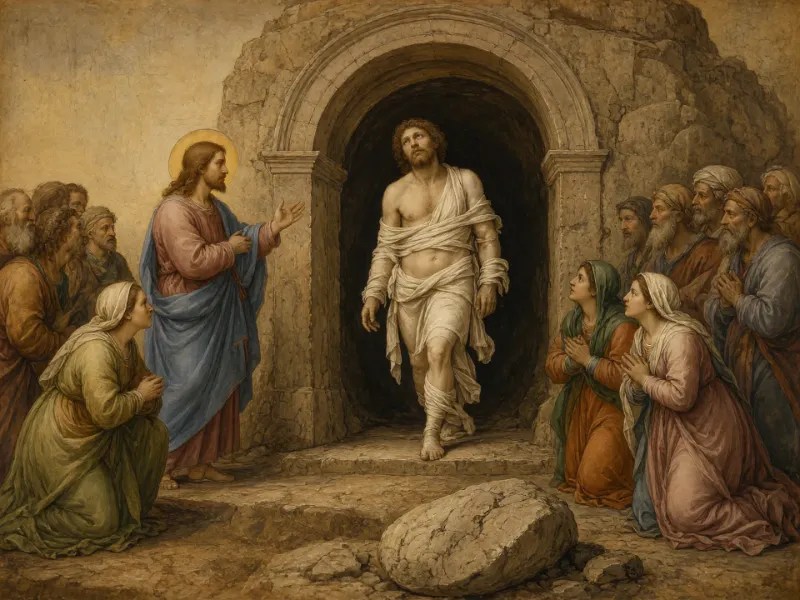
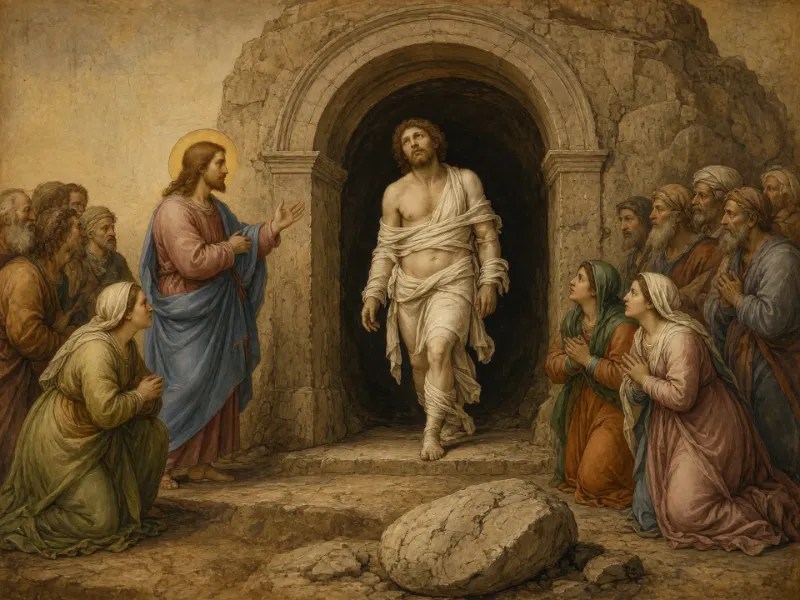
John 11:4
“When he heard this, Jesus said, ‘This sickness will not end in death. No, it is for God’s glory so that God’s Son may be glorified through it.’”
Reflection: After saying this, Jesus stayed where he was two more days (11:6), and when he arrived Lazarus had been in the tomb four days (11:17). The promise that the sickness would not end in death was fulfilled when Jesus raised him.
Before Jesus
Exodus 14:21
“Then Moses stretched out his hand over the sea, and all that night the Lord drove the sea back with a strong east wind and turned it into dry land. The waters were divided.”
Reflection: The text describes the means: a strong east wind blowing all night. It also names the cause, “the Lord drove the sea back,” and the verse keeps the two together.
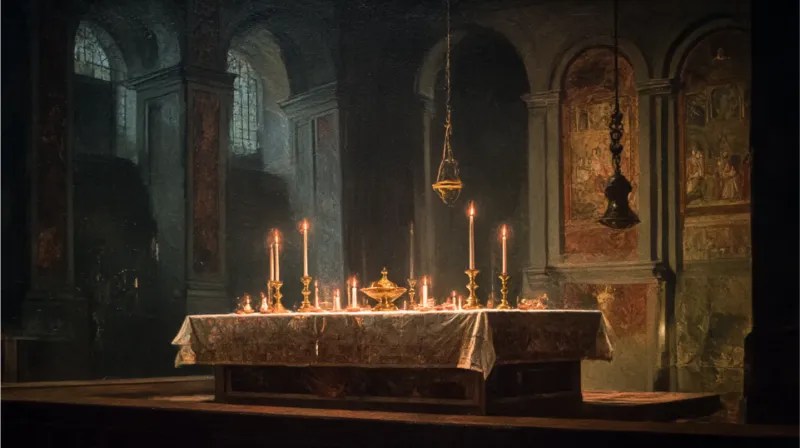
1 Kings 18:38-39
“Then the fire of the Lord fell and burned up the sacrifice, the wood, the stones and the soil, and also licked up the water in the trench. When all the people saw this, they fell prostrate and cried, ‘The Lord—he is God! The Lord—he is God!’”
Reflection: Before praying, Elijah had water poured over the altar three times (18:34), so that no one could say the fire had another cause. When the fire fell, the people answered, “The Lord—he is God!”
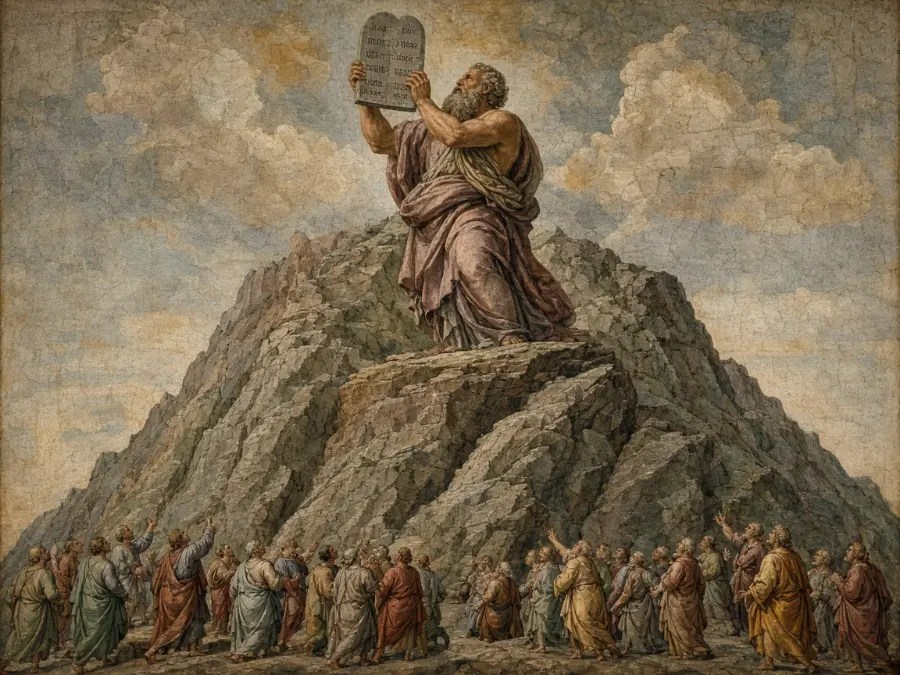
Joshua 10:13
“So the sun stood still, and the moon stopped, till the nation avenged itself on its enemies, as it is written in the Book of Jashar. The sun stopped in the middle of the sky and delayed going down about a full day.”
Reflection: The narrator cites the Book of Jashar as his source for this account, a book also cited in 2 Samuel 1:18 and now lost. The day’s length is described as a miracle done so that Israel could finish the battle.
After he left
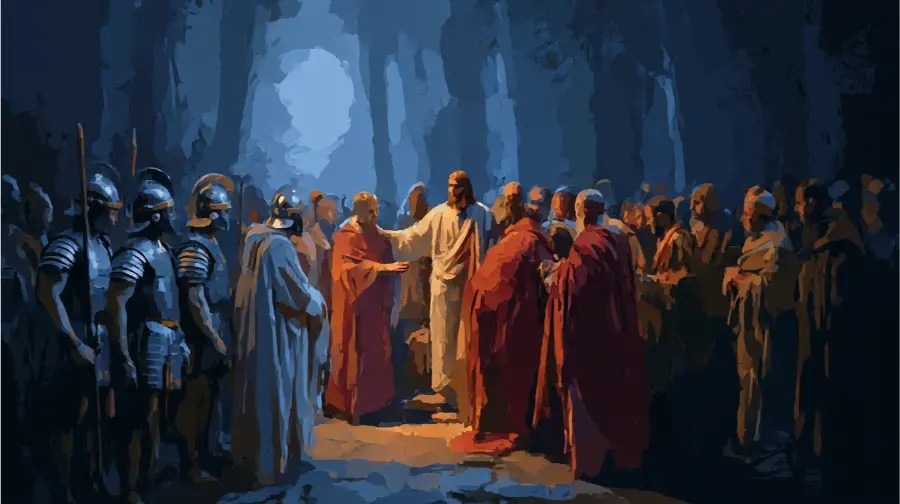
Acts 3:8-10
“He jumped to his feet and began to walk. Then he went with them into the temple courts, walking and jumping, and praising God. When all the people saw him walking and praising God, they recognized him as the same man who used to sit begging at the temple gate called Beautiful, and they were filled with wonder and amazement at what had happened to him.”
Reflection: The man had been lame from birth and was carried every day to the temple gate called Beautiful to beg (3:2). The crowd recognized him, which is why the healing drew so many people to hear Peter.
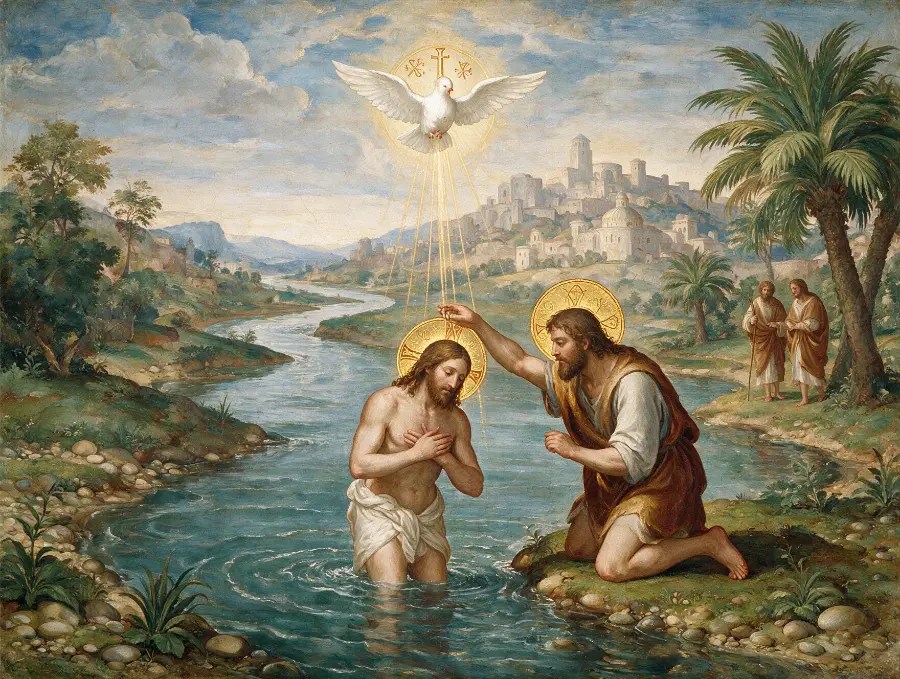
Acts 9:40-42
“Peter sent them all out of the room; then he got down on his knees and prayed. Turning toward the dead woman, he said, ‘Tabitha, get up.’ She opened her eyes, and seeing Peter she sat up. He took her by the hand and helped her to her feet. Then he called for the believers, especially the widows, and presented her to them alive.”
Reflection: Tabitha, also called Dorcas, had made clothing for the widows of Joppa, and they showed it to Peter while he was there (9:39). After she was raised, many people in Joppa believed in the Lord (9:42).
Acts 3:16
“By faith in the name of Jesus, this man whom you see and know was made strong. It is Jesus’ name and the faith that comes through him that has completely healed him, as you can all see.”
Reflection: Peter tells the crowd that the healing came through faith in the name of Jesus, not through his own power. The apostles consistently point the credit for their miracles back to Jesus.
What signs are for
In John’s Gospel a sign points beyond itself. The wine at Cana revealed Jesus’ glory, the healing of the man born blind displayed the work of God, and the raising of Lazarus led to Jesus’ words, “I am the resurrection and the life” (John 11:25).
The father in Mark 9 asked for help with his unbelief while he asked for his son’s healing, and Jesus did not turn him away. His prayer is still available to anyone who believes and doubts at the same time.


Leave a Reply