
 English
 Chinese
 Dutch
 Arabic
 Spanish
 Portuguese
 Russian
 French
 Italian
 German
 Japanese
The Bible treats shame both as the response to real wrongdoing and as disgrace that others put on a person, and it promises that those who trust God will not be put to shame.
In Eden the man and woman “felt no shame” (Genesis 2:25) until they ate from the tree and hid (Genesis 3:10). Ezra 9:6 is a prayer from a man “too ashamed and disgraced” to lift his face, while Psalm 44:15 describes a nation covered with shame though it “had not been false” to God’s covenant. The prophets promise that shame will be forgotten and exchanged (Isaiah 54:4, Isaiah 61:7), Romans 10:11 repeats that “anyone who believes in him will never be put to shame,” and Hebrews 12:2 says Jesus endured the cross “scorning its shame.”
Shame in the garden

Genesis 2:25
“Adam and his wife were both naked, and they felt no shame.”
Reflection: The verse closes the account of the first man and woman, straight after the line “they become one flesh” (2:24). They are naked and feel no shame. The next chapter returns to the same nakedness to show what changed after they ate from the tree.
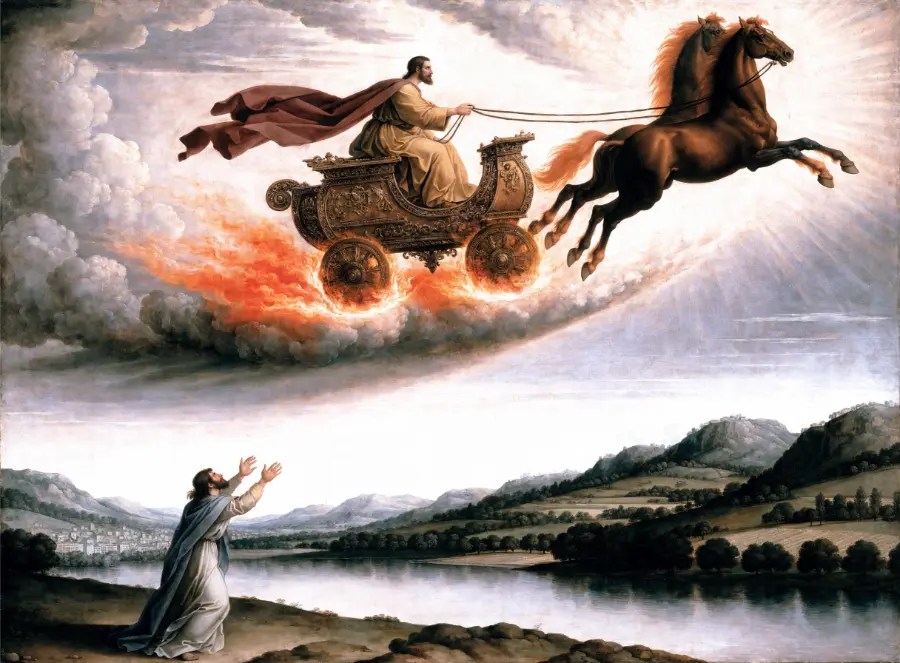
Genesis 3:10
“He answered, ‘I heard you in the garden, and I was afraid because I was naked; so I hid.’”
Reflection: Once they had eaten the fruit, “the eyes of both of them were opened, and they realized they were naked” (3:7); they sewed fig leaves together and hid among the trees. Adam gives fear and nakedness as his reasons for hiding. God answers with two questions: “Who told you that you were naked?” and “Have you eaten from the tree that I commanded you not to eat from?” (3:11).
Shame that follows wrongdoing
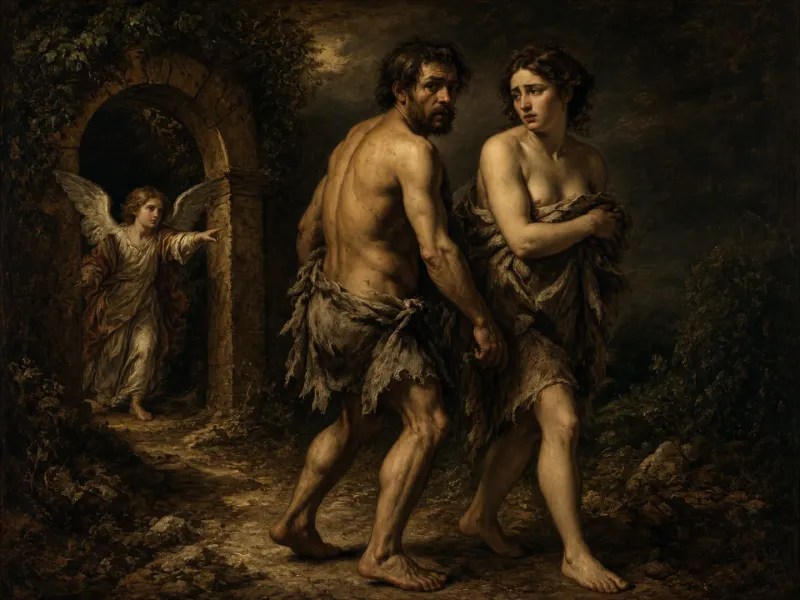
Ezra 9:6
“I am too ashamed and disgraced, my God, to lift up my face to you, because our sins are higher than our heads and our guilt has reached to the heavens.”
Reflection: Ezra had torn his tunic and cloak, pulled hair from his head and beard, and sat down appalled (9:3). Those who trembled at God’s words gathered around him “because of this unfaithfulness of the exiles” (9:4). At the evening sacrifice he fell on his knees and prayed these words. He says “our sins”, counting himself among the guilty, and in verse 7 traces the guilt back to “the days of our ancestors.”
Proverbs 13:18
“Whoever disregards discipline comes to poverty and shame, but whoever heeds correction is honored.”
Reflection: The proverb sets shame against honor. Poverty and shame come to the person who ignores discipline; honor comes to the one who accepts correction.
Shame put on people by others
Psalm 44:15
“I live in disgrace all day long, and my face is covered with shame.”
Reflection: A psalm of the Sons of Korah, spoken for the nation after defeat: “You made us retreat before the enemy” (44:10), and “You have made us a byword among the nations” (44:14). The shame comes “at the taunts of those who reproach and revile me” (44:16). The psalm then insists the people had done nothing to deserve it: “All this came upon us, though we had not forgotten you; we had not been false to your covenant” (44:17).
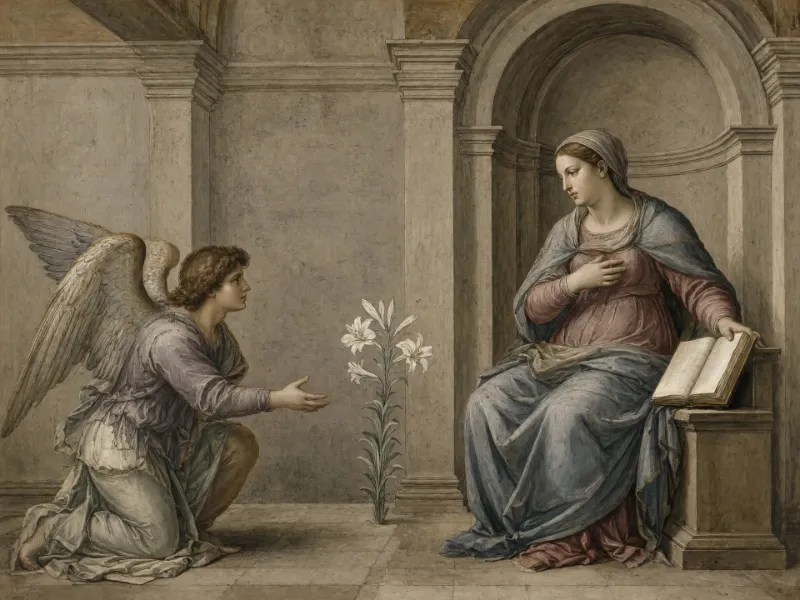
Psalm 69:19-20
“You know how I am scorned, disgraced and shamed; all my enemies are before you. Scorn has broken my heart and has left me helpless; I looked for sympathy, but there was none, for comforters, but I found none.”
Reflection: David, sinking “in the miry depths” (69:2), is surrounded by those “who hate me without reason” (69:4). He admits his folly to God in verse 5, yet says the scorn he now bears is “for your sake” (69:7), because “zeal for your house consumes me” (69:9). In these two verses he tells God that God already knows the disgrace, and that he looked for comforters and found none. The next line reads, “They put gall in my food and gave me vinegar for my thirst.”
God’s promise to remove shame
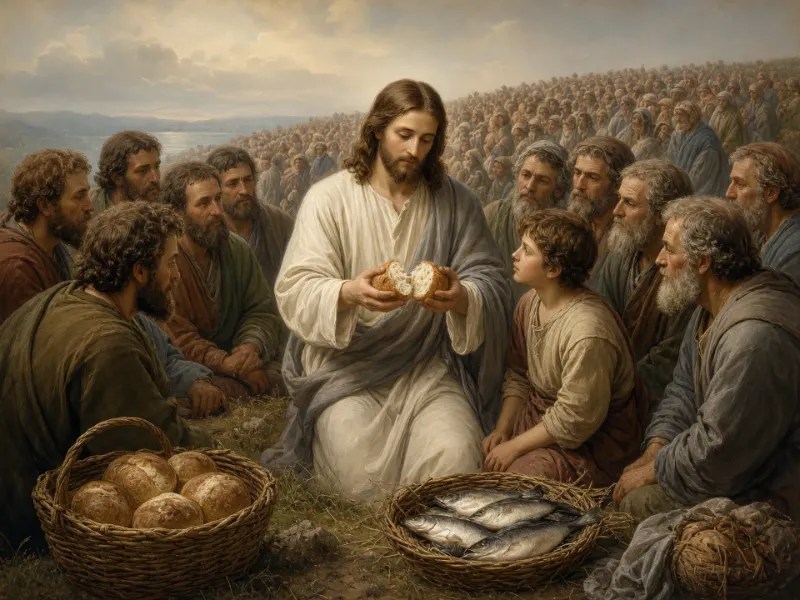
Isaiah 54:4
“Do not be afraid; you will not be put to shame. Do not fear disgrace; you will not be humiliated. You will forget the shame of your youth and remember no more the reproach of your widowhood.”
Reflection: God addresses Zion as a barren woman (54:1) and as “a wife deserted and distressed in spirit” (54:6). The promise names two shames, that of her youth and the reproach of her widowhood, and says both will be forgotten. Verse 5 gives the reason: “For your Maker is your husband.”
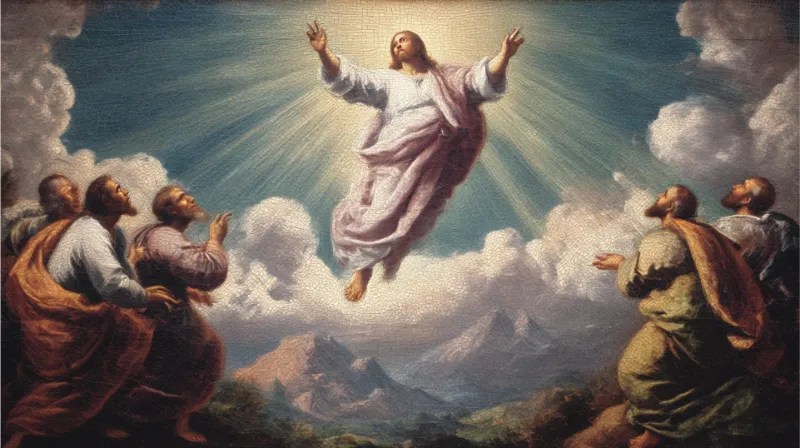
Isaiah 61:7
“Instead of your shame you will receive a double portion, and instead of disgrace you will rejoice in your inheritance. And so you will inherit a double portion in your land, and everlasting joy will be yours.”
Reflection: The speaker of Isaiah 61 is anointed “to proclaim good news to the poor” and “to comfort all who mourn” (61:1-2). The chapter lists exchanges: “a crown of beauty instead of ashes, the oil of joy instead of mourning” (61:3). Verse 7 adds shame and disgrace to the list, replaced by a double portion and an inheritance.
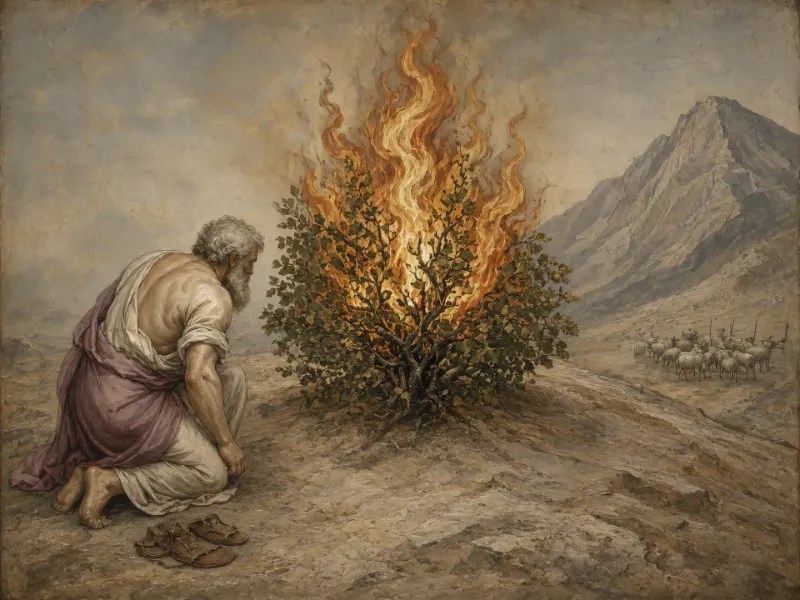
Joel 2:26-27
“You will have plenty to eat, until you are full, and you will praise the name of the Lord your God, who has worked wonders for you; never again will my people be shamed. Then you will know that I am in Israel, that I am the Lord your God, and that there is no other; never again will my people be shamed.”
Reflection: These verses follow God’s promise to “repay you for the years the locusts have eaten” (2:25). The shame belongs to a people whose harvest had been stripped, and the answer is food: “You will have plenty to eat, until you are full.” The line “never again will my people be shamed” is said twice, once after the harvest and once after the people know that God is in Israel.
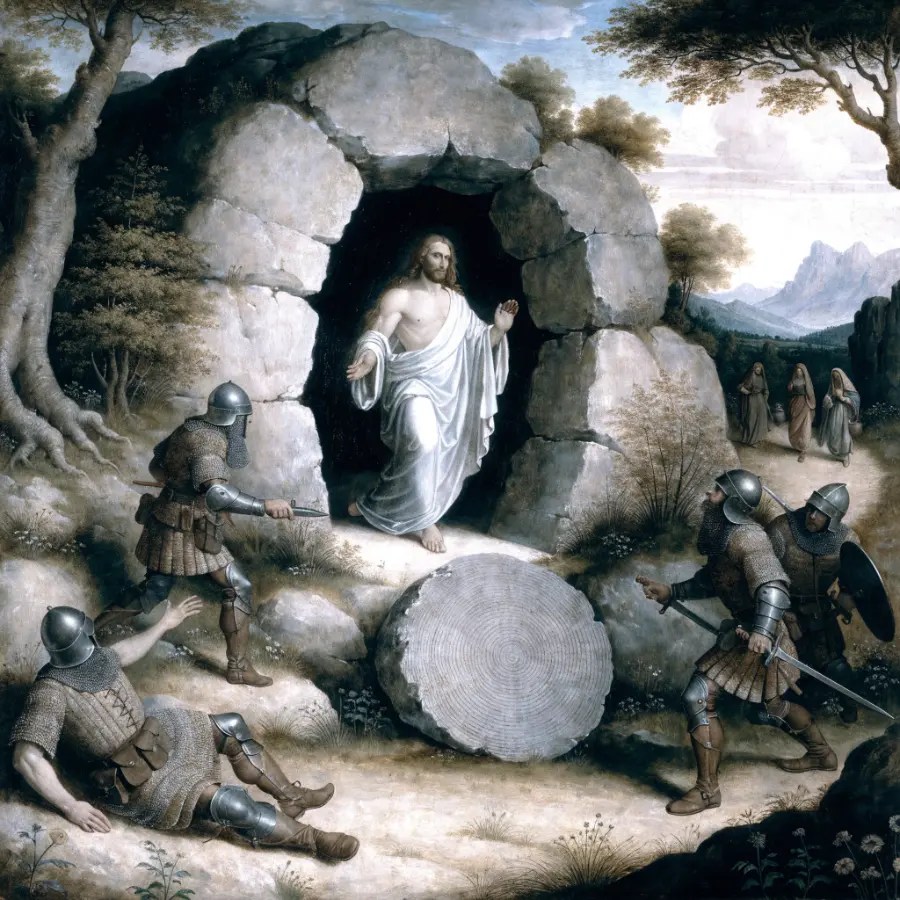
Zephaniah 3:19
“At that time I will deal with all who oppressed you. I will rescue the lame, I will gather the exiles. I will give them praise and honor in every land where they have suffered shame.”
Reflection: Near the end of Zephaniah, God speaks to Jerusalem about the lame and the exiles. They suffered shame “in every land,” and the promise is praise and honor in those same lands. Verse 20 repeats it: “I will give you honor and praise among all the peoples of the earth when I restore your fortunes before your very eyes.”
Trust that is not put to shame
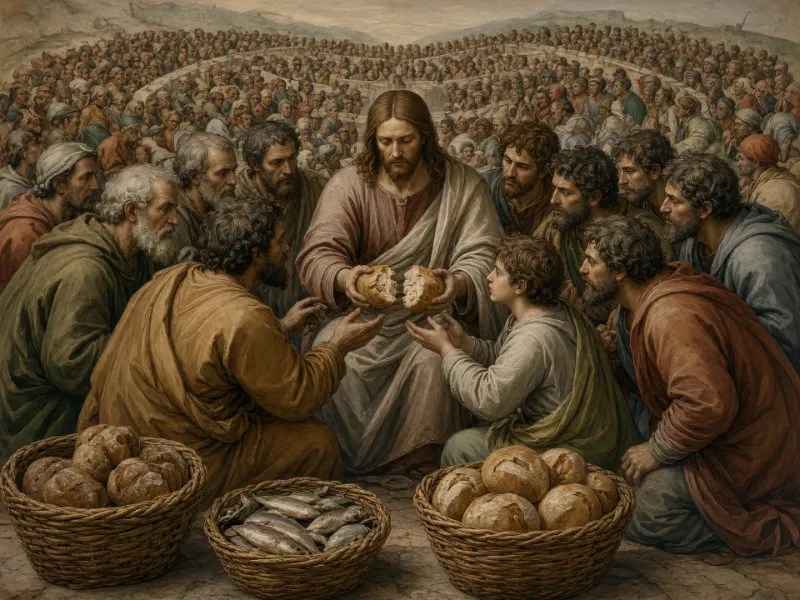
Psalm 25:3
“No one who hopes in you will ever be put to shame, but shame will come on those who are treacherous without cause.”
Reflection: In verse 2 David asks for himself, “do not let me be put to shame, nor let my enemies triumph over me,” pairing shame with defeat in front of his enemies. Verse 3 widens the request into a statement about everyone who hopes in God. Its second half turns shame onto “those who are treacherous without cause.”
Psalm 34:5
“Those who look to him are radiant; their faces are never covered with shame.”
Reflection: The heading places the psalm after David pretended to be insane before Abimelek and was driven away. Verse 4 says God “delivered me from all my fears,” and verse 6 calls David “this poor man” whom the Lord heard. Psalm 44:15 uses the same image of a face covered with shame for the nation’s disgrace.
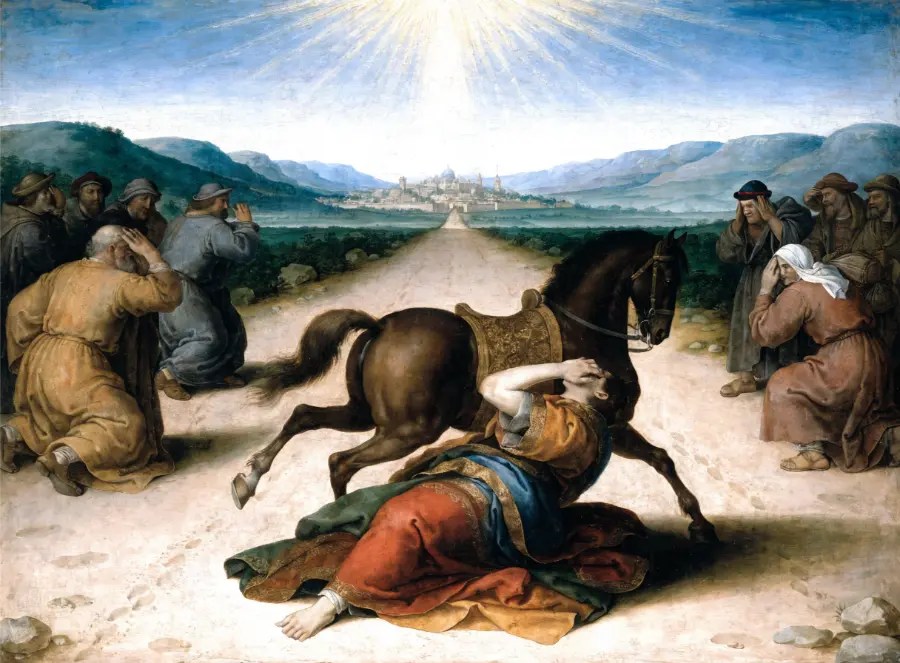
Romans 10:11
“As Scripture says, ‘Anyone who believes in him will never be put to shame.’”
Reflection: Paul is explaining that whoever declares “Jesus is Lord” and believes God raised him will be saved (10:9). The line he quotes is the one 1 Peter 2:6 gives with its opening, “See, I lay a stone in Zion,” from Isaiah 28:16, where the NIV reads “will never be stricken with panic.” Verse 12 gives the reason the promise covers anyone: “For there is no difference between Jew and Gentile.”
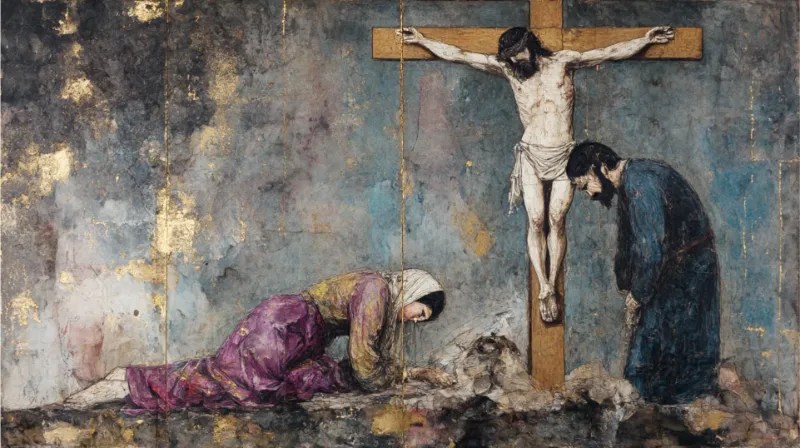
Romans 5:5
“And hope does not put us to shame, because God’s love has been poured out into our hearts through the Holy Spirit, who has been given to us.”
Reflection: Paul sets out a chain in verses 3 and 4: suffering produces perseverance, perseverance character, and character hope. Hope that does not put us to shame is hope that will not be shown up as empty. The reason Paul gives is already present: God’s love “has been poured out into our hearts through the Holy Spirit.”
Jesus, the cross and being ashamed of the gospel
Hebrews 12:2
“fixing our eyes on Jesus, the pioneer and perfecter of faith. For the joy set before him he endured the cross, scorning its shame, and sat down at the right hand of the throne of God.”
Reflection: The “great cloud of witnesses” in 12:1 are the people Hebrews 11 lists as commended for their faith. Crucifixion carried its own disgrace; Galatians 3:13 quotes the law’s verdict on it: “Cursed is everyone who is hung on a pole.” Jesus endured the cross “scorning its shame,” treating it as not worth weighing against the joy set before him. Verse 3 tells the readers to consider him “so that you will not grow weary and lose heart.”
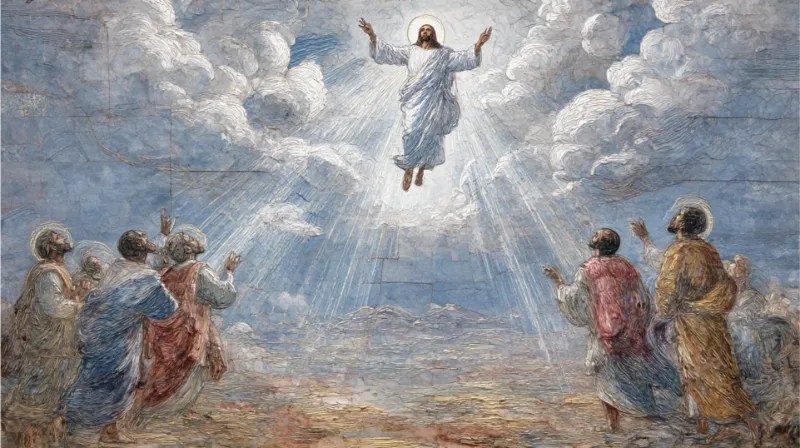
Mark 8:38
“If anyone is ashamed of me and my words in this adulterous and sinful generation, the Son of Man will be ashamed of them when he comes in his Father’s glory with the holy angels.”
Reflection: Jesus says this just after he first teaches that the Son of Man “must suffer many things and be rejected” and be killed (8:31), and after calling the crowd to “take up their cross and follow me” (8:34). The warning is about being ashamed of Jesus and his words “in this adulterous and sinful generation,” and the Son of Man will be ashamed of that person when he comes in his Father’s glory.
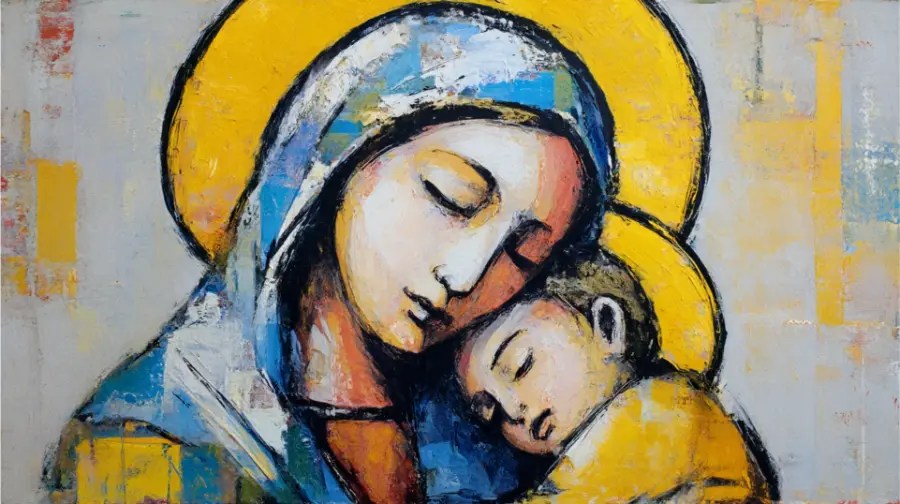
Romans 1:16
“For I am not ashamed of the gospel, because it is the power of God that brings salvation to everyone who believes: first to the Jew, then to the Gentile.”
Reflection: Paul gives his reason for not being ashamed in what the gospel does: it is “the power of God that brings salvation to everyone who believes.” Verse 17 continues that in the gospel “the righteousness of God is revealed.”
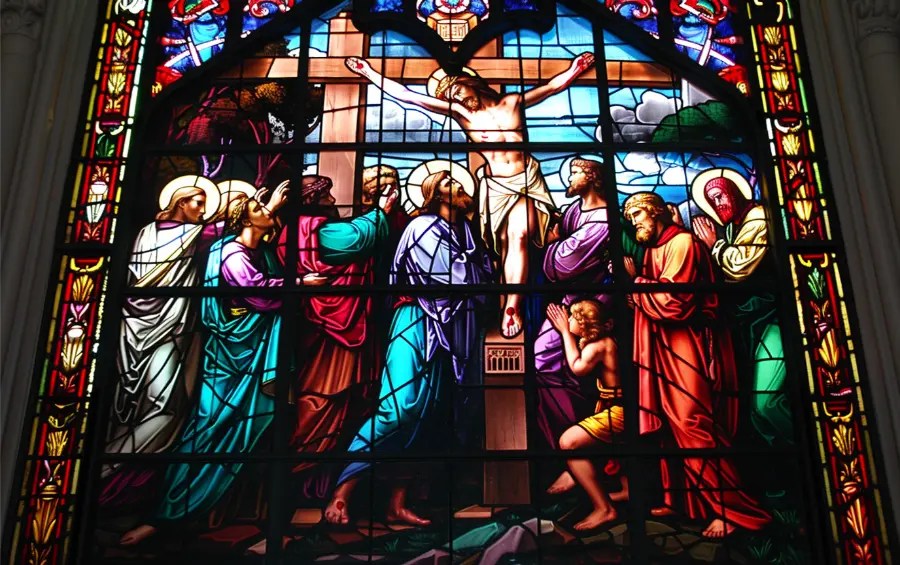
2 Timothy 1:12
“That is why I am suffering as I am. Yet this is no cause for shame, because I know whom I have believed, and am convinced that he is able to guard what I have entrusted to him until that day.”
Reflection: Paul writes as the Lord’s prisoner and has just told Timothy, “do not be ashamed of the testimony about our Lord or of me his prisoner” (1:8). Here he gives his own ground for not being ashamed of his suffering: he knows the one he has believed. A few verses later he says everyone in the province of Asia has deserted him, while Onesiphorus “was not ashamed of my chains” (1:16).
1 John 2:28
“And now, dear children, continue in him, so that when he appears we may be confident and unashamed before him at his coming.”
Reflection: John has been writing about “those who are trying to lead you astray” (2:26) and tells his readers to remain in Christ. The shame in view belongs to the day Christ appears: those who continue in him will be “confident and unashamed before him at his coming,” the same moment Mark 8:38 speaks of.
A verse for how you feel
Choose how you feel today and read a verse from Scripture.
And hope does not disappoint us, because God has poured out His love into our hearts through the Holy Spirit, whom He has given us.
Get a verse each week
Thank you. Your first verse is on its way.
If nothing arrives in a few minutes, look in your spam or promotions folder.
Keep this for another day. A verse for how you feel has a page of its own, with our verses for each feeling.
Each verse is quoted from the Berean Standard Bible.
Shame with guilt and shame without it
Ezra 9:6 puts shame and guilt in one sentence: Ezra is “too ashamed and disgraced” because “our guilt has reached to the heavens.” Psalm 44 separates them, describing a nation covered with shame that had not been false to the covenant. Psalm 69 holds both: David admits “my guilt is not hidden from you” (69:5) and says the scorn he bears is “for your sake” (69:7). Ezra 9:6 and Psalm 69:19-20 are both addressed to God.


Leave a Reply