
 English
 Chinese
 Dutch
 Arabic
 Spanish
 Portuguese
 Russian
 French
 Italian
 German
 Japanese
The Bible expects struggle and names it plainly. Jesus told his disciples, “In this world you will have trouble” (John 16:33), and Job calls human life “full of trouble” (Job 14:1).
The struggles it describes include the conflict inside a person between what they want to do and what they do (Romans 7:15, 19; Galatians 5:17), a fight against spiritual powers (Ephesians 6:12), and Jacob’s night of wrestling at the Jabbok, after which he was renamed Israel (Genesis 32:28). Alongside these it sets God’s presence in the struggle (Psalm 23:4; Isaiah 43:2), what endurance produces (James 1:2-4; Romans 5:3-5; Hebrews 12:11), and a promised end to mourning, crying and pain (Revelation 21:4).
Trouble as part of life in this world
John 16:33
“I have told you these things, so that in me you may have peace. In this world you will have trouble. But take heart! I have overcome the world.”
Reflection: Jesus says this to the disciples at the end of his long talk with them before his arrest, straight after warning them that they will be scattered and leave him alone (John 16:32). The peace he offers is “in me”, set against the trouble they will have “in this world”. He speaks of having overcome the world as something already done, while the cross is still ahead of him.
Job 14:1
“Mortals, born of woman, are of few days and full of trouble.”
Reflection: Job speaks these words to God, as the next lines show: “Do you fix your eye on them? Will you bring them before you for judgment?” (Job 14:3). He compares human beings to flowers that wither and to shadows that do not last (14:2), and asks God to “look away from him and let him alone” (14:6). The verse is Job’s complaint, spoken from inside his own suffering.
Ecclesiastes 2:22-23
“What do people get for all the toil and anxious striving with which they labor under the sun? All their days their work is grief and pain; even at night their minds do not rest. This too is meaningless.”
Reflection: The Teacher has just said he hated his work because he must leave everything he built to someone who may turn out a fool (Ecclesiastes 2:18-19). Sleepless nights and grief at work are part of what he calls meaningless. The next verse turns: “A person can do nothing better than to eat and drink and find satisfaction in their own toil. This too, I see, is from the hand of God” (2:24).
Romans 8:22
“We know that the whole creation has been groaning as in the pains of childbirth right up to the present time.”
Reflection: Paul extends the struggle to the whole creation, which was “subjected to frustration” and waits to be “liberated from its bondage to decay” (Romans 8:20-21). The image is of labour pains, and the next verse includes believers in it: “we ourselves, who have the firstfruits of the Spirit, groan inwardly as we wait eagerly for our adoption to sonship, the redemption of our bodies” (8:23).
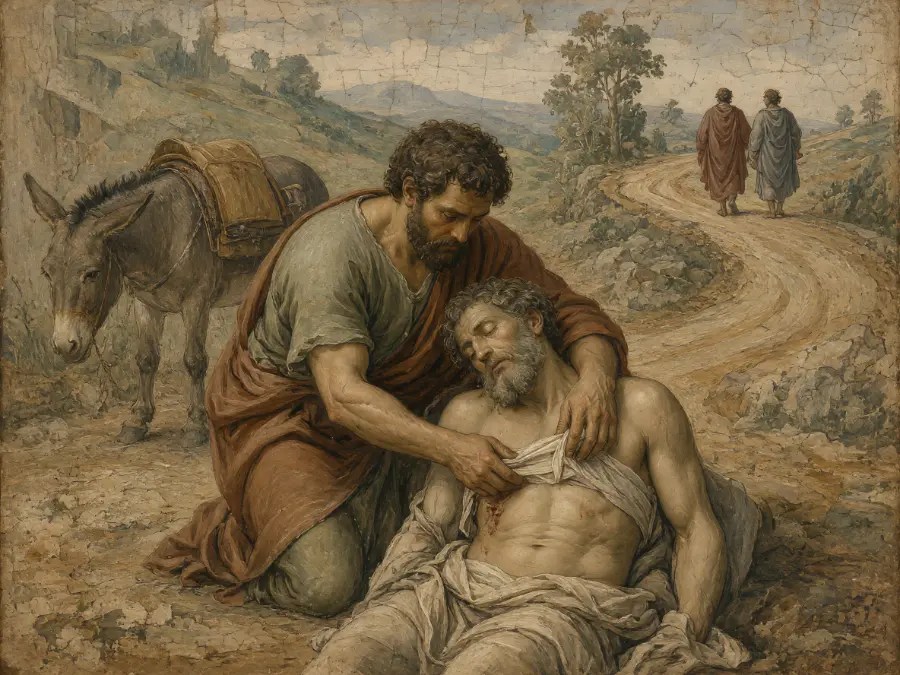
Psalm 34:19
“The righteous person may have many troubles, but the LORD delivers him from them all.”
Reflection: The psalm’s heading ties it to the time David pretended to be insane before Abimelek and was driven away. The verse takes it as given that the righteous will have “many troubles” and promises deliverance “from them all”. The verse before it adds where the LORD is meanwhile: “The LORD is close to the brokenhearted and saves those who are crushed in spirit” (Psalm 34:18).
The struggle inside a person
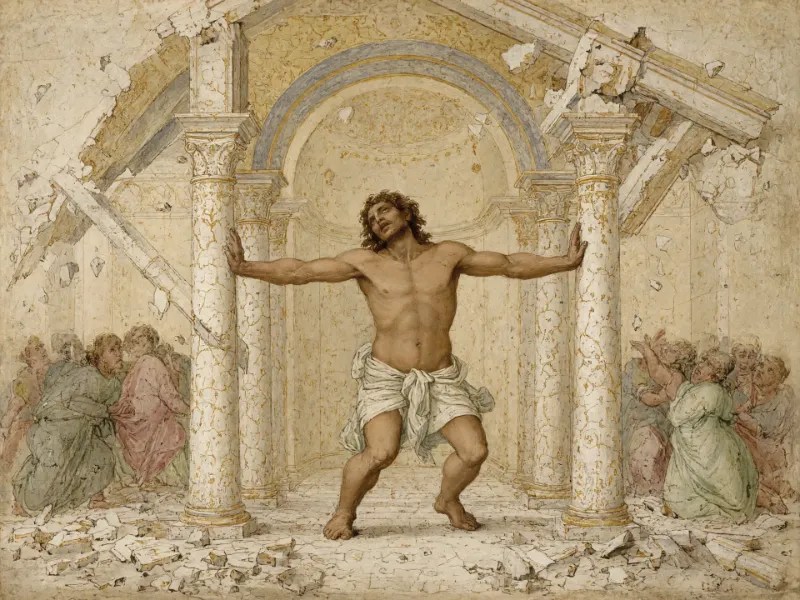
Romans 7:15, 19
“I do not understand what I do. For what I want to do I do not do, but what I hate I do… For I do not do the good I want to do, but the evil I do not want to do—this I keep on doing.”
Reflection: Paul writes in the first person and the present tense about wanting to do good and doing the opposite, and he puts the cause down to “sin living in me” (Romans 7:17, 20). He describes “another law at work in me, waging war against the law of my mind” (7:23). Near the end of the chapter comes a cry and an answer: “What a wretched man I am! Who will rescue me from this body that is subject to death? Thanks be to God, who delivers me through Jesus Christ our Lord!” (7:24-25). The same verse 25 closes the chapter with “in my sinful nature a slave to the law of sin”.

Galatians 5:17
“For the flesh desires what is contrary to the Spirit, and the Spirit what is contrary to the flesh. They are in conflict with each other, so that you are not to do whatever you want.”
Reflection: The verse before gives the instruction this one explains: “walk by the Spirit, and you will not gratify the desires of the flesh” (Galatians 5:16). Paul then lists the acts of the flesh and the fruit of the Spirit side by side (5:19-23). He adds that “those who belong to Christ Jesus have crucified the flesh with its passions and desires” (5:24).
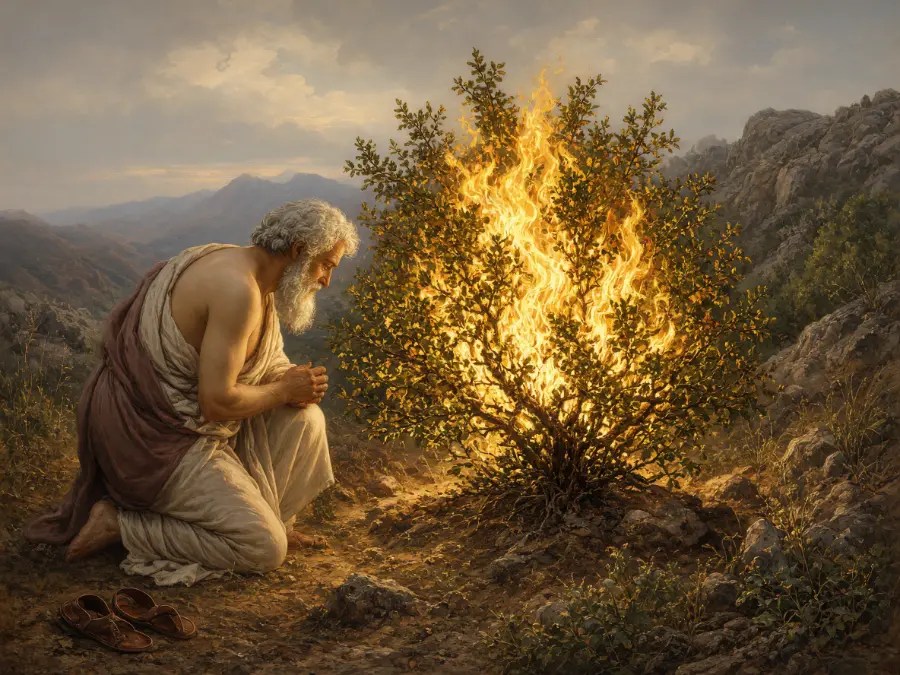
James 1:14-15
“…but each person is tempted when they are dragged away by their own evil desire and enticed. Then, after desire has conceived, it gives birth to sin; and sin, when it is full-grown, gives birth to death.”
Reflection: James is answering anyone who says “God is tempting me”; God “cannot be tempted by evil, nor does he tempt anyone” (James 1:13). The source of temptation is a person’s “own evil desire”, and James traces its growth like a life: desire conceives, gives birth to sin, and sin grows up and gives birth to death. Two verses earlier he blesses “the one who perseveres under trial” and promises that person “the crown of life” (1:12).
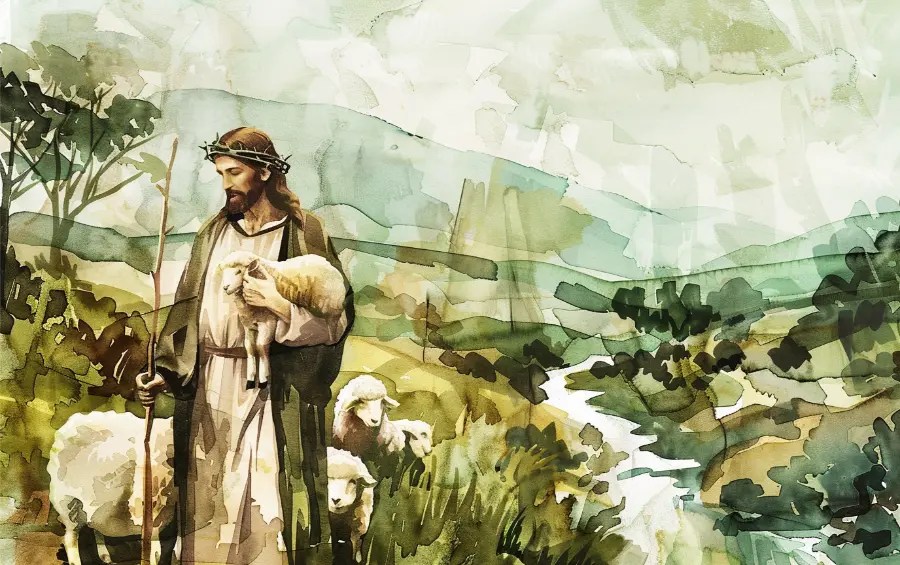
1 Corinthians 10:13
“No temptation has overtaken you except what is common to mankind. And God is faithful; he will not let you be tempted beyond what you can bear. But when you are tempted, he will also provide a way out so that you can endure it.”
Reflection: Paul has just listed the wilderness generation’s failures (idolatry, sexual immorality, testing Christ and grumbling) and warned, “if you think you are standing firm, be careful that you don’t fall!” (1 Corinthians 10:7-12). This verse follows the warning with a promise that rests on God’s faithfulness. The way out God provides is given “so that you can endure it”.
A struggle against spiritual powers
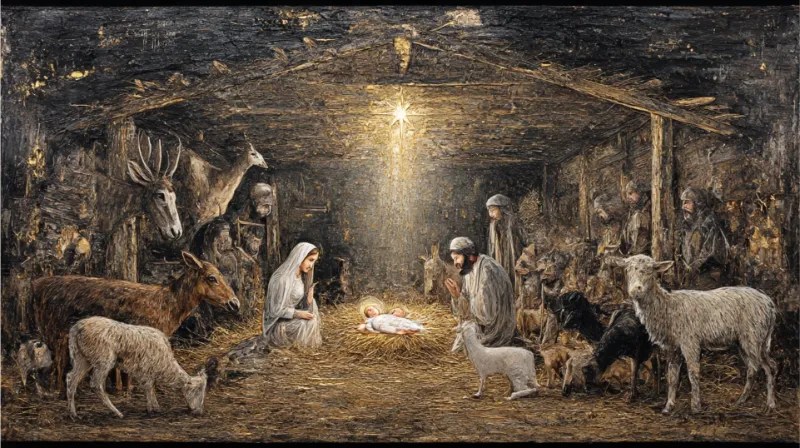
Ephesians 6:12
“For our struggle is not against flesh and blood, but against the rulers, against the authorities, against the powers of this dark world and against the spiritual forces of evil in the heavenly realms.”
Reflection: The Greek word translated struggle is pale, a wrestling match. Paul names the opponents as rulers, authorities and spiritual forces of evil, and his answer is the armour of God, put on so that the reader can “stand your ground, and after you have done everything, to stand” (Ephesians 6:13). After the armour comes prayer “on all occasions” for “all the Lord’s people” (6:18), and then Paul asks for prayer for himself, that he may make known the gospel “fearlessly” (6:19-20).
Struggling with God

Genesis 32:28
“Then the man said, ‘Your name will no longer be Jacob, but Israel, because you have struggled with God and with humans and have overcome.’”
Reflection: Jacob had sent his family and possessions across the ford of the Jabbok and was left alone, and “a man wrestled with him till daybreak” (Genesis 32:22-24). His hip was wrenched, yet he would not let go: “I will not let you go unless you bless me” (32:26). The new name comes with this reason, and Jacob names the place Peniel because “I saw God face to face, and yet my life was spared” (32:30). He left limping because of his hip (32:31).
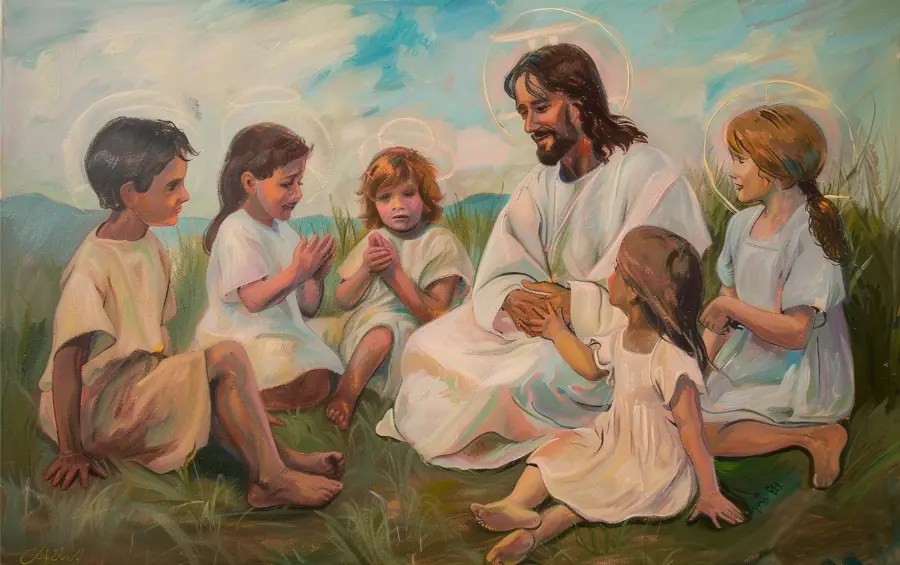
Psalm 42:11
“Why, my soul, are you downcast? Why so disturbed within me? Put your hope in God, for I will yet praise him, my Savior and my God.”
Reflection: This line appears twice in the psalm, at verse 5 and again at the close, and in it the psalmist speaks to his own soul. Between the two he asks God, “Why have you forgotten me? Why must I go about mourning, oppressed by the enemy?” (Psalm 42:9), while people ask him “Where is your God?” (42:3) and his foes taunt him with the same question (42:10). He remembers going to the house of God “with shouts of joy and praise among the festive throng” (42:4), and the psalm ends with hope still being urged on a downcast soul.
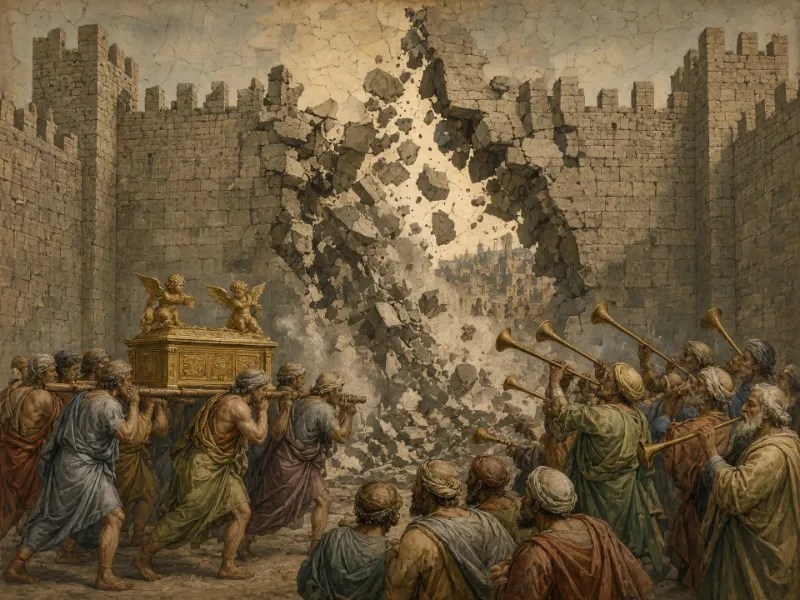
2 Corinthians 12:9-10
“But he said to me, ‘My grace is sufficient for you, for my power is made perfect in weakness.’ Therefore I will boast all the more gladly about my weaknesses, so that Christ’s power may rest on me. That is why, for Christ’s sake, I delight in weaknesses, in insults, in hardships, in persecutions, in difficulties. For when I am weak, then I am strong.”
Reflection: Paul had been given “a thorn in my flesh, a messenger of Satan, to torment me”, and “three times I pleaded with the Lord to take it away from me” (2 Corinthians 12:7-8). He does not say what the thorn was. The reply he records says nothing about taking it away: it promises grace and power in weakness, and in verse 10 Paul lists the hardships he now delights in.
God with people in the struggle

Psalm 23:4
“Even though I walk through the darkest valley, I will fear no evil, for you are with me; your rod and your staff, they comfort me.”
Reflection: The King James Version renders the valley as “the valley of the shadow of death”. In the first three verses David speaks about the LORD (“he refreshes my soul”); at this verse he begins speaking to him (“you are with me”). The rod and staff are a shepherd’s tools, and in the next verse the enemies are still present while the table is laid “in the presence of my enemies” (Psalm 23:5).
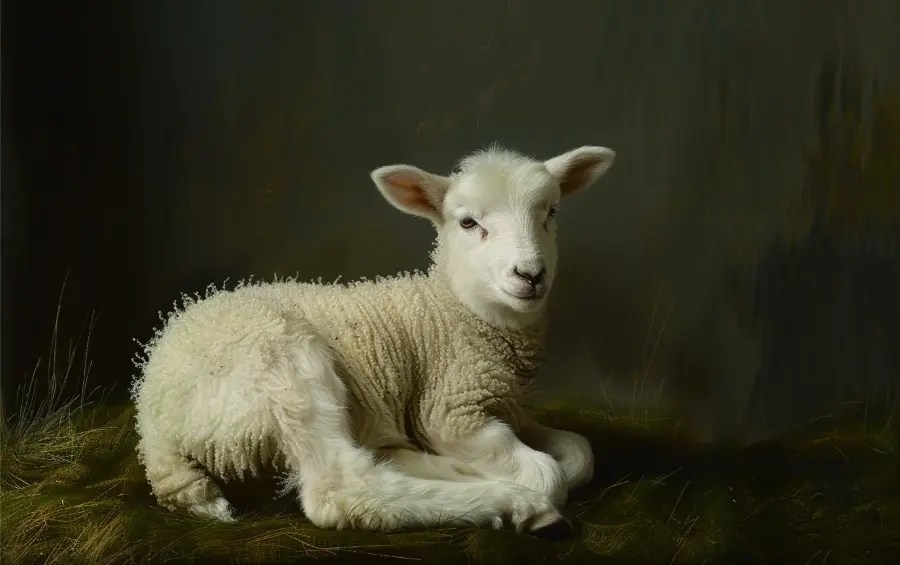
Isaiah 43:2
“When you pass through the waters, I will be with you; and when you pass through the rivers, they will not sweep over you. When you walk through the fire, you will not be burned; the flames will not set you ablaze.”
Reflection: The LORD speaks to Jacob and Israel, and the verse before gives the ground of the promise: “Do not fear, for I have redeemed you; I have summoned you by name; you are mine” (Isaiah 43:1). The waters, rivers and fire are things the people will pass through, and the promise is that God will be with them there. The next verse gives the reason: “For I am the LORD your God, the Holy One of Israel, your Savior” (43:3).
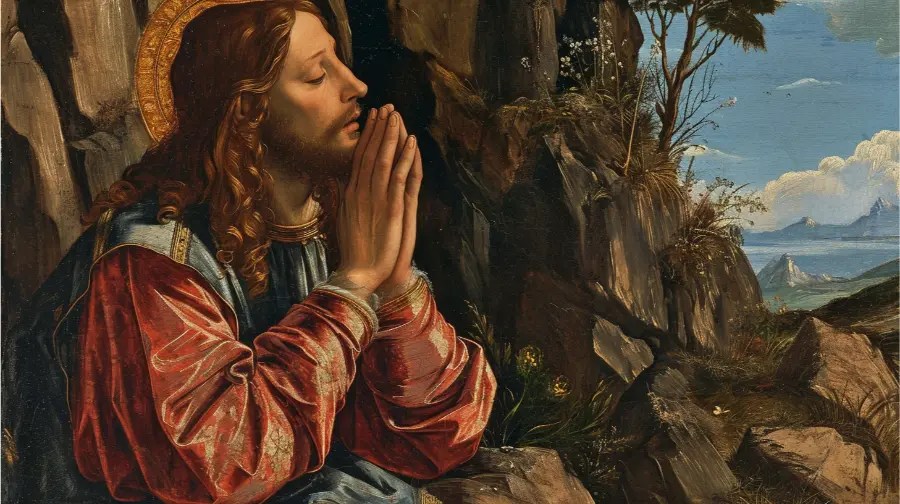
2 Corinthians 4:8-9
“We are hard pressed on every side, but not crushed; perplexed, but not in despair; persecuted, but not abandoned; struck down, but not destroyed.”
Reflection: Four pairs describe Paul’s ministry, each naming a pressure and the limit it did not pass. The verse before says the treasure is held “in jars of clay to show that this all-surpassing power is from God and not from us” (2 Corinthians 4:7). Later in the chapter he writes, “Therefore we do not lose heart”, and calls the troubles “light and momentary” beside “an eternal glory that far outweighs them all” (4:16-17).
What endurance produces

James 1:2-4
“Consider it pure joy, my brothers and sisters, whenever you face trials of many kinds, because you know that the testing of your faith produces perseverance. Let perseverance finish its work so that you may be mature and complete, not lacking anything.”
Reflection: James tells his readers to count trials as joy for what testing produces: perseverance, and through it maturity, “not lacking anything”. The next verse picks up the same word: “If any of you lacks wisdom, you should ask God, who gives generously to all without finding fault” (James 1:5). He returns to the theme at verse 12, where the one who perseveres under trial receives “the crown of life”.

Romans 5:3-5
“Not only so, but we also glory in our sufferings, because we know that suffering produces perseverance; perseverance, character; and character, hope. And hope does not put us to shame, because God’s love has been poured out into our hearts through the Holy Spirit, who has been given to us.”
Reflection: The chain starts from peace with God through faith (Romans 5:1) and boasting “in the hope of the glory of God” (5:2). Paul then adds boasting in sufferings and traces what they produce, ending at hope. Verse 5 gives the reason that hope does not put anyone to shame: God’s love has been poured out into their hearts through the Holy Spirit.
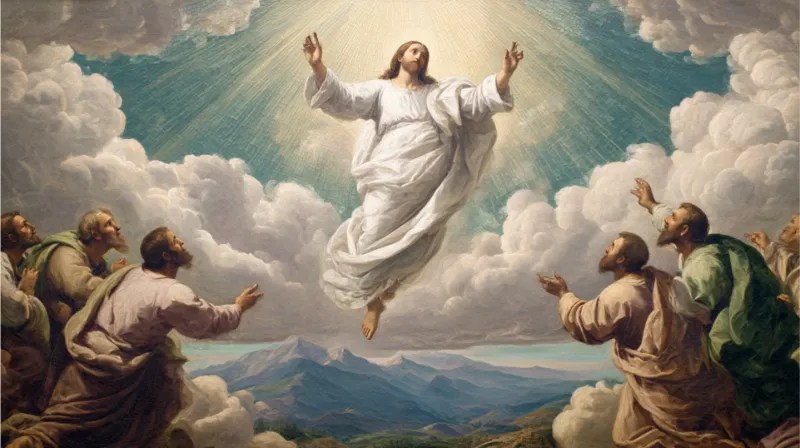
Hebrews 12:11
“No discipline seems pleasant at the time, but painful. Later on, however, it produces a harvest of righteousness and peace for those who have been trained by it.”
Reflection: The word struggle appears a few verses earlier: “In your struggle against sin, you have not yet resisted to the point of shedding your blood” (Hebrews 12:4). The writer then quotes Proverbs 3:11-12 on the Lord’s discipline and tells the readers to “endure hardship as discipline; God is treating you as his children” (12:7). After this verse comes the command to “strengthen your feeble arms and weak knees” (12:12).
How the struggle ends
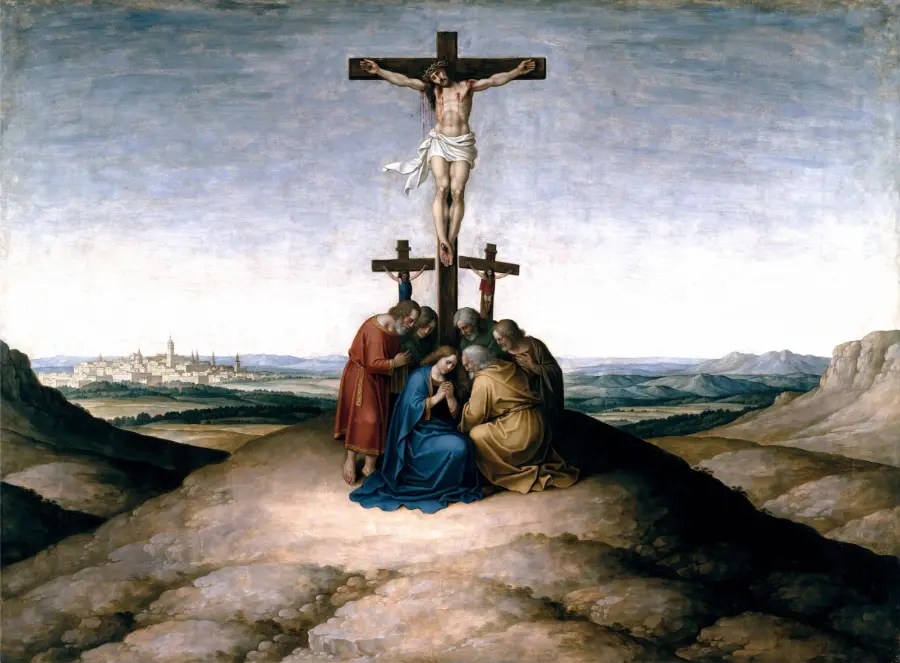
Romans 8:37-39
“No, in all these things we are more than conquerors through him who loved us. For I am convinced that neither death nor life, neither angels nor demons, neither the present nor the future, nor any powers, neither height nor depth, nor anything else in all creation, will be able to separate us from the love of God that is in Christ Jesus our Lord.”
Reflection: “All these things” refers to the list two verses earlier: “trouble or hardship or persecution or famine or nakedness or danger or sword” (Romans 8:35), followed by Psalm 44:22, “For your sake we face death all day long”. Paul says believers are more than conquerors in those things. His closing list runs from death and life to “anything else in all creation”, and none of it can separate them from the love of God in Christ Jesus.
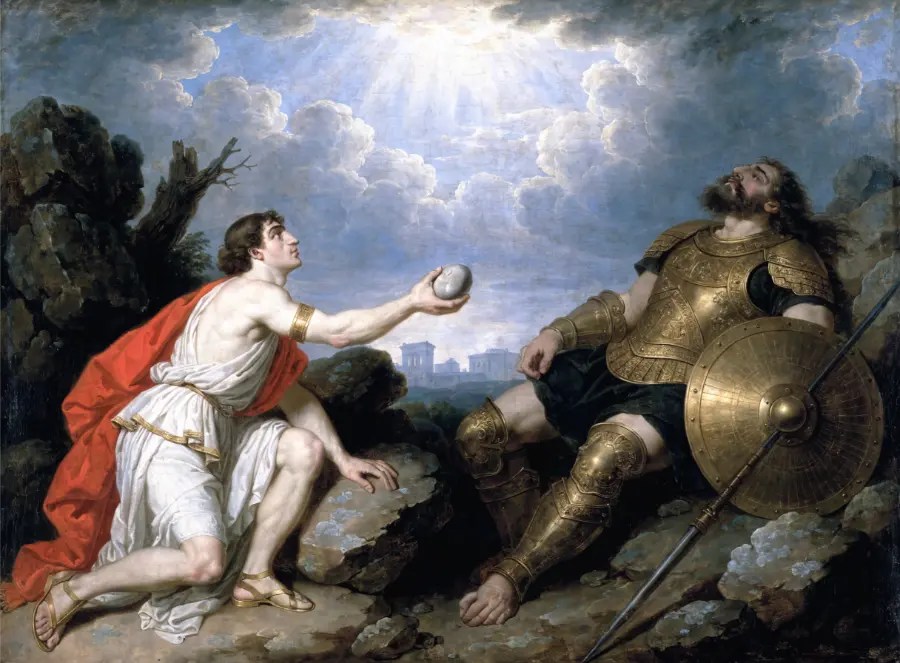
Revelation 21:4
“‘He will wipe every tear from their eyes. There will be no more death’ or mourning or crying or pain, for the old order of things has passed away.”
Reflection: John sees a new heaven and a new earth, and a loud voice from the throne announces that “God’s dwelling place is now among the people” (Revelation 21:3). The words “He will wipe every tear from their eyes” echo Isaiah 25:8, “The Sovereign LORD will wipe away the tears from all faces”. The one seated on the throne then says, “I am making everything new!” (21:5).
A verse for how you feel
Choose how you feel today and read a verse from Scripture.
I can do all things through Christ who gives me strength.
Get a verse each week
Thank you. Your first verse is on its way.
If nothing arrives in a few minutes, look in your spam or promotions folder.
Keep this for another day. A verse for how you feel has a page of its own, with our verses for each feeling.
Each verse is quoted from the Berean Standard Bible.
Struggles that end without a resolution
In Romans 7, Psalm 42 and 2 Corinthians 12:7-10 the struggle is still under way when the passage ends. Romans 7:25 gives thanks for rescue through Jesus Christ and, in the same verse, says “in my sinful nature a slave to the law of sin”. Psalm 42 ends with the psalmist asking his soul at verse 11 the question he asked it at verse 5, “Why, my soul, are you downcast?” Paul’s thorn in 2 Corinthians 12 is never named or said to be removed, and Revelation 21:4 places the end of mourning, crying and pain in the new creation.
Psalm 42:9 and 2 Corinthians 12:8 record prayers made in the middle of a struggle: the psalmist asks God “Why have you forgotten me?”, and Paul pleaded three times for the thorn to be taken away. Psalm 23:4 is also addressed to God and can be prayed as written.


Leave a Reply