
 English
 Chinese
 Dutch
 Arabic
 Spanish
 Portuguese
 Russian
 French
 Italian
 German
 Japanese
The Bible expects God’s people to suffer, and it answers suffering with God’s nearness now and an end to pain later. The Lord is “close to the brokenhearted” (Psalm 34:18), trials produce perseverance (Romans 5:3-4), and a day is coming with no more “mourning or crying or pain” (Revelation 21:4).
Some passages give a reason for a particular suffering. Paul’s thorn in the flesh was given “to keep me from becoming conceited” (2 Corinthians 12:7), and Lamentations 3 ties the speaker’s grief to sin (verses 39-42) while saying the Lord does not bring it willingly (verse 33). Job worships after losing his children (Job 1:21), and the reader has been shown the challenge Satan made in heaven (Job 1:9-11), a scene Job was not present for.
God near to those who suffer
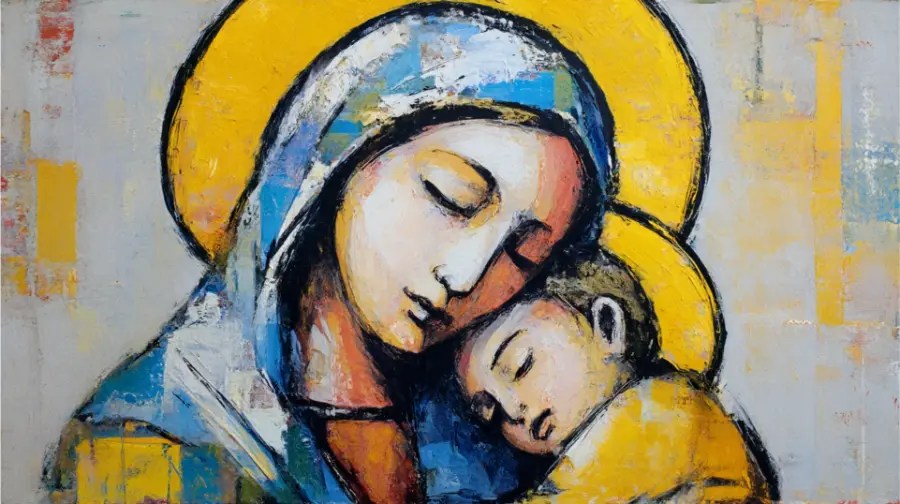
Psalm 34:18
“The Lord is close to the brokenhearted and saves those who are crushed in spirit.”
Reflection: The psalm’s heading sets it after David pretended to be insane before Abimelek and was driven away. The next verse does not promise a life without trouble: “The righteous person may have many troubles, but the Lord delivers him from them all.”

Psalm 147:3
“He heals the brokenhearted and binds up their wounds.”
Reflection: Psalm 147 is a hymn of praise, and the line before this one says the Lord “builds up Jerusalem; he gathers the exiles of Israel.” The healing of the brokenhearted is listed among the same acts of rebuilding and gathering.

Psalm 73:26
“My flesh and my heart may fail, but God is the strength of my heart and my portion forever.”
Reflection: Asaph, who wrote the psalm, admits that his feet had almost slipped because he envied the prosperity of the wicked (verses 2-3). The trouble lasted “till I entered the sanctuary of God” (verse 17). Here he grants that flesh and heart may fail and names God as his portion, and he ends the psalm saying, “as for me, it is good to be near God.”
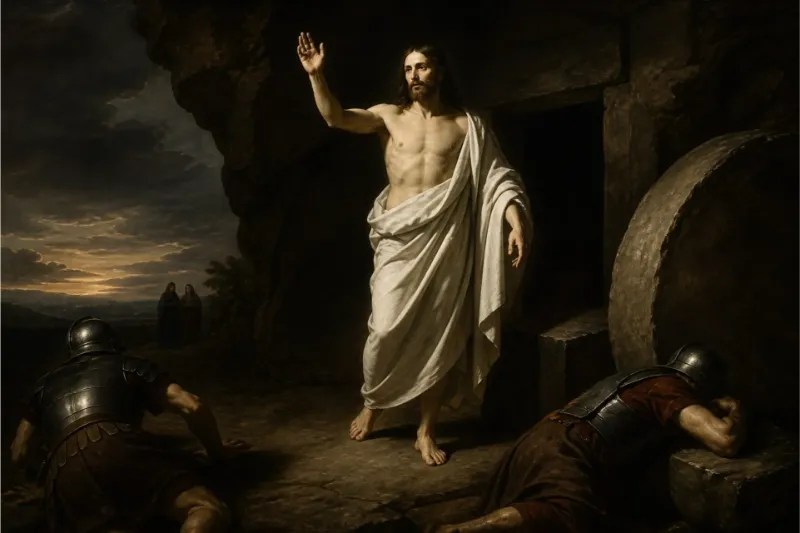
Matthew 5:4
“Blessed are those who mourn, for they will be comforted.”
Reflection: This is the second of the blessings Jesus pronounces in Matthew 5, following “Blessed are the poor in spirit.” The mourners are called blessed because of what is promised to them, comfort, which the verse places in the future tense.
Comforting others who suffer

2 Corinthians 1:3-4
“Praise be to the God and Father of our Lord Jesus Christ, the Father of compassion and the God of all comfort, who comforts us in all our troubles, so that we can comfort those in any trouble with the comfort we ourselves receive from God.”
Reflection: Paul opens the letter by praising “the God of all comfort” and says the comfort he receives is meant to be passed on. A few verses later he describes troubles in the province of Asia so heavy that “we despaired of life itself” (verse 8), and he says the pressure came “that we might not rely on ourselves but on God, who raises the dead” (verse 9).

Romans 12:15
“Rejoice with those who rejoice; mourn with those who mourn.”
Reflection: The instruction sits in a run of short commands to the church in Rome, beginning with “Bless those who persecute you” (verse 14) and continuing with “Live in harmony with one another” (verse 16). Mourning with those who mourn is presented as ordinary church life, set beside rejoicing with those who rejoice.
What suffering produces

Romans 5:3-4
“Not only so, but we also glory in our sufferings, because we know that suffering produces perseverance; perseverance, character; and character, hope.”
Reflection: “Not only so” ties this verse to the one before it, where believers “boast in the hope of the glory of God.” Paul extends the boast to sufferings and gives a chain: suffering, perseverance, character, hope. Verse 5 finishes the chain: “hope does not put us to shame, because God’s love has been poured out into our hearts through the Holy Spirit.”
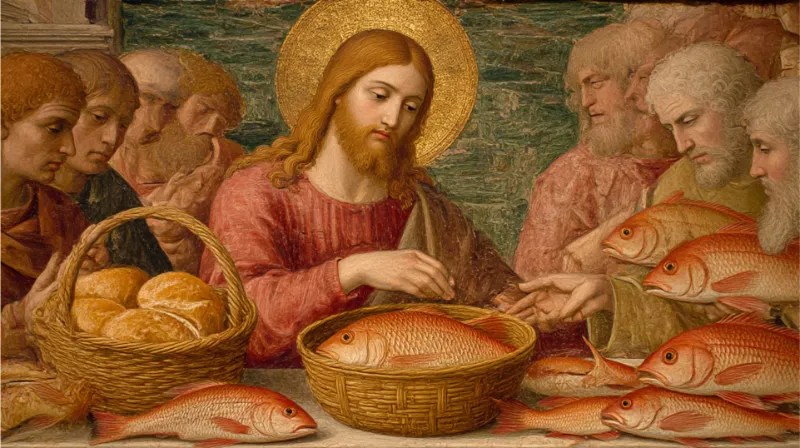
James 1:2-4
“Consider it pure joy, my brothers and sisters, whenever you face trials of many kinds, because you know that the testing of your faith produces perseverance. Let perseverance finish its work so that you may be mature and complete, not lacking anything.”
Reflection: James calls trials a testing of faith and says the testing produces perseverance. He then gives perseverance a goal of its own: to “finish its work so that you may be mature and complete, not lacking anything.”

1 Peter 1:6-7
“In all this you greatly rejoice, though now for a little while you may have had to suffer grief in all kinds of trials. These have come so that the proven genuineness of your faith—of greater worth than gold, which perishes even though refined by fire—may result in praise, glory and honor when Jesus Christ is revealed.”
Reflection: “In all this” points back to verses 3-5: new birth into a living hope and an inheritance “kept in heaven for you.” Peter says the grief lasts “for a little while” and compares faith to gold refined by fire, with the difference that faith is worth more and gold perishes.
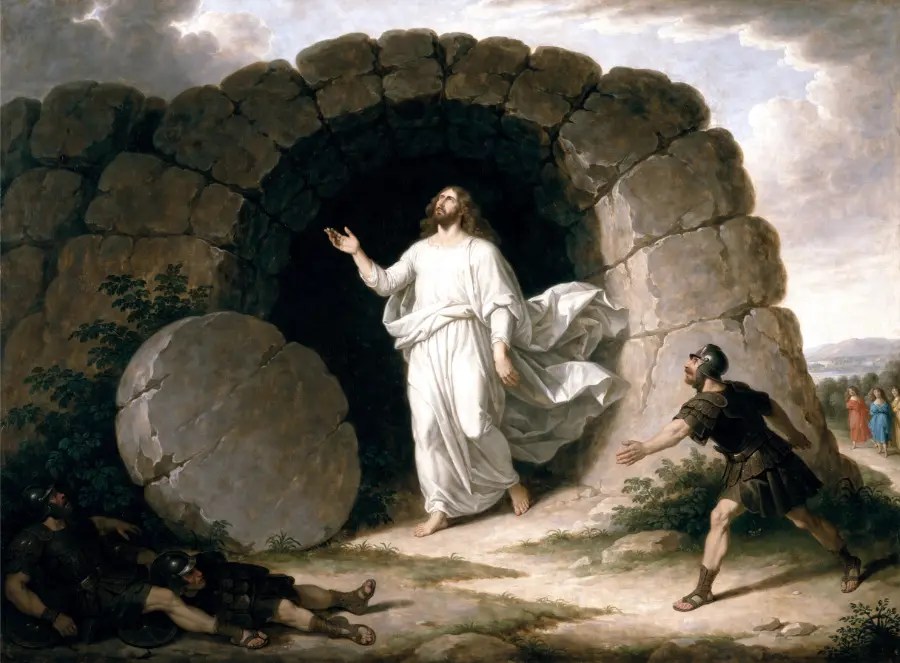
2 Corinthians 12:9
“But he said to me, ‘My grace is sufficient for you, for my power is made perfect in weakness.’ Therefore I will boast all the more gladly about my weaknesses, so that Christ’s power may rest on me.”
Reflection: Paul writes that “in order to keep me from becoming conceited, I was given a thorn in my flesh, a messenger of Satan, to torment me,” and that he pleaded with the Lord three times to take it away (verses 7-8). The passage does not say what the thorn was. The answer he records is not removal but grace, and in verse 10 he says he delights “in weaknesses, in insults, in hardships, in persecutions, in difficulties. For when I am weak, then I am strong.”
Christ’s suffering, and sharing in it

Isaiah 53:3
“He was despised and rejected by mankind, a man of suffering, and familiar with pain. Like one from whom people hide their faces he was despised, and we held him in low esteem.”
Reflection: The verse describes the servant of the Lord as “a man of suffering, and familiar with pain.” The next two verses say he suffered on behalf of others: “Surely he took up our pain and bore our suffering,” and “by his wounds we are healed.” 1 Peter 2:24 quotes that last line and applies it to Christ, who “bore our sins” in his body on the cross.
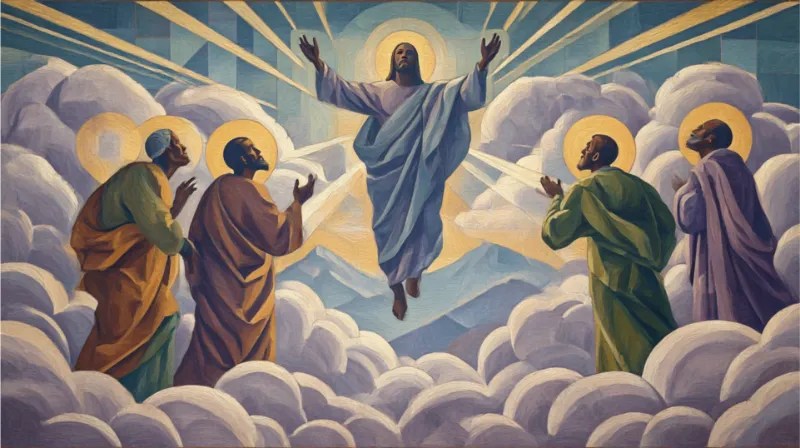
1 Peter 2:21
“To this you were called, because Christ suffered for you, leaving you an example, that you should follow in his steps.”
Reflection: Peter is writing to slaves with harsh masters, and the calling he names is to bear “the pain of unjust suffering” (verse 19). Christ is the example because “when he suffered, he made no threats. Instead, he entrusted himself to him who judges justly” (verse 23).

Hebrews 12:2-3
“Fixing our eyes on Jesus, the pioneer and perfecter of faith. For the joy set before him he endured the cross, scorning its shame, and sat down at the right hand of the throne of God. Consider him who endured such opposition from sinners, so that you will not grow weary and lose heart.”
Reflection: The writer pictures faith as a race run “with perseverance” in front of “a great cloud of witnesses” (verse 1). Jesus endured the cross for “the joy set before him,” and the reader is told to consider him “so that you will not grow weary and lose heart.” Verse 4 adds that the readers have “not yet resisted to the point of shedding your blood.”

Philippians 3:10
“I want to know Christ—yes, to know the power of his resurrection and participation in his sufferings, becoming like him in his death.”
Reflection: Paul has just counted everything he once valued as loss “because of the surpassing worth of knowing Christ Jesus my Lord” (verse 8). Knowing Christ, in his words, includes both the power of the resurrection and “participation in his sufferings,” and verse 11 names where it leads: “attaining to the resurrection from the dead.”

1 Peter 4:12-13
“Dear friends, do not be surprised at the fiery ordeal that has come on you to test you, as though something strange were happening to you. But rejoice inasmuch as you participate in the sufferings of Christ, so that you may be overjoyed when his glory is revealed.”
Reflection: Peter tells his readers that suffering for Christ is not strange. He separates it from suffering earned “as a murderer or thief” (verse 15) and ends the passage with instructions: “those who suffer according to God’s will should commit themselves to their faithful Creator and continue to do good” (verse 19).
Loss and lament
Job 1:21
“Naked I came from my mother’s womb, and naked I will depart. The Lord gave and the Lord has taken away; may the name of the Lord be praised.”
Reflection: Job speaks these words after the death of his children: a messenger reports that his sons and daughters died when a house collapsed on them. He tears his robe, shaves his head and falls to the ground in worship. The book opens by calling him “blameless and upright” (Job 1:1). The reader already knows what Job does not: Satan has asked, “Does Job fear God for nothing?” and the Lord has put everything Job has in Satan’s power (verses 9-12). Verse 22 says that “Job did not sin by charging God with wrongdoing.”
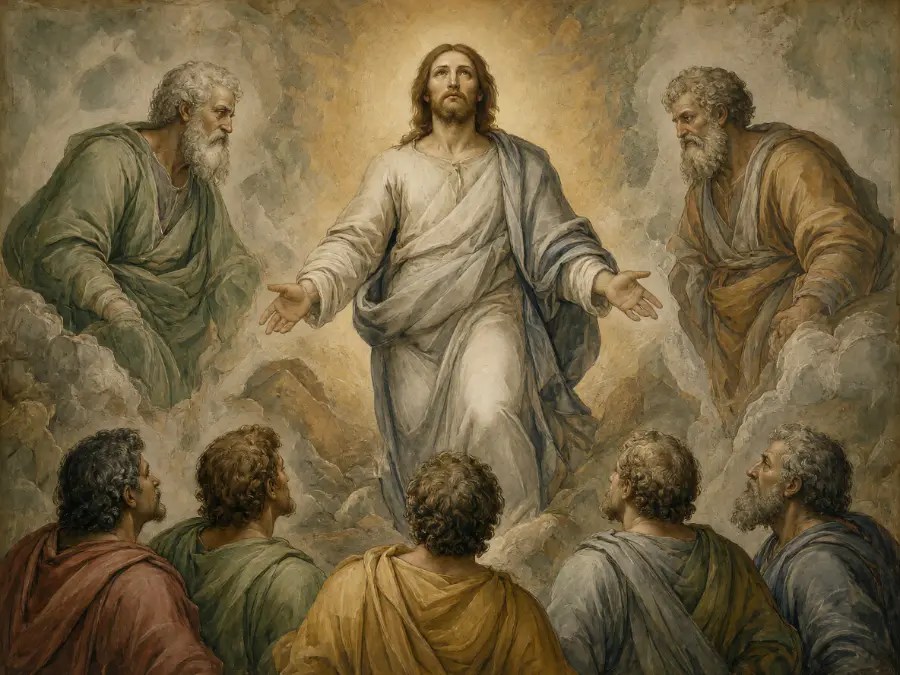
Lamentations 3:31-33
“For no one is cast off by the Lord forever. Though he brings grief, he will show compassion, so great is his unfailing love. For he does not willingly bring affliction or grief to anyone.”
Reflection: The chapter begins, “I am the man who has seen affliction by the rod of the Lord’s wrath,” and the speaker says his soul is downcast. Hope returns in verse 21 (“therefore I have hope”), and verses 22-23 give its ground: “his compassions never fail. They are new every morning.” Verses 31-33 hold two things together: the Lord brings grief, and he does not do it willingly. A few lines later the speaker asks, “Why should the living complain when punished for their sins?” (verse 39), and leads a confession: “We have sinned and rebelled” (verse 42).
Suffering set against what is coming
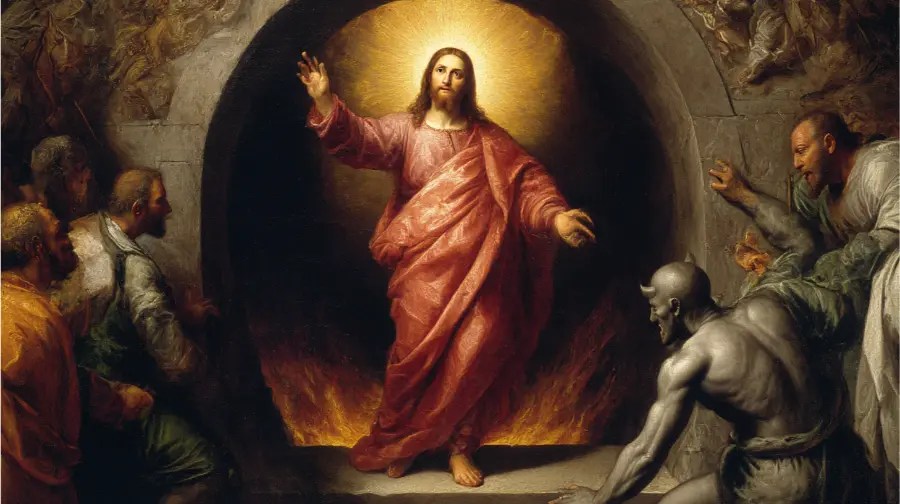
Romans 8:18
“I consider that our present sufferings are not worth comparing with the glory that will be revealed in us.”
Reflection: The verse before this one says believers are co-heirs with Christ “if indeed we share in his sufferings in order that we may also share in his glory.” Paul goes on to say that the whole creation groans “as in the pains of childbirth” and that believers groan inwardly as they wait for “the redemption of our bodies” (verses 22-23).

2 Corinthians 4:17-18
“For our light and momentary troubles are achieving for us an eternal glory that far outweighs them all. So we fix our eyes not on what is seen, but on what is unseen, since what is seen is temporary, but what is unseen is eternal.”
Reflection: Paul calls his troubles “light and momentary” in the same chapter where he says he is “hard pressed on every side,” “persecuted” and “struck down” (verses 8-9), and that “outwardly we are wasting away” (verse 16). The troubles are light only when weighed against “an eternal glory that far outweighs them all.”

Revelation 21:4
“‘He will wipe every tear from their eyes. There will be no more death’ or mourning or crying or pain, for the old order of things has passed away.”
Reflection: John hears these words from a loud voice from the throne in his vision of a new heaven and a new earth. The verse before announces that “God’s dwelling place is now among the people,” and verse 4 gives its own reason for the end of tears: “the old order of things has passed away.” The one seated on the throne then says, “I am making everything new!” (verse 5).
A verse for how you feel
Choose how you feel today and read a verse from Scripture.
‘He will wipe away every tear from their eyes,’ and there will be no more death or mourning or crying or pain, for the former things have passed away.”
Get a verse each week
Thank you. Your first verse is on its way.
If nothing arrives in a few minutes, look in your spam or promotions folder.
Keep this for another day. A verse for how you feel has a page of its own, with our verses for each feeling.
Each verse is quoted from the Berean Standard Bible.
Why the suffering comes, where the text says
The passages give different reasons for different sufferings. In 2 Corinthians 12:7 Paul says his thorn was given “to keep me from becoming conceited,” and when he asks three times for it to go, the answer he records is “My grace is sufficient for you” (verse 9). Lamentations 3:39-42 links the speaker’s affliction to sin and calls for confession, while verse 33 says the Lord does not bring grief willingly. First Peter separates suffering “for doing good” (1 Peter 2:20) from suffering “as a murderer or thief” (1 Peter 4:15).
Job 1:9-12 shows the reader why Job’s losses come: Satan’s claim that Job fears God only because he has been blessed. Job 1:21 is spoken by a man who was not present for that scene. Romans 8:18 and Revelation 21:4 place the end of suffering in the future, when there will be no more death, mourning, crying or pain.


Leave a Reply