
 English
 Chinese
 Dutch
 Arabic
 Spanish
 Portuguese
 Russian
 French
 Italian
 German
 Japanese
Scripture records no dream of blood, and gives no meaning to one. If we have come looking for what it signifies to see blood in the night, there is no verse that says, and we will not invent one.
But blood is not a minor word in the Bible. It may be the central one. And what it means there is almost the opposite of what a frightening dream suggests.
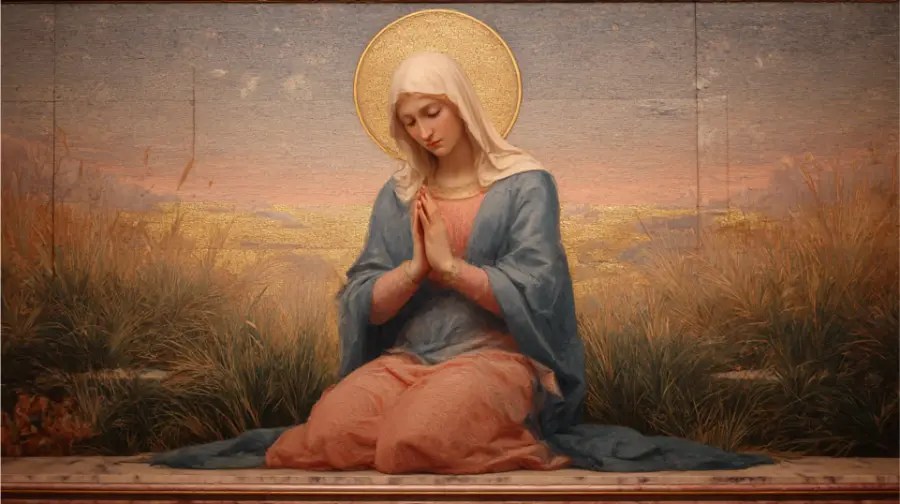
Does the Bible interpret dreams about blood?
It does not. Scripture records many dreams and interprets a handful, and in every case God supplies the meaning through a named servant, for one person, about one matter. There is no verse assigning a fixed sense to blood, or water, or fire, or any other image seen in sleep.
The Bible keeps no dream dictionary. It is the one reference book people most want it to be, and it declines.
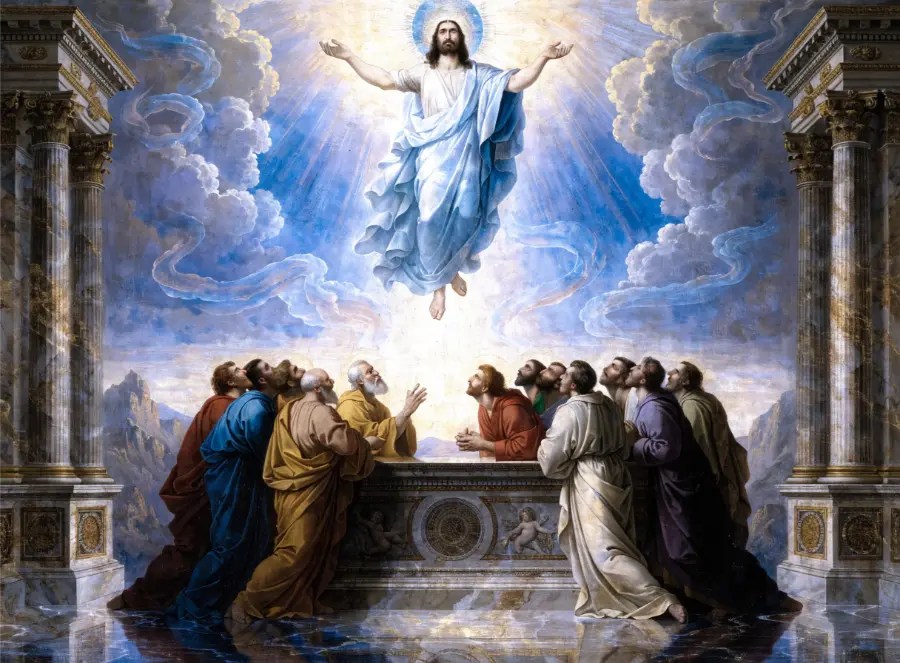
What does blood mean in the Bible?
Life. That is the definition Scripture gives itself, and it gives it plainly:
For the life of a creature is in the blood, and I have given it to you to make atonement for yourselves on the altar.
Read that twice. Blood is not primarily about death in the Hebrew Scriptures. It is about life — and about life being handed over on someone’s behalf. That is why it could never be eaten, and why it was the one thing brought to the altar.
Everything that follows in the Bible is built on that sentence. Without the shedding of blood there is no forgiveness, Hebrews says, summarising centuries of the law in nine words. Not because God is bloodthirsty. Because forgiveness is not free, and somebody always absorbs the cost of it.
The blood that speaks
Let us follow it, because the Bible is one long argument carried in this word.
It starts badly. Cain kills his brother in a field, and God says the blood cries out from the ground — the first thing blood does in Scripture is accuse.
Then it protects. On the last night in Egypt, blood is put on the doorframes, and the households behind those doors are passed over. The same substance that accused now shelters.
Then it covers. Year after year on the Day of Atonement, blood is carried into the holy place for the sins of a whole people who could not carry themselves.
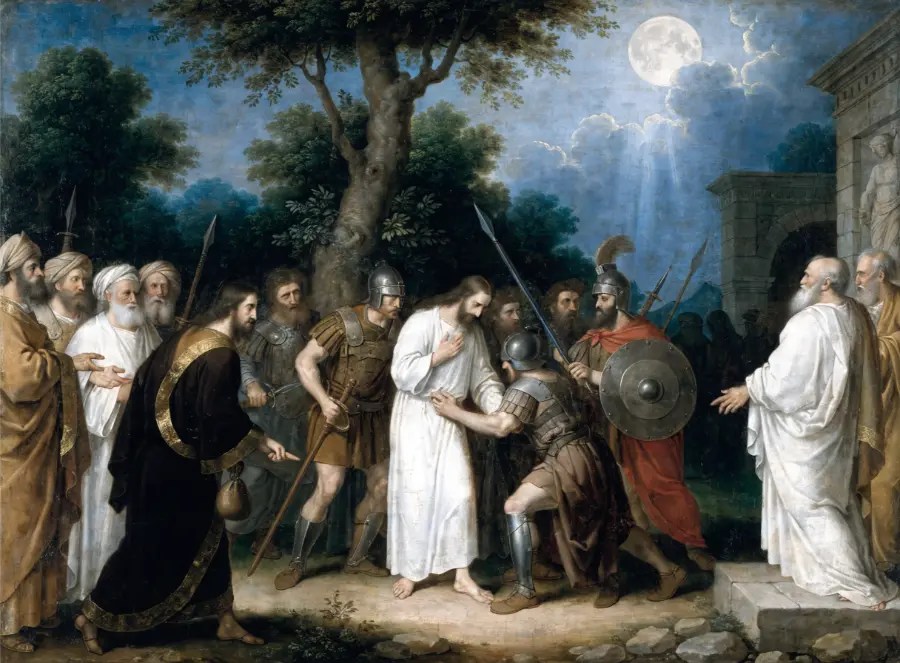
And then, on a Friday, it is poured out by someone who had no debt of his own — and the letter to the Hebrews says his blood speaks a better word than Abel’s. Abel’s blood cried for justice. This blood says something else.
For whoever woke frightened
Let us be honest about why people search this at three in the morning.
Not out of theological curiosity. Because the image was violent, or because it touched something we are already carrying — an illness, a loss, a fear for a child, a memory we do not discuss. Blood is the one thing we all know means something has gone badly wrong.
And this is precisely where Scripture’s usage turns the picture round. In the Bible, blood on the doorpost is the sign that the household is safe. Blood in the holy place is the sign that the account has been settled. The thing that looks like catastrophe is, in God’s hands, the mark of protection.
We are not promised that nothing will go wrong. We are told what the mark on the door means.

What to do with the morning
Let us not decode the dream; there is nothing there to decode.
But if it left fear, let us take the fear itself to God, plainly and without dressing it up. And if it touched something real — a diagnosis, a grief, a danger we cannot control — then let us say that, and let us say it to someone with skin on as well, because we are not built to carry such things alone.
If we walk in the light, as he is in the light, we have fellowship with one another, and the blood of Jesus, his Son, purifies us from all sin. Notice that fellowship and cleansing arrive in the same sentence. They usually do.
A blessing for the morning
May what frightened us in the night be seen by daylight for what it is.
May the mark on our door be the one that means we are covered.
And may we hear, under everything, the better word that has already been spoken over us.
Related reading
- Dreaming About Frogs: No Fixed Biblical Meaning
- Dreaming of Dirty Water: The Bible Gives It No Meaning
- 12 Prayers For Repentance: Simple & Powerful


Leave a Reply