
 English
 Chinese
 Dutch
 Arabic
 Spanish
 Portuguese
 Russian
 French
 Italian
 German
 Japanese
232 does not appear in the Bible. If it came to you as 2:32, three verses sit at that reference and they run into one another in a way that is worth following.

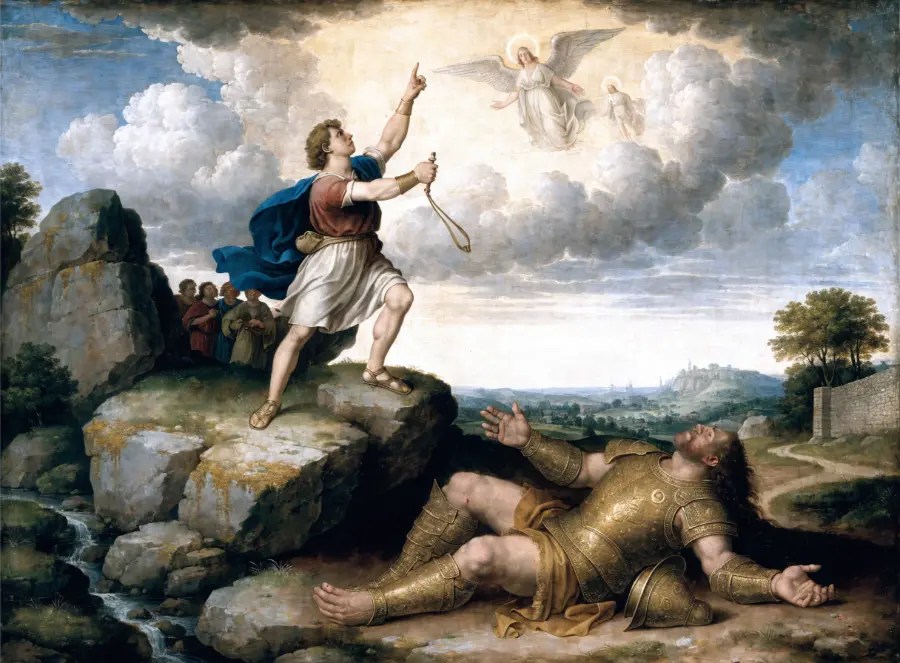
Joel 2:32
And everyone who calls on the name of the Lord will be saved.
It arrives at the end of a book about a locust plague and a call to return, after the moon turned to blood and the sun to darkness. The sentence is deliberately wide: everyone, without a qualifier.
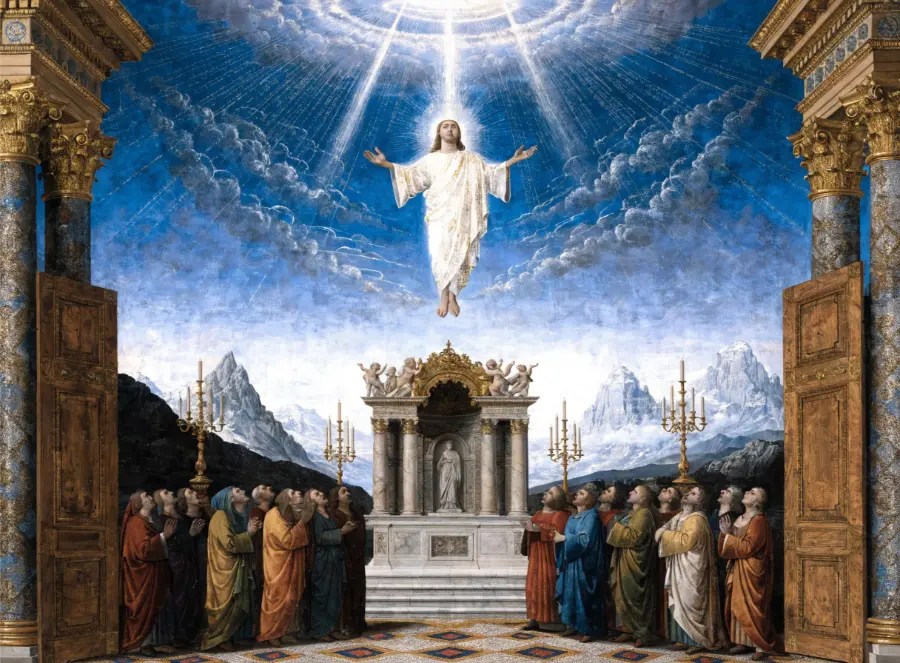
Acts 2:32
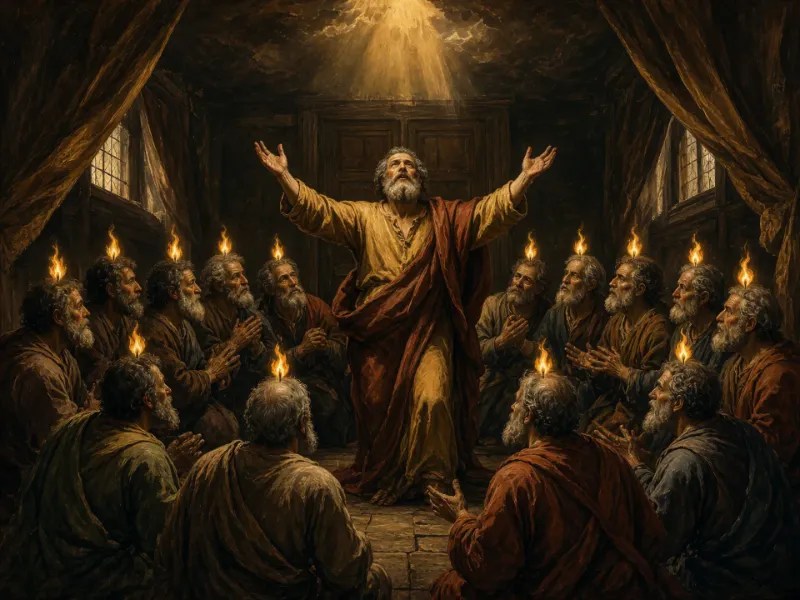
Peter, at Pentecost, quotes Joel in his sermon — including that line (Acts 2:21). And then, thirty verses in:
God has raised this Jesus to life, and we are all witnesses of it.
Two claims, and the second is checkable. We are all witnesses is said in Jerusalem, seven weeks after the event, to a crowd that included people who had been there.
It is the same move Paul makes in 1 Corinthians 15 when he names five hundred people and says most of them are still alive. The earliest Christian preaching keeps inviting verification, which is not what invented stories do.
Luke 2:32
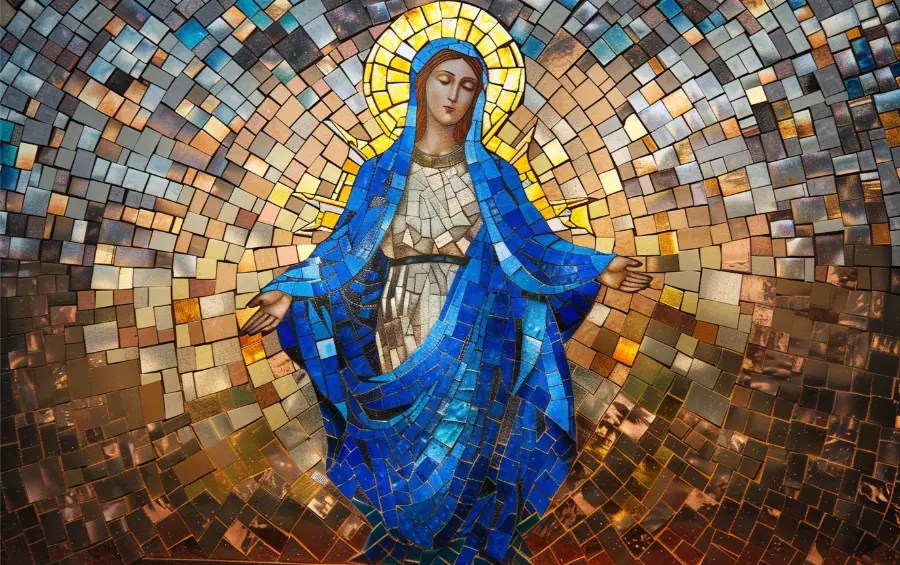
And the oldest of the three in narrative time. Simeon, holding a baby in the temple, having waited his whole life:
a light for revelation to the Gentiles, and the glory of your people Israel.
He has just said he can die now. Then he turns to Mary and says something nobody would put in a greeting card: a sword will pierce your own soul too.
The blessing and the warning are in the same breath.

Why they belong together
Nobody arranged this — the numbering is medieval, and these three landed at 2:32 by accident.
But read in order they make an argument. Joel promises that everyone who calls will be saved. Simeon sees the light that will reach beyond Israel. Peter stands up in Jerusalem, quotes Joel, and says the thing has happened and there are witnesses.
The accident is worth the five minutes.

Why a three-digit number cannot be biblical
The biblical writers used no chapter or verse numbers, and the church used none for its first twelve centuries. Chapter divisions are generally credited to Stephen Langton, around 1227. Verse numbers came from a printing house: Robert Estienne added them to his Greek New Testament in 1551 and to a complete Bible in 1555.
A reference is a finding aid roughly four hundred years old — the Bible’s index, not its content.
What Scripture says about looking for signs
Do not practise divination or seek omens. (Leviticus 19:26)
The objection is not that God has gone quiet. It is that reading messages off the world’s noise makes us the interpreters of our own signs, and then binds us to the reading.
If the number has been appearing, the cause is usually attention: once noticed, it is noticed again, while every other figure went uncounted.
And underneath there is generally something specific, which can be said directly: Do not be anxious about anything, but in every situation, by prayer and petition, with thanksgiving, present your requests to God. (Philippians 4:6)
Frequently asked
Does 232 appear in the Bible?
No. Three-digit numbers of that kind have nothing in Scripture to refer to, because chapter and verse numbering was added long after the text was written.
What is Joel 2:32?
“And everyone who calls on the name of the Lord will be saved” — quoted by Peter at Pentecost and by Paul in Romans 10:13.
What is Acts 2:32?
“God has raised this Jesus to life, and we are all witnesses of it” — said in Jerusalem seven weeks after the event, to a crowd that included people who had been there.
What is Luke 2:32?
Part of Simeon’s song over the infant Jesus: “a light for revelation to the Gentiles, and the glory of your people Israel.” He follows it with a warning to Mary about a sword.
When were chapters and verses added?
Chapters around 1227, credited to Stephen Langton. Verse numbers by the printer Robert Estienne, in 1551 and 1555.
More from this seriesBiblical NumerologySee all 53 articles

Leave a Reply