
 English
 Chinese
 Dutch
 Arabic
 Spanish
 Portuguese
 Russian
 French
 Italian
 German
 Japanese
Lutherans and Baptists are both Protestant, and both believe that sinners are saved by grace through faith in Christ. Where they part is over what baptism and the Lord’s Supper do. Lutherans baptize babies, teach that baptism gives grace, and believe Christ’s body and blood are present in Communion, while Baptists baptize only believers, by immersion, and keep the Supper as a memorial.
A family feels that difference at the font, at the Communion rail and in the pew. Underneath it, though, both churches make the same confession in the same words: “For by grace you have been saved through faith. And this is not your own doing; it is the gift of God” (Ephesians 2:8). What they disagree about is how God hands that gift to us, in the water and at the table.
Each name covers more than one church. In the United States the largest Lutheran bodies are the Evangelical Lutheran Church in America (ELCA), with nearly 8,400 congregations, and the Lutheran Church–Missouri Synod (LCMS), with nearly 2 million baptized members. The Wisconsin Evangelical Lutheran Synod (WELS) is smaller. The LCMS and WELS are stricter than the ELCA, for they practise close communion and do not ordain women. On the Baptist side the largest body is the Southern Baptist Convention (SBC), which had 12,331,954 members in 2025, and American Baptist Churches USA (ABCUSA) is another.
| Topic | Lutheran | Baptist |
|---|---|---|
| Began | 1517, Martin Luther’s protest in Germany; Augsburg Confession, 1530 | About 1609, John Smyth’s congregation of English exiles in Amsterdam |
| Doctrinal standard | The Lutheran Confessions in the Book of Concord | Confessions such as the Baptist Faith and Message 2000, held as guides, not creeds |
| Who is baptized | Infants and adults | Only people who profess faith |
| How | ELCA: pouring or immersion; never repeated | Immersion only |
| What baptism does | A means of grace: forgives sin and gives new birth | An ordinance, a rite Christ commanded: an act of obedience that pictures faith already held |
| Lord’s Supper | Christ’s true body and blood, under the bread and wine | A memorial (SBC); Christ spiritually present to faith (1689 Confession) |
| How often | ELCA: weekly is its stated norm | SBC: quarterly in 57% of churches (2012 survey) |
| Who may receive | ELCA: all the baptized; LCMS and WELS: close communion | SBC confession: the baptized only. 2012 survey: 52% of SBC churches invited any believer, 35% only the believer-baptized |
| Can a believer fall away? | Yes | SBC: no, true believers persevere |
| Government | ELCA: 65 synods, each with a bishop; LCMS: voters’ assemblies in each congregation | Each congregation governs itself |
| Women pastors | ELCA: yes; LCMS and WELS: no | SBC: no; ABCUSA: yes |
Where Lutherans and Baptists differ
Each answer is quoted from the church’s own documents or from one of our articles.
Losing salvation
Lutheran
They condemn the Anabaptists, who deny that those once justified can lose the Holy Ghost.
Baptist
All true believers endure to the end. Those whom God has accepted in Christ, and sanctified by His Spirit, will never fall away from the state of grace, but shall persevere to the end.
Original sin
Lutheran
Also they teach that since the fall of Adam all men begotten in the natural way are born with sin, that is, without the fear of God, without trust in God, and with concupiscence; and that this disease, or vice of origin, is truly sin, even now condemning and bringing eternal death upon those not born again through Baptism and the Holy Ghost.
Baptist
Through the temptation of Satan man transgressed the command of God, and fell from his original innocence whereby his posterity inherit a nature and an environment inclined toward sin. Therefore, as soon as they are capable of moral action, they become transgressors and are under condemnation.
From Baptist Faith and Message 2000, article III (Southern Baptist Convention, bfm.sbc.net)
Baptism
Lutheran
Of Baptism they teach that it is necessary to salvation, and that through Baptism is offered the grace of God, and that children are to be baptized who, being offered to God through Baptism are received into God’s grace.
Baptist
Christian baptism is the immersion of a believer in water in the name of the Father, the Son, and the Holy Spirit. It is an act of obedience symbolizing the believer’s faith in a crucified, buried, and risen Saviour, the believer’s death to sin, the burial of the old life, and the resurrection to walk in newness of life in Christ Jesus.
How baptism is done
Lutheran
Lutherans have therefore held that the manner of Baptism (that is, immersion, pouring, sprinkling, etc.) does not determine whether a Baptism is valid, any more than the manner of distributing the Lord's Supper (common cup, individual glasses) affects the validity of this Sacrament. Only the Word of God and the “element” (water), according to divine institution, makes a Baptism valid.
From LCMS Frequently Asked Questions, Baptism (archived copy of lcms.org)
Baptist
Christian baptism is the immersion of a believer in water in the name of the Father, the Son, and the Holy Spirit.
Communion
Lutheran
We believe, teach, and confess that in the Holy Supper the body and blood of Christ are truly and essentially present, and are truly distributed and received with the bread and wine.
From Formula of Concord, Epitome, Article VII (The Lord's Supper), 1
Baptist
The Lord’s Supper is a symbolic act of obedience whereby members of the church, through partaking of the bread and the fruit of the vine, memorialize the death of the Redeemer and anticipate His second coming.
Sacraments
Lutheran
Therefore Baptism, the Lord’s Supper, and Absolution, which is the Sacrament of Repentance, are truly Sacraments. For these rites have God’s command and the promise of grace, which is peculiar to the New Testament.
From Apology of the Augsburg Confession, Article XIII (Of the Number and Use of the Sacraments)
Baptist
A New Testament church of the Lord Jesus Christ is an autonomous local congregation of baptized believers, associated by covenant in the faith and fellowship of the gospel; observing the two ordinances of Christ, governed by His laws, exercising the gifts, rights, and privileges invested in them by His Word, and seeking to extend the gospel to the ends of the earth.
Leadership
Lutheran
Each synod elects a bishop to oversee its ministry and administration. Together with the ELCA’s presiding bishop and secretary, these 65 bishops form the Conference of Bishops, offering leadership, counsel and vision for the whole church.
From ELCA, Church Structure: Synods (the LCMS is led by an elected president)
Baptist
A New Testament church of the Lord Jesus Christ is an autonomous local congregation of baptized believers, associated by covenant in the faith and fellowship of the gospel; observing the two ordinances of Christ, governed by His laws, exercising the gifts, rights, and privileges invested in them by His Word, and seeking to extend the gospel to the ends of the earth. Each congregation operates under the Lordship of Christ through democratic processes.
Alcohol
Lutheran
The Bible nowhere condemns the proper and responsible use (consumption) of alcoholic beverages, and neither does The Lutheran Church—Missouri Synod. Scripture does warn strongly and repeatedly against the abuse, misuse or excessive use of alcoholic beverages, and the LCMS has also repeatedly warned against such dangers.
From Lutheran Church—Missouri Synod FAQ, 'Alcohol' (lcms.org, archived copy)
Baptist
That the messengers to the Southern Baptist Convention meeting in Greensboro, North Carolina, June 13-14, 2006, express our total opposition to the manufacturing, advertising, distributing, and consuming of alcoholic beverages
To see what Lutherans teach beside what Baptists teach on 55 questions, open our free tool, Compare Christian Denominations.
What baptism does, and who should receive it
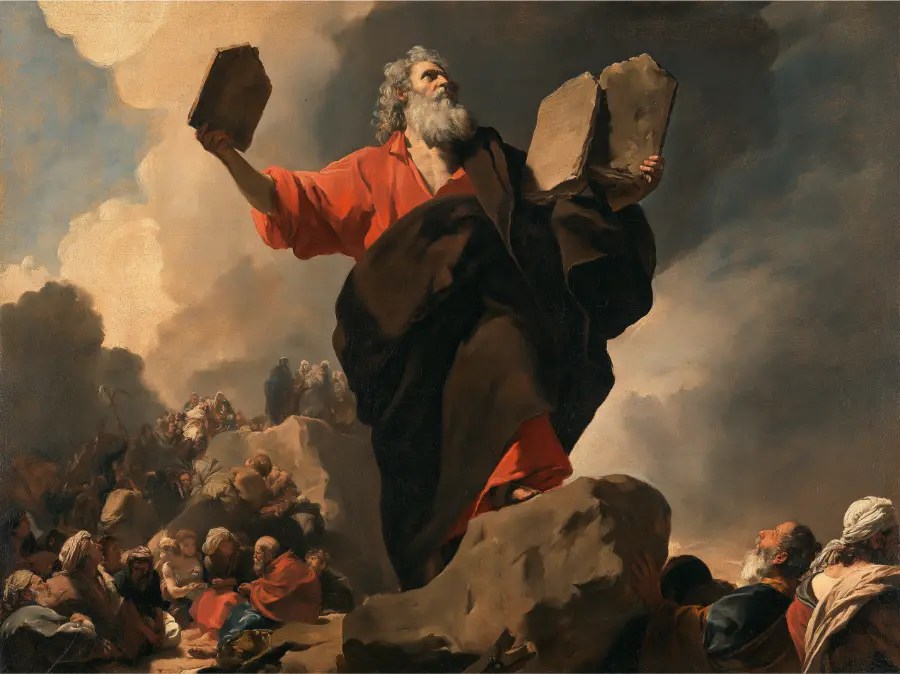
Luther’s Small Catechism asks what baptism gives, and it answers, “It works forgiveness of sins, delivers from death and the devil, and gives eternal salvation to all who believe this, as the words and promises of God declare.” It is not the water alone that does this, but “the word of God which is in and with the water.” Lutherans point to the verses that tie baptism to forgiveness and salvation, as when Peter told the crowd at Pentecost, “Repent and be baptized every one of you in the name of Jesus Christ for the forgiveness of your sins” (Acts 2:38), and when he wrote later that “Baptism, which corresponds to this, now saves you” (1 Peter 3:21).
Since baptism is God’s work and not the believer’s, Lutherans baptize infants, and the Augsburg Confession of 1530 teaches that “children are to be baptized who, being offered to God through Baptism are received into God’s grace.” The ELCA baptizes by pouring or by immersion, and it never baptizes anyone twice: “A person is baptized once.”
Baptists read baptism the other way round: for them it follows faith and does not create it. The SBC’s confession, the Baptist Faith and Message 2000, says, “Christian baptism is the immersion of a believer in water in the name of the Father, the Son, and the Holy Spirit. It is an act of obedience symbolizing the believer’s faith in a crucified, buried, and risen Saviour.” They remember the Ethiopian official who asked Philip, “What prevents me from being baptized?”, and how “they both went down into the water, Philip and the eunuch, and he baptized him” (Acts 8:36, 38). An infant cannot yet profess faith, and so Baptists do not baptize infants.
When Baptists come to 1 Peter 3:21, they read on to the end of the verse, where Peter says that baptism saves “not as a removal of dirt from the body but as an appeal to God for a good conscience, through the resurrection of Jesus Christ.” To a Baptist it is Christ who does the saving, and baptism is the believer’s answer to him. So when the Baptist Faith and Message names the “simple conditions of salvation” as “repentance toward God and faith in Jesus Christ as Saviour and Lord,” baptism is not among them.
Both churches claim Romans 6:4, “We were buried therefore with him by baptism into death.” Luther’s Small Catechism hears in it the old Adam being “drowned” daily in repentance, and Baptists see in it the burial and rising that immersion acts out.
Christ’s body and blood, or a memorial meal
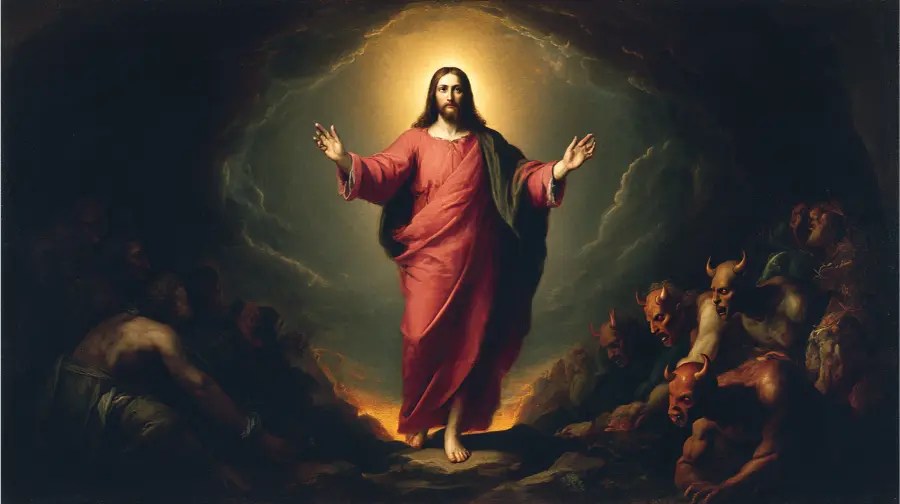
On the night he was betrayed, Jesus took bread and said, “Take, eat; this is my body” (Matthew 26:26), and Lutherans read those words just as they stand. The Small Catechism defines the Sacrament of the Altar as “the true body and blood of our Lord Jesus Christ, under the bread and wine, for us Christians to eat and to drink, instituted by Christ Himself,” and the Formula of Concord explains that with the bread and wine “the body and blood of Christ are truly and essentially present, offered, and received.”
When Paul tells of the same night, he adds a command: “This is my body, which is for you. Do this in remembrance of me” (1 Corinthians 11:24). It is the remembering that Baptists put their weight on, and the Baptist Faith and Message calls the Supper “a symbolic act of obedience whereby members of the church, through partaking of the bread and the fruit of the vine, memorialize the death of the Redeemer and anticipate His second coming.”
Some Baptists go further than a memorial, for the 1689 Confession says Christ is “spiritually present to the faith of believers,” though not “corporally or carnally,” which is the point Lutherans insist on.
How often the Supper is held is harder to compare, because for the ELCA we have a rule and for Southern Baptists we have a survey. The ELCA’s statement on the means of grace urges every congregation “to celebrate the Lord’s Supper weekly.” Among Southern Baptists, Lifeway Research found in 2012 that 57 percent of SBC churches observed it quarterly.

Can a Lutheran take Communion in a Baptist church, or a Baptist in a Lutheran one?
A Baptist visiting an ELCA church is welcome at the table. “Believing in the real presence of Christ, this church practices eucharistic hospitality,” its statement says. “All baptized persons are welcomed to Communion when they are visiting in the congregations of this church.”
The LCMS and WELS practise close communion, so a Baptist visiting one of their churches would normally be asked to speak with the pastor before communing. LCMS president Matthew Harrison gives two reasons. Those who come should know “what they seek” and “why they come,” in the words of Luther’s Large Catechism, and “the New Testament requires unity in doctrine and doctrinal practice.” A Baptist who rejects the real presence does not share that confession.
A Lutheran would be welcome at the Supper in most Southern Baptist churches. In the 2012 Lifeway survey, 52 percent of SBC churches offered it to “anyone who has put their faith in Jesus Christ.” Another 35 percent limited it to “anyone who has been baptized as a believer,” and that rule leaves out Lutherans baptized as infants. The Baptist Faith and Message itself makes baptism, meaning a believer’s immersion, “prerequisite to the privileges of church membership and to the Lord’s Supper.”

Faith as God’s gift, and whether it can be lost
Both churches confess that salvation is a gift, in Paul’s words, “For by grace you have been saved through faith. And this is not your own doing; it is the gift of God” (Ephesians 2:8). Where they differ is over how a person comes to believe.
Lutherans hold that faith itself is God’s work from start to finish, and the Small Catechism puts it in the believer’s own mouth: “I believe that I cannot by my own reason or strength believe in Jesus Christ, my Lord, or come to Him; but the Holy Ghost has called me by the Gospel.”
The Baptist Faith and Message holds God’s choice and human freedom together, and says election “is consistent with the free agency of man.” Baptists who hold the Calvinist 1689 Confession, which says God chose his own “out of His mere free grace and love,” would agree with Lutherans that faith is God’s gift. Looking in from outside, the LCMS says Baptist churches “typically stress the role of ‘free will’ in conversion” and speak of faith as a “choice” or “decision.”
Ask whether a true believer can be lost, and the two give different answers. The SBC says no: “All true believers endure to the end. Those whom God has accepted in Christ, and sanctified by His Spirit, will never fall away from the state of grace.” Lutherans say yes, for the Augsburg Confession rejects the teaching that “those once justified” cannot “lose the Holy Ghost,” and it promises forgiveness to the fallen “whenever they are converted.” There is more on the Baptist view in our article on once saved, always saved.
Confessions and creeds
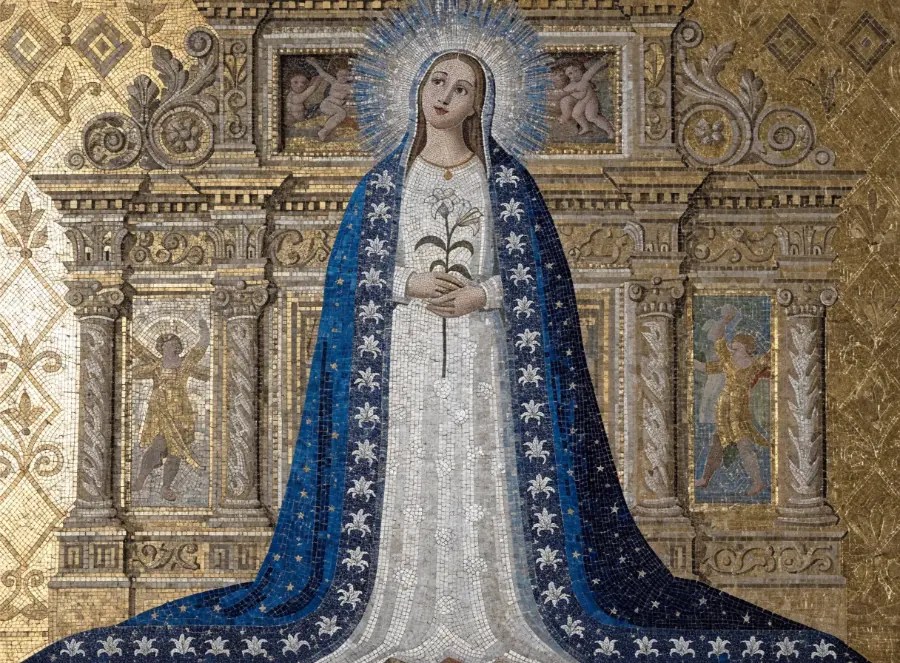
Lutheran churches are confessional, which means, in the LCMS’s words, that its congregations “believe the Lutheran Confessions are a correct interpretation and presentation of biblical doctrine.” Those confessions are gathered in the Book of Concord, and they include the three ancient creeds, the Augsburg Confession and Luther’s catechisms.
Baptists write confessions too, but they hold them more loosely. The Baptist Faith and Message quotes the SBC’s 1925 statement, that Baptists “do not regard them as complete statements of our faith,” and that “Confessions are only guides in interpretation, having no authority over the conscience.” The LCMS puts the contrast this way: “Baptist churches do not require subscription to a creedal statement or ‘body of doctrine’ as such.”

Bishops, synods and self-governing congregations
How a Lutheran church is governed depends on the body it belongs to. The ELCA has 65 synods, and “Each synod elects a bishop to oversee its ministry and administration,” with a presiding bishop over the whole church. The LCMS calls congregational leadership “a distinctive characteristic of the LCMS,” with power “vested in voters’ assemblies” of each congregation, and it groups its congregations into 35 districts.
Baptists leave still more to the congregation. The Baptist Faith and Message calls a church “an autonomous local congregation of baptized believers” in which “Each congregation operates under the Lordship of Christ through democratic processes.” The members choose their pastor and decide whether to join an association or convention, and a convention has no authority over a church. Our article on Baptist vs Southern Baptist covers the wider Baptist family.
Sunday worship
Lutherans worship by a liturgy, because the reformers kept the Mass and most of its order. “Falsely are our churches accused of abolishing the Mass,” the Augsburg Confession says, and “Nearly all the usual ceremonies are also preserved.” The ELCA follows the church year and a lectionary, “a three-year series of readings for Sunday.”
A Baptist service has no required order, because each congregation sets its own. The sermon stands at the centre, and the service commonly closes with an invitation to respond. In a 2025 Lifeway Research survey, 74 percent of Southern Baptist pastors said they had given such an invitation every Sunday morning of the past year, and about two in three said they ask people to walk forward to speak with someone at the front during the service.
Where the Lutheran bodies, and the Baptist ones, disagree
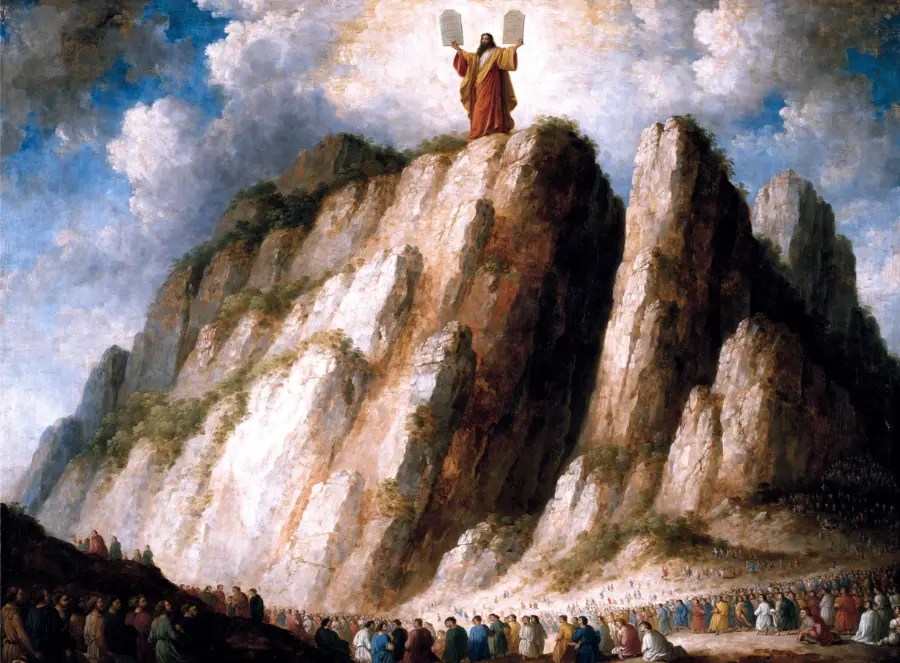
Within each family the churches disagree about women pastors. Elizabeth Platz, the first woman ordained by a Lutheran church body in North America, was ordained in 1970, and the ELCA ordains women. The LCMS and WELS do not, and WELS says in its statement of belief that “women may not serve as pastors.” The LCMS and WELS also differ from each other on some questions, which you can read about in which Lutheran synod is the most conservative.
Among Baptists, the Baptist Faith and Message says “the office of pastor/elder/overseer is limited to men as qualified by Scripture.” American Baptist Churches USA ordains women, and its board, reaffirming women in ministry, said that “ordaining women to serve in pastoral roles is a settled issue.”
Which came first?
The Lutherans came first, by about ninety years. Martin Luther’s Ninety-five Theses date from 1517, and his followers presented the Augsburg Confession at the Diet of Augsburg in 1530.
The first Baptist church formed around 1609 in Amsterdam, where John Smyth had fled from England. Smyth was a Separatist, one of those who wanted a church made up only of committed believers, though they still baptized infants. In Amsterdam he decided that infant baptism was wrong, and he baptized himself and his congregation on their confession of faith. He did it by pouring water over the heads of the believers from a dipper and a bucket; Baptists adopted immersion later.
So when the Augsburg Confession of 1530 condemns the “Anabaptists” for rejecting “the baptism of children,” it has in mind the radical reformers of Luther’s own day, for the Baptists did not appear until about ninety years after 1517. Still, two Baptist positions are among those the Confession condemns: Baptists do not baptize infants, and the SBC teaches that true believers cannot fall away.

Can a Lutheran marry a Baptist?
Yes, they can, and nothing in the confessions quoted here forbids it. The practical questions come after the wedding. The first is whether to baptize a baby, as a Lutheran parent will want, or to wait until the child believes, and the second is which church to join. A Lutheran joining a Southern Baptist church will usually be asked to be immersed, since the Baptist Faith and Message makes a believer’s baptism the condition of membership. A Baptist who wants to receive Communion in an LCMS or WELS church will be asked to speak with the pastor first, for WELS wants “adequate Bible instruction” and shared belief before communing together. A Baptist joining the ELCA will not be baptized again, because its rule is that “A person is baptized once.”
A Lutheran and a Baptist who share a home will have those questions to settle, sometimes more than once. They will also share a gift neither of them earned, the one Paul names in a single line: “it is the gift of God” (Ephesians 2:8).
Related reading
- Lutheran vs Catholic
- Methodists vs Baptists
- Lutheranism vs Methodism
- Calvinism vs Lutheranism
- Bible verses about baptism, and where Christians read them differently
- What Do Baptists Believe? Baptism, the Bible and Local Churches
- What Do Lutherans Believe? Grace, Baptism and the Lord’s Supper



Leave a Reply