
 English
 Chinese
 Dutch
 Arabic
 Spanish
 Portuguese
 Russian
 French
 Italian
 German
 Japanese
Olivia is not in the Bible. Shakespeare appears to have made it up, and it means olive — which is one of the most heavily worked images in Scripture.
Where the name comes from
Olivia’s first clear appearance is as a character in Twelfth Night, written around 1601. Shakespeare may have adapted an existing name, but no earlier use is well attested, and the play is what put it into circulation.
Behind it is the Latin oliva, olive.
Is Olivia in the Bible?
No. But the tree is, from the third chapter after the flood to the last book, and it does more work than almost any other plant.
The olive leaf
The first olive in Scripture is the one everyone knows without knowing where it is.
When the dove returned to him in the evening, there in its beak was a freshly plucked olive leaf! Then Noah knew that the water had receded from the earth. (Genesis 8:11)
A leaf, not a branch — the branch is later art. And the information it carries is precise: olives grow at low altitude, so a fresh leaf means the water is off the valleys, not just off the peaks.
It is a sign that works because somebody knew where olives grow.

The oil
Olive oil is what anointing is made of. Kings, priests, the tabernacle furniture, the lamps that burned in the sanctuary — all of it runs on pressed olives.
Which gives the word Messiah its meaning: anointed one. The whole title rests on a bottle of oil.
And the lamps needed a particular grade: Command the Israelites to bring you clear oil of pressed olives for the light so that the lamps may be kept burning. (Exodus 27:20)
The grafted tree
Paul’s longest agricultural argument is about an olive, and it is deliberately backwards.
Branches have been broken off, he says, and a wild olive shoot grafted in among the others, sharing the nourishing sap of the root (Romans 11:17). Then the warning: do not consider yourself to be superior to those other branches… You do not support the root, but the root supports you. (Romans 11:18)
Any grower would have noticed the oddity. Cultivated wood is grafted onto wild rootstock, not the other way round. Paul is describing something that does not work horticulturally, and the strangeness is the point.
The garden
And the last one.
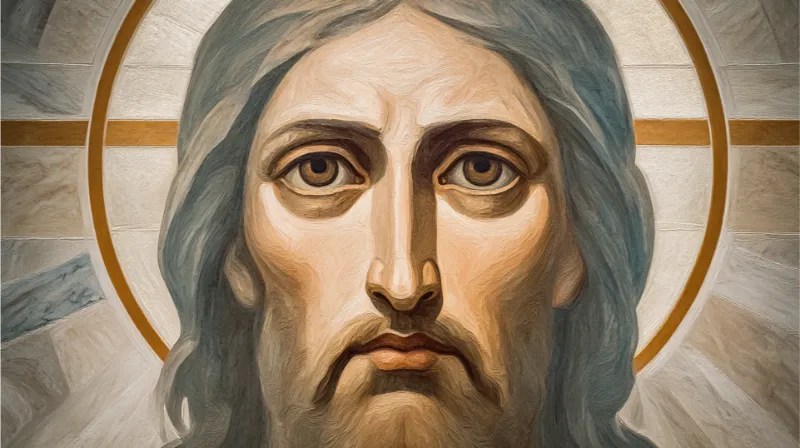
Gethsemane means oil press. It sits on the Mount of Olives, a hillside named for the trees that covered it, and it is where the presses were.
The night before he died, he went to a place named for crushing, and Luke records the sweat like drops of blood (Luke 22:44).
Nobody in the text draws attention to the name. It is simply where the press was.
A blessing for Olivia
May we bring back word that the water has gone down, and be right about it.
May we remember that the root supports us and not the other way round.
And in the places named for crushing, may we not be alone.
Frequently asked
Is Olivia a biblical name?
No. It appears first in Shakespeare’s Twelfth Night, around 1601, and comes from the Latin oliva, olive.
What does the olive symbolise in the Bible?
Peace and news after disaster (Genesis 8:11), and anointing — kings, priests and the sanctuary lamps all run on olive oil.
Was it an olive branch or a leaf?
A leaf. Genesis 8:11 says a freshly plucked olive leaf, and since olives grow at low altitude it means the valleys were clear.
What does Gethsemane mean?
Oil press. It stands on the Mount of Olives, where the presses were.
Related reading
- Is Your Name in the Bible? A Directory of 231 Names
- Megan Is Not in the Bible — but the Name Means Pearl


Leave a Reply