
 English
 Chinese
 Dutch
 Arabic
 Spanish
 Portuguese
 Russian
 French
 Italian
 German
 Japanese
Thirty-eight has no symbolic meaning in Scripture. But it turns up twice, in two very different books, attached to exactly the same thing: a long wait that nobody chose.
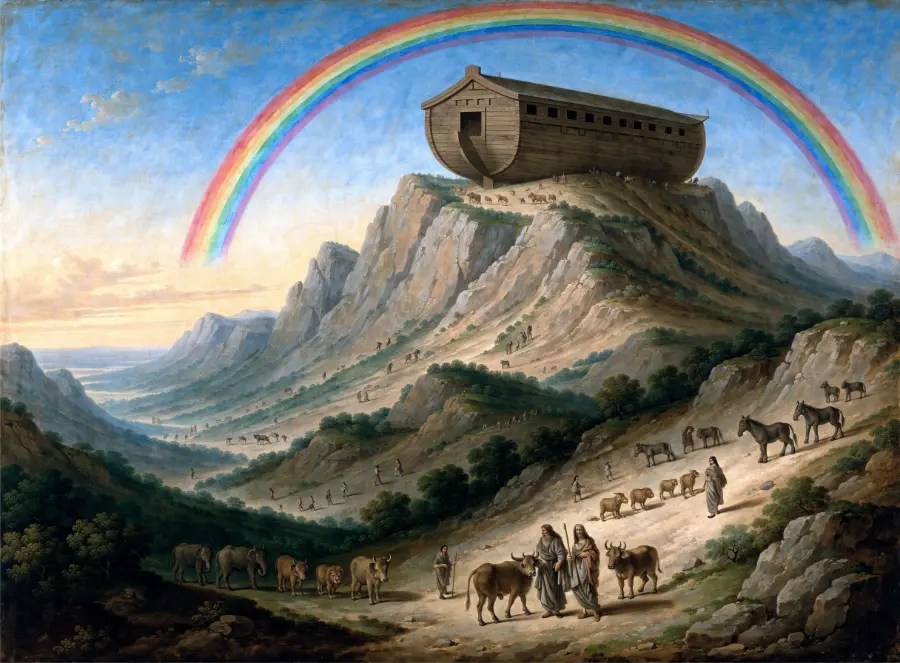
Thirty-eight years in the wilderness
Moses, recounting the journey, gives the figure plainly:
Thirty-eight years passed from the time we left Kadesh Barnea until we crossed the Zered Valley. By then, that entire generation of fighting men had perished from the camp. (Deuteronomy 2:14)
The forty years of wandering are famous. The thirty-eight are the part nobody quotes, and they are the substance of it — the stretch between the refusal to enter the land and the moment a new generation was finally able to move.
Nothing happens in those years that the text considers worth narrating. That is the point of recording the number. It measures a period in which the only event was time passing.

Thirty-eight years by the pool
The other appearance is in John’s Gospel, and the echo is hard to believe is accidental.
One who was there had been an invalid for thirty-eight years. When Jesus saw him lying there and learned that he had been in this condition for a long time, he asked him, “Do you want to get well?” (John 5:5-6)
The question sounds almost cruel until we have been near someone who has waited that long. After thirty-eight years an affliction is not only an affliction; it is an arrangement, a set of habits, an identity. Jesus asks first.
And the man’s answer is not yes. It is an explanation of why it has not happened: I have no one to help me into the pool when the water is stirred. While I am trying to get in, someone else goes down ahead of me. (John 5:7)
That is what thirty-eight years does. It replaces hope with an account of the obstacles.
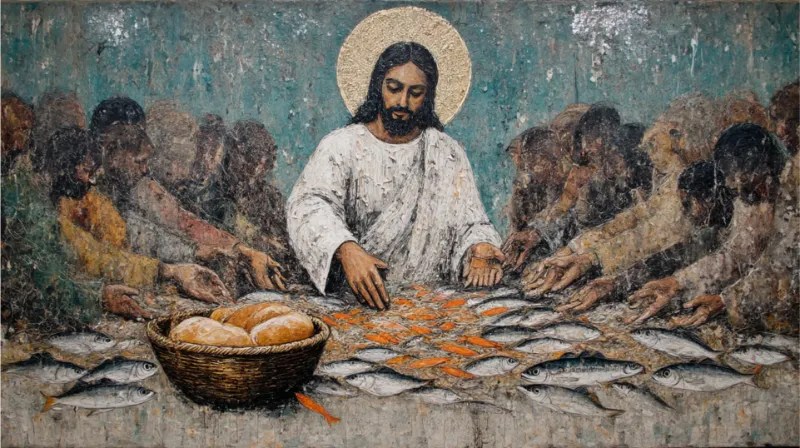
Why the two passages belong together
Readers have noticed the pairing for centuries, and it does not require a hidden code to be meaningful. Both are about a generation or a man stuck at the edge of something — the border of the land, the edge of the pool — and unable to cross.
In both, the waiting ends from outside. Israel does not talk itself into readiness; the word comes to move. The man does not get into the water; he is told to get up, and the pool turns out to have been beside the point all along.
That is a pattern the Bible repeats, and it is the nearest thing to a meaning that thirty-eight has: not a number with power, but a number attached twice to the same kind of deliverance.
What thirty-eight does not mean
No verse assigns it a significance. It builds no pattern, appears in no prophecy, and carries no weight in the way seven and forty do.
Some numbers in Scripture genuinely are symbolic, and the text shows which: seven through creation and the festivals and Revelation, forty for testing, twelve for the tribes and then the apostles, three at the resurrection. The meaning is established by repetition inside the text.
Systems that assign a meaning to every number are working from outside it. Some draw on gematria, which is a real rabbinic practice but not a biblical instruction. Others simply copy one another.
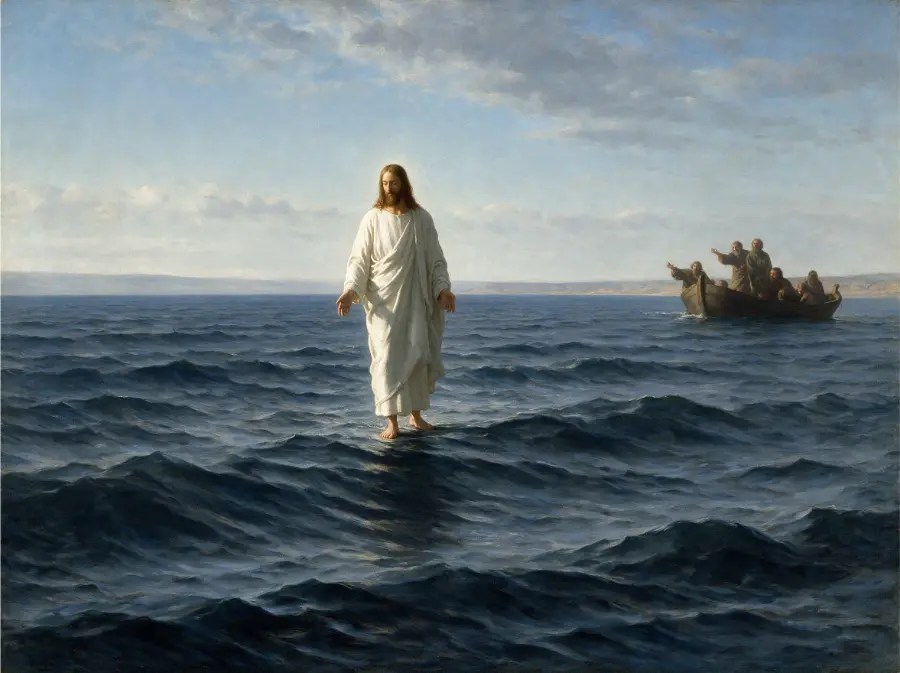
If thirty-eight has been on our minds
Usually a number surfaces because something underneath it is unresolved — an anniversary, an age, a length of time something has gone on.
If that is the case, the two passages above are better company than any numerology. One says a wait can be recorded without being explained. The other says the question is still asked, after thirty-eight years, of a man who had stopped expecting an answer.
Do you want to get well? is worth sitting with in its own right.
Frequently asked
Does the number 38 have a meaning in the Bible?
No. It carries no symbolism and builds no pattern. It appears as a plain count.
Where does 38 appear in Scripture?
Twice substantially: the thirty-eight years between Kadesh Barnea and the Zered Valley (Deuteronomy 2:14), and the man ill for thirty-eight years at the pool of Bethesda (John 5:5).
Are the two passages connected?
Not by any stated link, but the shape is the same: a long wait at the edge of something, ended from outside rather than by the waiting itself.
Which numbers do carry meaning in Scripture?
Chiefly seven, forty, twelve and three, and in each case the meaning is built by the text’s own repeated use rather than assigned from a chart.
More from this seriesBiblical NumerologySee all 53 articles

Leave a Reply