
 English
 Chinese
 Dutch
 Arabic
 Spanish
 Portuguese
 Russian
 French
 Italian
 German
 Japanese
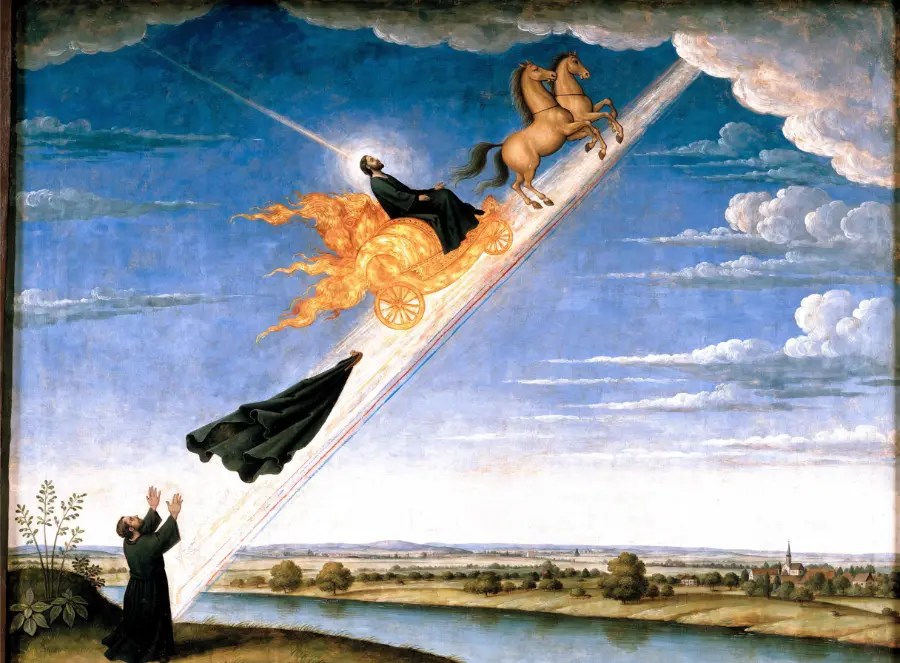
What are the main biblical references to iron and its significance?
In the book of Deuteronomy, we find one of the earliest references to iron, where Moses describes the Promised Land as a place “whose stones are iron and out of whose hills you can dig copper” (Deuteronomy 8:9). This passage speaks to the abundance and richness of the land God had prepared for His people, a land that would provide for their needs and allow them to flourish.
The book of Joshua tells us that the Canaanites had “chariots of iron” (Joshua 17:16), which were formidable weapons of war. This reference reminds us of the challenges God’s people faced and the faith they needed to overcome seemingly insurmountable obstacles.
In the time of the Judges, we learn that “the Lord was with Judah… but they could not drive out the inhabitants of the plain, because they had chariots of iron” (Judges 1:19). This passage teaches us about the complexities of faith and human limitations, even in the presence of divine support.
The prophet Isaiah uses iron as a metaphor for God’s judgment and purification: “I will turn my hand against you and will smelt away your dross as with lye and remove all your alloy” (Isaiah 1:25). Here, iron represents the refining process through which God purifies His people.
In the New Testament, we find iron mentioned in the context of Peter’s miraculous escape from prison, where an angel led him past “the iron gate leading into the city” (Acts 12:10). This reference reminds us of God’s power to overcome even the strongest earthly barriers.
These diverse references to iron in Scripture invite us to reflect on God’s provision, the challenges of faith, the reality of spiritual warfare, and the transformative power of God’s love. As we meditate on these passages, let us ask the Holy Spirit to open our hearts to the deeper meanings they hold for our lives today.
How is iron used as a metaphor for strength and resilience in Scripture?
The use of iron as a metaphor for strength and resilience in Sacred Scripture offers us powerful insights into the nature of faith and the character God desires to cultivate in His people. This powerful imagery speaks to the enduring quality of God’s love and the fortitude He grants to those who trust in Him.
In the book of Job, we find a striking metaphor: “Iron is taken from the earth, and copper is smelted from ore” (Job 28:2). This passage, set within a broader discourse on wisdom, reminds us that just as valuable metals are extracted through arduous processes, so too is spiritual strength often forged through trials and challenges.
The prophet Jeremiah employs the metaphor of iron to describe the strength God imparts to His faithful servants. The Lord says to Jeremiah, “I will make you to this people a fortified wall of bronze; they will fight against you, but they shall not prevail over you, for I am with you to save you and deliver you” (Jeremiah 15:20). This powerful image of a fortified wall of bronze speaks to the unshakeable resilience God provides to those who stand firm in their faith.
In the book of Daniel, we encounter the vision of a great statue with feet “partly of iron and partly of clay” (Daniel 2:33). This metaphor represents the strength and weakness of earthly kingdoms, reminding us that true and lasting strength comes not from human power but from God alone.
The Psalmist uses iron to describe the bonds of oppression, saying, “For he has broken the gates of bronze and cut the bars of iron in two” (Psalm 107:16). This metaphor celebrates God’s power to liberate His people from even the strongest forms of captivity, whether physical or spiritual.
In the New Testament, the Apostle Paul exhorts believers to “put on the whole armor of God” (Ephesians 6:11), which includes the “sword of the Spirit” (Ephesians 6:17). While not explicitly mentioned as iron, this imagery evokes the strength and sharpness associated with iron weapons, emphasizing the spiritual fortitude needed to withstand evil.
These metaphors of iron in Scripture remind us that true strength and resilience come not from our own efforts, but from our relationship with God. They call us to trust in the Lord’s power to sustain us through life’s challenges and to shape us into people of unshakeable faith.

What does the “iron scepter” symbolize in biblical prophecy and imagery?
The image of the “iron scepter” in biblical prophecy is a powerful and multifaceted symbol that speaks to us of divine authority, judgment, and the ultimate triumph of God’s kingdom. This imagery, while sometimes challenging to our modern sensibilities, invites us to reflect deeply on the nature of God’s rule and our place within His divine plan.
The most prominent reference to the iron scepter appears in Psalm 2, a messianic psalm that foreshadows the coming of Christ. We read, “You shall break them with a rod of iron and dash them in pieces like a potter’s vessel” (Psalm 2:9). This vivid imagery is later echoed in the Book of Revelation, where it is applied to Christ and His followers: “He will rule them with an iron scepter” (Revelation 2:27, 12:5, 19:15).
At first glance, this symbol might seem to portray a harsh or oppressive rule. But we must understand it within the broader context of God’s love and justice. The iron scepter symbolizes the absolute authority and power of God’s reign. Just as iron is strong and unyielding, so too is God’s rule unshakeable and His justice uncompromising.
This imagery reminds us that God’s kingdom stands in stark contrast to the fragile and imperfect kingdoms of this world. The prophet Daniel, in interpreting Nebuchadnezzar’s dream, speaks of a kingdom that God will establish, “a kingdom that shall never be destroyed” (Daniel 2:44). The iron scepter is a symbol of this indestructible and eternal reign.
The iron scepter represents God’s power to overcome evil and establish righteousness. In a world often marred by injustice and oppression, this symbol offers hope that God’s perfect justice will prevail. It assures us that no earthly power can stand against the will of God.
For believers, the iron scepter is not a symbol to be feared, but one that offers comfort and security. In Revelation, Christ promises to give authority to those who overcome, saying, “To the one who is victorious and does my will to the end, I will give authority over the nations— that one ‘will rule them with an iron scepter and will dash them to pieces like pottery’—just as I have received authority from my Father” (Revelation 2:26-27). This passage suggests that those who remain faithful will share in Christ’s reign, participating in the establishment of God’s justice and peace.
How does iron relate to God’s power and judgment in the Bible?
In the book of Deuteronomy, Moses describes the heavens above as “iron” when warning the people about the consequences of disobedience: “And the heavens over your head shall be bronze, and the earth under you shall be iron” (Deuteronomy 28:23). This imagery conveys the idea of God’s judgment as unyielding and impenetrable, reminding us of the seriousness with which we should approach our covenant relationship with the Lord.
The prophet Jeremiah uses iron to illustrate the strength of God’s word and its power to judge and transform: “Is not my word like fire, declares the Lord, and like a hammer that breaks the rock in pieces?” (Jeremiah 23:29). While not explicitly mentioning iron, the image of a hammer breaking rock evokes the strength associated with iron tools, emphasizing the irresistible force of God’s truth.
In the book of Daniel, we encounter the vision of a great statue with legs of iron, representing a powerful kingdom (Daniel 2:33). But this statue is ultimately destroyed by a stone “cut out by no human hand” (Daniel 2:34), symbolizing God’s supreme power over all earthly authorities. This reminds us that while human power may seem as strong as iron, it is ultimately subject to God’s judgment and will.
The Psalms often use metallurgical imagery to describe God’s judgment and purifying power. Psalm 66:10 declares, “For you, O God, have tested us; you have tried us as silver is tried.” Although this verse specifically mentions silver, the concept of refining metals through fire is closely related to the process of working with iron, highlighting God’s ability to purify and strengthen His people through trials.
In the New Testament, the Apostle Paul uses the imagery of a “breastplate of righteousness” (Ephesians 6:14) as part of the armor of God. While not explicitly described as iron, this protective gear evokes the strength and impenetrability associated with iron armor, symbolizing how God’s righteousness shields us from spiritual attacks.
These biblical references remind us that God’s power and judgment are not capricious or arbitrary, but rather are expressions of His perfect nature and His desire for our ultimate good. Like iron that withstands great pressure and heat, God’s judgments are steadfast and ultimately serve to refine and strengthen us.
What spiritual lessons can be drawn from the refining process of iron?
The refining process of iron offers us a powerful metaphor for our spiritual journey and the transformative work of God in our lives. Just as iron ore must undergo intense heat and pressure to become pure and useful, so too must we allow ourselves to be refined by God’s love and grace.
The prophet Isaiah speaks of this refining process when he conveys God’s words to Israel: “Behold, I have refined you, but not as silver; I have tried you in the furnace of affliction” (Isaiah 48:10). This passage reminds us that the challenges and trials we face in life are not meaningless suffering, but opportunities for spiritual growth and purification.
The refining of iron teaches us the importance of patience and perseverance in our faith journey. Just as it takes time and sustained effort to transform raw ore into pure iron, so too does our spiritual transformation require patience and steadfastness. The Apostle James encourages us in this regard, saying, “Count it all joy, my brothers, when you meet trials of various kinds, for you know that the testing of your faith produces steadfastness” (James 1:2-3).
The intense heat required to refine iron reminds us of the consuming fire of God’s love. The author of Hebrews tells us, “Our God is a consuming fire” (Hebrews 12:29). This fire, while sometimes uncomfortable, is not meant to destroy us but to purify us, burning away impurities and strengthening our faith.
The malleability of heated iron also offers a powerful lesson. When iron is heated, it becomes pliable and can be shaped into useful tools. Similarly, when we open ourselves to God’s refining fire, we become more malleable in His hands, allowing Him to shape us into instruments for His purpose. As the Apostle Paul writes, “We are his workmanship, created in Christ Jesus for good works, which God prepared beforehand, that we should walk in them” (Ephesians 2:10).
The process of quenching hot iron in water to harden it can be seen as a metaphor for the role of baptism and the Holy Spirit in our lives. Just as this process strengthens the iron, our baptism and the indwelling of the Holy Spirit strengthen us for the challenges we face in our Christian walk.
The refining of iron teaches us about community and interdependence. Iron is often alloyed with other metals to enhance its properties, reminding us that we too are strengthened when we are in communion with our brothers and sisters in Christ. As Proverbs 27:17 tells us, “Iron sharpens iron, and one man sharpens another.”
Finally, the refining process reminds us of the value God places on each of us. Just as great effort is expended to refine iron because of its usefulness and value, so too does God invest in our spiritual growth because of His great love for us and the unique purpose He has for each of our lives.
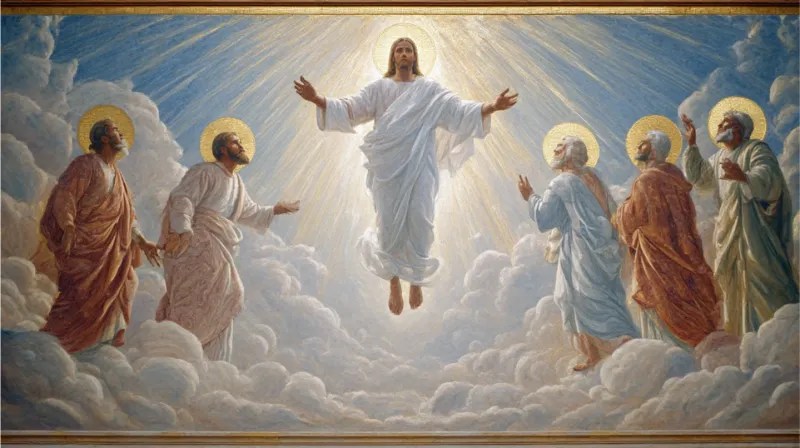
How is iron contrasted with other metals (like gold or clay) in biblical symbolism?
In Scripture, we find a vast web of symbolism involving various metals, each carrying its own significance. Iron, in particular, stands out for its strength and durability, often contrasted with more precious metals like gold or silver, or with more fragile materials like clay.
Gold in the Bible frequently symbolizes divinity, purity, and incorruptibility. We see this in the construction of the Ark of the Covenant and the furnishings of the Temple. Silver often represents redemption or atonement. Clay, on the other hand, symbolizes human frailty and our dependence on God, as we are reminded in Isaiah that we are the clay, and God is the potter.
Iron, by contrast, represents strength, power, and sometimes oppression or hardship. In Deuteronomy 28:48, we read of an “iron yoke” as a symbol of harsh servitude. Yet iron is also associated with resilience and endurance. Proverbs 27:17 tells us that “iron sharpens iron,” speaking to the way challenging relationships can refine our character.
The contrast between iron and clay appears vividly in the book of Daniel, where Nebuchadnezzar’s dream depicts a statue with feet of iron mixed with clay. This image suggests a kingdom that is partly strong and partly brittle, perhaps reflecting the tension between human attempts at strength and our inherent vulnerability.
In considering these contrasts, we are invited to reflect on our own lives. Do we seek only the gold of worldly success and recognition? Or do we also value the iron-like strength of character forged through trials? Do we acknowledge our clay-like dependence on God’s grace?
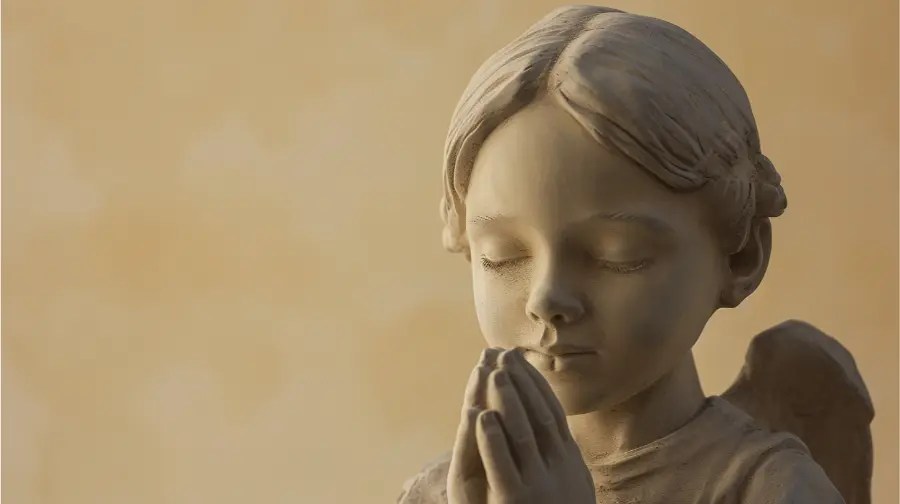
What role does iron play in biblical accounts of warfare and conquest?
In the biblical narratives of warfare and conquest, iron plays a major role, often symbolizing military might and technological advancement. Its presence or absence can mark turning points in the history of God’s people and their interactions with neighboring nations.
We first encounter iron in a military context during the Israelites’ entry into Canaan. In Joshua 17:16-18, we hear of the Canaanites’ “iron chariots,” which posed a formidable challenge to the Israelite forces. This reference highlights the technological superiority of the Canaanites and the faith required of the Israelites to overcome such odds.
Later, in Judges 1:19 and 4:3, we again see iron chariots as symbols of military power that initially hindered the Israelites’ conquest. Yet, through faith and divine intervention, these obstacles were eventually overcome, reminding us that God’s power transcends human technology and strength.
The transition from the Bronze Age to the Iron Age is subtly reflected in the biblical narrative, particularly in the stories of Saul and David. In 1 Samuel 13:19-22, we learn that the Philistines controlled iron production, leaving the Israelites at a military disadvantage. This technological gap underscores the significance of David’s victory over Goliath and the subsequent rise of Israel as a regional power.
But we must be cautious in our interpretation of these accounts. Recent archaeological research has challenged some traditional understandings of the Iron Age chronology in the southern Levant (Finkelstein & Piasetzky, 2011, pp. 50–54; Mazar, 2005, pp. 15–30). These findings remind us that the Bible is not primarily a historical textbook, but a narrative of faith that uses the language and understanding of its time to convey deeper spiritual truths.
The role of iron in biblical warfare narratives invites us to reflect on our own reliance on human strength and technology. Do we, like the Israelites facing iron chariots, sometimes feel overwhelmed by the seemingly insurmountable challenges before us? Do we trust in our own “iron chariots,” or do we place our faith in God’s power?
As followers of Christ, we are called to wage a different kind of warfare – not against flesh and blood, but against the powers of darkness (Ephesians 6:12). In this spiritual battle, our “iron” is not physical weaponry, but the strength of faith, the power of prayer, and the armor of God.
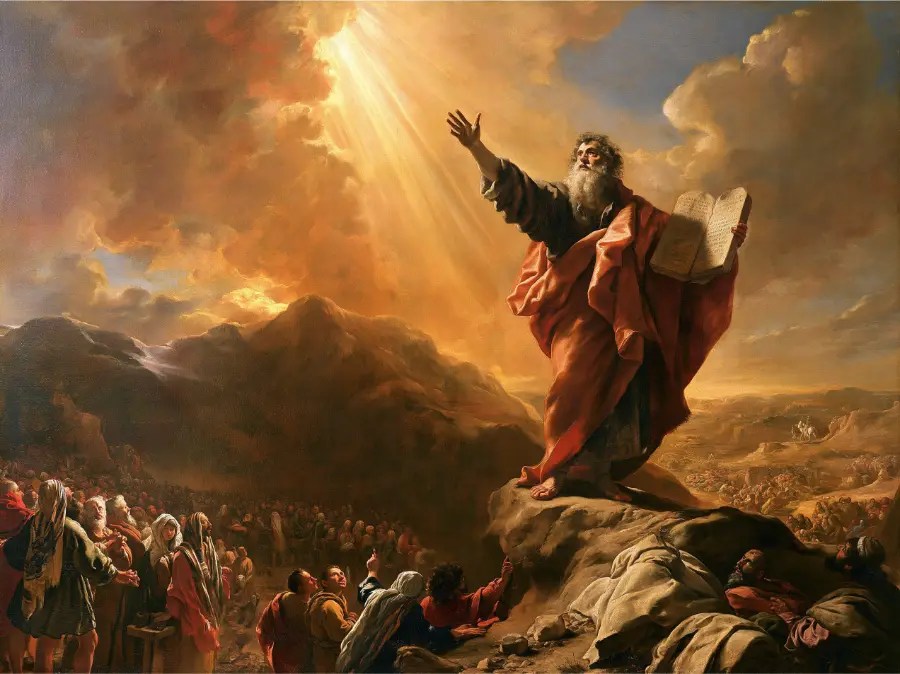
How is iron used to describe character traits or spiritual qualities in the Bible?
In Scripture, iron is often employed as a powerful metaphor to describe certain character traits and spiritual qualities. This usage invites us to reflect deeply on the nature of our faith and the kind of people we are called to be in Christ.
One of the most striking uses of iron as a metaphor for character is found in Proverbs 27:17: “As iron sharpens iron, so one person sharpens another.” This verse speaks to the transformative power of genuine, challenging relationships. Just as iron must be struck against iron to be sharpened, so too our character is refined through interactions that may at times be difficult or uncomfortable. This reminds us of the importance of community in our spiritual growth, and challenges us to be open to the ways God may use others to shape us.
In Jeremiah 1:18, God promises to make the prophet “an iron pillar and a bronze wall” against the whole land. Here, iron symbolizes unyielding strength and steadfastness in the face of opposition. This image calls us to cultivate a faith that stands firm amidst the challenges and pressures of the world, rooted deeply in God’s truth and love.
The book of Daniel uses iron to describe a kingdom that is strong and unyielding, but also potentially brittle when mixed with clay (Daniel 2:40-43). This complex metaphor reminds us that true strength is not just about hardness or inflexibility, but also about adaptability and humility. It challenges us to cultivate a faith that is both strong and supple, firm in its convictions yet open to growth and change.
In Isaiah 48:4, God describes the Israelites as having necks of “iron sinew” and foreheads of bronze, referring to their stubbornness. This usage cautions us against allowing our strength to become inflexibility or pride, reminding us that true spiritual strength is always coupled with humility and openness to God’s guidance.
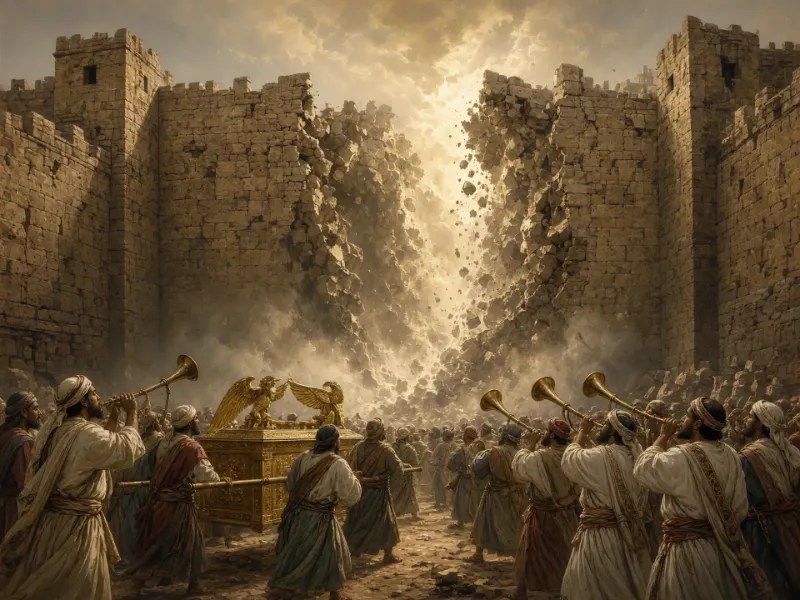
What significance does the “Iron Age” have in biblical history and archaeology?
The Iron Age holds powerful significance in biblical history and archaeology, marking a period of technological advancement, social change, and the emergence of key political entities mentioned in Scripture. But it’s important to approach this topic with humility, recognizing that our understanding is continually evolving as new archaeological evidence comes to light.
Traditionally, the Iron Age in the southern Levant has been divided into two main periods: Iron Age I (ca. 1200-1000 BCE) and Iron Age II (ca. 1000-586 BCE) (Finkelstein & Piasetzky, 2011, pp. 50–54). This timeframe roughly corresponds to the biblical narratives from the Judges through the Divided Monarchy, including the reigns of David and Solomon.
The transition to the Iron Age brought major changes to the region. The widespread use of iron tools and weapons altered agricultural practices and military capabilities. This technological shift is reflected in biblical passages like 1 Samuel 13:19-22, which describes the Philistines’ monopoly on ironworking as a strategic advantage over the Israelites.
Archaeologically, the Iron Age is characterized by changes in settlement patterns, architecture, and material culture. The emergence of new ethnic groups, including the Israelites, Philistines, and various Transjordanian peoples, is associated with this period (Faust, 2012). But the exact nature and timing of these developments remain subjects of ongoing scholarly debate.
One of the most contentious issues in biblical archaeology is the chronology of the Iron Age, particularly the dating of key strata associated with the United Monarchy of David and Solomon (Finkelstein & Piasetzky, 2011, pp. 50–54; Mazar, 2005, pp. 15–30). This debate has major implications for how we understand the historical context of biblical narratives and the development of ancient Israelite society.
Recent archaeological work has challenged some traditional interpretations. For example, research in the Aravah region has highlighted the importance of nomadic elements in shaping the history of the southern Levant, suggesting that our understanding of social complexity in this period may have been skewed by an overreliance on stone-built architectural remains (Ben‐Yosef, 2019).
As people of faith, how should we approach these archaeological debates? we must remember that the primary purpose of Scripture is not to provide a detailed historical record, but to reveal God’s love and plan for humanity. The archaeological evidence, while valuable, should not be seen as a “proof” or “disproof” of biblical narratives.
At the same time, archaeology can enrich our understanding of the biblical world, helping us to better appreciate the cultural and historical context in which God’s revelation unfolded. It reminds us that our faith is rooted in real historical events and human experiences, even as it transcends them.
How can Christians apply the symbolism of iron to their faith and daily lives?
The symbolism of iron in Scripture offers rich metaphors that we can apply to our faith and daily lives as followers of Christ. Let us reflect on how this ancient metal can speak to our modern spiritual journey.
We can consider the strength and durability of iron as a model for our faith. Just as iron endures through fire and pressure, so too are we called to maintain our faith through trials and tribulations. As St. Peter reminds us, our faith, “more precious than gold,” is refined by fire (1 Peter 1:7). In our daily lives, this means cultivating a resilient faith that stands firm in the face of challenges, whether they be personal hardships, societal pressures, or moments of doubt.
The process of refining iron can also teach us about spiritual growth. Raw iron ore must go through intense heat and hammering to become useful. Similarly, our character is often shaped through difficult experiences. When we face hardships, instead of becoming bitter, we can choose to see them as opportunities for God to refine us, making us more Christ-like in our thoughts and actions.
The biblical image of “iron sharpening iron” (Proverbs 27:17) reminds us of the importance of community in our faith journey. We are not meant to walk this path alone. By engaging in honest, sometimes challenging conversations with fellow believers, we can help each other grow in faith and understanding. This might mean being willing to both give and receive constructive criticism, always in a spirit of love and mutual edification.
Iron’s association with strength in Scripture also calls us to be strong in our convictions and in our stand against injustice. Like the “iron pillar” God promised to make Jeremiah (Jeremiah 1:18), we are called to stand firm in truth and righteousness, even when it’s difficult or unpopular. In our daily lives, this might mean speaking up against discrimination, working for social justice, or simply having the courage to live out our faith openly in a sometimes hostile world.
But we must be cautious not to let our strength become inflexibility or pride. The brittle iron mixed with clay in Daniel’s vision (Daniel 2:40-43) warns us against this danger. True spiritual strength is not about being unyielding, but about being firmly rooted in God’s love while remaining open to growth and change.
Finally, let us remember that our ultimate strength comes not from ourselves, but from Christ. As we seek to embody the positive qualities symbolized by iron – strength, resilience, steadfastness – may we always do so in humility, recognizing our dependence on God’s grace.
In our daily lives, applying the symbolism of iron means striving to be people of strong faith and character, willing to be shaped by God’s hand, supporting one another in love, standing firm for truth and justice, and always relying on the strength that comes from Christ. May our lives, like well-forged iron, be tools in God’s hands for building His kingdom of love and justice in this world.
Bibliography:
A., G., M., V., & T., A. (2020). Formation of personal qualities by means of acmeological approach in the context of professional becoming.
Ali, M. H. (20


Leave a Reply