
 English
 Chinese
 Dutch
 Arabic
 Spanish
 Portuguese
 Russian
 French
 Italian
 German
 Japanese
A hundred and twenty has no symbolic meaning in Scripture, but it marks three moments that could hardly be further apart: a limit set on human life, the age at which Moses died, and the size of the room where the church began.
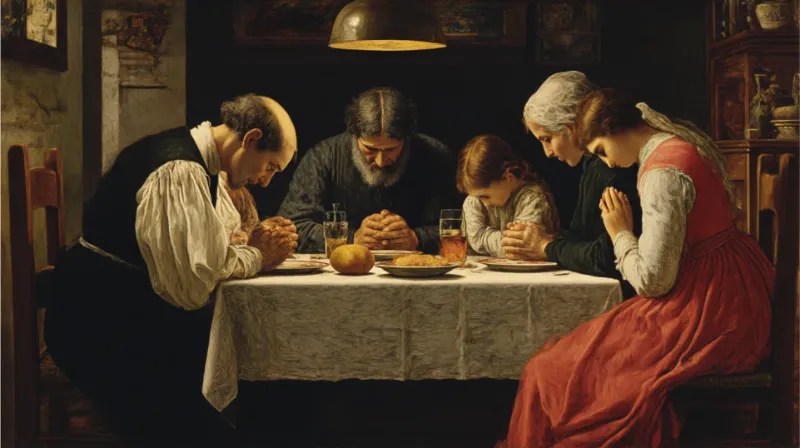
A hundred and twenty years
The first appearance is one of the more puzzling verses in Genesis:
Then the Lord said, “My Spirit will not contend with humans for ever, for they are mortal; their days will be a hundred and twenty years.” (Genesis 6:3)
Readers have taken this two ways for a very long time. Either it sets a limit on the human lifespan, or it gives a countdown — a hundred and twenty years before the flood. The text does not settle it, and people who tell you it does are choosing.
What is not in doubt is what happens next. The sentence sits immediately before the account of a world that had gone wrong and a man who was told to build a boat.
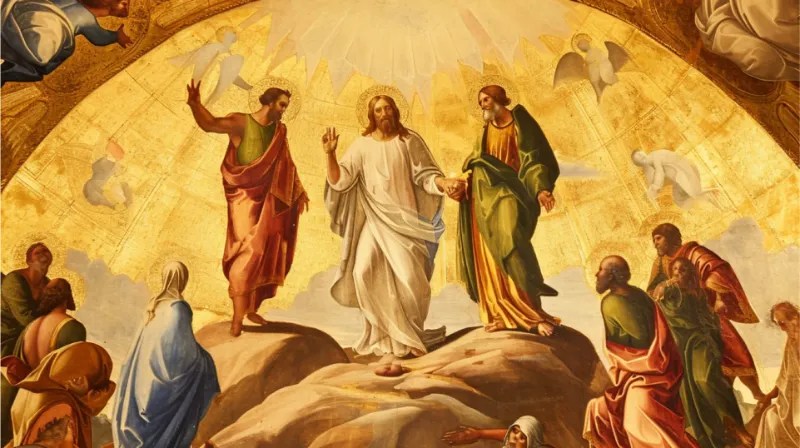
Moses at a hundred and twenty
The second is an obituary, and one of the most affecting sentences in the Pentateuch:
Moses was a hundred and twenty years old when he died, yet his eyes were not weak nor his strength gone. (Deuteronomy 34:7)
He dies within sight of the land and does not enter it. The chapter before has him climbing a mountain to look at it.
The detail about his eyes is the kind of thing a person adds who knew him. He was not worn out. He simply had gone as far as he was going, and somebody else took the next part.
Anyone who has had to hand over something unfinished will recognise the shape of it.
A hundred and twenty in the upper room
The third is a headcount, and it is the smallest number in the New Testament that matters.
In those days Peter stood up among the believers (a group numbering about a hundred and twenty). (Acts 1:15)
That is the church, in the days between the ascension and Pentecost. A hundred and twenty people in a borrowed room, choosing a replacement for Judas and waiting for something they had been told to wait for but could not have described.
By the end of the next chapter there are three thousand. The hundred and twenty is what it looked like the day before.
Why 120 is not a numerology number
No verse assigns it a meaning, and nothing is built on it. The three appearances above are a lifespan, an age and a headcount, and they share the figure by coincidence.
Some numbers in Scripture genuinely are symbolic, and the text makes it obvious. Seven runs through creation, the festivals and Revelation. Forty marks periods of testing. Twelve counts the tribes and then the apostles. Three appears at the resurrection.
The rest count things. A system that assigns a meaning to every number is supplying what the Bible does not.
What the three have in common, if anything
Nothing by design — but a reader could be forgiven for noticing that all three are about a boundary.
Genesis 6:3 sets a limit. Deuteronomy 34:7 is a man reaching his. Acts 1:15 is a small group at the edge of something they cannot see the other side of.
That is a pattern worth sitting with, provided we are honest that we are the ones who noticed it and that Scripture nowhere points it out.

Frequently asked
Does the number 120 have a meaning in the Bible?
No. It carries no symbolism. It appears as a lifespan, an age and a headcount.
Does Genesis 6:3 mean humans can only live 120 years?
It is read both as a limit on the lifespan and as a countdown to the flood. The text does not settle which, and the genealogies that follow record longer lives.
How old was Moses when he died?
A hundred and twenty, “yet his eyes were not weak nor his strength gone” (Deuteronomy 34:7). He died within sight of the land without entering it.
Who were the 120 in Acts?
The whole church, gathered between the ascension and Pentecost (Acts 1:15). Three thousand were added on the day that followed.
More from this seriesBiblical NumerologySee all 53 articles

Leave a Reply