
 English
  Chinese
  Dutch
Dutch  Arabic
  Spanish
  Portuguese
  Russian
  French
  Italian
  German
  Japanese
 Christians believe God is the one eternal Spirit who made everything that exists, and who is holy, just and loving. The Bible calls him the LORD, the God of Israel. Most churches confess him as one God in three persons, Father, Son and Holy Spirit, and hold that he is known most fully in Jesus Christ.
Who is God according to the Bible?
The Bible opens with God already at work: “In the beginning God created the heaven and the earth” (Genesis 1:1). He has no beginning of his own; a psalm says to him, “from everlasting to everlasting, thou art God” (Psalm 90:2). He is also the only God. Israel’s basic confession, the Shema, begins, “Hear, O Israel: The LORD our God is one LORD” (Deuteronomy 6:4).
This God speaks and acts in history. He calls Abram, brings Israel out of slavery in Egypt, gives the law at Sinai and sends prophets. The New Testament adds that he has made himself known in Jesus: “No man hath seen God at any time, the only begotten Son, which is in the bosom of the Father, he hath declared him” (John 1:18).
What is God’s name in the Bible?
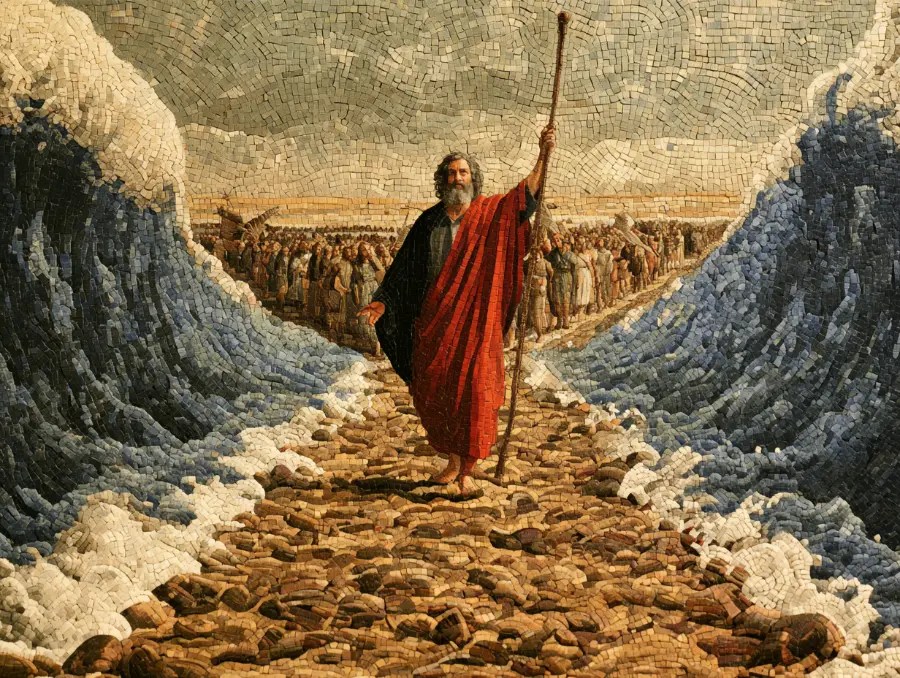
At the burning bush Moses asked God what name to give the Israelites. God answered, “I AM THAT I AM,” and told him to say, “I AM hath sent me unto you” (Exodus 3:14). The Hebrew name connected with this passage is written with four letters, YHWH, and is usually spelled Yahweh in English. The Catechism of the Catholic Church explains that out of respect for God’s holiness the people of Israel do not pronounce it, and that in reading Scripture they say “Lord” instead, Adonai in Hebrew and Kyrios in Greek (paragraph 209). English Bibles follow the custom by printing LORD in capital letters. In the King James Version, counted on the Project Gutenberg text, “LORD” appears about 6,650 times and “God” about 4,100 times.
The ordinary Hebrew word for God is Elohim. It is plural in form, a “plural of majesty” in Britannica’s words, but when it refers to the God of Israel it is understood in the singular. The English word “God” comes from Old English god and an older Germanic word of uncertain origin. Despite a popular belief, it is not related to “good.”
What is God?
Talking with a Samaritan woman at a well, Jesus says, “God is a Spirit: and they that worship him must worship him in spirit and in truth” (John 4:24). The Westminster Shorter Catechism, a Reformed Protestant text, asks, “What is God?” and answers: “God is a spirit, infinite, eternal, and unchangeable, in his being, wisdom, power, holiness, justice, goodness and truth.” The Catechism of the Catholic Church confesses “only one true God, eternal infinite (immensus) and unchangeable, incomprehensible, almighty and ineffable” (paragraph 202). Because God is spirit, the Westminster Confession of Faith describes him as “invisible, without body, parts, or passions.” Christians hold that the Son took a human body when he became man in Jesus.

What is God like?
Christian teaching describes God through attributes drawn from Scripture.
- Almighty. God tells Abram, “I am the Almighty God” (Genesis 17:1), and the angel Gabriel tells Mary, “with God nothing shall be impossible” (Luke 1:37). The Catechism notes that almighty power is the only divine attribute named in the Creed (paragraph 268).
- All-knowing. “His understanding is infinite” (Psalm 147:5).
- Present everywhere. “Whither shall I flee from thy presence? If I ascend up into heaven, thou art there: if I make my bed in hell, behold, thou art there” (Psalm 139:7–8).
- Unchanging. “I am the LORD, I change not” (Malachi 3:6).
- Dependent on nothing. God is not served by human hands “as though he needed any thing, seeing he giveth to all life, and breath, and all things” (Acts 17:25).
- Holy. In Isaiah’s vision the seraphim cry, “Holy, holy, holy, is the LORD of hosts” (Isaiah 6:3).
- Just and merciful. God forgives “iniquity and transgression and sin,” yet “will by no means clear the guilty” (Exodus 34:7).
- Love. “God is love” (1 John 4:8). The Catechism draws the conclusion that “God’s very being is love” (paragraph 221).
Christian writers also say that human words cannot fully describe God. Scripture describes him as “dwelling in the light which no man can approach unto” (1 Timothy 6:16), and the Catechism quotes Thomas Aquinas: “concerning God, we cannot grasp what he is, but only what he is not” (paragraph 43).
How many Christians believe God is all-powerful and all-knowing?
Most do, at least in the United States. The Pew Research Center surveyed more than 4,700 American adults in December 2017 and published the results in April 2018. Asked about God or another higher power, 93% of Christians said it loves all people regardless of their faults, and 87% said it knows everything that happens in the world. A smaller majority, 78%, said it has the power to direct or change everything that goes on in the world, and three-quarters held all three beliefs. Eight in ten Christians said they believe in God “as described in the Bible,” while sizable minorities of Catholics and mainline Protestants said they believe in some other higher power or spiritual force.
How is God described in the Old Testament?
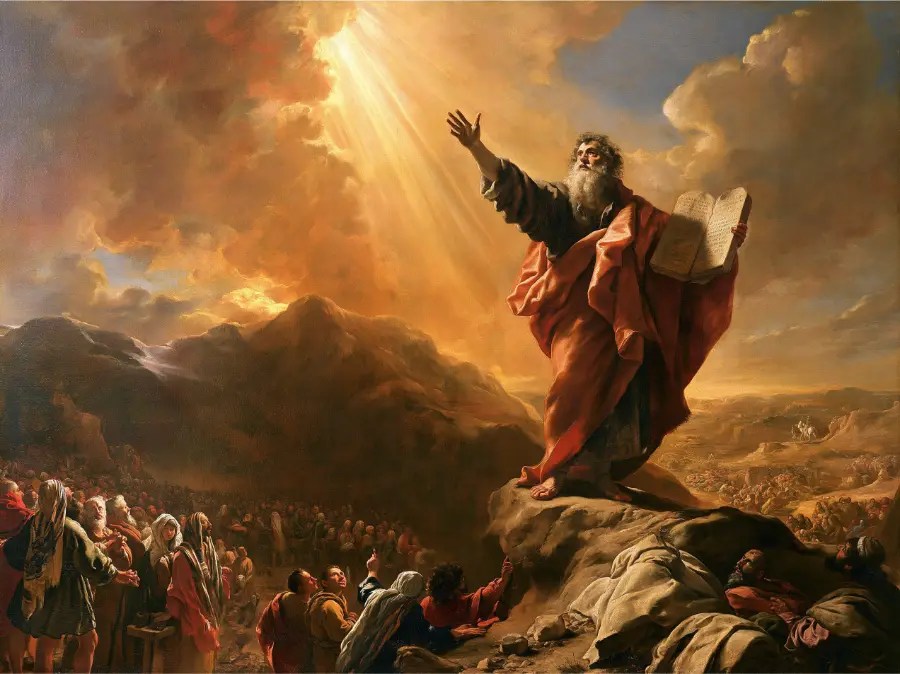
One description recurs through the Old Testament. After Israel worshiped the golden calf, the LORD passed before Moses and proclaimed himself “The LORD, The LORD God, merciful and gracious, longsuffering, and abundant in goodness and truth, Keeping mercy for thousands, forgiving iniquity and transgression and sin, and that will by no means clear the guilty” (Exodus 34:6–7). Psalm 103:8 echoes it: “The LORD is merciful and gracious, slow to anger, and plenteous in mercy.” Jonah quotes it as a complaint after God spares Nineveh: “I knew that thou art a gracious God, and merciful, slow to anger, and of great kindness” (Jonah 4:2).
The stories show both sides of that description. The flood in Genesis 6–9 is a judgment on a violent world, yet “Noah found grace in the eyes of the LORD” (Genesis 6:8), and afterward God promises never again to send “a flood to destroy the earth” (Genesis 9:11). Sodom and Gomorrah are destroyed in Genesis 19. When Nineveh turns from its evil, God spares the city (Jonah 3:10).
God also binds himself to people by covenants: with Noah, with Abram (Genesis 15:18), with Israel at Sinai and with David (Psalm 89:3). The Ten Commandments open with who God is and what he has done: “I am the LORD thy God, which have brought thee out of the land of Egypt, out of the house of bondage” (Exodus 20:2). Deuteronomy says he did it “through a mighty hand and by a stretched out arm” (Deuteronomy 5:15). John of Damascus explained that when Scripture gives God “hands, too, and feet, and such like expressions,” it speaks in human terms of a God who is “incorporeal, invisible” (Exposition of the Orthodox Faith, book 1, chapter 2).
How does the New Testament show God?
The New Testament shows God above all through Jesus, who speaks to God as Father. In Gethsemane he prays, “Abba, Father, all things are possible unto thee” (Mark 14:36); Mark’s Greek text keeps the word abba and follows it with the Greek word for father. Jesus teaches his followers to pray “Our Father which art in heaven” (Matthew 6:9), and tells Philip, “he that hath seen me hath seen the Father” (John 14:9).
John 3:16 states what God did and why: “For God so loved the world, that he gave his only begotten Son, that whosoever believeth in him should not perish, but have everlasting life.” In Jesus’ parable of the prodigal son (Luke 15:11–32), the father sees his returning son “yet a great way off,” runs to him and kisses him (Luke 15:20). The New Testament also speaks of God as judge. Paul writes that God acted in Christ “that he might be just, and the justifier of him which believeth in Jesus” (Romans 3:26), and Revelation closes with a new creation in which “God shall wipe away all tears from their eyes” (Revelation 21:4).
Is Jesus God?
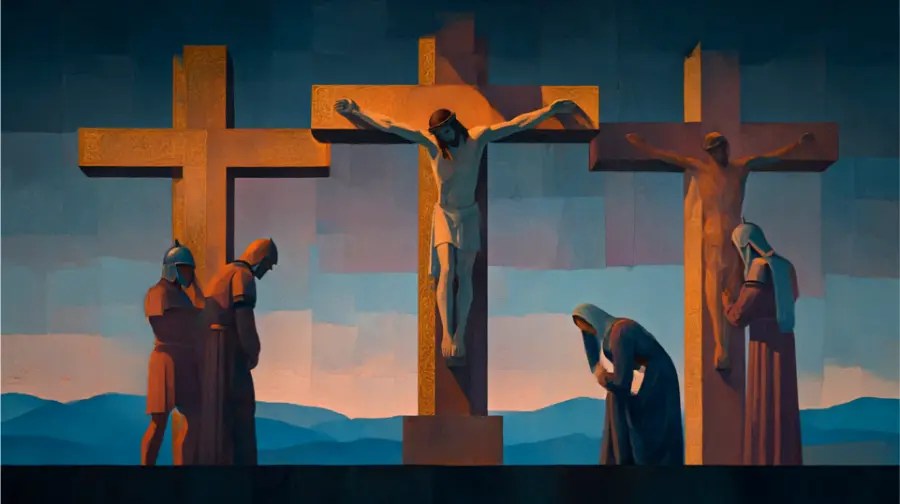
Catholic, Orthodox and most Protestant churches say yes. John’s Gospel opens, “In the beginning was the Word, and the Word was with God, and the Word was God,” and later says, “the Word was made flesh, and dwelt among us” (John 1:1, 14). In 325 the Council of Nicaea confessed that the Son is “of the same substance [homoousios] as the Father,” and the Council of Constantinople in 381 kept that expression in the Nicene Creed (Catechism, paragraph 242).
Belief in one God who is Father, Son and Holy Spirit is the doctrine of the Trinity. Britannica notes that neither the word “Trinity” nor the explicit doctrine appears in the New Testament. Churches point to passages that name the three together, such as the command to baptize “in the name of the Father, and of the Son, and of the Holy Ghost” (Matthew 28:19). Tertullian of Carthage, who wrote in Latin and died after 220, spoke of “three Persons — the Father, the Son, and the Holy Ghost” in one God (Against Praxeas, chapter 2), and Britannica credits him with forming the terms of later orthodox teaching.
What does the Catholic Church teach about God?
The Catechism of the Catholic Church treats God under the Creed’s opening words, “I believe in God.” It teaches that God is one “in nature, substance and essence” (paragraph 200) and that his “very being is Truth and Love” (paragraph 231), and it sets out the Trinity in paragraphs 232–267.
The Catechism also holds that God “can be known with certainty from the created world by the natural light of human reason” (paragraph 36), a teaching it traces to the First Vatican Council (paragraph 47). Paragraph 32 cites Romans 1:20, where God’s “eternal power and Godhead” are “clearly seen, being understood by the things that are made.” On calling God Father, the Catechism says his tenderness can also be described with the image of motherhood, and that “He is neither man nor woman: he is God” (paragraph 239).
How do Orthodox and Protestant churches describe God?
Catholic, Orthodox and most Protestant churches share the Nicene Creed. They differ in emphasis.
Orthodox theology stresses that God’s essence is beyond human knowing. John of Damascus wrote, “God then is infinite and incomprehensible and all that is comprehensible about Him is His infinity and incomprehensibility” (book 1, chapter 4). Speaking of God by saying what he is not is called apophatic, or negative, theology. Western theologians such as Aquinas use it too. The Orthodox also teach theosis, union with God. Athanasius of Alexandria put the idea in one sentence about Christ: “He was made man that we might be made God” (On the Incarnation, 54). They cite 2 Peter 1:4, which promises that believers “might be partakers of the divine nature.”
Reformed Protestants stress God’s sovereignty. The Westminster Confession teaches that God “from all eternity” did “freely, and unchangeably ordain whatsoever comes to pass,” without being “the author of sin” (chapter 3, section 1). Other Protestants put it differently. The Baptist Faith and Message (2000), the confession of the Southern Baptist Convention, affirms election but says it “is consistent with the free agency of man,” and teaches that God’s knowledge “extends to all things, past, present, and future, including the future decisions of His free creatures.”
Some groups outside the Nicene tradition describe God differently. The Church of Jesus Christ of Latter-day Saints teaches that “The Father has a body of flesh and bones as tangible as man’s; the Son also; but the Holy Ghost has not a body of flesh and bones, but is a personage of Spirit” (Doctrine and Covenants 130:22).
How do psychologists and sociologists explain belief in God?
Psychology and sociology study belief in God as a human activity. The Swiss psychiatrist Carl Jung held that religious images express archetypes: instinctive, universal patterns in a “collective unconscious” that he believed everyone shares. Britannica calls the idea “much-contested.” The French sociologist Émile Durkheim, himself an agnostic, concluded in The Elementary Forms of Religious Life (1912) that religion’s primary function was to maintain the social order. The newer cognitive science of religion studies how ordinary mental processes produce and pass on religious ideas. Justin L. Barrett, reviewing that research in Trends in Cognitive Sciences in 2000, wrote that religion “may be understood as the product of aggregated ordinary cognition.”
How do Christians experience God’s presence?
Christians describe knowing God as a relationship. Jesus prays, “this is life eternal, that they might know thee the only true God, and Jesus Christ, whom thou hast sent” (John 17:3). Christians meet God in worship, relying on the promise “where two or three are gathered together in my name, there am I in the midst of them” (Matthew 18:20). They read Scripture as “a lamp unto my feet, and a light unto my path” (Psalm 119:105). They pray with Paul’s promise that “the peace of God, which passeth all understanding, shall keep your hearts and minds through Christ Jesus” (Philippians 4:7). The New Testament also teaches that God lives in believers by the Holy Spirit.
Paul wrote that people without the law of Moses show “the work of the law written in their hearts, their conscience also bearing witness” (Romans 2:15). The Catechism teaches that by listening to “the voice of conscience” a person “can arrive at certainty about the existence of God” (paragraph 46).


Leave a Reply