
 Dutch
Dutch  English
  Chinese
  Arabic
  Spanish
  Portuguese
  Russian
  French
  Italian
  German
  Japanese
 Category 1: Bearing One Another’s Burdens
This section focuses on the active, empathetic participation in the struggles of others, acknowledging that we are designed for connection, not isolation.

Galaten 6:2
“Draag elkaars lasten, en vervul zo de wet van Christus.”
Reflectie: This is not a suggestion, but a core command. To carry a burden for another is an intimate act of love. It communicates to the struggling person that their pain is real and that their weight is not meant to be shouldered in isolation. In this shared vulnerability, we find the very heart of Christ’s law—a law that doesn’t crush but liberates, a law fulfilled not in solitary striving but in the sacred trust of leaning on one another.

Romeinen 12:15
“Verheug u met hen die zich verheugen; ween met hen die wenen.”
Reflectie: This verse calls us to a radical empathy that mirrors God’s own heart. To truly rejoice with another requires setting aside envy, while weeping with another requires courageously entering their pain. This emotional resonance is the bedrock of secure, healing relationships. It validates the full spectrum of human experience and assures others that they are not alone in their highest joys or their deepest sorrows.

1 Korintiërs 12:26
“Als één deel lijdt, lijdt elk deel ermee; als één deel wordt geëerd, verheugt elk deel zich ermee.”
Reflectie: This beautiful metaphor for the church speaks a profound truth about our interconnectedness. An individual’s pain is never truly individual; it sends ripples of distress throughout the entire community. Likewise, one person’s healing and honor can become a source of strength for all. This reminds us that authentic support isn’t an optional act of charity but a vital reflex of a healthy, unified body. We are, by design, deeply affected by one another’s well-being.

2 Korintiërs 1:3-4
“Gezegend zij de God en Vader van onze Heere Jezus Christus, de Vader van de barmhartigheid en de God van alle vertroosting, Die ons troost in al onze verdrukking, zodat wij hen kunnen troosten die in allerlei verdrukking zijn, met de vertroosting waarmee wijzelf door God getroost worden.”
Reflectie: Our own experiences of suffering and healing are not meant to be kept for ourselves. They become a wellspring from which we can draw to minister to others. The comfort we receive from God is meant to be recycled. This transforms our past pain into a powerful tool for connection, allowing us to offer a uniquely credible and heartfelt compassion that says, “I have been there, and I know the way through.”

Prediker 4:9-10
“Twee zijn beter dan één, want zij hebben een goede beloning voor hun zwoegen: als zij vallen, kan de een de ander overeind helpen. Maar wee de eenzame die valt en geen tweede heeft om hem overeind te helpen!”
Reflectie: This is ancient wisdom that acknowledges the inherent fragility of the human condition. Life will inevitably cause us to stumble. The presence of another person is our primary defense against despair and failure. The ache of isolation described here is profound; it’s a ‘pity’ because being alone in our falls is an unnatural and deeply wounding state. To help another up is to restore them to the safety of connection.

Hebrews 12:12-13
“Therefore, strengthen your feeble arms and weak knees. ‘Make level paths for your feet,’ so that the lame may not be disabled, but rather healed.”
Reflectie: Support is not passive. It requires us to actively strengthen what is weak, both in ourselves and in others. The imagery here is powerful: we are called to create an environment—a level path—where those who are limping and vulnerable are not further injured but can find stability and a path toward healing. It is a call to be mindful architects of a safe and restorative community.
Category 2: The Heart of Compassion and Encouragement
This section explores the internal posture and motivation behind support—the virtues of kindness, humility, and encouragement that give life to our actions.

1 Tessalonicenzen 5:11
“Moedig elkaar daarom aan en bouw elkaar op, zoals u trouwens doet.”
Reflectie: Encouragement is the spiritual and emotional equivalent of providing nutrients for growth. It is the act of breathing courage and life into another soul. To “build each other up” implies a deliberate, constructive process. Our words and presence can either be tools of demolition or instruments of construction in the lives of others. This is a call to be intentional builders of hope and resilience in our relationships.

Efeziërs 4:32
“Wees vriendelijk voor elkaar en barmhartig, en vergeef elkaar, zoals ook God in Christus u vergeven heeft.”
Reflectie: Kindness and compassion are not mere feelings, but active choices rooted in the deep well of our own experience of being forgiven. This verse ties our capacity for horizontal grace to our reception of vertical grace. Holding onto bitterness depletes our emotional resources, while practicing forgiveness liberates us to offer genuine, tender-hearted support to others who are, like us, imperfect and in need of mercy.
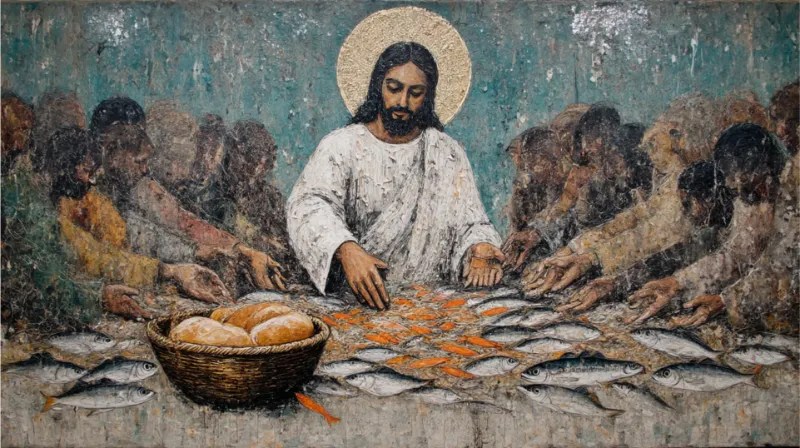
Kolossenzen 3:12
“Bekleed u dan, als uitverkorenen van God, heiligen en geliefden, met innige gevoelens van ontferming, vriendelijkheid, nederigheid, zachtmoedigheid en geduld.”
Reflectie: These virtues are presented as garments we are to intentionally put on each day. They form the very fabric of a supportive character. Compassion allows us to feel with others, humility helps us see their needs as valid as our own, and patience gives them the space to heal at their own pace. This is about cultivating an inner disposition that makes us safe and accessible to those who need us.

Spreuken 12:25
“Angst drukt het hart neer, maar een vriendelijk woord vrolijkt het op.”
Reflectie: This captures the profound impact of our words on the inner world of another. Anxiety has a palpable, physical-feeling weight that can crush the human spirit. A single, genuine word of kindness can act as a powerful counterforce, lifting that weight and restoring a measure of light and hope. It reminds us never to underestimate the therapeutic power of simple, sincere encouragement.

Hebrews 3:13
“Maar vermaan elkaar elke dag, zolang men van een 'vandaag' spreekt, opdat niemand van u verhard wordt door de misleiding van de zonde.”
Reflectie: Support is a daily discipline, not a one-time event. The hardening of the heart is a gradual process, often born of isolation and silent struggle. Consistent, daily encouragement acts as a spiritual and emotional softener, keeping our hearts and the hearts of others tender and responsive to grace. It is a preventative measure, a communal defense against the creeping chill of cynicism and despair.

Spreuken 17:17
“Een vriend heeft altijd lief, een broeder wordt geboren voor de tijd van nood.”
Reflectie: This verse beautifully distinguishes between the steady warmth of friendship and the crisis-born strength of kinship. True support shows its deepest character not when life is easy, but when adversity strikes. It speaks to a loyalty that is not conditional on circumstances. To be a “brother” or “sister” in a time of trial is to offer a resilient, non-anxious presence that becomes an anchor for the one caught in a storm.
Category 3: Unity and Mutual Care in Community
This section highlights that support is fundamentally a communal activity, thriving within a body of believers committed to mutual honor and service.

Filippenzen 2:3-4
“Doe niets uit eigenbelang of ijdelheid. Maar laat in nederigheid de een de ander voortreffelijker achten dan zichzelf. Laat eenieder niet alleen oog hebben voor wat van hemzelf is, maar laat eenieder ook oog hebben voor wat van anderen is.”
Reflectie: This is a radical reordering of our natural, self-referential wiring. The call to value others above ourselves is the essential psychological and spiritual shift required for a truly supportive community. It demands a secure sense of self that does not need to compete for worth, freeing us to genuinely attend to and champion the well-being of others. This is the foundation of mutual, non-transactional care.

1 Petrus 4:10
“Laat ieder van u de gave die hij heeft ontvangen gebruiken om anderen te dienen, als trouwe rentmeesters van Gods genade in haar verschillende vormen.”
Reflectie: Support is not one-size-fits-all. We are each uniquely gifted by God, and these gifts—of listening, of organizing, of teaching, of hospitality—are the very tools we are meant to use in service to one another. Being a “faithful steward” means recognizing that our abilities are not our own possessions but are entrusted to us for the good of the whole. This dignifies every person’s contribution to the community’s health.

Johannes 13:34-35
“Ik geef jullie een nieuw gebod: heb elkaar lief. Zoals ik jullie heb liefgehad, zo moeten jullie elkaar liefhebben. Aan jullie liefde voor elkaar zal iedereen zien dat jullie mijn leerlingen zijn.”
Reflectie: The love we show is the ultimate evidence of our faith. This is a profoundly relational, observable love. It’s a love modeled on Christ’s own sacrificial and unconditional love for us. When a community functions with this quality of mutual care and support, it creates a powerful emotional and spiritual “plausibility structure” that makes the Gospel message emotionally resonant and credible to a watching world.
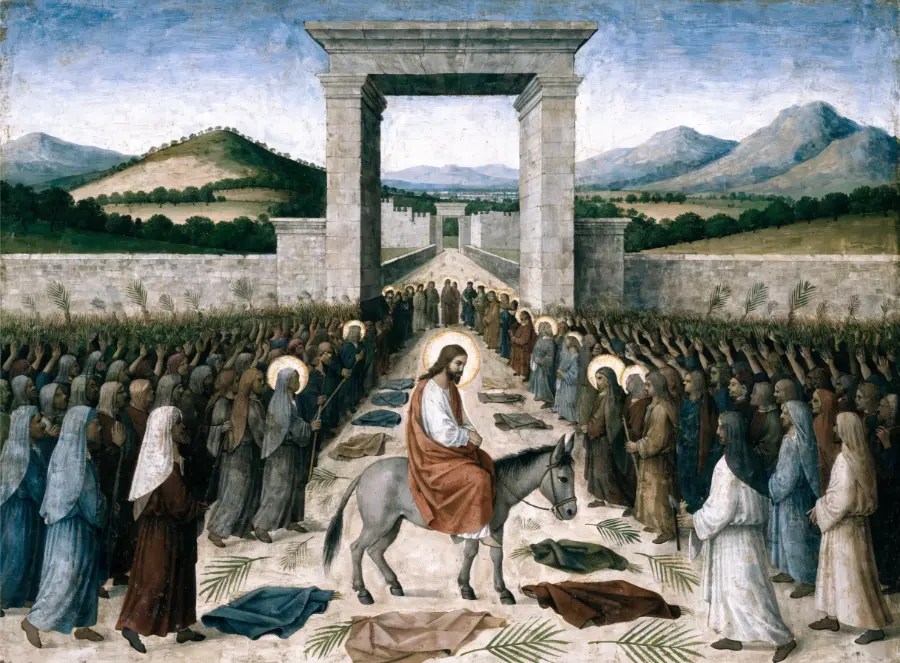
Romeinen 15:1
“Wij die sterk zijn, behoren de zwakheden van de zwakken te dragen en niet onszelf te behagen.”
Reflectie: Strength, whether it be spiritual, emotional, or physical, comes with a responsibility. It is not for our own glory or comfort but for the stability of the community. This verse challenges the human tendency to associate with only the strong. Instead, it calls the emotionally and spiritually mature to move toward the struggling, offering their stability as a gift, patiently bearing with stumbles without judgment.

Efeziërs 4:2-3
“Wees in alle opzichten nederig en zachtmoedig, wees geduldig, verdraag elkaar in liefde. En beijver u om de eenheid van de Geest te bewaren door de band van de vrede.”
Reflectie: Unity is not a passive state; it requires immense effort. The virtues listed here—humility, gentleness, patience—are the emotional lubricants that make community life possible. “Bearing with one another” acknowledges that we will inevitably rub each other the wrong way. Love is the bond that allows for this friction without fracture. Preserving unity is a primary act of mutual support.
Romeinen 12:10
“Heb elkaar lief met de innige liefde van broeders en zusters en acht de ander hoger dan jezelf.”
Reflectie: To be “devoted” speaks of a deep, familial affection and loyalty. To “honor one another above yourselves” is to be in a constant practice of celebrating and elevating others. This creates an emotional climate of incredible safety and security. In a world that often demands we fight for honor, a community that gives it away freely becomes a profound sanctuary for the human soul.
Category 4: Generosity and Practical Service
This section moves from internal postures to external actions, emphasizing that true support often involves tangible, sacrificial acts of service and generosity.
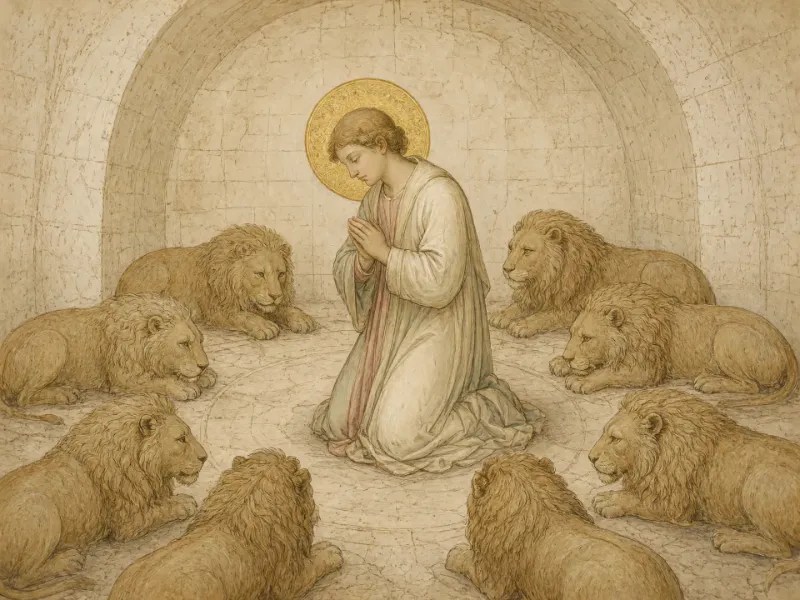
1 Johannes 3:17-18
“Wie echter de middelen voor het levensonderhoud heeft en zijn broeder of zuster gebrek ziet lijden, maar zijn hart voor hen sluit, hoe kan de liefde van God dan in hem blijven? Lieve kinderen, we moeten niet liefhebben met woorden of met onze tong, maar met daden en in waarheid.”
Reflectie: This is a piercing call for integrity. It exposes the dissonance between professing love and withholding practical help. True compassion is not a disembodied feeling; it is an embodied response that moves us to action. A closed hand in the face of need is a sign of a closed heart. Our love is authenticated when our hands and our resources are opened to meet the real-world needs of others.
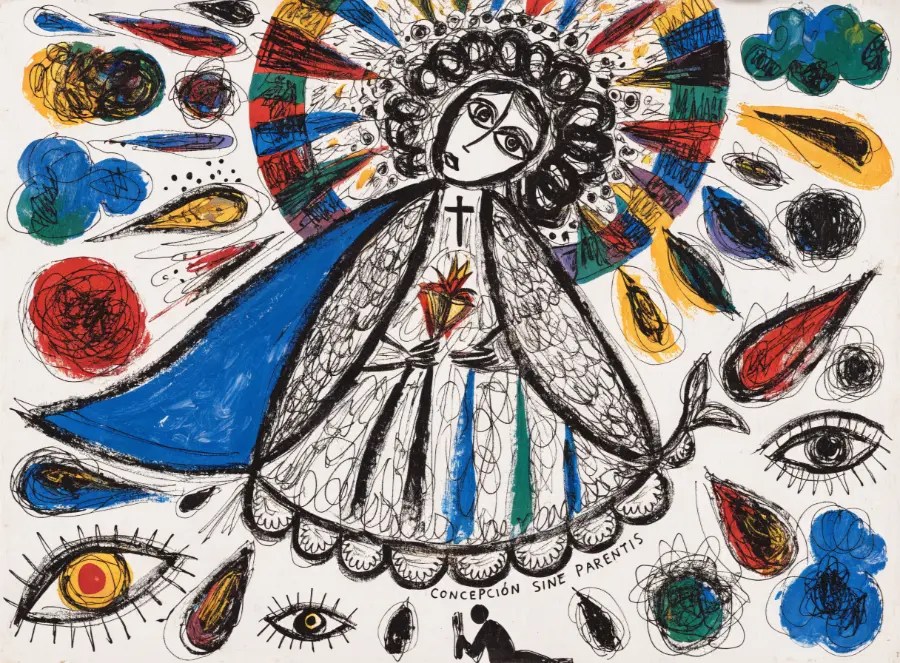
Matteüs 25:40
“En de Koning zal antwoorden en tegen hen zeggen: Voorwaar, ik zeg u: voor zover u dit voor een van deze geringste broeders van Mij gedaan hebt, hebt u dat voor Mij gedaan.”
Reflectie: This verse provides the ultimate theological motivation for supporting the vulnerable. It reframes service not as condescending charity, but as direct ministry to Christ himself. It infuses acts of caring for the poor, the sick, and the imprisoned with eternal significance and dignity. To see the face of Jesus in the face of the needy changes our service from a duty into a sacred privilege.
Hebreeën 13:16
“En vergeet niet goed te doen en met anderen te delen, want met zulke offers is God welgevallig.”
Reflectie: The act of sharing our time, energy, and resources is described here as a “sacrifice.” This implies it will cost us something. Yet, this cost is not seen as a loss, but as a fragrant offering that pleases God. This reframes generosity: it is not about what we lose, but about the beautiful offering we make. This perspective can fuel our motivation to give even when it’s difficult.

Spreuken 31:8-9
“Spreek uw mond open voor de stomme, voor de zaak van allen die achtergelaten zijn. Spreek uw mond open, oordeel rechtvaardig en behartig de zaak van de ellendige en de behoeftige.”
Reflectie: Support is not always gentle and quiet; sometimes it is fierce and vocal. This is a call to advocacy. It requires us to use our power, our voice, and our influence on behalf of those who have been silenced or marginalized. This form of support confronts injustice and seeks to correct systemic imbalances, reflecting God’s own passion for justice and righteousness.

Galaten 6:10
“Laten wij dus, terwijl wij gelegenheid hebben, goeddoen aan allen, maar vooral aan de huisgenoten van het geloof.”
Reflectie: This verse provides both a scope and a priority for our support. The call is expansive—”do good to all people,” recognizing a universal human dignity. Yet, there is a special focus, an emotional and spiritual priority, for “the family of believers.” This is not an exclusive command, but an acknowledgment that our most immediate and accountable relationships are within our faith community, which should be the primary training ground for a life of service.

Handelingen 20:35
“In alles wat ik deed, heb ik u getoond dat wij door zo hard te werken de zwakken moeten helpen, indachtig de woorden die de Heer Jezus zelf sprak: ‘Het is zaliger te geven dan te ontvangen.’”
Reflectie: Here, supporting others (“helping the weak”) is framed as “hard work,” acknowledging the effort it requires. The payoff, however, is not a depletion but a “blessing.” Jesus’s words flip our worldly understanding of economics and well-being. The act of giving, of pouring ourselves out for others, paradoxically fills us with a deeper sense of joy, purpose, and spiritual vitality than the act of accumulating ever could. It is the divine secret to a truly flourishing life.


Een reactie plaatsen