
 Dutch
Dutch  English
  Chinese
  Arabic
  Spanish
  Portuguese
  Russian
  French
  Italian
  German
  Japanese
 Skylar komt niet voor in de Bijbel — en het heeft niets met de lucht te maken.
Dat tweede deel verrast de meesten van ons. De naam ziet eruit alsof het hemel of open lucht zou moeten betekenen, en heel veel pagina's zullen ons dat vertellen. Dat is niet zo. Skylar is een spelling van Skyler, die afkomstig is van de Nederlandse achternaam Schuyler, en Schuyler betekent geleerde.
Een leerling. Wat, toevallig, het enige is dat onze Heer ooit van iemand heeft gevraagd.

Wat betekent de naam Skylar?
Geleerde. De Nederlandse achternaam Schuyler kwam met Nederlandse kolonisten naar Amerika en werd als voornaam aangenomen ter ere van Philip Schuyler, de generaal en senator. Skyler en Skylar volgden, en gedurende een tijd in de jaren tachtig werd de naam vooral aan jongens gegeven voordat het veranderde.
De gelijkenis met “lucht” (sky) is een toeval van de Engelse spelling. Het is een gelukkig toeval, en we hoeven er geen spijt van te hebben. Maar de ware betekenis is de betere.

Komt de naam Skylar voor in de Bijbel?
Nee — niet in het Hebreeuws, Grieks of Latijn, en niet onder enige oudere vorm. Nederlandse achternamen zijn zo'n vijftien eeuwen jonger dan het Nieuwe Testament. Er is hier geen Hebreeuwse wortel te vinden, en elke pagina die er een aanbiedt, heeft die verzonnen.
Wat de Schrift in plaats daarvan biedt, is een beeld van wat een geleerde werkelijk is, en het is niet wat we gewoonlijk denken.
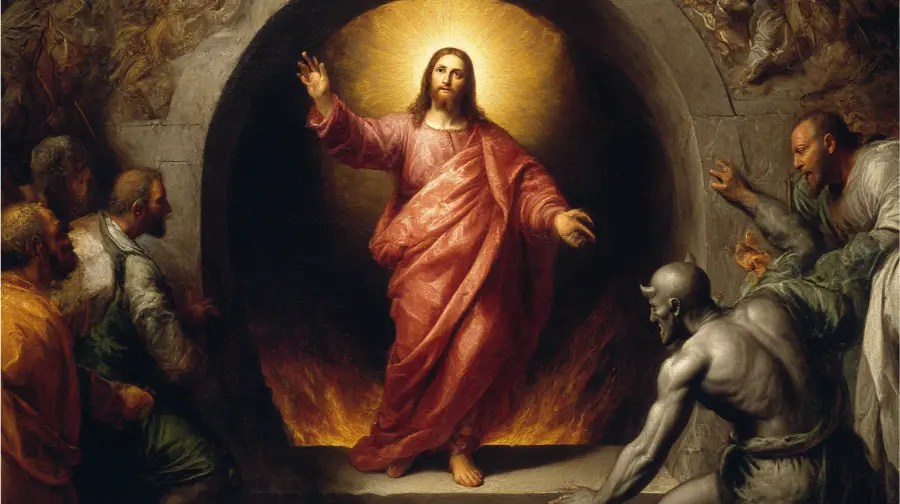
De geleerde die op de grond zat
In het Evangelie van Lucas ontvangen twee zussen Jezus in hun huis. De een werkt. De ander, zo wordt ons simpelweg verteld, zat aan de voeten van de Heer en luisterde naar wat hij zei.
Die uitdrukking is niet decoratief. Aan de voeten van een leraar zitten was de houding van een student — de formele positie van een discipel die onderricht ontvangt, en een die vrouwen van die tijd en plaats over het algemeen niet werd aangeboden. Maria neemt die positie toch in. En wanneer haar zus klaagt, verontschuldigt onze Heer zich niet voor haar. Hij zegt dat zij het betere deel heeft gekozen, en het zal haar niet worden ontnomen.
Een geleerde in de Schrift is niet iemand die klaar is met leren. Het is iemand die is gaan zitten.

Leer van mij
En wat hij aanbiedt om te onderwijzen is in eerste instantie geen onderwerp.
Neem mijn juk op je en leer van mij, want ik ben zachtmoedig en nederig van hart, en je zult rust vinden voor je ziel.
Leer van mij. Niet: leer over mij, of leer de stof. Het curriculum is een karakter — zachtmoedigheid en nederigheid van hart — en het beloofde resultaat is rust, wat een vreemd cijfer is om te krijgen aan het einde van een studie.
De meesten van ons weten wat de andere soort van leren met ons doet. We verzamelen, we vergelijken, we worden moe. Deze leraar stelt het tegenovergestelde voor: een juk dat past, gedragen naast iemand die het langer heeft gedragen.
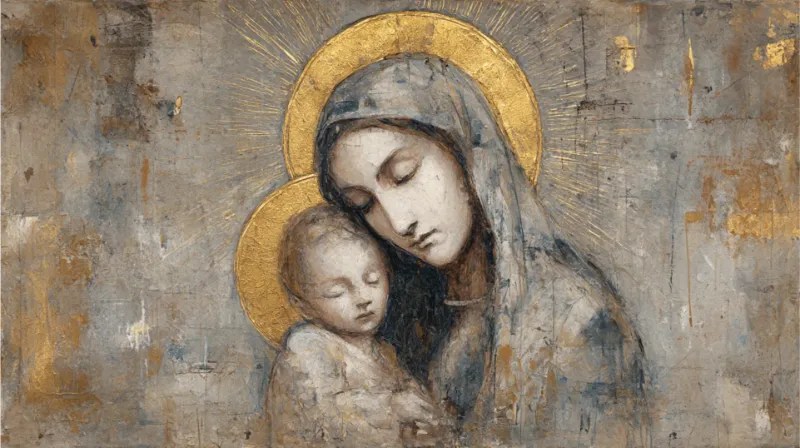
Een woord voor de jaren van niet weten
Laten we het eerlijke zeggen tegen iedereen die deze naam door een moeilijke periode draagt.
Een geleerde zijn betekent het grootste deel van de tijd nog niet begrijpen. Dat is de voorwaarde, geen falen ervan. De discipelen begrepen bijna alles verkeerd tot na de opstanding, en zij zijn degenen die hij koos. Lange periodes van verwarring zijn normaal in een leven van geloof, en ze zijn geen bewijs dat we achtergelaten zijn.
We hoeven niet aan te komen. We moeten blijven zitten.
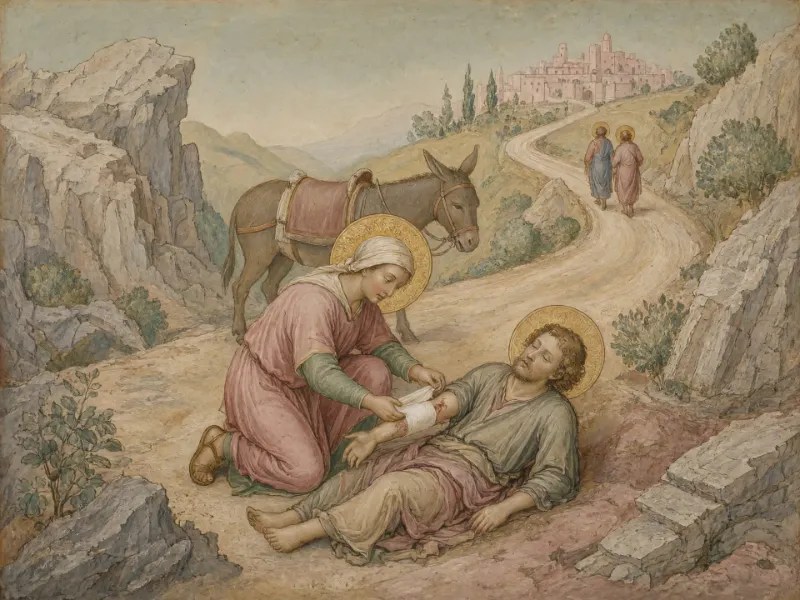
Voor iedereen die de naam draagt
Skylar: een geleerde.
Mogen wij ons hele leven lang leerlingen zijn, en wel zachtmoedige — aangezien het eerste wat we moeten bestuderen zachtmoedigheid zelf is.
En wanneer de lucht toch in gedachten komt, omdat de naam zo klinkt als hij zou moeten klinken, laten we dat dan als een geschenk beschouwen in plaats van als een etymologie. De hemel vertelt de glorie van God. Ze spellen alleen onze naam niet.
Gerelateerde artikelen
- Mackenzie staat niet in de Bijbel: een Schotse naam die "kind van de schone" betekent
- Daisy komt niet voor in de Bijbel: Het “dag-oog” en de morgen in de Schrift
- Logan staat niet in de Bijbel: Een Schotse naam die “klein dal” betekent
- Staat jouw naam in de Bijbel? Een gids van 231 namen


Een reactie plaatsen