
 Russian
 English
 Chinese
 Dutch
 Arabic
 Spanish
 Portuguese
 French
 Italian
 German
 Japanese
In the Bible the soul is the living person, often the whole self, and the spirit is the life God gives. Genesis 2:7 says the man “became a living being”, Zechariah 12:1 says God “forms the human spirit within a person”, and Ecclesiastes 12:7 says that at death “the spirit returns to God who gave it”.
Both words also name the inner self that thinks, longs and worships. The Hebrew words are нефеш, soul, life or self, and руах, spirit, wind or breath; the Greek words of the New Testament are Psyche и пневма. Isaiah 26:9 and Luke 1:46-47 set soul and spirit in matching lines, while 1 Thessalonians 5:23 lists “spirit, soul and body” together and Hebrews 4:12 speaks of the word of God “dividing soul and spirit”.
God forms the soul and gives the spirit
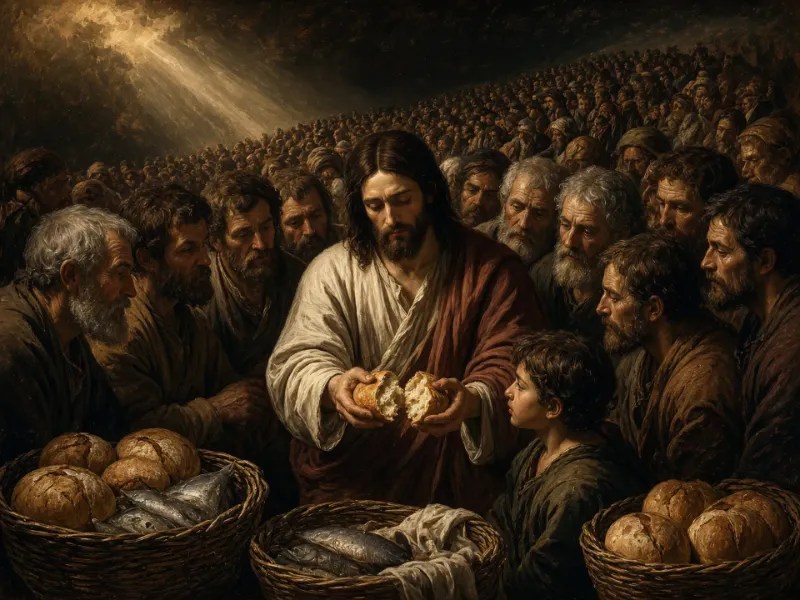
Genesis 2:7
«И создал Господь Бог человека из праха земного, и вдунул в лице его дыхание жизни, и стал человек душею живою.»
Размышление: The man is shaped from the dust of the ground and becomes “a living being” when God breathes “the breath of life” into his nostrils. The Hebrew word behind “being” is нефеш; the King James Version renders the phrase “a living soul” and the English Standard Version “a living creature”. It is the man himself, dust with God’s breath in it, who becomes a нефеш, and Genesis 2:19 uses the same word for the animals.
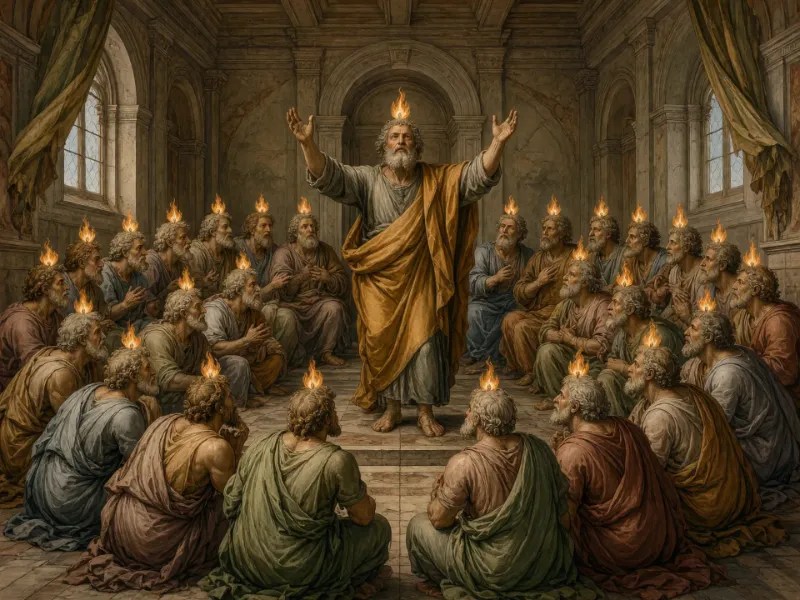
Захария 12:1
«…Господь, распростерший небо, основавший землю и устроивший дух человека внутри него».
Размышление: The verse introduces a prophecy concerning Israel by naming who gives it: the LORD who stretches out the heavens, lays the foundation of the earth and “forms the human spirit within a person”. Making a person’s spirit stands in the same list as making the sky and the ground. The prophecy itself, beginning in verse 2, concerns Jerusalem and Judah under siege.
Екклесиаст 12:7
«И возвратится прах в землю, чем он и был; а дух возвратится к Богу, Который дал его».
Размышление: The Teacher ends his call to “remember your Creator in the days of your youth” (12:1) with pictures of old age and death: the silver cord severed, the golden bowl broken, the pitcher shattered at the spring. The verse then says what becomes of each part of a person: the dust goes back to the ground it came from, and the spirit to God who gave it. Earlier in the book the Teacher had asked, “Who knows if the human spirit rises upward and if the spirit of the animal goes down into the earth?” (Ecclesiastes 3:21).
Soul and spirit named side by side
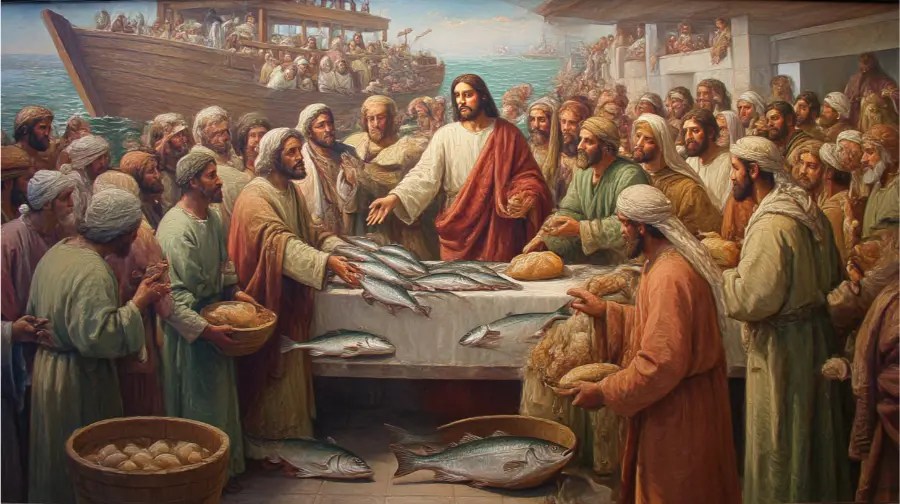
Isaiah 26:9
“My soul yearns for you in the night; in the morning my spirit longs for you…”
Размышление: The verse belongs to a song that, by Isaiah 26:1, “will be sung in the land of Judah”. Its two lines say one thing twice: the soul yearns for God in the night, and the spirit longs for him in the morning. The Hebrew lexicon entry for руах lists this verse under spirit as the seat of desire, set in parallel with нефеш.
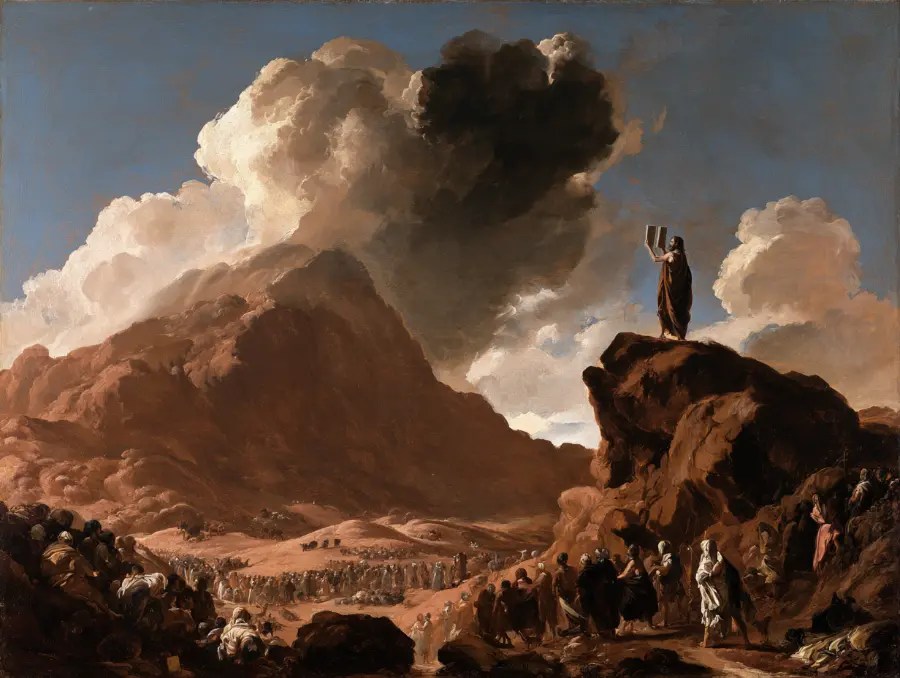
Луки 1:46-47
“My soul glorifies the Lord and my spirit rejoices in God my Savior.”
Размышление: Mary speaks these lines after Elizabeth, filled with the Holy Spirit, has called her blessed for believing “that the Lord would fulfill his promises to her” (1:41-45). As in Isaiah 26:9, soul and spirit stand in matching lines, one glorifying the Lord and the other rejoicing in God her Savior; the Greek words are Psyche и пневма. The reason follows in verse 48: “he has been mindful of the humble state of his servant”.
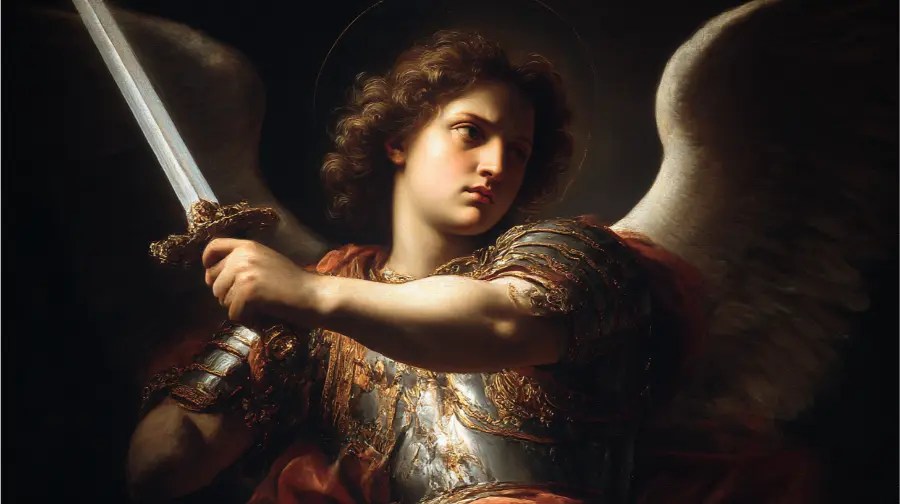
1-е Фессалоникийцам 5:23
«Сам же Бог мира да освятит вас во всей полноте, и ваш дух и душа и тело во всей целости да сохранятся без порока в пришествие Господа нашего Иисуса Христа.»
Размышление: Paul ends a run of short commands (“Rejoice always, pray continually, give thanks in all circumstances”) with the wish that God would sanctify the Thessalonians “through and through”. He names spirit, soul and body in one list as what is to be kept blameless at the coming of Christ. Verse 24 gives the ground for his confidence: “The one who calls you is faithful, and he will do it.”
Евреям 4:12
«Ибо слово Божие живо и действенно и острее всякого меча обоюдоострого: оно проникает до разделения души и духа, составов и мозгов, и судит помышления и намерения сердечные».
Размышление: The verse comes between a call to “make every effort to enter that rest” (4:11) and the statement that “nothing in all creation is hidden from God’s sight” (4:13). The word of God reaches as far as the division of soul from spirit and of joints from marrow, and it judges “the thoughts and attitudes of the heart”. Verse 13 follows: everything is “uncovered and laid bare” before God. Verse 12 does not say where soul ends and spirit begins.
The human spirit and the Spirit of God
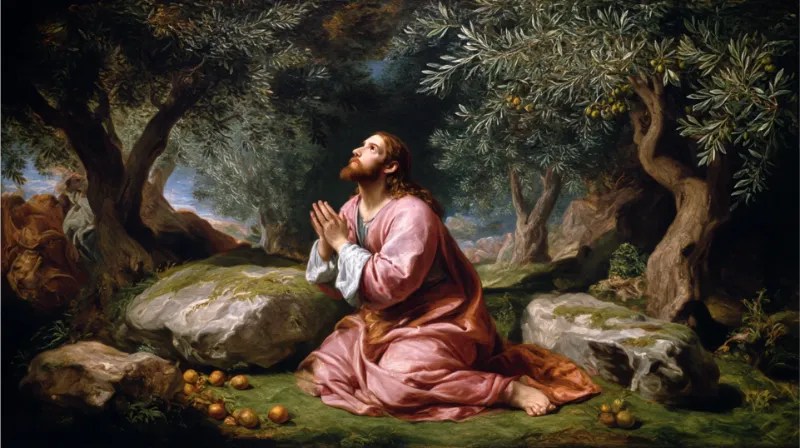
Proverbs 20:27
“The human spirit is the lamp of the LORD that sheds light on one’s inmost being.”
Размышление: The proverb calls the human spirit “the lamp of the LORD” and says it sheds light on a person’s “inmost being”. Three verses earlier the chapter says that a person’s steps are directed by the LORD and asks, “How then can anyone understand their own way?” (20:24).
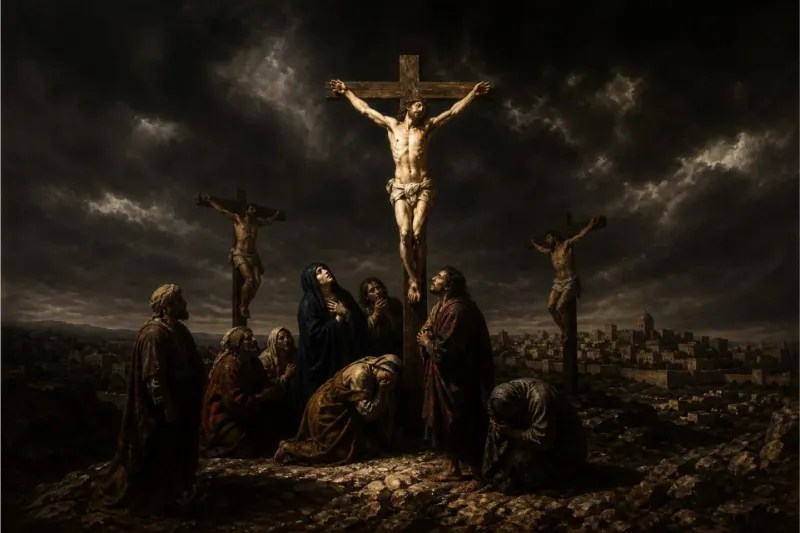
1 Corinthians 2:11
“For who knows a person’s thoughts except their own spirit within them? In the same way no one knows the thoughts of God except the Spirit of God.”
Размышление: Paul compares two kinds of knowing: a person’s own spirit knows that person’s thoughts, and in the same way the Spirit of God knows the thoughts of God. The comparison supports what he has just said: “these are the things God has revealed to us by his Spirit”, and the Spirit “searches all things, even the deep things of God” (2:10). Verse 14 draws the contrast: “the person without the Spirit” considers the things of God’s Spirit foolishness.
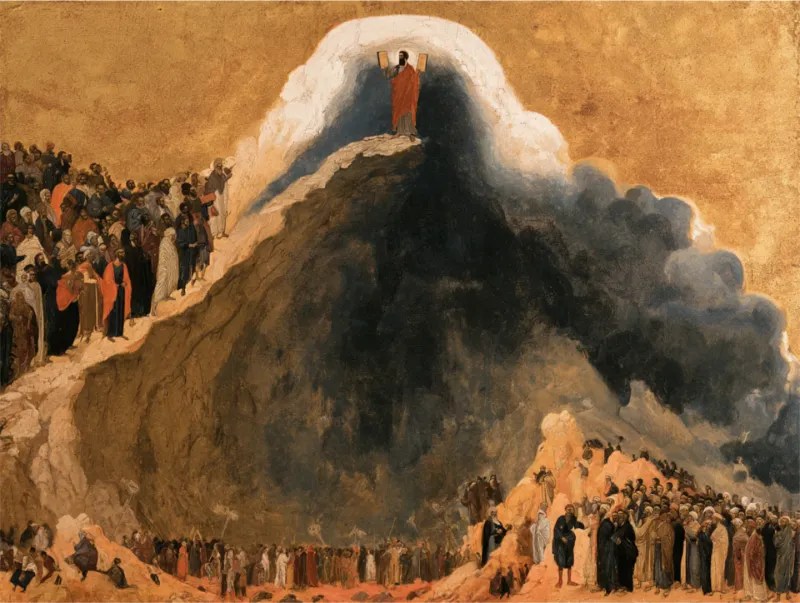
Римлянам 8:16
«Сей самый Дух свидетельствует духу нашему, что мы — дети Божии».
Размышление: Two spirits are named in the verse, the Spirit of God and “our spirit”. In the verse before, Paul says the Spirit believers received “brought about your adoption to sonship” and that by him “we cry, ‘Abba, Father.’” The Spirit’s witness is given together with the believer’s own spirit, and verse 17 builds on it: “Now if we are children, then we are heirs”.

Иоанна 4:24
«Бог есть дух, и поклоняющиеся Ему должны поклоняться в духе и истине.»
Размышление: Jesus is speaking with a Samaritan woman who has raised the dispute over whether to worship on her ancestors’ mountain or in Jerusalem (4:20). He answers that a time is coming when the Father will be worshiped “neither on this mountain nor in Jerusalem” (4:21), and sets God’s nature, “God is spirit”, beside the worship the Father seeks. The NIV prints “in the Spirit” with a capital S, pointing to the Holy Spirit; the English Standard Version and the King James Version read “in spirit”.
The soul thirsting, downcast, at rest or well
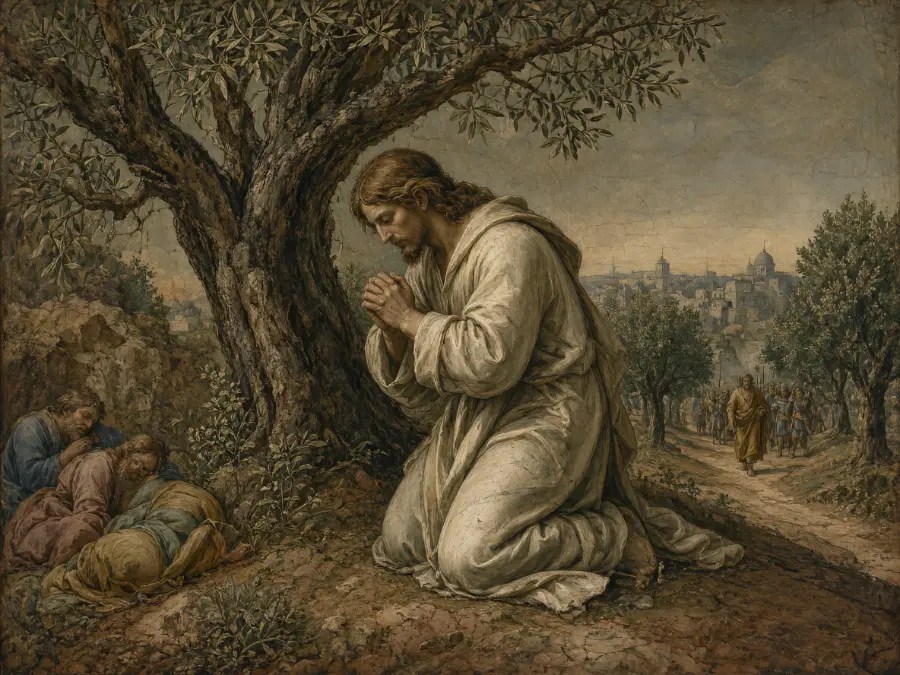
Псалом 41:6
«Что унываешь ты, душа моя, и что смущаешься? Уповай на Бога, ибо я еще буду славить Его, Спасителя моего и Бога моего».
Размышление: The psalmist talks to his own soul, asks why it is downcast, and tells it to hope in God. The psalm opens with the soul thirsting “for the living God” as a deer pants for streams of water (42:1-2), and the same question and answer return word for word in verse 11. Here the soul is the speaker’s own inner life, something he can question and urge.
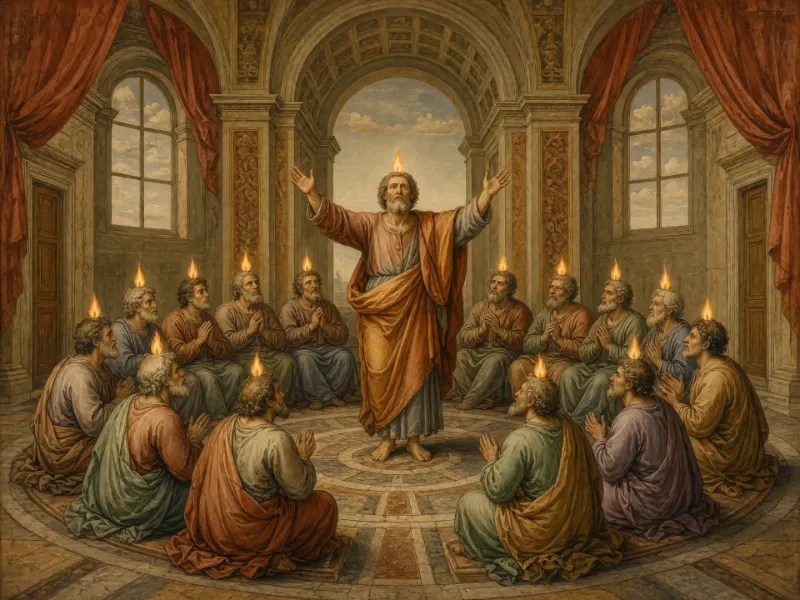
Псалом 61:1
«Только в Боге успокаивается душа моя; от Него спасение мое».
Размышление: David opens the psalm with a statement, “Truly my soul finds rest in God”, and repeats it in verse 5 as an instruction to himself: “Yes, my soul, find rest in God; my hope comes from him.” Between the two lines he describes enemies who “intend to topple me from my lofty place” (62:4). In verse 8 he turns to the people: “pour out your hearts to him, for God is our refuge.”
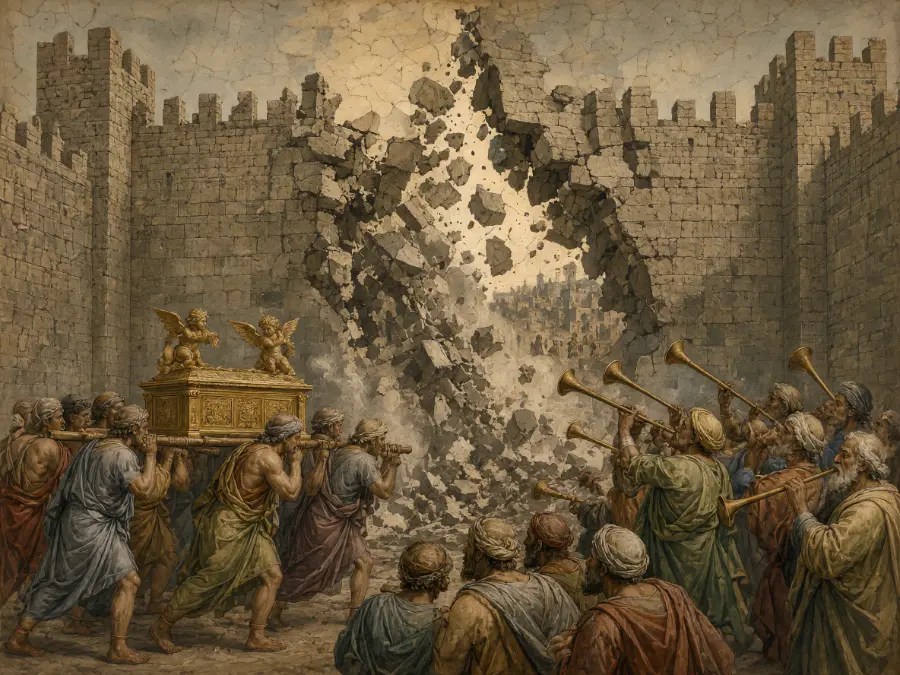
Матфея 11:28-29
«Придите ко Мне все труждающиеся и обремененные, и Я успокою вас; возьмите иго Мое на себя и научитесь от Меня, ибо Я кроток и смирен сердцем, и найдете покой душам вашим». (Матфея 11:28-29)
Размышление: Verse 29 closes with the words of Jeremiah 6:16, “you will find rest for your souls”. In Jeremiah the rest is found by walking in “the ancient paths”, and the people answer, “We will not walk in it.” In Matthew it is found by taking Jesus’ yoke and learning from him, and verse 30 adds, “For my yoke is easy and my burden is light.”
3-е Иоанна 1:2
«Возлюбленный! молюсь, чтобы ты здравствовал и преуспевал во всем, как преуспевает душа твоя».
Размышление: The elder opens his letter to “my dear friend Gaius” with a wish for his health and for all to go well with him, measured against the state of his soul, which is already “getting along well”. In the next verse the elder says it gave him great joy when believers told of Gaius’s “faithfulness to the truth”.
A spirit made new
Псалом 50:12
«Сердце чистое сотвори во мне, Боже, и дух правый обнови внутри меня».
Размышление: David asks for a pure heart and a “steadfast spirit”, and the verses that follow use the word spirit three more times: God’s “Holy Spirit”, which he asks God not to take from him (51:11), “a willing spirit” to sustain him (51:12), and “a broken spirit”, the sacrifice God will not despise (51:17). By its heading, the psalm was written after the prophet Nathan came to David over his adultery with Bathsheba.
Иезекииль 36:26
«И дам вам сердце новое, и дух новый дам вам; и возьму из плоти вашей сердце каменное, и дам вам сердце плотяное».
Размышление: God promises the people he will gather from the nations that he will cleanse them and give them “a new heart” and “a new spirit”, removing the heart of stone. Verse 27 adds a second gift: “I will put my Spirit in you and move you to follow my decrees.” A renewed human spirit and God’s own Spirit are promised in consecutive verses, as they are prayed for in Psalm 51:10-11.
The soul’s worth, its danger and its salvation
Марка 8:36
«Ибо какая польза человеку, если он приобретет весь мир, а душе своей повредит?»
Размышление: Jesus has just called the crowd and his disciples to deny themselves and take up their cross (8:34), and said that “whoever wants to save their life will lose it” (8:35). The Greek word translated “life” in verse 35 is the one translated “soul” in verses 36 and 37, Psyche. Verse 37 presses the question further: “what can anyone give in exchange for their soul?”
Матфея 10:28
«И не бойтесь убивающих тело, души же не могущих убить; а бойтесь более Того, Кто может и душу и тело погубить в геенне».
Размышление: Jesus separates what people can do from what God can do: they can kill the body but not the soul, and God can destroy both soul and body in hell. The next verses set the fear of God beside his care, since not one sparrow falls to the ground “outside your Father’s care”, and “you are worth more than many sparrows” (10:29-31).
1 Петра 1:8-9
«Которого, не видев, любите, и доселе не видя, но веруя в Него, радуетесь радостью неизреченною и преславною, достигая наконец верою вашею спасения душ».
Размышление: Peter writes to believers who love Jesus without having seen him and who “may have had to suffer grief in all kinds of trials” (1:6). He tells them they are already “receiving the end result of your faith, the salvation of your souls”. Four verses earlier, the same letter speaks of “the salvation that is ready to be revealed in the last time” (1:5).
Whether soul and spirit are distinct
Isaiah 26:9 and Luke 1:46-47 use the two words for one act of longing or praise, yet Hebrews 4:12 speaks of dividing them, and 1 Thessalonians 5:23 lists them as two of three. Ecclesiastes 12:7 speaks of the spirit returning to God at death, and Matthew 10:28 of the soul that those who kill the body cannot kill.
Католическая церковь Катехизис Католической Церкви cites 1 Thessalonians 5:23 and teaches that “this distinction does not introduce a duality into the soul”: “spirit” signifies that from creation man is ordered to a supernatural end and that his soul can be raised to communion with God (paragraph 367). It also says that in Scripture the term soul “often refers to human life or the entire human person” (paragraph 363).


Добавить комментарий