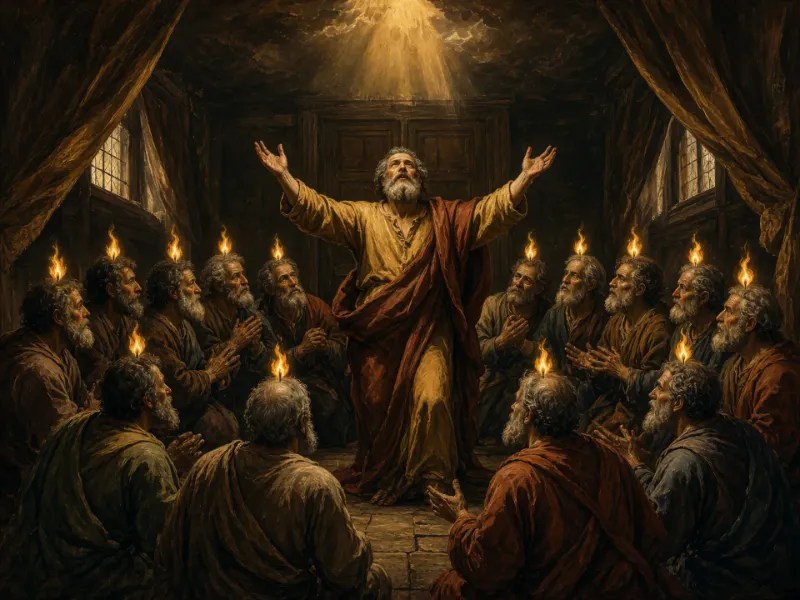
أسرار الكتاب المقدس: من هو الروح القدس؟


  • الروح القدس هو كيان إلهي مذكور في الكتاب المقدس ، مع العديد من المراجع في جميع أنحاء الكتاب المقدس.
  • وفقًا للكتاب المقدس ، غالبًا ما يوصف الروح القدس بأنه الشخص الثالث في الثالوث ، إلى جانب الله الآب ويسوع المسيح.
  • يتم تصوير الروح القدس كقوة توجيهية ، ومعزي ، ومستشار للمؤمنين ، وتوفير القوة الروحية وتمكينهم من عيش حياة إلهية.
  • يرتبط الروح القدس أيضًا بمظاهر مختلفة ، مثل القدرة على أداء المعجزات ، وهبة التحدث بالألسنة ، ونقل المواهب الروحية إلى المؤمنين.

من هو الروح القدس حسب الكتاب المقدس؟

Friend, when we open the pages of Scripture, we discover that the Holy Spirit is not a vague force or an impersonal energy the very presence of God Himself—personal, powerful, and purposeful. The Bible reveals the Holy Spirit as the third Person of the Trinity, co-equal and co-eternal with God the Father and Jesus the Son. From the very beginning, the Spirit is present: “The Spirit of God was hovering over the waters” (Genesis 1:2), actively involved in creation. Throughout the Old Testament, the Spirit empowers prophets, leaders, and ordinary people to accomplish God’s will.

In the New Testament, the Holy Spirit’s identity becomes even clearer. Jesus promises His followers, “I will ask the Father, and He will give you another Helper, to be with you forever—the Spirit of truth” (John 14:16-17). The Spirit is called “Helper,” “Comforter,” and “Advocate,” indicating a personal relationship with believers. At Pentecost, the Spirit descends with power, filling the early church and marking the birth of a new era (Acts 2).

لاهوتيا، الروح القدس هو الله الكامل، تقاسم نفس الطبيعة الإلهية مثل الآب والابن، ولكن متميزة في الشخصية. ويوصف الروح بأنه له عقل (رومية 8: 27)، وإرادة (كورنثوس الأولى 12: 11)، والعواطف (أفسس 4: 30). إنه يتكلم ويرشد ويعلم ويشفع. الروح هو نفس الله، ويجلب الحياة، والتحول، والتجديد.

بالنسبة للمسيحيين، الروح القدس هو حضور الله المسكن، مما يجعل أسرار الإيمان حقيقية وشخصية. إنه الشخص الذي يأتي بنا إلى عائلة الله، ويضمن لنا خلاصنا، ويمكّننا من عيش دعوتنا. الروح القدس ليس اختياريًا إضافيًا - إنه ضروري للحياة المسيحية ، نبضات قلب علاقتنا مع الله (مارش ، 1978 ، الصفحات 101-116 ؛ الصدأ، 1966، الصفحات 157-176؛ Waruwu et al., 2025).

كيف يختلف الروح القدس عن الله الآب ويسوع الابن؟

Dear friend, understanding the Holy Spirit’s unique identity within the Trinity is a beautiful mystery that deepens our faith. Christianity teaches that God is one in essence but exists eternally as three distinct Persons: the Father, the Son (Jesus Christ), and the Holy Spirit. Each Person is fully God, yet each has unique roles and relationships.

God the Father is often seen as the source, the Creator, and the One who initiates the plan of salvation. He is the “Father of lights,” the One to whom Jesus prayed and whom He revealed to us.

يسوع الابن هو الكلمة التي صنعت جسدًا (يوحنا 1: 14) ، الصورة المرئية لله غير المرئي. إنه الفادي ، الذي أخذ الطبيعة البشرية ، وعاش حياة بلا خطية ، ومات من أجل خطايانا ، وقام مرة أخرى ليجلب لنا الخلاص. يسوع هو الوسيط بين الله والبشرية، رئيس كهنتنا وملكنا (Osei-Acheampong، 2024)؛ Waruwu et al., 2025).

The Holy Spirit, while fully God, is distinct in role and personhood. The Spirit is the One who proceeds from the Father (and, in Western theology, from the Son as well), sent to dwell within believers after Jesus’ ascension. The Spirit’s work is often described as making real in our lives what the Father planned and the Son accomplished. He is the divine presence within us, empowering, guiding, and transforming us from the inside out.

على الرغم من أن الآب والابن والروح متحدون في الإرادة والجوهر ، إلا أنهم متميزون في كيفية ارتباطهم بنا ومع بعضهم البعض. الآب يرسل الابن. الابن ينجز الفداء. الروح ينطبق هذا الفداء على قلوبنا. الروح ليس الآب أو الابن يستحق العبادة والمحبة والطاعة.

This divine dance of unity and distinction is at the heart of Christian faith. The Holy Spirit is God’s personal presence with us today, making the love of the Father and the grace of Jesus real in our lives(Dorroll, 2023; Sain, 2009, pp. 273–298; Waruwu et al., 2025).

ما هي هدايا وثمار الروح القدس؟

Friend, when we talk about the Holy Spirit, we’re talking about God’s personal presence in our lives—our Comforter, Counselor, and Guide. The Holy Spirit doesn’t just dwell in us; He equips us with gifts and produces beautiful fruit in our character, transforming us from the inside out.

هدايا الروح القدس are special abilities given to believers to build up the Church and serve others. The Apostle Paul lists these gifts in 1 Corinthians 12:8-10 and Romans 12:6-8. They include wisdom, knowledge, faith, healing, miracles, prophecy, discernment, tongues, and interpretation of tongues. Other gifts, like teaching, serving, encouragement, giving, leadership, and mercy, are also mentioned. Each gift is unique, and the Spirit distributes them as He wills, so that together, we can reflect Christ’s love and power to the world.

ثمار الروح القدس are the evidence of His work in our lives. Galatians 5:22-23 tells us, “But the fruit of the Spirit is love, joy, peace, patience, kindness, goodness, faithfulness, gentleness, and self-control.” These aren’t just virtues to strive for—they’re the natural result of living in step with the Spirit. When we yield to Him, He shapes our character to look more like Jesus.

I see these fruits as the foundation of emotional and relational health. I know that Christians throughout the ages have been recognized by these qualities. When the Spirit is at work, our lives become a testimony—radiating hope, compassion, and resilience.

So, if you’re wondering what the Holy Spirit is doing in your life, look for these gifts and fruits. They’re signs that God is moving, equipping you for purpose, and making you a blessing to others. Embrace them, nurture them, and let the Spirit lead you into a life of abundance and impact(Brendan, 2022; Satu, 2020).

ماذا علّم آباء الكنيسة عن الروح القدس؟

The early Church Fathers—those wise and Spirit-filled leaders of the first centuries—laid the foundation for our understanding of the Holy Spirit. Their teachings are like a treasure chest, full of insight and inspiration for believers today.

The Church Fathers affirmed that the Holy Spirit is fully God, co-equal and co-eternal with the Father and the Son. This was a crucial point in the early especially as they faced heresies that denied the Spirit’s divinity. St. Basil the Great, for example, wrote powerfully about the Spirit’s role in creation, sanctification, and the life of the insisting that the Spirit is to be worshipped and glorified together with the Father and the Son(Rozumna, 2018).

St. Gregory Nazianzen, known as “the Theologian,” emphasized the Spirit’s role in revealing truth and bringing believers into communion with God. He taught that the Spirit is the one who makes us holy, who inspires Scripture, and who unites us as the Body of Christ(Artemi, 2013, pp. 127–146; Zaprometova, 2009, pp. 13–14). The Fathers also described the Spirit as the giver of life, the one who empowers us to live out our faith and to love as Christ loved.

Importantly, the Fathers saw the Holy Spirit as the source of unity in the Church. They taught that the Spirit binds us together in peace and love, making us one family in Christ. The Spirit’s presence is what makes the Church alive, dynamic, and holy(Editors, 2023; Larchet, 2014, pp. 7–10).

I marvel at how the Church Fathers’ teachings have shaped Christian doctrine for centuries. I see how their emphasis on the Spirit’s transformative power speaks to our deepest needs for connection, purpose, and renewal.

So, when you read the writings of the Church Fathers, you’re tapping into a wellspring of wisdom that points you to the living, active presence of the Holy Spirit—God with us, now and always(Editors, 2023; Larchet, 2014, pp. 7–10; Rozumna, 2018).

كيف يمكنك أن تعرف ما إذا كنت تقودها الروح القدس؟

Dear friend, one of the greatest questions a believer can ask is, “How do I know if I’m being led by the Holy Spirit?” The answer is both simple and powerful: the Spirit’s leading is marked by peace, purpose, and transformation.

The Holy Spirit always points us to Jesus and aligns us with God’s Word. If you sense a prompting that draws you closer to Christ, encourages you to love others, or inspires you to serve, that’s the Spirit at work. The Spirit never contradicts Scripture; instead, He illuminates it, making God’s truth come alive in your heart(Satu, 2020).

The fruit of the Spirit is a key indicator. Are you growing in love, joy, peace, patience, kindness, goodness, faithfulness, gentleness, and self-control? These qualities are the Spirit’s signature. When you notice these fruits increasing in your life—even in challenging circumstances—you can be confident that the Spirit is leading you(Satu, 2020).

The Spirit’s guidance often comes as a gentle nudge, a sense of conviction, or a deep inner peace about a decision. Sometimes, He speaks through wise counsel, circumstances, or even a holy restlessness that moves you to action. I encourage you to pay attention to your inner life—your thoughts, feelings, and desires. The Spirit often works through our conscience, shaping our motives and giving us clarity.

Finally, being led by the Spirit is not about perfection about willingness. It’s about saying, “Lord, I trust You. Lead me.” The more you surrender, the more you’ll recognize His voice. And remember, the Spirit’s leading brings freedom, not fear; hope, not confusion.

So, if you’re seeking the Spirit’s guidance, stay rooted in prayer, Scripture, and community. Trust that God delights to lead His children, and as you walk with Him, you’ll discover a life of purpose, power, and peace(Editors, 2023; Satu, 2020).

ما هي علامات أو أدلة حضور الروح القدس؟

When we talk about the Holy Spirit’s presence, we’re talking about the very breath of God moving in and through our lives. The evidence of the Holy Spirit is both powerful and practical, touching every part of our being. Scripture tells us that the “fruit of the Spirit” is love, joy, peace, patience, kindness, goodness, faithfulness, gentleness, and self-control (Galatians 5:22-23). When you see these qualities growing in your life, that’s the Spirit at work! It’s not just about emotional highs or dramatic experiences—though those can happen—but about a steady transformation of character.

Another sign is a deepened sense of God’s presence and guidance. The Spirit leads us into truth, comforts us in times of trouble, and gives us wisdom beyond our own understanding (John 14:26). You may find yourself understanding Scripture in new ways, feeling prompted to pray for someone, or experiencing a peace that surpasses understanding in the midst of chaos.

In the early the Spirit’s presence was also marked by spiritual gifts—such as prophecy, healing, speaking in tongues, and acts of service (1 Corinthians 12:4-11). While not everyone experiences the same gifts, the Spirit equips each believer uniquely for the building up of the church.

Historically, revivals and renewals—like the Azusa Street Revival—were marked by a tangible sense of God’s power, unity among believers, and a passion for worship and outreach. Today, the Spirit’s presence is often seen in communities where love, forgiveness, and reconciliation flourish, and where people are drawn to Christ through the witness of transformed lives(Anderson, 2013, pp. 179–197; Phillips & Riches, 2018, pp. 1–3).

So, if you’re wondering if the Holy Spirit is present, look for the fruit, listen for the gentle whisper of God’s guidance, and notice the gifts and unity among believers. The Spirit’s evidence is not just in the extraordinary in the everyday miracles of a changed heart and a loving community.

كيف تقبل الروح القدس؟

Friend, receiving the Holy Spirit is at the very heart of the Christian journey. The good news is that the Holy Spirit is a gift, not something we earn or achieve. Jesus promised, “If you then, though you are evil, know how to give good gifts to your children, how much more will your Father in heaven give the Holy Spirit to those who ask him!” (Luke 11:13). It starts with faith in Jesus Christ—believing in His death and resurrection, and trusting Him as Lord and Savior.

In the book of Acts, we see that when people repented and were baptized in the name of Jesus, they received the gift of the Holy Spirit (Acts 2:38). This means turning away from self-reliance and sin, and opening your heart to God’s grace. Sometimes, the Spirit comes quietly at the moment of faith; other times, there’s a powerful experience of God’s presence. But always, it’s about God’s initiative and our openness.

Prayer is key. Ask God to fill you with His Spirit. Surrender your life, your plans, your hurts, and your hopes. The Spirit is gentle and never forces His way in—He responds to a willing heart. In some traditions, the laying on of hands by other believers is part of this process, symbolizing the unity of the church and the passing on of God’s blessing (Acts 8:17).

Historically, revivals and renewals have often begun with humble, expectant prayer. The Azusa Street Revival, for example, was birthed in prayer meetings where believers simply sought more of God. The same is true today: wherever people hunger for God, the Spirit is ready to move(Anderson, 2013, pp. 179–197; Martin, 2011, pp. 17–43).

Remember, receiving the Holy Spirit is not a one-time event but the beginning of a lifelong relationship. As you walk with God, keep asking, keep seeking, and keep yielding. The Spirit delights to fill those who are open, hungry, and willing to be used for God’s glory.

ماذا يعني أن تكون "مليء بالروح القدس"؟

To be “filled with the Holy Spirit” is to live in the overflow of God’s presence, power, and purpose. It’s not just a theological concept—it’s a daily reality that transforms how we think, feel, and act. The apostle Paul encourages believers, “Do not get drunk on wine… Instead, be filled with the Spirit” (Ephesians 5:18). This filling is not a one-time event an ongoing experience—a continual surrender to God’s influence in every area of life.

When you’re filled with the Spirit, you’re empowered to live beyond your natural limitations. You find new strength to love the unlovable, forgive the unforgivable, and hope against hope. The Spirit brings clarity, courage, and creativity. You may experience a deeper passion for worship, a hunger for God’s Word, and a boldness to share your faith.

Being filled with the Spirit also means being led by the Spirit. You become sensitive to God’s promptings—whether it’s a nudge to encourage someone, a conviction to make things right, or a call to step out in faith. The Spirit produces fruit in your life and activates spiritual gifts for the good of others (1 Corinthians 12:7).

Historically, Spirit-filled believers have been at the forefront of movements for justice, compassion, and renewal. The early church was marked by unity, generosity, and miraculous signs—all flowing from the Spirit’s fullness. Today, Spirit-filled living is seen in communities where love, joy, and peace are tangible, and where people are drawn to Christ by the authenticity of believers’ lives(Anderson, 2013, pp. 179–197; Martin, 2011, pp. 17–43; Sumner, 1999, p. 741).

To be filled with the Holy Spirit is to let God’s love and power flow through you, shaping you into the image of Christ and equipping you to make a difference in the world. It’s an invitation to live with open hands and an open heart, trusting that God’s Spirit is more than enough for every challenge and every opportunity you face.

كيف يعمل الروح القدس في حياة المؤمن؟

The Holy Spirit’s work in the life of a believer is both profound and transformative, marking a journey of continuous growth and spiritual deepening. When one opens their heart to Christ, the Holy Spirit takes residence, becoming a constant presence and guide. This indwelling is a source of قوة إلهية, ترعى حياة أمينة وصالحة. كما كتب بولس في رومية 8: 9, ولكنكم لستم في عالم الجسد، بل أنتم في عالم الروح، إن كان روح الله موجوداً فيكم. 

The Holy Spirit’s role encompasses a myriad of functions, beginning with the act of regeneration, making the believer a new creation in Christ. Jesus’s conversation with Nicodemus in John 3:5-6 ويؤكد على هذه الحقيقة: "حقا أقول لكم، لا أحد يمكن أن يدخل kingdom of God إلا إذا ولدوا من الماء والروح. الجسد يلد الجسد، لكن الروح يلد الروح. 

بمجرد حدوث هذا التحول ، يبدأ الروح القدس في زراعة فضائل مختلفة داخل المؤمن ، والتي يشار إليها غالبًا باسم "ثمرة الروح". غلاطية 5: 22-23, هذه الصفات - الحب ، الفرح ، السلام ، الصبر ، اللطف ، الخير ، الإخلاص ، اللطف ، اللطف ، وضبط النفس - تصبح واضحة ، تتجلى من خلال الأفعال والمواقف اليومية. هذه الصفات هي شهادة على العمل الداخلي للروح، وتنتج شخصية تعكس المسيح. 

وعلاوة على ذلك، يعمل الروح القدس كمعلم ومرشد، ويقود المؤمنين إلى كل الحق. ووعد يسوع بهذا الهداية في John 14:26: "ولكن المحامي، الروح القدس، الذي سيرسله الآب باسمي، سيعلمك كل شيء ويذكرك بكل ما قلته لك". تعليمات إلهية enables believers to understand Scripture, discern God’s will, and apply biblical principles to their lives. 

في مجال الشفاعة ، يقدم الروح القدس أيضًا مساعدة لا تقدر بثمن. كما يلي: رومية ٨: ٢٦ reveals, “In the same way, the Spirit helps us in our weakness. We do not know what we ought to pray for, but the Spirit himself intercedes for us through wordless groans.” This function assures believers that they are not alone in their struggles and that their prayers are supported and perfected by the Spirit’s intercession. 

The Holy Spirit’s presence is reaffirmed through the sealing of the believer, a divine guarantee of their redemption and eternal inheritance. As noted in Ephesians 1:13-14, “When you believed, you were marked in him with a seal, the promised Holy Spirit, who is a deposit guaranteeing our inheritance until the redemption of those who are God’s possession—to the praise of his glory.” 

  • الروح القدس يسكن المؤمنين، وتمكينهم من الحياة الصالحة.
  • التجديد بالروح القدس يجعل المؤمن خليقة جديدة في المسيح.
  • The Spirit cultivates the fruit of the Spirit in the believer’s life.
  • The Holy Spirit teaches, guides, and reminds believers of Christ’s teachings.
  • الروح يشفع في الصلاة، ويدعم المؤمنين في نقاط ضعفهم.
  • المؤمنون مختومون بالروح القدس ، ويضمنون فداءهم وميراثهم.

ماذا تظهر ثمرة الروح القدس في حياة المؤمن؟

Reflecting upon the divine and transformative role of the Holy Spirit within the life of a believer brings us to the profound concept of the “fruit of the Spirit,” as illuminated in the scripture. The Apostle Paul, in his letter to the Galatians, provides a detailed account of this fruit, emphasizing its manifestation as evidence of a life lived in accord with the Spirit. Galatians 5:22-23 lists these fruits: “But the fruit of the Spirit is love, joy, peace, forbearance, kindness, goodness, faithfulness, gentleness and self-control. Against such things there is no law.” These qualities are not mere human virtues but are divine attributes imparted to believers through the indwelling of the Holy Spirit. This fruit is singular, yet it comprises multiple facets that collectively illustrate the holistic transformation brought about by the Spirit’s presence. It is through yielding to the Spirit — submitting to God’s Word and allowing it to shape our daily lives — that these characteristics become evident. The fruit of the Spirit manifests in a believer’s life in varied, sometimes unexpected, ways:

Love: عاطفة نكران الذات، التضحية، وغير المشروطة التي تعكس محبة الله بالنسبة لنا ، مما يدفع المؤمن إلى العمل في الرحمة والتفاهم تجاه الآخرين. 

Joy: شعور دائم بالسعادة والرضا لا يقوم على الظروف الخارجية ولكن على ضمان سيادة الله والخير. 

)ب(السﻻم: هدوء عميق الجذور والوئام ، حتى وسط التجارب ، متجذرة في المصالحة مع الله والطمأنينة الداخلية التي جلبها الروح. 

الصبر (الصبر): The ability to endure hardships and delays with a serene and tolerant spirit, reflecting God’s patience towards humanity. 

اللطف: الاهتمام النشط والإحسان الذي يتجاوز مجرد التهذيب إلى الرعاية الحقيقية والأفعال السخية تجاه الآخرين. 

يا إلهي: Moral integrity and acts of righteousness that reflect God’s pure and holy nature, influencing a believer to choose righteousness over wrong. 

(أ) الإخلاص: الولاء الثابت والجدارة بالثقة ، والتي تتميز بوجود موثوق ومخلص في العلاقات مع الله والآخرين. 

اللطف: الوداعة والتواضع، والتي ليست علامات الضعف ولكن قوة تسيطر عليها، وتمكين المؤمن من التفاعل مع الحساسية والاحترام. 

التحكم الذاتي: القوة لكبح النبضات والرغبات والعواطف ، مما يسمح للمؤمن باتخاذ خيارات تكرم الله على الرغبة الشديدة اللحظية. 

ما هو الفرق بين أن تمتلئ بالروح القدس وأن تعمد في الروح القدس؟

في مسيرتنا الروحية، غالبًا ما تثير مفاهيم كوننا مملوءين بالروح القدس وتعميدها بالروح القدس تأملًا عميقًا وفضولًا عميقين. هاتين تجربتين متميزتين، على الرغم من الخلط في بعض الأحيان، عقد فريدة من نوعها. الأهمية اللاهوتية. لفهم اختلافاتهم ، يجب أن ننتقل إلى الكتب المقدسة والممارسات التاريخية للكنيسة المسيحية المبكرة. 

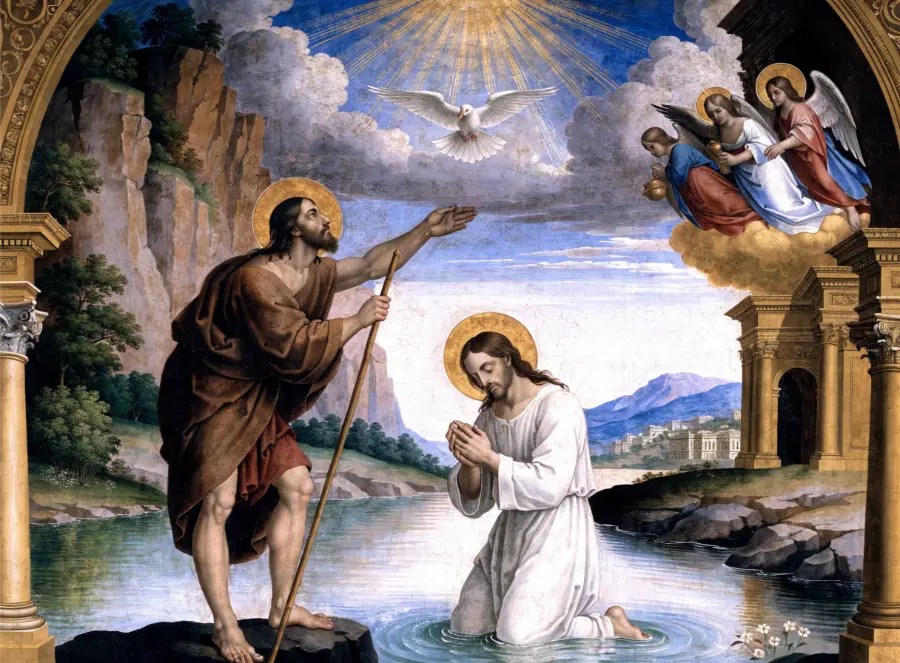
غالبًا ما يُنظر إلى التعميد في الروح القدس على أنه تجربة ابتدائية في ملء الحياة المسيحية والتمكين. هذا هو المعمودية التي تتوافق مع الحدث في العنصرة ، حيث امتلأت الرسل مع الروح القدس ، وتمكينهم من التحدث في الألسنة والقيام بأعمال معجزة (أعمال 2: 1-4). يؤكد العنصرة بشكل خاص على هذا كعمل ثاني للنعمة ، متميز عن تجربة الخلاص الأولية. يوحنا المعمدان تنبأ أن يسوع سيعمد بالروح القدس (يوحنا 1: 33) ، وكان ينظر إلى هذا على أنه تحقيق لهذا الوعد. في جوهرها ، ترتبط معمودية الروح باستقبال المواهب الروحية وتعزيز القدرة على الشهادة والخدمة. 

On the other hand, being filled with the Holy Spirit refers to an ongoing experience, a continual refilling that is essential for living a Spirit-led life. Ephesians 5:18 exhorts believers to “be filled with the Spirit,” indicating that it is an ongoing process rather than a one-time event. This filling can manifest in various forms, from speaking in tongues to exhibiting the fruit of the Spirit as described in Galatians 5:22-23. The filling of the Spirit empowers believers for daily living, النمو الروحي, والمرونة ضد الخطيئة. 

While both experiences involve the Holy Spirit’s presence and power, المعمودية في الروح القدس is often a separate, defining moment that may occur subsequent to salvation, aimed specifically at empowering the believer for ministry. In contrast, being filled with the Holy Spirit is a continuous and necessary process for the believer’s sanctification and daily walk with God. 

  • المعمودية في الروح القدس هي في كثير من الأحيان تجربة متميزة لاحقة بعد الخلاص، مع التأكيد على التمكين للخدمة.
  • إن ملء الروح القدس هو تجربة يومية مستمرة ضرورية للحياة المسيحية والنمو الروحي.
  • كل من التجارب مدعومة من الناحية الكتابية وضرورية لحياة روحية مثمرة.

ماذا يعني الحزن أو إخماد الروح القدس؟

The Holy Spirit, known as the Comforter and divine presence within us, can be grieved or quenched by our actions. To ‘grieve’ the Holy Spirit, as mentioned in إشعياء 63:10, is to act in ways that are contrary to God’s will, engendering a sense of sorrow within this divine presence. It’s akin to disappointing a closest friend, one who desires nothing but our growth and spiritual well-being. The Bible emphasizes the gravity of this offense, underscoring our actions’ profound impact on our علاقتنا مع الله

وبالمثل، 1 تسالونيكي 5: 19 يحذر المؤمنين من "إخماد" الروح. لإخماد يعني إخماد أو خنق ، مما يعني عمل متعمد لإعاقة عمل الروح القدس داخلنا. تخيل تغطية لهب محترق ، وبالتالي منعه من إضاءة وتسخين الفضاء المحيط به. إخماد الروح ينطوي على تجاهل التوجيه الإلهي, مقاومة النمو الروحي والسماح لقلوبنا بالبرد. 

Grieving and quenching the Holy Spirit are serious because they disrupt the divine connection that enables us to lead a righteous and faithful life. When we submit to malicious behavior, anger, or persistent unbelief, we dull our spiritual sensitivity, making it difficult to hear the Spirit’s gentle promptings. Recognizing these tendencies within ourselves calls for deep reflection and a renewed commitment to aligning our actions with مشيئة الله

  • Grieving the Holy Spirit refers to actions that cause sorrow to God’s divine presence within us.
  • Quenching the Holy Spirit means intentionally stifling or hindering the Spirit’s work in our lives.
  • كل من الحزن وإخماد الروح يعوق نمونا الروحي ويعطل علاقتنا مع الله.
  • تجنب هذه الأفعال يتطلب الوعي الذاتي والالتزام باتباع التوجيه الإلهي.

كيف يمكننا تمييز صوت الروح القدس من المشاعر القوية فقط؟

إن فهم التمييز الدقيق والعميق بين دوافع الروح القدس ومجرد المشاعر الإنسانية يتطلب كلاهما تصنيف: تمييز روحي and a grounding in Scripture. Emotions, though powerful and significant in our daily lives, can often be fleeting and influenced by external circumstances. In contrast, the voice of the Holy Spirit is consistent, aligning with biblical truths and advancing God’s kingdom in ways that our transient emotions may not. 

One of the clearest indicators of the Holy Spirit’s guidance is its alignment with the Word of God. As stated in John 16:13, “But when he, the Spirit of truth, comes, he will guide you into all the truth.” The Holy Spirit never contradicts Scripture. Thus, when discerning whether a prompting is from the Holy Spirit or merely a strong emotion, we must ask: Does this align with كلمة الله

Another aspect to consider is the nature of the prompting. The Holy Spirit’s voice often comes with a sense of peace and conviction, even when faced with challenging circumstances. Philippians 4:7 reminds us, “And the peace of God, which transcends all understanding, will guard your hearts and your minds in Christ Jesus.” If a feeling or thought is accompanied by confusion or anxiety, it may well be emotional rather than spiritual. 

The Holy Spirit also speaks through godly counsel and the community of believers. Proverbs 11:14 tells us, “Where there is no guidance, a people falls, but in an abundance of counselors there is safety.” Seeking advice from spiritually mature individuals can provide additional clarity, helping to discern whether a prompting is indeed from the Holy Spirit. 

Lastly, the fruits of the Spirit, outlined in Galatians 5:22-23, serve as a barometer. The Holy Spirit’s guidance will produce love, joy, peace, patience, kindness, goodness, faithfulness, gentleness, and self-control. If what you are experiencing leads to these fruits, it is likely a sign of the Spirit’s work in your life. 

  • The Holy Spirit’s guidance aligns with Scripture (John 16:13).
  • إن صوت الروح القدس يجلب السلام والقناعة (فيلبي 4: 7).
  • المشورة الإلهية والمعونة المجتمعية في التمييز (أمثال 11: 14).
  • The Holy Spirit’s prompting results in spiritual fruits (Galatians 5:22-23).

: يمثل يسوع بصفته "حمل الله" الذي بذل نفسه من أجل خطايا البشرية.

60% يصف المسيحيون الروح القدس كقوة أو قوة

45% of Christians have experienced what they believe to be the Holy Spirit’s guidance

30% of Christians are unclear about the Holy Spirit’s nature

65% من المسيحيين ربط الروح القدس بالمواهب الروحية

55% يؤمن المسيحيون أن الروح القدس يساعدهم على فهم الكتاب المقدس

75% of Pentecostal Christians emphasize the Holy Spirit’s role in speaking in tongues

70% يؤمن المسيحيون بالروح القدس ككيان متميز


اكتشف المزيد من Christian Pure

←الآن خلاصة عام في ~ ~________

متابعة القراءة

مشاركة إلى...