
 Japanese
 English
 Chinese
 Dutch
 Arabic
 Spanish
 Portuguese
 Russian
 French
 Italian
 German
The King James Bible uses the word 結婚 19 times in 18 verses. That counts the exact word in the Old and New Testaments, without the Apocrypha. Include marriages and you’ll find 22 uses. Yet neither word will lead you to Adam and Eve. Genesis simply calls them “the man and his wife” (Genesis 2:25).
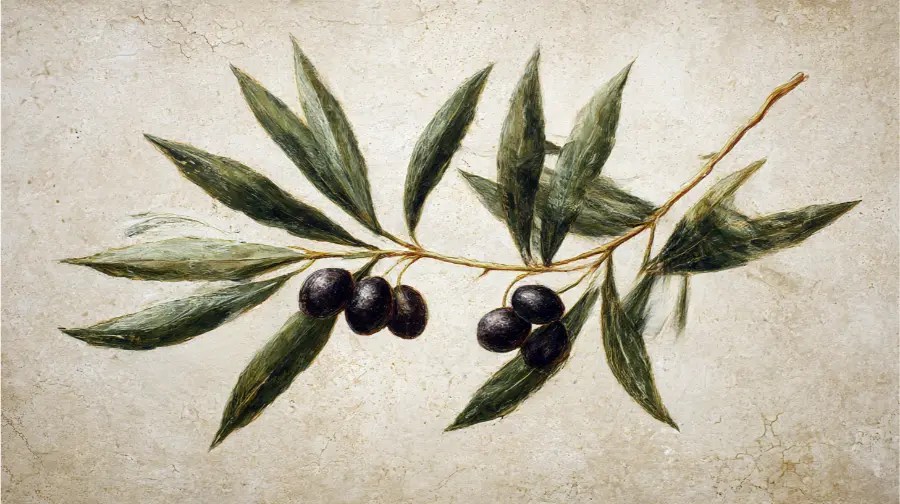
Where do we first hear of marriage in the Bible?
God sees that Adam is alone, and when he brings the woman to him, Adam says, “bone of my bones, and flesh of my flesh” (Genesis 2:23). We hear in Adam’s own words what it means for these two to belong to one another. Genesis goes on to say that a man leaves his parents and holds fast to his wife, and “they shall be one flesh” (Genesis 2:24). When the Pharisees come to Jesus with a question about divorce, this is where he takes them. He asks them to remember what God has joined together (Matthew 19:3–6).
Rebekah’s mother and brother ask for at least ten more days with her, but Abraham’s servant is ready to leave (Genesis 24:54–56). So they ask Rebekah herself. Will she go with him? “I will go,” she says (Genesis 24:58). At the end of her journey Isaac brings her into his mother Sarah’s tent, and Rebekah becomes his wife. Isaac loved her, Genesis tells us, and in his grief for his mother he found comfort (Genesis 24:67). A search for 結婚 would take us right past that tent.
By the time Hamor comes to Dinah’s family, his son Shechem has raped her. Now Hamor asks them to give Dinah to Shechem as his wife (Genesis 34:2–8). We hear the word marriages for the first time when he asks the two peoples to marry into each other’s families (Genesis 34:9). The only other places you’ll find marriages are Deuteronomy 7:3 and Joshua 23:12.
For the first singular, we have to turn to Exodus and its law about a servant whose husband takes another wife. What does he still owe her? The law says he still owes her food and clothing as well as “her duty of marriage” (Exodus 21:10). The World English Bible calls the last of these “her marital rights.” If you look up 結婚 in that translation, you’ll miss this verse, even though the law still names what this woman is owed.
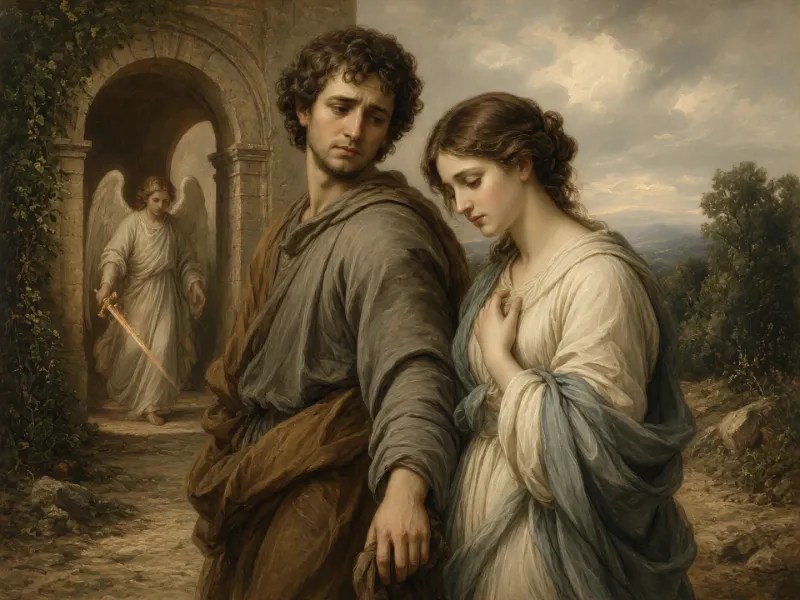
Which verses use the word marriage?
Besides Exodus 21:10, the only Old Testament verse that uses the singular is Psalm 78:63. The psalmist remembers young men who died by fire, and in the same breath he remembers the young women. The weddings they would never have are part of what he grieves.
Of the 17 uses in the New Testament, two take us to the same wedding at Cana. John uses the word once when he tells us Jesus’ mother was there and again when he says Jesus and his disciples were invited (John 2:1–2). His mother is the one who tells him, “They have no wine” (John 2:3). By the end of the feast the steward is praising the bridegroom for saving the good wine until last. The servants know which guest to thank (John 2:7–10).
Jesus tells of another wedding where a king has invited guests to a feast for his son. When they turn him down, the king sends his servants out to invite others (Matthew 22:2, 4, 9). If you search for wedding, you’ll come back to this very feast. Five of the seven uses of wedding are in this one parable (Matthew 22:3, 8, 10–12).
Why does Jesus ask us to remember the weddings in Noah’s day? People were eating and drinking and getting married right up to the day Noah went into the ark. They had no idea the flood was coming. Jesus tells us to think of that ordinary day when we wonder about his own coming (Matthew 24:37–39 and Luke 17:26–27). Think of the women waiting with their lamps in his parable. Some have gone to buy oil when the bridegroom arrives. The women who are ready go in with him, and the door shuts (Matthew 25:8–10).
When people ask Jesus about marriage in the resurrection, he tells them that those who rise from the dead will no longer marry (Matthew 22:30 and Mark 12:25). Listen to what else he says about the life that awaits them. They can never die again (Luke 20:34–36).
If you have counted the verses and come up one short, listen to the two choices Paul puts side by side in 1 Corinthians 7:38. He says “giveth her in marriage” and “giveth her not in marriage.” That is how we get 19 uses in 18 verses. Hebrews 13:4 speaks of the honour due to marriage, and the last two times we hear the word, we’re at a wedding again.
Whose wedding is the marriage of the Lamb?
If you are a husband, Paul asks you to love your wife as Christ loved the church and gave himself for her (Ephesians 5:25). Then he takes us back to Genesis, to those two who become one flesh. We might still be thinking of Adam and Eve when Paul tells us whom else he has in mind. “I speak concerning Christ and the church” (Ephesians 5:32).
At Cana the servants knew Jesus as the guest who gave the wine. Now we hear a multitude rejoicing because the bride is ready, and Jesus himself is the bridegroom (Revelation 19:7). Whether we are married or single, we can hear the blessing John heard for the guests at that table. “Blessed are they which are called unto the marriage supper of the Lamb” (Revelation 19:9).


コメントを残す