
 English
 Chinese
 Dutch
 Arabic
 Spanish
 Portuguese
 Russian
 French
 Italian
 German
 Japanese
The glory of God is God himself made visible: his weight, splendour and goodness shown to us. It is also the honour we give back to him, as the angels did the night Jesus was born: “Glory to God in the highest” (Luke 2:14).
The Hebrew word, kabod, comes from a verb meaning “to be heavy”; the Greek, doxa, came to mean brightness and honour. The glory filled the tabernacle as a cloud, and then it was seen in a face: “we beheld his glory” (John 1:14).
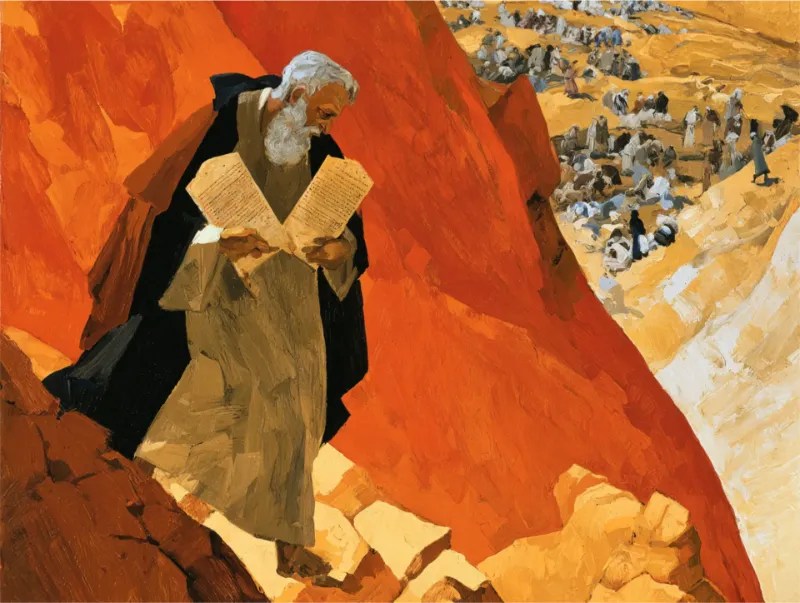
Moses once asked to see it. After Israel had worshipped the golden calf, he prayed, “I beseech thee, shew me thy glory.” God answered, “I will make all my goodness pass before thee,” and then, “Thou canst not see my face: for there shall no man see me, and live” (Exodus 33:18–20). So God hid Moses in a cleft of the rock, covered him with his hand while the glory passed by, and let him see only his back (Exodus 33:22–23). The whole Bible moves from that rock toward a face we are allowed to look at.
What does glory mean in Hebrew?
The root is weight. The verb kabad means, in the words of Strong’s concordance, “to be heavy”, and the same word can describe a burden, a rich man or a person worth honouring. When Genesis says that “Abram was very rich in cattle, in silver, and in gold” (Genesis 13:2), the Hebrew calls him heavy. When Laban’s sons complain of Jacob, “of that which was our father’s hath he gotten all this glory” (Genesis 31:1), the glory is his wealth. And when God says, “Honour thy father and thy mother” (Exodus 20:12), the word for honour comes from the same root: give your parents weight.
The noun kabod follows the verb. Strong’s defines it as “properly, weight, but only figuratively in a good sense, splendor or copiousness”, and the Brown–Driver–Briggs lexicon gives “abundance, honour, glory”. People can have it: the psalm says God “crowned him with glory and honour” when he made us (Psalm 8:5). But the glory of God is his alone: “I am the LORD: that is my name: and my glory will I not give to another” (Isaiah 42:8). It is everything that makes him who he is, felt with full weight.
How does the New Testament use doxa?
In ordinary Greek doxa meant an opinion, and then a good opinion, a reputation. Thayer’s lexicon notes that the Greek translators of the Old Testament used it for kabod more than for any other word, and so it took on a meaning ordinary Greek did not have: “splendor, brightness”, the “heavenly brightness, by which God was conceived of as surrounded”. That is the light the shepherds saw: “the glory of the Lord shone round about them: and they were sore afraid” (Luke 2:9).
The angels’ song that night uses the other sense, honour given. “Glory to God in the highest, and on earth peace, good will toward men” (Luke 2:14). To give God glory is to say out loud how much he weighs. The psalm asks it of us: “Give unto the LORD the glory due unto his name; worship the LORD in the beauty of holiness” (Psalm 29:2).
How did the glory of God appear to Israel?
Most often in a cloud. In the wilderness the people “looked toward the wilderness, and, behold, the glory of the LORD appeared in the cloud” (Exodus 16:10). On Sinai it was fire: “the sight of the glory of the LORD was like devouring fire on the top of the mount in the eyes of the children of Israel” (Exodus 24:17).
Then God came to live in the middle of the camp. He had told Moses, “let them make me a sanctuary; that I may dwell among them” (Exodus 25:8), and when the tent was finished, “a cloud covered the tent of the congregation, and the glory of the LORD filled the tabernacle.” Even Moses “was not able to enter” (Exodus 40:34–35). The same thing happened when Solomon dedicated the temple: “the priests could not stand to minister because of the cloud: for the glory of the LORD had filled the house of the LORD” (1 Kings 8:11). The tent and its inner room are described in what the tabernacle was.
The glory could also leave. Ezekiel, a priest among the exiles by the river Chebar, saw it in a vision “as the appearance of the bow that is in the cloud in the day of rain” and fell on his face (Ezekiel 1:28). Later he watched it go: “the glory of the LORD departed from off the threshold of the house” (Ezekiel 10:18). In the closing vision of his book he saw it come back through the east gate, “and, behold, the glory of the LORD filled the house” (Ezekiel 43:4–5).
Jewish teachers later gave this dwelling presence a name of its own, the Shekinah. The word is not in the Bible. The Jewish Encyclopedia describes it as “the majestic presence or manifestation of God which has descended to ‘dwell’ among men”, a term the rabbis took “from such passages as speak of God dwelling either in the Tabernacle or among the people of Israel”. The name itself means “the dwelling”, and the old Aramaic translations, read aloud to the people, turned God’s “that I may dwell among them” in Exodus 25:8 into “let the Shekinah rest”.
Can anyone see the glory of God?
Not his face, God told Moses. Yet even the edge of it changed him. When Moses came down from the mountain, “the skin of his face shone; and they were afraid to come nigh him” (Exodus 34:30). Isaiah heard the seraphim cry, “Holy, holy, holy, is the LORD of hosts: the whole earth is full of his glory” (Isaiah 6:3), and the psalmist found it written across the sky: “The heavens declare the glory of God” (Psalm 19:1). Everywhere we look there is glory. What no one had seen was God’s face.
Paul says that has changed, and he begins with our own faces, no longer veiled as we look: “We all, with open face beholding as in a glass the glory of the Lord, are changed into the same image from glory to glory” (2 Corinthians 3:18). The shine on Moses’ face was a glory “to be done away” (2 Corinthians 3:7). The glory Paul speaks of grows, from glory to glory, as we look at the Lord.
How does John 1:14 show the glory in Jesus?
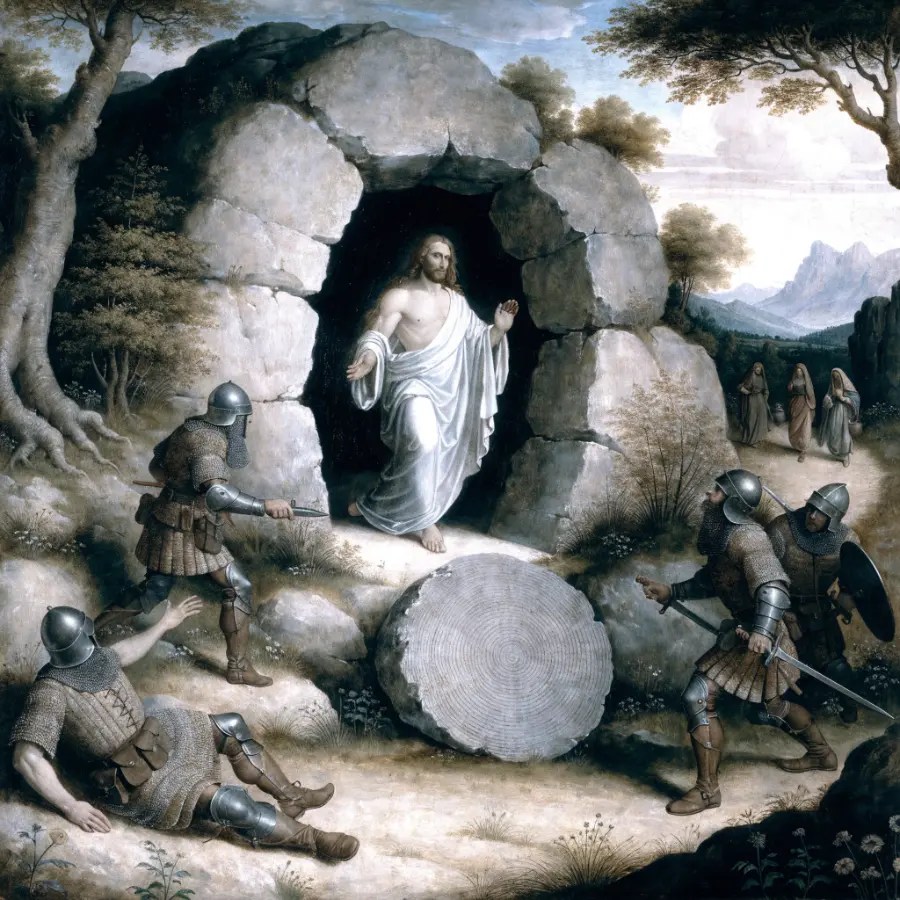
“And the Word was made flesh, and dwelt among us, (and we beheld his glory, the glory as of the only begotten of the Father,) full of grace and truth” (John 1:14). The word for “dwelt” is skenoo, from the Greek for a tent. Thayer’s lexicon defines it “to fix one’s tabernacle … abide (or live) in a tabernacle (or tent)”. John’s word links Jesus to the tent in the desert that the glory once filled: in him the Word has pitched his tent among us.
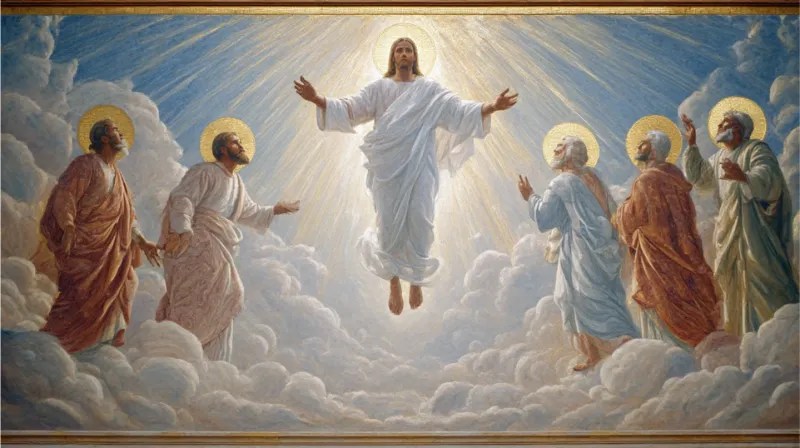
John goes on to say what Moses could not have: “No man hath seen God at any time, the only begotten Son, which is in the bosom of the Father, he hath declared him” (John 1:18). The glory shows in what Jesus does. At Cana he “manifested forth his glory; and his disciples believed on him” (John 2:11). On the mountain of the Transfiguration, Peter and his friends were “heavy with sleep: and when they were awake, they saw his glory” (Luke 9:32). The Orthodox Church reads Moses’ prayer at the rock among the Vespers readings for the feast of the Transfiguration, and the Orthodox Church in America describes the feast as “the glory of God which is revealed in all of its divine splendor in the face of the Saviour”. The night before he died, Jesus prayed, “glorify thou me with thine own self with the glory which I had with thee before the world was” (John 17:5). Hebrews calls him “the brightness of his glory, and the express image of his person” (Hebrews 1:3).
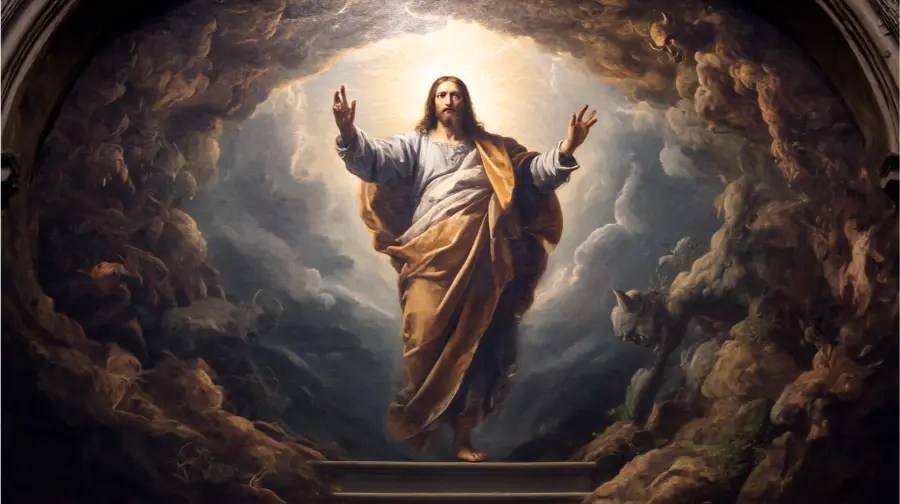
Paul gathers it into one sentence, and it is the answer to Moses on the rock. “For God, who commanded the light to shine out of darkness, hath shined in our hearts, to give the light of the knowledge of the glory of God in the face of Jesus Christ” (2 Corinthians 4:6).
How do we glorify God?
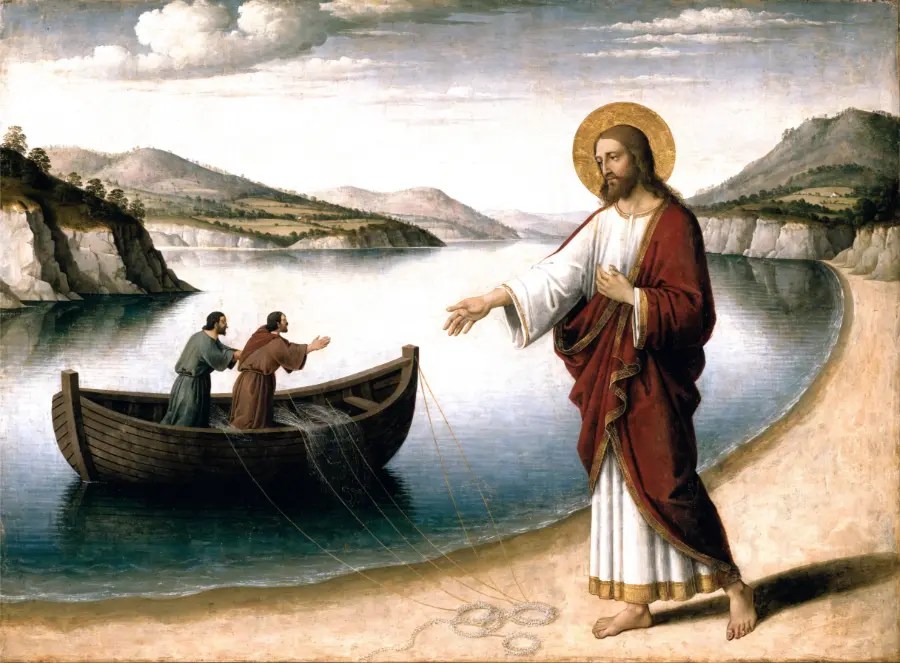
We cannot add weight to God. We can let it be seen. Jesus says, “Let your light so shine before men, that they may see your good works, and glorify your Father which is in heaven” (Matthew 5:16), and Paul makes it as ordinary as a meal: “whether therefore ye eat, or drink, or whatsoever ye do, do all to the glory of God” (1 Corinthians 10:31).
Churches have put the same truth in their own words. The Westminster Shorter Catechism, a Presbyterian standard, opens with it: “Man’s chief end is to glorify God, and to enjoy him forever.” Irenaeus, bishop of Lyons in the second century, wrote, “For the glory of God is a living man; and the life of man consists in beholding God.” The Catechism of the Catholic Church quotes him in the form many readers know, “the glory of God is man fully alive”, and teaches that “The world was made for the glory of God.” Each of them puts God’s glory and our life in a single sentence.
Scripture is honest that we fall short: “all have sinned, and come short of the glory of God” (Romans 3:23). It is just as plain about where we are going. Paul reckons “that the sufferings of this present time are not worthy to be compared with the glory which shall be revealed in us” (Romans 8:18). And John, looking at the city of God, sees no lamp at all: “the city had no need of the sun, neither of the moon, to shine in it: for the glory of God did lighten it, and the Lamb is the light thereof” (Revelation 21:23).


Leave a Reply