
 English
 Chinese
 Dutch
 Arabic
 Spanish
 Portuguese
 Russian
 French
 Italian
 German
 Japanese
In the Bible, contentment is learned, it concerns money and possessions, and it rests on God being enough. Paul says he has “learned to be content whatever the circumstances” (Philippians 4:11), tells Timothy that “godliness with contentment is great gain” (1 Timothy 6:6), and Hebrews 13:5 ties being “content with what you have” to God’s promise never to leave.
John the Baptist tells soldiers to “be content with your pay” (Luke 3:14), and Psalm 131:2 compares a quieted soul to a weaned child. Alongside those passages stand the Proverbs that weigh a little with the fear of the Lord against great wealth with turmoil, Agur’s prayer for “neither poverty nor riches” (Proverbs 30:8), and the psalms in which the speaker lacks nothing with the Lord as shepherd (Psalm 23:1) and desires nothing on earth besides God (Psalm 73:25-26).
Contentment that has to be learned
Philippians 4:11-13
“I am not saying this because I am in need, for I have learned to be content whatever the circumstances. I know what it is to be in need, and I know what it is to have plenty. I have learned the secret of being content in any and every situation, whether well fed or hungry, whether living in plenty or in want. I can do all this through him who gives me strength.”
Reflection: Paul is thanking the church at Philippi for the gifts Epaphroditus brought him (Philippians 4:18), and he stops to say that his thanks are not a complaint about need. Twice he says he learned contentment, and he names both sides of it: being well fed and being hungry, living in plenty and in want. “I can do all this” in verse 13 refers back to those conditions, being in need and having plenty.
Philippians 4:19
“And my God will meet all your needs according to the riches of his glory in Christ Jesus.”
Reflection: The promise comes straight after Paul says he is “amply supplied” by the Philippians’ gifts, which he calls “a fragrant offering, an acceptable sacrifice, pleasing to God” (Philippians 4:18). The church that gave to meet his needs is told that God will meet theirs. The letter’s closing doxology follows in verse 20.
Psalm 131:2
“But I have calmed and quieted myself, I am like a weaned child with its mother; like a weaned child I am content.”
Reflection: The psalm is headed “A song of ascents. Of David.” Its first verse sets the scene: the speaker’s heart is not proud, and he does not concern himself “with great matters or things too wonderful for me.” The calm in verse 2 is something he did himself (“I have calmed and quieted myself”), and he compares himself to a weaned child with its mother, content. Verse 3 turns the same rest outward: “Israel, put your hope in the Lord both now and forevermore.”
Contentment and money
1 Timothy 6:6-8
“But godliness with contentment is great gain. For we brought nothing into the world, and we can take nothing out of it. But if we have food and clothing, we will be content with that.”
Reflection: Paul has just described teachers “who think that godliness is a means to financial gain” (1 Timothy 6:5), and he takes their phrase and turns it: godliness is gain when it comes with contentment. The measure he gives is modest, food and clothing, and the reason is that nothing comes into the world with us and nothing leaves with us. Verses 9-10 follow with the warning about those who want to get rich and the love of money as “a root of all kinds of evil.”

Hebrews 13:5
“Keep your lives free from the love of money and be content with what you have, because God has said, ‘Never will I leave you; never will I forsake you.’”
Reflection: The command has two halves: keep free from the love of money, and be content with what you have. The reason given is a promise, “Never will I leave you; never will I forsake you,” words God spoke to Joshua (Joshua 1:5), echoing Moses in Deuteronomy 31:6. Verse 6 answers it with Psalm 118:6: “The Lord is my helper; I will not be afraid.”
Luke 3:14
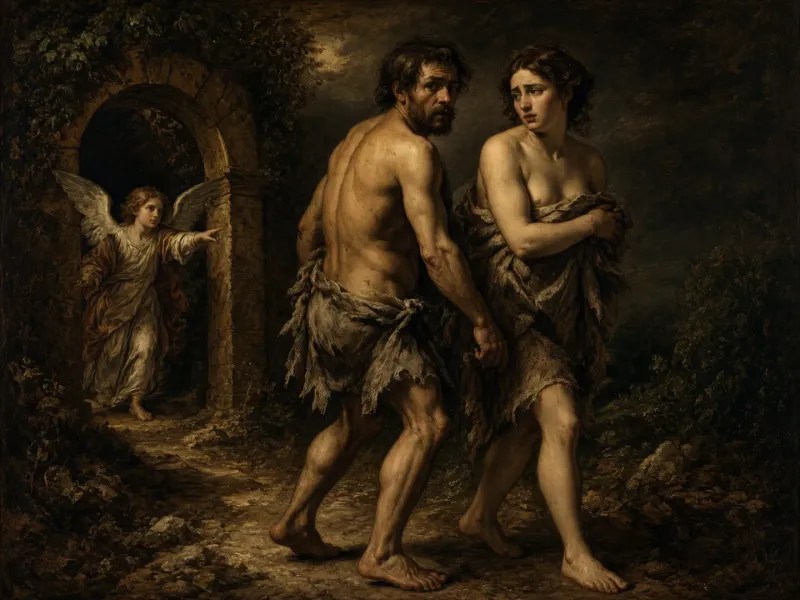
“Then some soldiers asked him, ‘And what should we do?’ He replied, ‘Don’t extort money and don’t accuse people falsely—be content with your pay.’”
Reflection: Crowds coming to John the Baptist for baptism ask him what they should do, and he gives the crowd, the tax collectors and the soldiers each an answer. The crowd is told to share shirts and food (Luke 3:11). Tax collectors are told not to collect more than they are required to. Soldiers, who could take money by force or by false charges, are told not to extort, not to accuse falsely, and to be content with their pay.
Proverbs 30:8-9
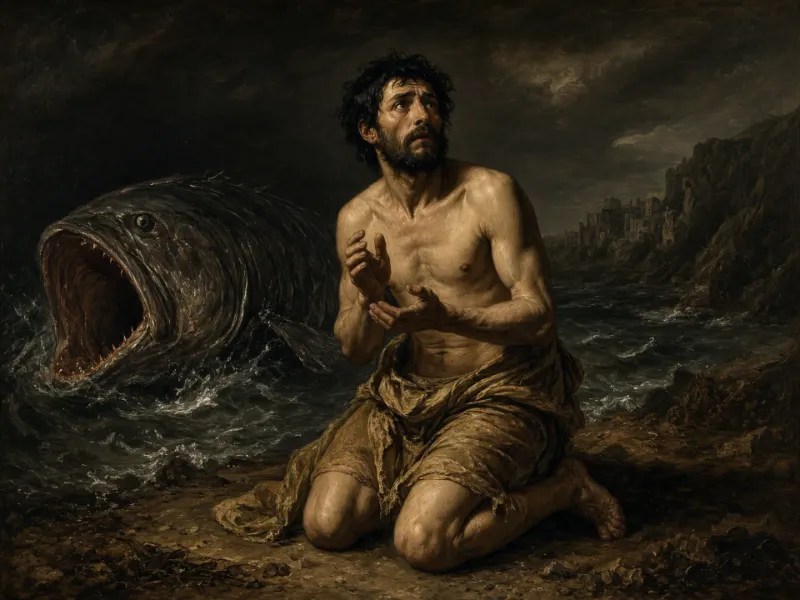
“Keep falsehood and lies far from me; give me neither poverty nor riches, but give me only my daily bread. Otherwise, I may have too much and disown you and say, ‘Who is the Lord?’ Or I may become poor and steal, and so dishonor the name of my God.”
Reflection: This is part of the sayings of Agur son of Jakeh (Proverbs 30:1), and it is a prayer addressed to God. Agur asks for daily bread and names the danger at each extreme: with too much he might say “Who is the Lord?”, and with too little he might steal and dishonor God’s name.

Proverbs 15:16
“Better a little with the fear of the Lord than great wealth with turmoil.”
Reflection: The proverb weighs a small amount held in the fear of the Lord against great wealth that comes with turmoil, and prefers the small amount. Verse 17 makes the same comparison at the table: “Better a small serving of vegetables with love than a fattened calf with hatred.”
When God is the one who is enough
Psalm 23:1
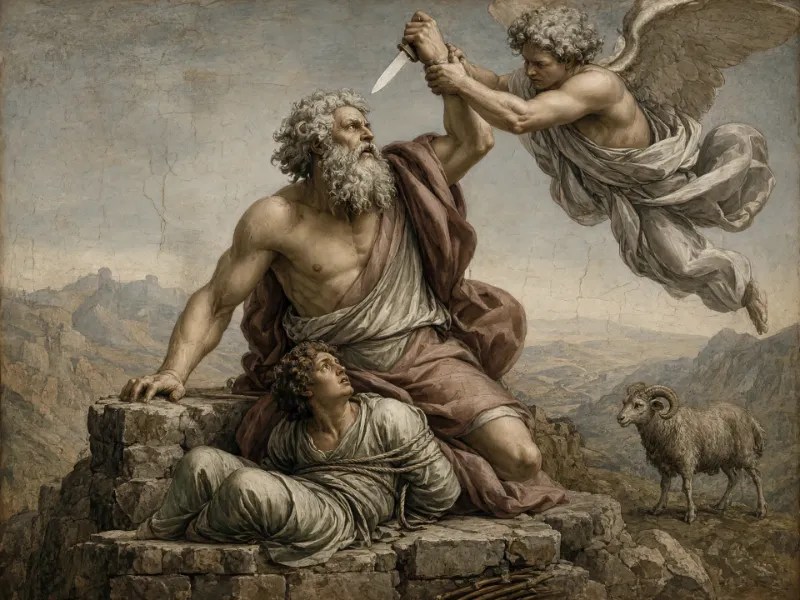
“The Lord is my shepherd, I lack nothing.”
Reflection: David’s psalm states its claim in the first verse, and the verses after it list what the shepherd provides: green pastures, quiet waters, guidance on the right paths, company in the darkest valley, a table prepared in the presence of enemies, and a cup that overflows.
Psalm 73:25-26
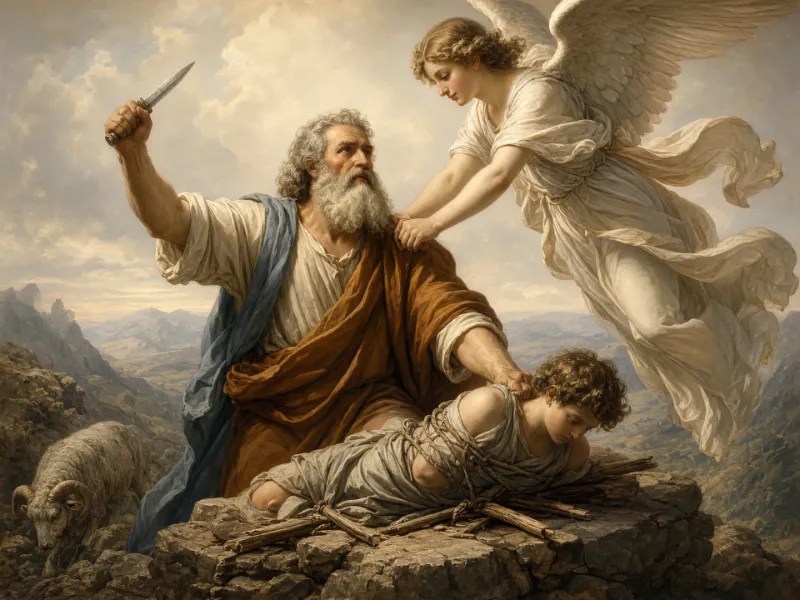
“Whom have I in heaven but you? And earth has nothing I desire besides you. My flesh and my heart may fail, but God is the strength of my heart and my portion forever.”
Reflection: After his opening line, Asaph confesses that he envied the arrogant “when I saw the prosperity of the wicked” (Psalm 73:3), and the question troubled him “till I entered the sanctuary of God” (Psalm 73:17). These two verses are where he arrives: he wants nothing on earth besides God, and even if his body and heart fail, God is his portion. Verse 25 is spoken to God; verse 26 speaks about him.
Proverbs 19:23
“The fear of the Lord leads to life; then one rests content, untouched by trouble.”
Reflection: The fear of the Lord is the starting point of the proverb, and contentment follows from it: the one who fears the Lord “rests content, untouched by trouble.” The proverb links the two directly, with life as the first result and rest as the second.
Matthew 6:31-33
“So do not worry, saying, ‘What shall we eat?’ or ‘What shall we drink?’ or ‘What shall we wear?’ For the pagans run after all these things, and your heavenly Father knows that you need them. But seek first his kingdom and his righteousness, and all these things will be given to you as well.”
Reflection: These words come from Jesus’ teaching on the mountainside (Matthew 5:1-2), after he points to birds that do not sow or reap and flowers that do not labor or spin, yet are fed and clothed. The questions about food, drink and clothing are the ones “the pagans run after”; the Father already knows they are needed. Verse 34 ends the passage: “Therefore do not worry about tomorrow, for tomorrow will worry about itself.”
Praying the verses on contentment
Proverbs 30:8-9 and Psalm 73:25 are addressed to God and can be prayed as written. Proverbs 30:8-9 asks for “neither poverty nor riches” and gives a reason for each half of the request. Psalm 73:25 says to God, “earth has nothing I desire besides you,” and was spoken by a man who had nearly slipped through envy of others’ wealth.
Philippians 4:11-13 and 1 Timothy 6:6-8 describe contentment in practice: Paul names hunger and plenty as the conditions he learned it in, and food and clothing as enough.


Leave a Reply