
 English
 Chinese
 Dutch
 Arabic
 Spanish
 Portuguese
 Russian
 French
 Italian
 German
 Japanese
In the Bible, discernment is the ability to tell right from wrong and true from false, given by God and trained by practice. Solomon asks God for it (1 Kings 3:9), and Hebrews 5:14 describes it as a skill the mature learn by constant use.
Paul lists it among the gifts of the Spirit (1 Corinthians 12:8-10), and 1 John 4:1 and Acts 17:11 apply it to prophets and preachers.
Asking God for discernment
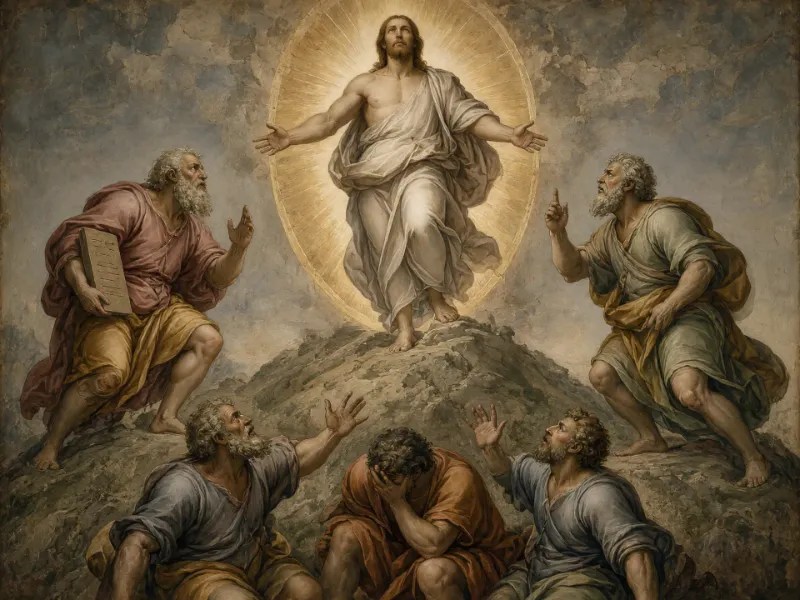
1 Kings 3:9
“So give your servant a discerning heart to govern your people and to distinguish between right and wrong. For who is able to govern this great people of yours?”
Reflection: At Gibeon the Lord appears to Solomon in a dream and says, “Ask for whatever you want me to give you” (1 Kings 3:5). Solomon calls himself “only a little child” who does not know how to carry out his duties, and asks for a discerning heart to govern. God answers that because Solomon asked “for discernment in administering justice” and not for long life or wealth, he will give him “a wise and discerning heart” (verses 11-12). The King James Version reads “that I may discern between good and bad.”

Psalm 119:125
“I am your servant; give me discernment that I may understand your statutes.”
Reflection: The request comes in the psalm’s long meditation on God’s law, and it states its purpose: discernment in order to understand God’s statutes. The psalmist grounds the request in being God’s servant. Earlier in the same psalm, God’s word is “a lamp for my feet, a light on my path” (verse 105).
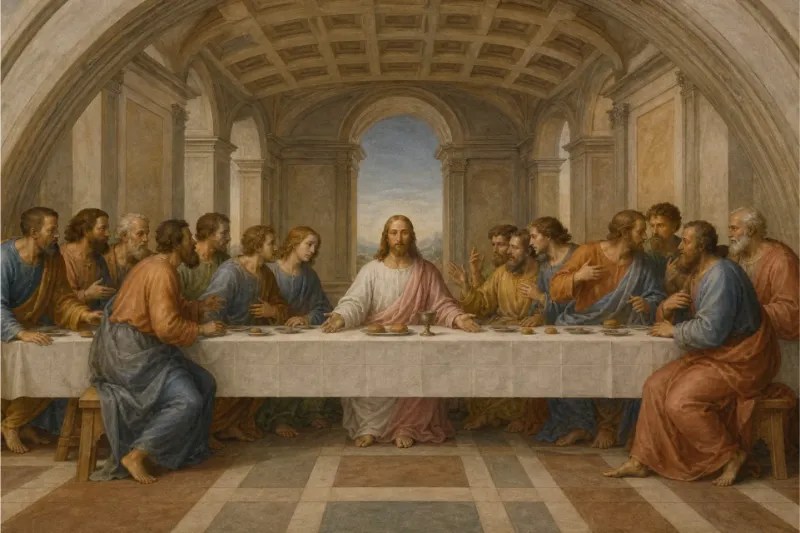
James 1:5
“If any of you lacks wisdom, you should ask God, who gives generously to all without finding fault, and it will be given to you.”
Reflection: The promise follows James’s words on trials that test faith and produce perseverance (verses 2-4). He attaches a condition in the next verse: the one who asks “must believe and not doubt,” because a doubter “is like a wave of the sea, blown and tossed by the wind” (verse 6).
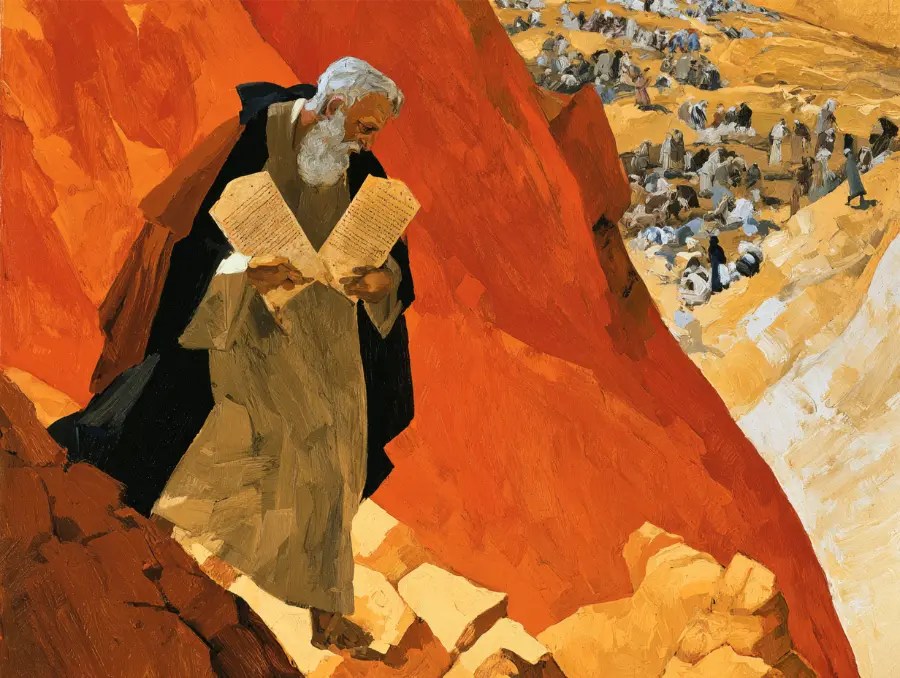
Proverbs 2:3-6
“Indeed, if you call out for insight and cry aloud for understanding, and if you look for it as for silver and search for it as for hidden treasure, then you will understand the fear of the Lord and find the knowledge of God. For the Lord gives wisdom; from his mouth come knowledge and understanding.”
Reflection: A father addresses “my son” and sets out a sequence: accept my words, call out for insight, search for it as for silver or hidden treasure, “then you will understand the fear of the Lord.” Verse 6 names the source of what is found: “For the Lord gives wisdom.” Verse 9 names the result: “you will understand what is right and just and fair—every good path.”
The Spirit and spiritual discernment
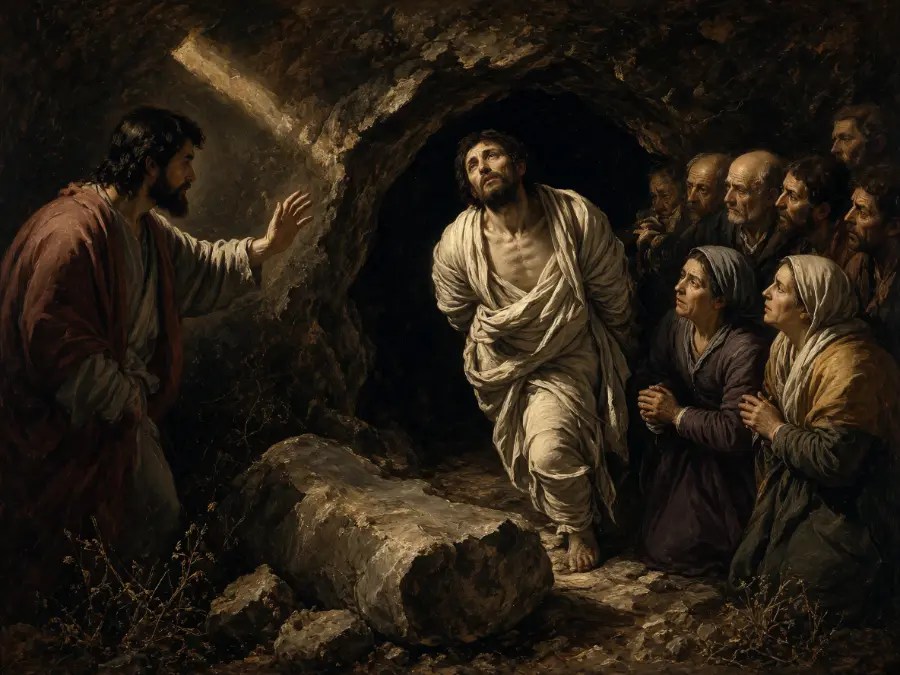
1 Corinthians 2:14
“The person without the Spirit does not accept the things that come from the Spirit of God but considers them foolishness, and cannot understand them because they are discerned only through the Spirit.”
Reflection: Paul says he speaks “not in words taught us by human wisdom but in words taught by the Spirit” (verse 13), about things “God has revealed to us by his Spirit” (verse 10). Verse 12 says believers have received “the Spirit who is from God, so that we may understand what God has freely given us.” Against the person without the Spirit, Paul sets “the person with the Spirit,” who “makes judgments about all things” (verse 15).
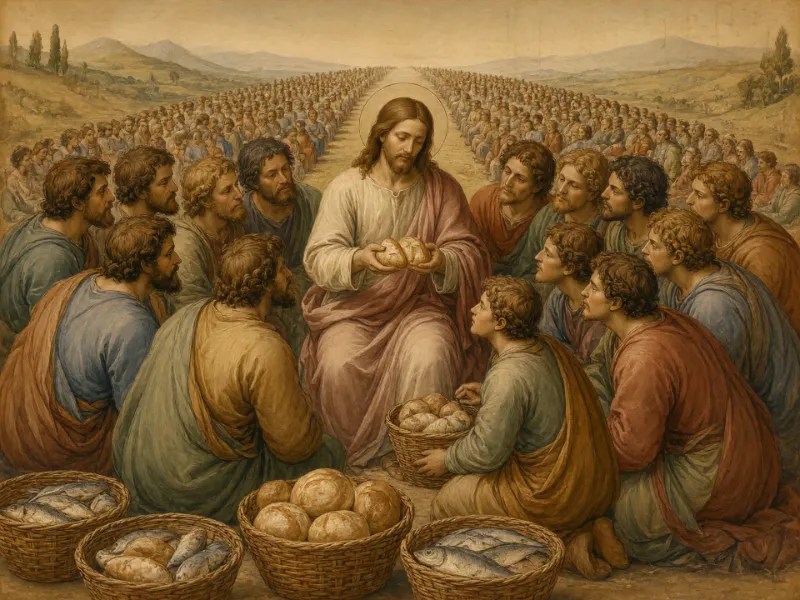
John 16:13
“But when he, the Spirit of truth, comes, he will guide you into all the truth. He will not speak on his own; he will speak only what he hears, and he will tell you what is yet to come.”
Reflection: Jesus tells his disciples he has “much more to say to you, more than you can now bear” (verse 12), and promises that the Spirit of truth will guide them into all the truth. The Spirit speaks only what he hears, and verse 14 adds, “He will glorify me because it is from me that he will receive what he will make known to you.”

1 Corinthians 12:8-10
“To one there is given through the Spirit a message of wisdom, to another a message of knowledge by means of the same Spirit, to another faith by the same Spirit, to another gifts of healing by that one Spirit, to another miraculous powers, to another prophecy, to another distinguishing between spirits, to another speaking in different kinds of tongues, and to still another the interpretation of tongues.”
Reflection: Paul lists these gifts as given “for the common good” (verse 7). One of them is “distinguishing between spirits,” which the King James Version renders “discerning of spirits.” The Greek noun is diakrisis, the word Hebrews 5:14 uses for distinguishing good from evil. Verse 11 says the Spirit distributes these gifts “to each one, just as he determines.”
Training to tell good from evil

Hebrews 5:14
“But solid food is for the mature, who by constant use have trained themselves to distinguish good from evil.”
Reflection: The writer rebukes readers who “ought to be teachers” but still need milk rather than solid food (verse 12). Maturity is described as practice: “by constant use” the mature have trained themselves to distinguish good from evil. The King James Version has “have their senses exercised to discern both good and evil.”
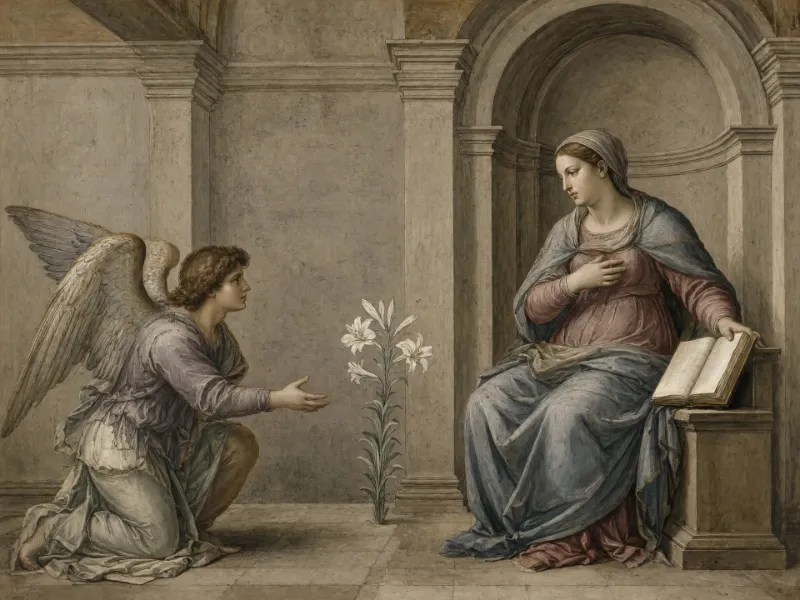
Philippians 1:9-11
“And this is my prayer: that your love may abound more and more in knowledge and depth of insight, so that you may be able to discern what is best and may be pure and blameless for the day of Christ, filled with the fruit of righteousness that comes through Jesus Christ—to the glory and praise of God.”
Reflection: The prayer opens a letter that begins with thanks for the Philippians’ “partnership in the gospel from the first day until now” (verse 5). The verb translated discern is dokimazo, to test and approve. Paul uses the same verb for “test and approve” in Romans 12:2, “find out” in Ephesians 5:10 and “test” in 1 Thessalonians 5:21, and John uses it for “test the spirits” in 1 John 4:1.
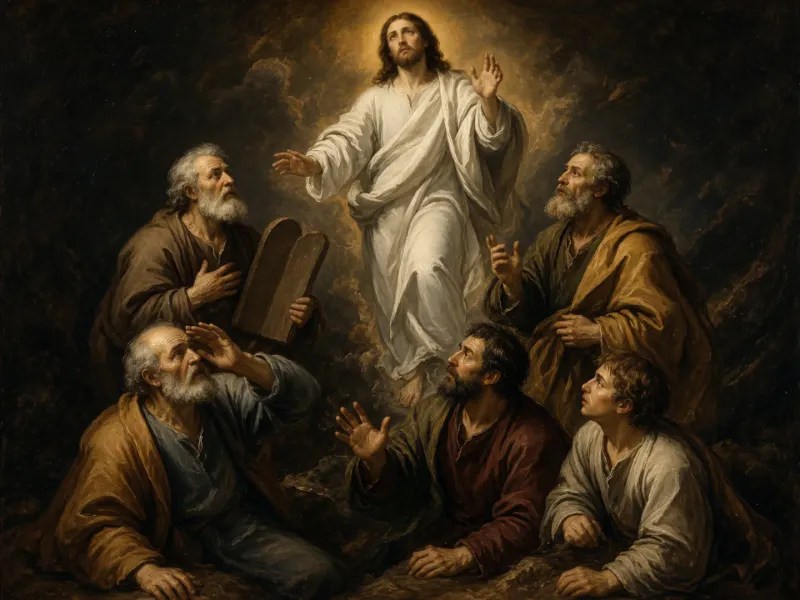
Romans 12:2
“Do not conform to the pattern of this world, but be transformed by the renewing of your mind. Then you will be able to test and approve what God’s will is—his good, pleasing and perfect will.”
Reflection: The verse follows Paul’s appeal to offer bodies “as a living sacrifice” (verse 1). In Paul’s order, the mind is renewed first, and testing and approving God’s will follows: “Then you will be able to” do it.

Ephesians 5:8-10
“For you were once darkness, but now you are light in the Lord. Live as children of light (for the fruit of the light consists in all goodness, righteousness and truth) and find out what pleases the Lord.”
Reflection: Finding out what pleases the Lord is part of the life Paul describes for people who have moved from darkness to light. Verse 11 turns to the other side: “Have nothing to do with the fruitless deeds of darkness, but rather expose them.”
Testing prophets and teaching
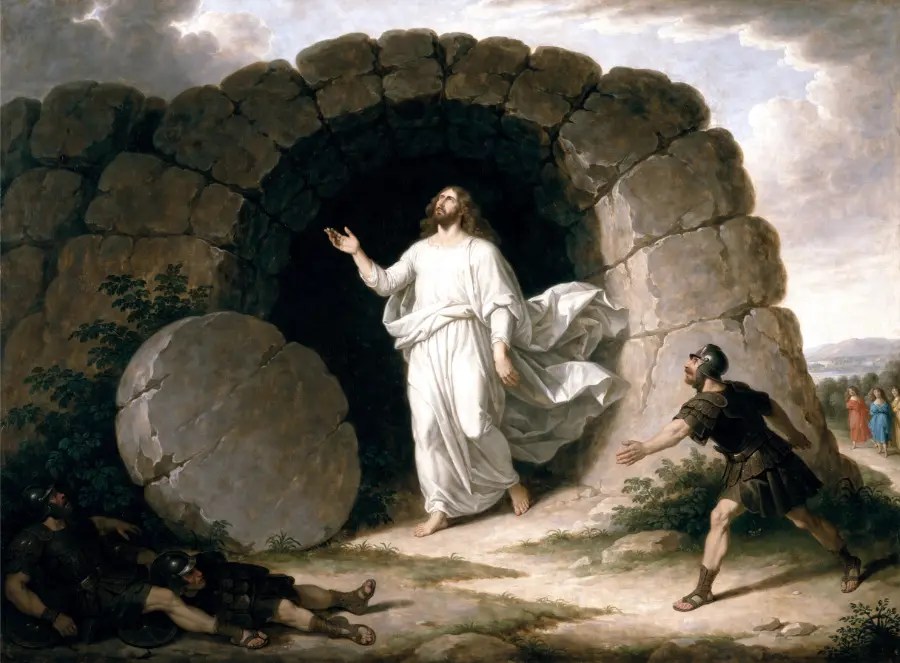
1 John 4:1
“Dear friends, do not believe every spirit, but test the spirits to see whether they are from God, because many false prophets have gone out into the world.”
Reflection: The test follows in verse 2: “Every spirit that acknowledges that Jesus Christ has come in the flesh is from God.” Verse 4 tells the readers they “have overcome them, because the one who is in you is greater than the one who is in the world,” and verse 6 closes the passage: “This is how we recognize the Spirit of truth and the spirit of falsehood.”

1 Thessalonians 5:20-22
“Do not treat prophecies with contempt but test them all; hold on to what is good, reject every kind of evil.”
Reflection: Among his closing instructions to the church in Thessalonica, Paul puts “Do not quench the Spirit” (verse 19) beside the command to test prophecies. Testing leads to two actions: hold on to the good and reject evil.
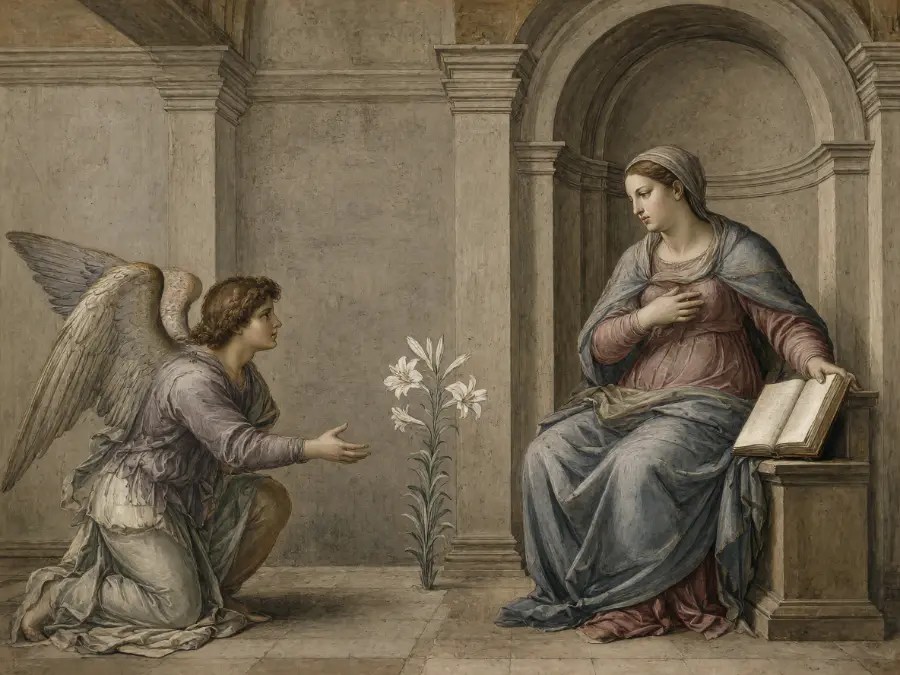
Acts 17:11
“Now the Berean Jews were of more noble character than those in Thessalonica, for they received the message with great eagerness and examined the Scriptures every day to see if what Paul said was true.”
Reflection: Paul and Silas, sent away from Thessalonica by night, preach in the synagogue at Berea (verse 10). Luke commends the Berean Jews for two things together: they received the message “with great eagerness” and examined the Scriptures every day to check what Paul said.
Ephesians 4:14
“Then we will no longer be infants, tossed back and forth by the waves, and blown here and there by every wind of teaching and by the cunning and craftiness of people in their deceitful scheming.”
Reflection: Paul lists the apostles, prophets, evangelists, pastors and teachers Christ gave to build up the church until it becomes mature (verses 11-13). Immaturity is pictured as infancy, tossed by waves and blown by “every wind of teaching” and by “deceitful scheming.” Verse 15 gives the alternative: “speaking the truth in love, we will grow.”

Proverbs 14:15
“The simple believe anything, but the prudent give thought to their steps.”
Reflection: Verse 16 continues the contrast: “The wise fear the Lord and shun evil, but a fool is hotheaded and yet feels secure.” Two verses later the same pair returns with an outcome: “The simple inherit folly, but the prudent are crowned with knowledge” (verse 18).
The limits of a person’s own judgment
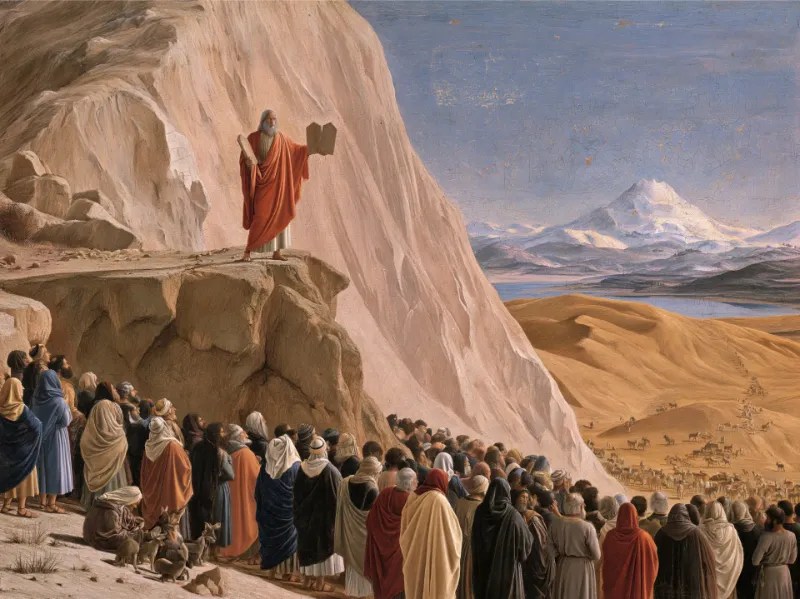
Proverbs 3:5-6
“Trust in the Lord with all your heart and lean not on your own understanding; in all your ways submit to him, and he will make your paths straight.”
Reflection: The father’s instruction warns against leaning on one’s own understanding and promises straight paths to the one who submits to the Lord “in all your ways.” Verse 7 repeats the warning in other words: “Do not be wise in your own eyes; fear the Lord and shun evil.”

Jeremiah 17:9-10
“The heart is deceitful above all things and beyond cure. Who can understand it? ‘I the Lord search the heart and examine the mind, to reward each person according to their conduct, according to what their deeds deserve.’”
Reflection: The saying follows a contrast between the one who trusts in man, like “a bush in the wastelands,” and the one who trusts in the Lord, like “a tree planted by the water” (verses 5-8). The heart is called deceitful and beyond cure, and the question “Who can understand it?” is answered by the Lord himself: he searches the heart and examines the mind.


Leave a Reply