
 English
 Chinese
 Dutch
 Arabic
 Spanish
 Portuguese
 Russian
 French
 Italian
 German
 Japanese
In the Bible an engagement, called betrothal, was already binding. Matthew says that Joseph, finding Mary pregnant before the wedding, “had in mind to divorce her quietly” (Matthew 1:19), and the same verse calls him “Joseph her husband.”
The law of Moses treated a betrothed woman as a man’s wife (Deuteronomy 22:23-24), and a man pledged to a woman but not yet married was excused from battle (Deuteronomy 20:7). The nineteen verses below are grouped around that promise: what is being promised, deciding well, how Scripture describes love, how to treat each other before the wedding, and the stress of planning it.
What is actually being promised

Genesis 2:24
“That is why a man leaves his father and mother and is united to his wife, and they become one flesh.”
Reflection: Leaving comes before joining in this sentence: a man leaves his father and mother and is united to his wife. Jesus quotes the verse when he is asked about divorce (Mark 10:7-8), and Paul quotes it in Ephesians 5:31.
Ruth 1:16-17
“But Ruth replied, ‘Don’t urge me to leave you or to turn back from you. Where you go I will go, and where you stay I will stay. Your people will be my people and your God my God. Where you die I will die, and there I will be buried.’”
Reflection: These lines are often read at weddings, but Ruth said them to Naomi, her widowed mother-in-law. Naomi had urged her to go home to her own people, as her sister-in-law had done (1:15), and Ruth refused, binding herself to Naomi’s people, Naomi’s God and Naomi’s burial place.
Malachi 2:14-15
“You ask, ‘Why?’ It is because the Lord is the witness between you and the wife of your youth. You have been unfaithful to her, though she is your partner, the wife of your marriage covenant. Has not the one God made you? You belong to him in body and spirit.”
Reflection: Malachi’s hearers were weeping at the altar because God no longer accepted their offerings (2:13), and this is the reason he gives: the Lord had been witness to their marriage covenant, and they had been unfaithful to their wives. He calls the wife “your partner, the wife of your marriage covenant.”

Mark 10:9
“Therefore what God has joined together, let no one separate.”
Reflection: Jesus says this in answer to Pharisees who asked whether it was lawful for a man to divorce his wife (10:2). The Greek verb for joined together, suzeugnumi, means to yoke together, and the subject of the sentence is God.
Deciding well, while there is still time to decide

James 1:5
“If any of you lacks wisdom, you should ask God, who gives generously to all without finding fault, and it will be given to you.”
Reflection: James promises wisdom to anyone who asks, and says God gives it “without finding fault.” The next verse sets one condition on the asking: “you must believe and not doubt” (1:6).

Psalm 32:8
“I will instruct you and teach you in the way you should go; I will counsel you with my loving eye on you.”
Reflection: The promise to instruct and counsel comes after the psalmist confesses his sin and is forgiven (32:5). The next verse warns against being like a horse or mule that “must be controlled by bit and bridle” (32:9).

Amos 3:3
“Do two walk together unless they have agreed to do so?”
Reflection: Amos asks a string of questions in which one thing always follows from another: a lion roars when it has prey, and a trap springs when it has caught something (3:4-5). The first question has become a common saying about agreement, and it suits an engagement, when a couple find out how much they agree on.
Proverbs 3:5-6
“Trust in the Lord with all your heart and lean not on your own understanding; in all your ways submit to him, and he will make your paths straight.”
Reflection: A father is speaking to his son in Proverbs 3 (3:1), and this is his central instruction: trust the Lord with the whole heart, submit to him in every area of life, and he will make the paths straight.
The love being described

1 Corinthians 13:4-7
“Love is patient, love is kind. It does not envy, it does not boast, it is not proud. It does not dishonor others, it is not self-seeking, it is not easily angered, it keeps no record of wrongs.”
Reflection: Paul wrote this chapter to a church in Corinth that had quarrels (1:11), lawsuits between members (6:1) and divisions at the Lord’s Supper (11:18). His description of love is practical: patience, kindness and keeping no record of wrongs are things a couple can practice before the wedding as well as after it.
Song of Solomon 8:7
“Many waters cannot quench love; rivers cannot sweep it away. If one were to give all the wealth of one’s house for love, it would be utterly scorned.”
Reflection: This comes near the end of the Song, just after “Place me like a seal over your heart” and “love is as strong as death” (8:6). The second half of the verse says love cannot be bought: anyone who offered all his wealth for it would be scorned.

Colossians 3:14
“And over all these virtues put on love, which binds them all together in perfect unity.”
Reflection: Paul has just told the Colossians to “clothe yourselves” with compassion, kindness, humility, gentleness and patience, and to forgive one another (3:12-13). Love goes on over all of them, and the word translated binds, sundesmos, means a bond or ligament that holds things together.
How to treat each other now

Ephesians 4:2-3
“Be completely humble and gentle; be patient, bearing with one another in love. Make every effort to keep the unity of the Spirit through the bond of peace.”
Reflection: Paul writes this “as a prisoner for the Lord” (4:1). Both instructions are active: bear with one another, and make every effort to keep the unity of the Spirit.
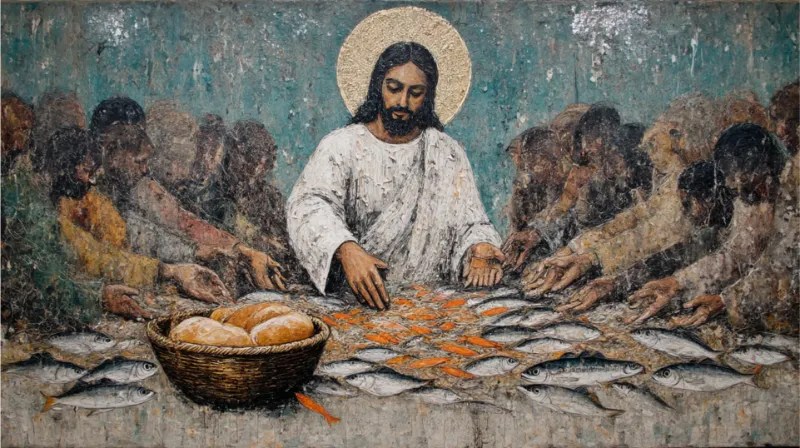
Romans 12:10
“Be devoted to one another in love. Honor one another above yourselves.”
Reflection: The word translated devoted, philostorgos, describes the affection of family members for one another. Paul writes it for a whole church, and it fits a couple preparing to become a family.
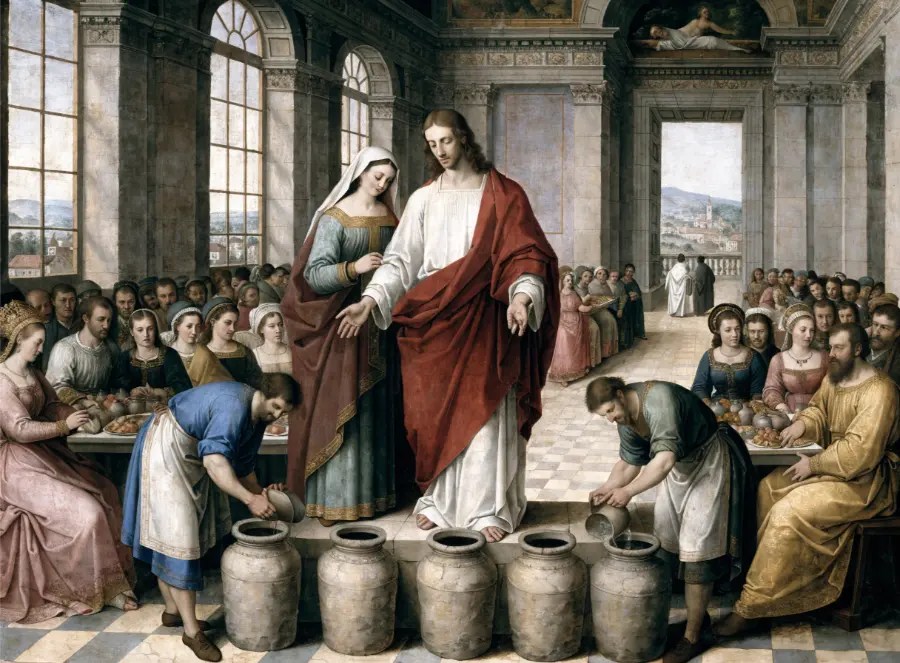
Galatians 6:2
“Carry each other’s burdens, and in this way you will fulfill the law of Christ.”
Reflection: A few lines later Paul adds, “each one should carry their own load” (6:5). Both apply in a marriage: each person has responsibilities of their own, and some burdens are too heavy to carry alone.
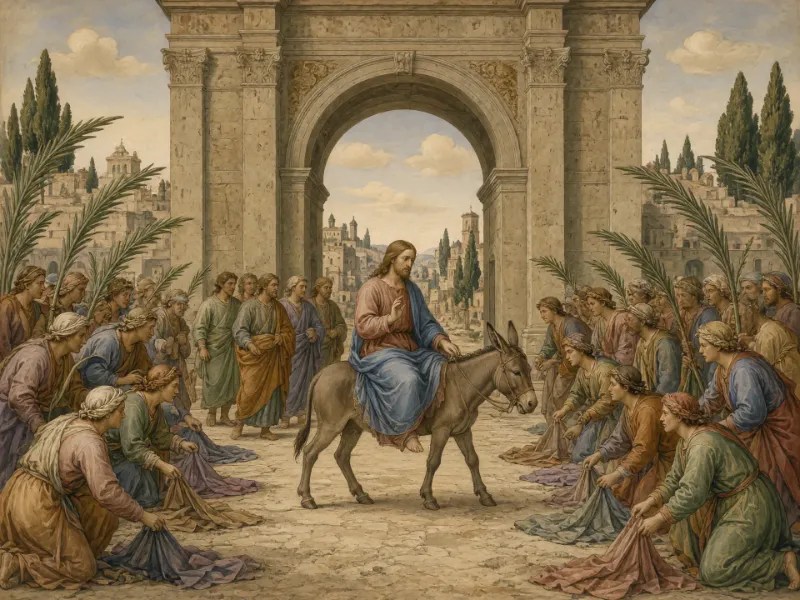
Ephesians 5:25
“Husbands, love your wives, just as Christ loved the church and gave himself up for her.”
Reflection: The instruction to husbands follows Paul’s general command, “Submit to one another out of reverence for Christ” (5:21). The measure he gives husbands is Christ, who gave himself up for the church.

1 Peter 3:7
“Husbands, in the same way be considerate as you live with your wives, and treat them with respect as the weaker partner and as heirs with you of the gracious gift of life, so that nothing will hinder your prayers.”
Reflection: Peter calls husband and wife “heirs with you of the gracious gift of life,” and he gives a reason for the instruction: so that nothing will hinder the husband’s prayers.
For the part nobody warns you about
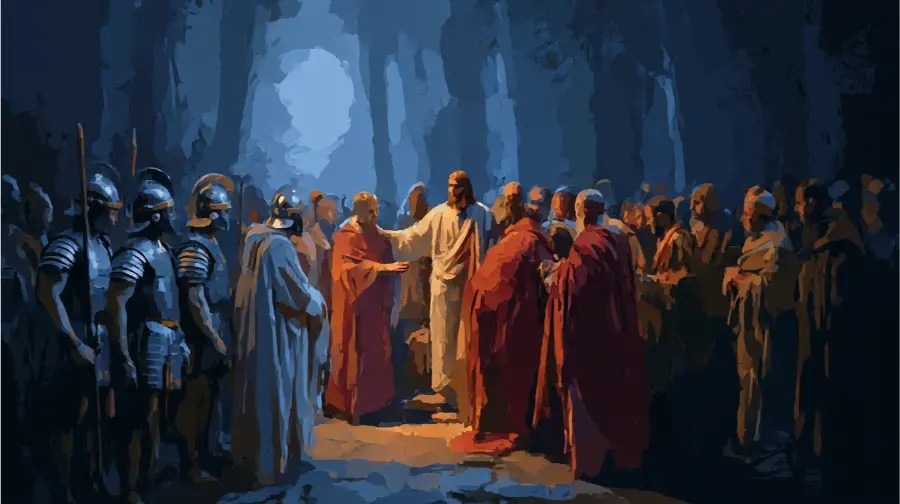
Philippians 4:6-7
“Do not be anxious about anything, but in every situation, by prayer and petition, with thanksgiving, present your requests to God. And the peace of God, which transcends all understanding, will guard your hearts and your minds in Christ Jesus.”
Reflection: Paul wrote Philippians in chains (1:13). The word for guard, phroureo, is a military term for keeping watch over a place. For words to pray before the wedding, there are prayers for a marriage.

Proverbs 24:3-4
“By wisdom a house is built, and through understanding it is established; through knowledge its rooms are filled with rare and beautiful treasures.”
Reflection: In Proverbs a house often means a household, as in “The wise woman builds her house” (14:1). Wisdom builds it, understanding establishes it, and knowledge fills its rooms.
Ecclesiastes 4:12
“Though one may be overpowered, two can defend themselves. A cord of three strands is not quickly broken.”
Reflection: The verses before this describe what two people give each other: help up after a fall, and warmth at night (4:9-11). The third strand is not named. Many Christians read it as God, and the Teacher’s own point is that three strands hold better than two.
For the months between
For an engagement card, short verses fit best: Song of Solomon 8:7, Colossians 3:14 or Ecclesiastes 4:12. If you would rather have passages to read aloud together, sorted by the occasion they suit, they are gathered separately.
The months before a wedding are the time to ask for wisdom (James 1:5), to find out how much you agree on, and to practice the patience, honor and forgiveness these verses describe. The wedding takes a day, and those habits continue long after it.


Leave a Reply