
 English
 Chinese
 Dutch
 Arabic
 Spanish
 Portuguese
 Russian
 French
 Italian
 German
 Japanese
In the Bible, parents are told to teach their children the commandments at home, in the ordinary hours of the day: “Talk about them when you sit at home and when you walk along the road, when you lie down and when you get up” (Deuteronomy 6:7).
The law is to be passed from parents to children and grandchildren (Deuteronomy 4:9, Psalm 78:5-6), a father and a mother both teach (Proverbs 1:8), fathers are to raise children “in the training and instruction of the Lord” (Ephesians 6:4), and Timothy knew the Scriptures “from infancy” (2 Timothy 3:15).
Teaching God’s words at home

Deuteronomy 6:7
“Impress them on your children. Talk about them when you sit at home and when you walk along the road, when you lie down and when you get up.”
Reflection: Moses is speaking to Israel before it enters the land, and the verse follows directly on “Hear, O Israel: The Lord our God, the Lord is one. Love the Lord your God with all your heart” (6:4-5). The commandments are to be “on your hearts” first (6:6) and then impressed on children in the course of the day. The next verses have them tied on hands and written “on the doorframes of your houses and on your gates” (6:9). Deuteronomy 11:19 repeats the command almost word for word.
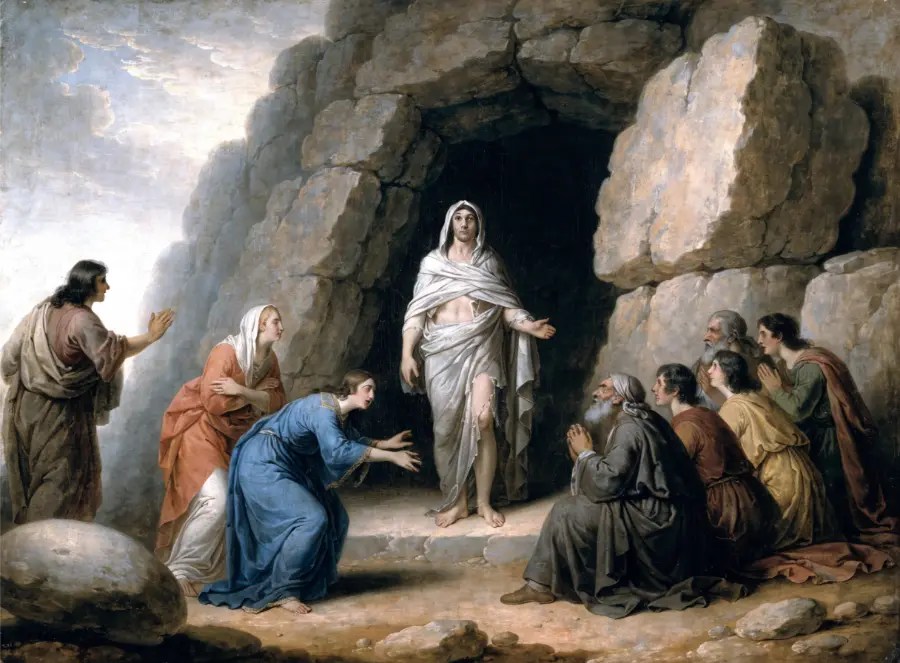
Deuteronomy 6:20-21
“In the future, when your son asks you, ‘What is the meaning of the stipulations, decrees and laws the Lord our God has commanded you?’ tell him: ‘We were slaves of Pharaoh in Egypt, but the Lord brought us out of Egypt with a mighty hand.’”
Reflection: The teaching here starts with a child’s question. The answer the parent is told to give begins with slavery in Egypt, the Lord’s rescue, and the land he promised (6:21-23), and then returns to the commands, “so that we might always prosper and be kept alive” (6:24).

Deuteronomy 4:9
“Only be careful, and watch yourselves closely so that you do not forget the things your eyes have seen or let them fade from your heart as long as you live. Teach them to your children and to their children after them.”
Reflection: The things to be taught are “the things your eyes have seen”, and the next verse names the day Israel stood before the Lord at Horeb. Before the verse tells parents to teach, it tells them to watch themselves so that they do not forget. The teaching reaches past children to “their children after them”.
From one generation to the next
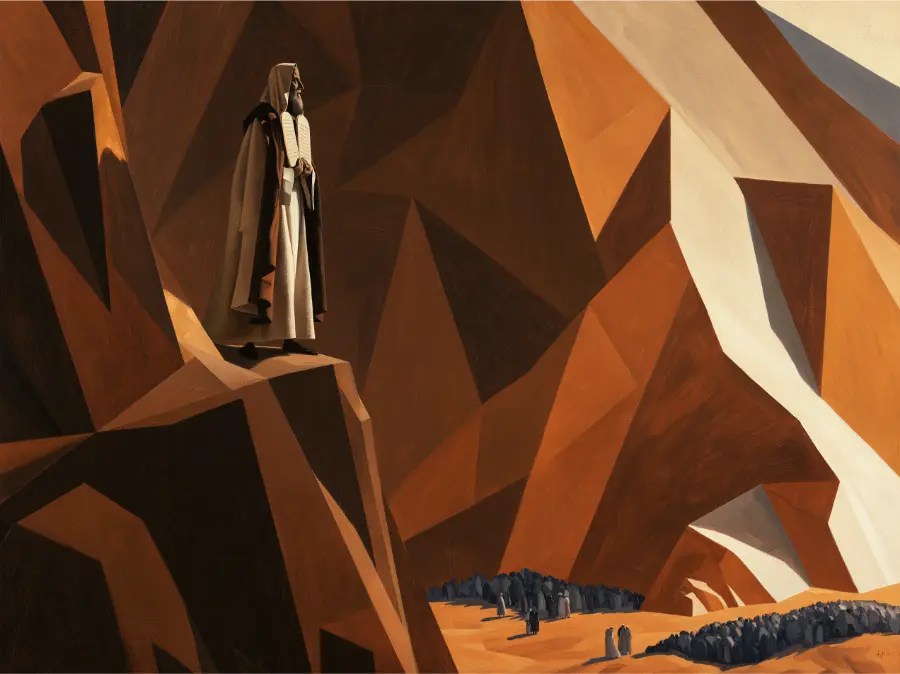
Psalm 78:5-6
“He decreed statutes for Jacob and established the law in Israel, which he commanded our ancestors to teach their children, so the next generation would know them, even the children yet to be born, and they in turn would tell their children.”
Reflection: Asaph opens the psalm by promising not to hide the Lord’s deeds from the next generation (78:4). Verses 5 and 6 carry the law from the ancestors to their children, to “the children yet to be born”, and on to the children those will have. Verse 7 gives the purpose: “Then they would put their trust in God and would not forget his deeds but would keep his commands.” The rest of the psalm tells Israel’s history as a warning against doing as their ancestors did.
Joel 1:3
“Tell it to your children, and let your children tell it to their children, and their children to the next generation.”
Reflection: Joel addresses the elders about a locust plague so severe that he asks whether anything like it happened “in your days or in the days of your ancestors” (1:2). What children are to be told here is a disaster, which the next chapters treat as a call to return to the Lord. The instruction passes the account down three generations.
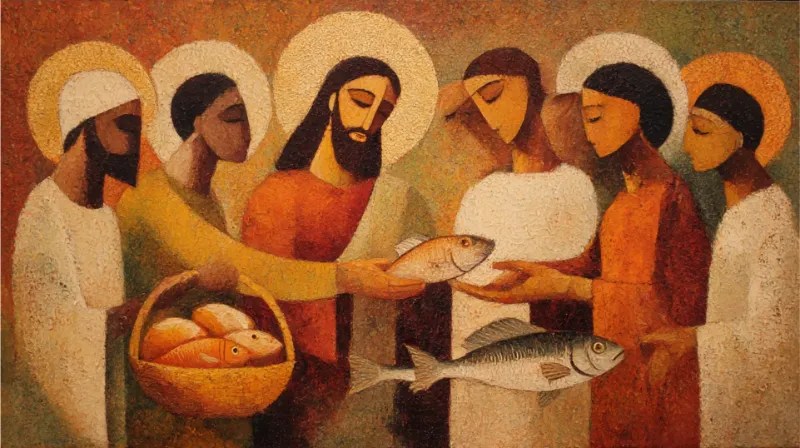
2 Timothy 3:14-15
“But as for you, continue in what you have learned and have become convinced of, because you know those from whom you learned it, and how from infancy you have known the Holy Scriptures, which are able to make you wise for salvation through faith in Christ Jesus.”
Reflection: Paul reminds Timothy of what he has learned and from whom. Earlier in the chapter Paul points to his own teaching (3:10), and at the start of the letter he speaks of the faith “which first lived in your grandmother Lois and in your mother Eunice” (2 Timothy 1:5). The Scriptures Timothy has known since infancy are the ones “able to make you wise for salvation through faith in Christ Jesus”.
Isaiah 54:13
“All your children will be taught by the Lord, and great will be their peace.”
Reflection: The promise is spoken to Jerusalem as an “afflicted city, lashed by storms and not comforted” (54:11), which God says he will rebuild with precious stones. Its children are taught by the Lord himself, and peace follows. Jesus quotes the line in John 6:45, “They will all be taught by God,” and adds, “Everyone who has heard the Father and learned from him comes to me.”
What Proverbs and Paul tell parents
Proverbs 1:8-9
“Listen, my son, to your father’s instruction and do not forsake your mother’s teaching. They are a garland to grace your head and a chain to adorn your neck.”
Reflection: The opening speech of Proverbs names both parents as teachers, the father’s instruction and the mother’s teaching side by side. The instruction is pictured as something worn, a garland on the head and a chain around the neck. The next verse turns straight to a warning against joining sinners who entice the son.
Proverbs 22:6
“Start children off on the way they should go, and even when they are old they will not turn from it.”
Reflection: The Hebrew verb behind “start off” is chanak, which Strong’s glosses as to train, dedicate or inaugurate; Deuteronomy 20:5 uses it of a new house nobody has yet begun to live in. The older rendering, “Train up a child in the way he should go,” is where the phrase training up a child comes from.
Ephesians 6:4
“Fathers, do not exasperate your children; instead, bring them up in the training and instruction of the Lord.”
Reflection: Paul has just told children to obey their parents and quoted the commandment to honour father and mother (6:1-3). The instruction to fathers then has two parts: a thing not to do, exasperate their children, and a thing to do, bring them up in the Lord’s training and instruction. The parallel in Colossians 3:21 gives the reason for the first part: “Fathers, do not embitter your children, or they will become discouraged.”
Discipline
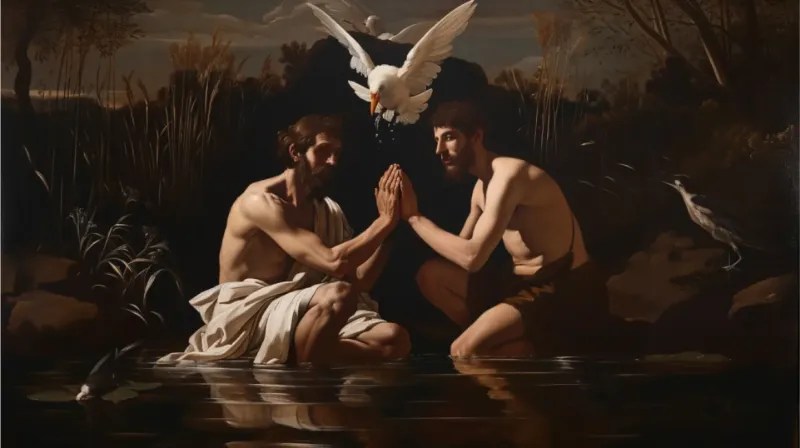
Proverbs 13:24
“Whoever spares the rod hates their children, but the one who loves their children is careful to discipline them.”
Reflection: The proverb sets two parents side by side and turns the expected labels around: the one who spares the rod is said to hate the child, and the one who disciplines is the one who loves. Proverbs 3:12 makes the same link between love and discipline about the Lord, who disciplines “as a father the son he delights in.”
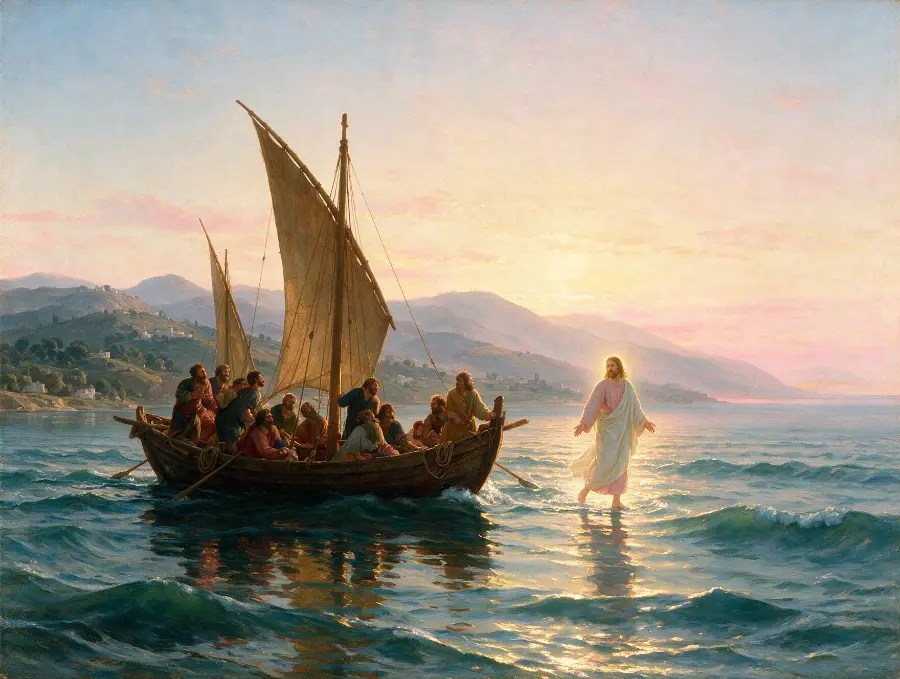
Proverbs 29:17
“Discipline your children, and they will give you peace; they will bring you the delights you desire.”
Reflection: Two verses earlier, Proverbs 29:15 describes the opposite case: “a child left undisciplined disgraces its mother.” This verse looks at the result for the parent, peace and delight.
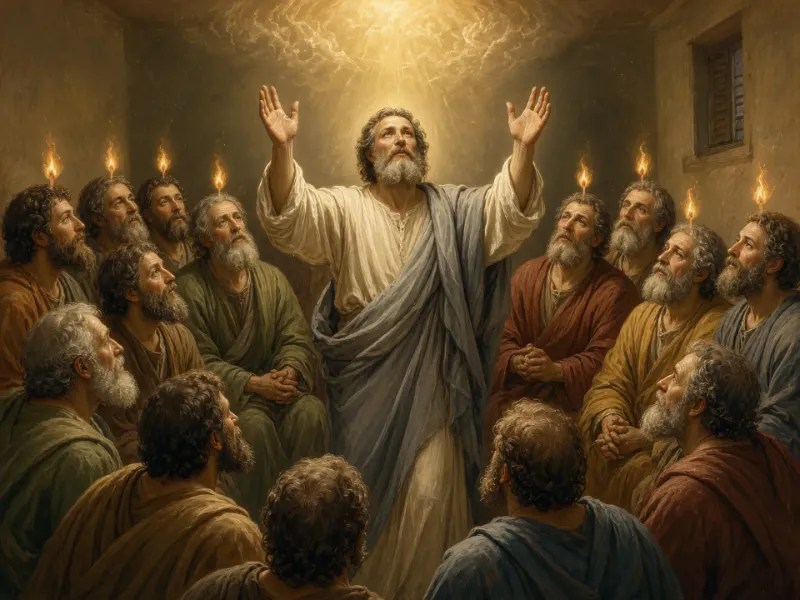
Hebrews 12:11
“No discipline seems pleasant at the time, but painful. Later on, however, it produces a harvest of righteousness and peace for those who have been trained by it.”
Reflection: The writer has quoted Proverbs 3:11-12, “the Lord disciplines the one he loves,” and compared God to human fathers who “disciplined us for a little while as they thought best” (12:10). The subject is God’s discipline of believers, but the argument rests on how a father trains a child. The verse admits the discipline hurts at the time and places the harvest later, for “those who have been trained by it”.
Jesus and children
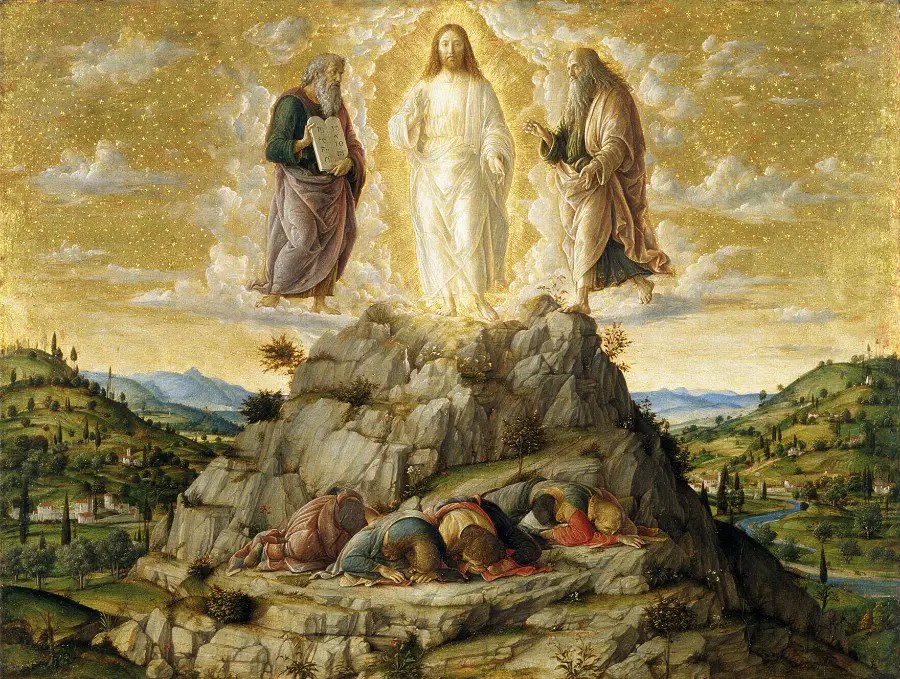
Matthew 19:14
“Jesus said, ‘Let the little children come to me, and do not hinder them, for the kingdom of heaven belongs to such as these.’”
Reflection: People brought children so that Jesus would place his hands on them and pray for them, and the disciples rebuked them (19:13). Jesus overrules the disciples and then lays his hands on the children before leaving (19:15). Luke’s account says the people were bringing babies (Luke 18:15) and adds that anyone who does not receive the kingdom “like a little child will never enter it” (18:17).
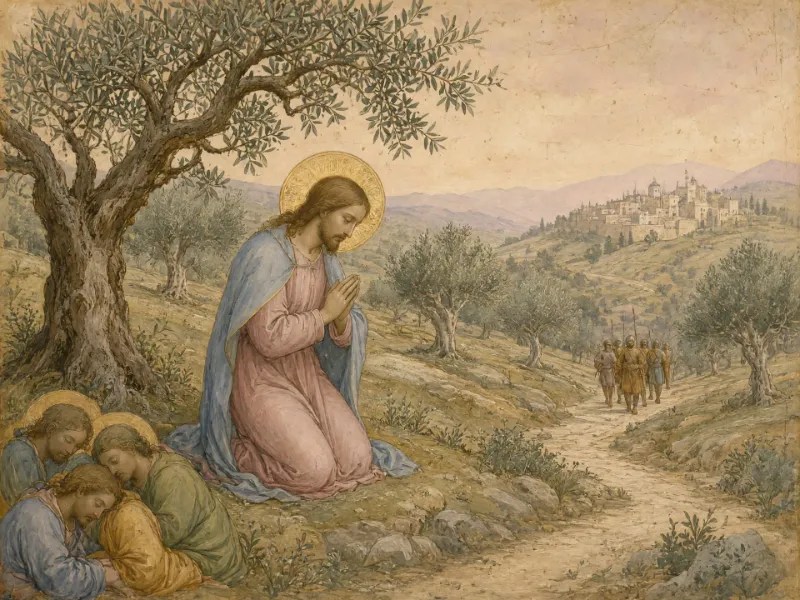
Mark 9:37
“Whoever welcomes one of these little children in my name welcomes me; and whoever welcomes me does not welcome me but the one who sent me.”
Reflection: The disciples had argued on the road about which of them was the greatest (9:34). Jesus answers by placing a child among them and taking the child in his arms. Welcoming a child in his name is welcoming Jesus, and welcoming him is welcoming the Father who sent him. Matthew 18:5 records the first half of the saying.
Teaching what happened as well as what is commanded
Parents are told to pass on events as well as laws. Deuteronomy 4:9 names what Israel saw at Horeb, Deuteronomy 6:21 the rescue from Egypt, Psalm 78:4 “the praiseworthy deeds of the Lord”, and Joel 1:3 a locust plague. Psalm 78:7 gives the reason for telling the Lord’s deeds: so that the children “would not forget his deeds but would keep his commands.”


Leave a Reply