
 English
 Chinese
 Dutch
 Arabic
 Spanish
 Portuguese
 Russian
 French
 Italian
 German
 Japanese
Paul’s account of the resurrection in 1 Corinthians 15 is the one that names its witnesses and invites the reader to check.
He says he is passing on what he received, lists the people who saw Jesus, and notes that most of them are still living (15:6). He then gives the claim a defeat condition: if Christ is not risen, the preaching and the faith are empty. The nineteen verses below start there, then take the accounts themselves, the people who did not believe them, what the letters build on it, and what is promised because of it.
The oldest thing written about it

1 Corinthians 15:3-4
“For I delivered to you first of all that which I also received: that Christ died for our sins according to the Scriptures, and that He was buried, and that He rose again the third day according to the Scriptures.”
Reflection: Delivered and received describe handing something on rather than composing it. What follows is a list of witnesses ending with a note that most of them are still alive.
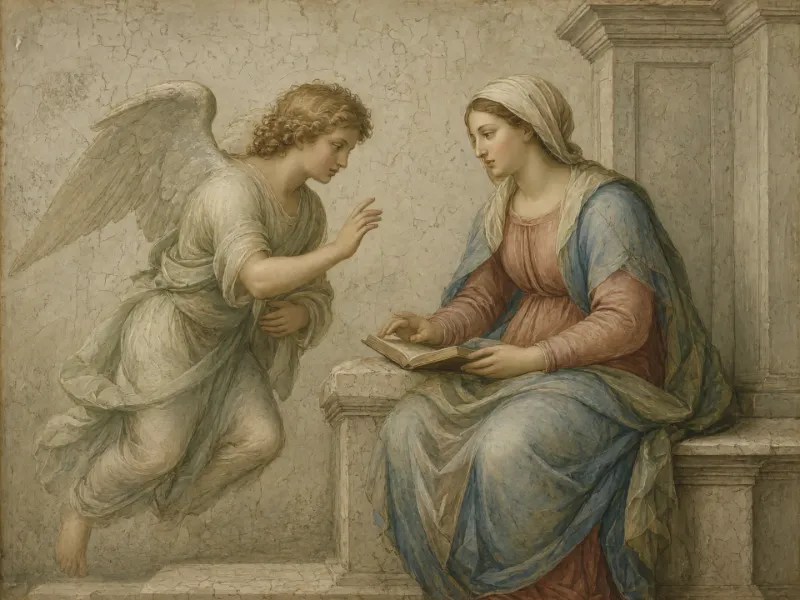
1 Corinthians 15:14
“And if Christ is not risen, then our preaching is empty and your faith is also empty.”
Reflection: Paul gives the argument its own defeat condition. He does not say the faith would be poorer without this; he says it would be empty.
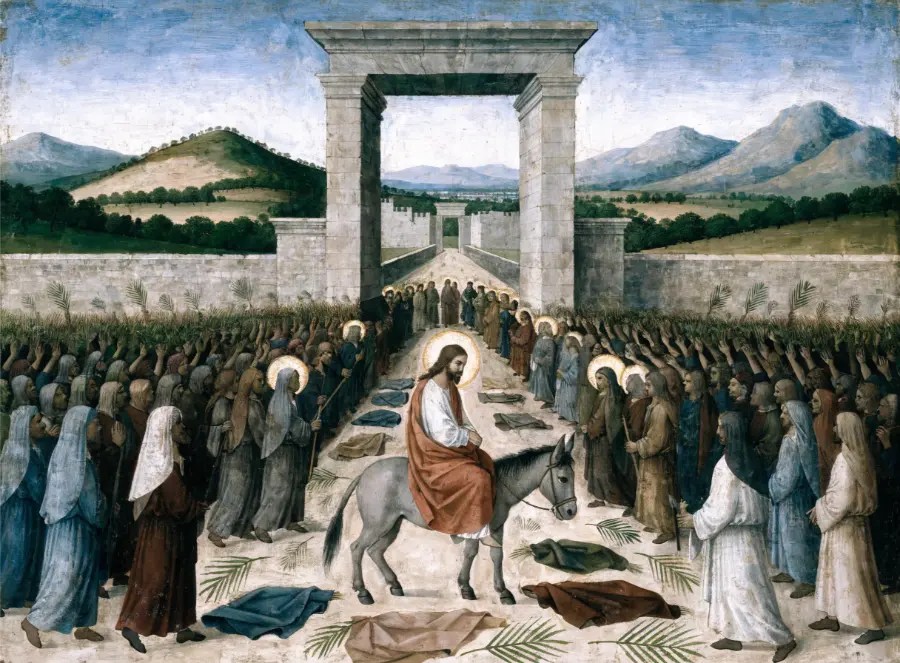
1 Corinthians 15:20
“But now Christ is risen from the dead, and has become the firstfruits of those who have fallen asleep.”
Reflection: Firstfruits is a harvest word for the first sheaf brought in. The claim is about sequence rather than about a single exception.
What the accounts actually say
Matthew 28:5-6
“But the angel answered and said to the women, ‘Do not be afraid, for I know that you seek Jesus who was crucified. He is not here; for He is risen, as He said.’”
Reflection: As he said. The angel’s argument is that this was announced in advance, and the women are the ones reminded of it.
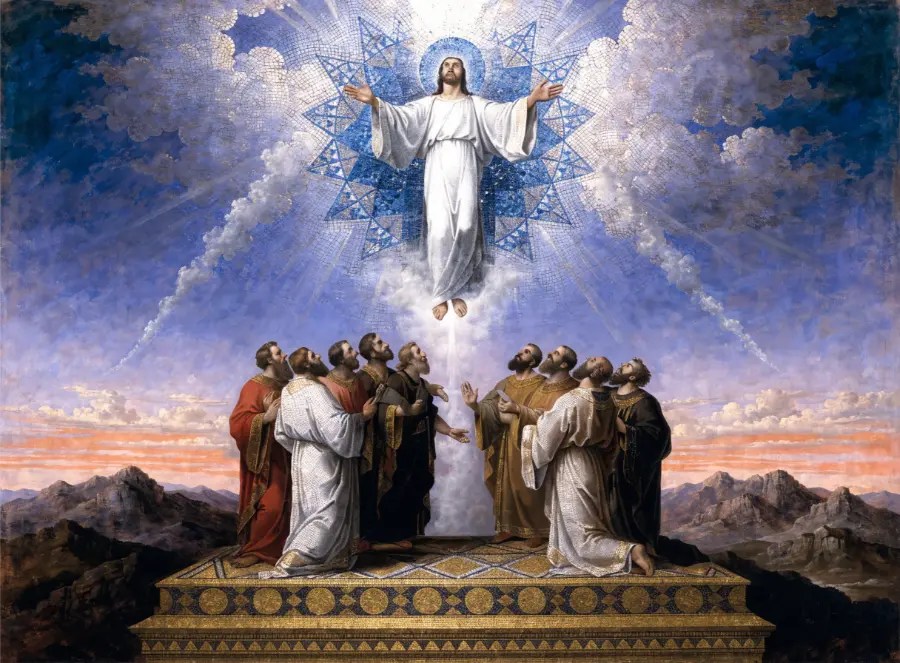
Mark 16:6
“He is risen! He is not here. See the place where they laid Him.”
Reflection: See the place. The first evidence offered is an empty shelf of rock, and two verses later the women say nothing to anyone because they are afraid (16:8).

Luke 24:5-7
“Why do you seek the living among the dead? He is not here, but is risen! Remember how He spoke to you when He was still in Galilee.”
Reflection: Remember how he spoke to you. The messengers appeal to the women’s own memory of conversations they had been present for.

John 20:16
“Jesus said to her, ‘Mary.’ She turned and said to Him, ‘Rabboni!’”
Reflection: She does not recognise him until he says her name. John has already told us she thought he was the gardener.
The people who did not believe it
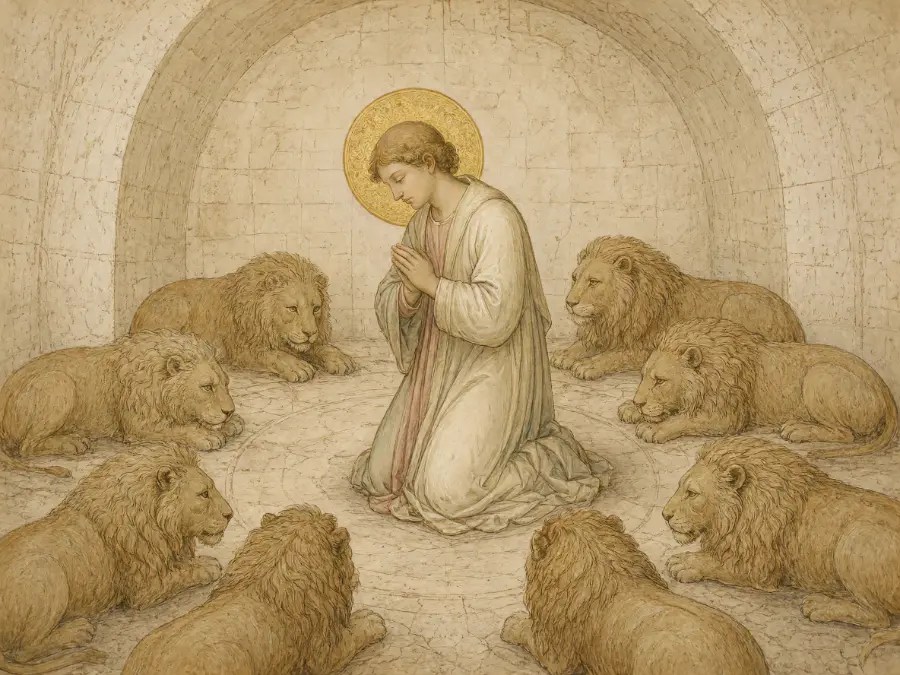
John 20:8
“Then the other disciple, who came to the tomb first, went in also; and he saw and believed.”
Reflection: He saw and believed, and the next verse says they still did not understand the Scripture about rising from the dead. Belief arrives before comprehension.
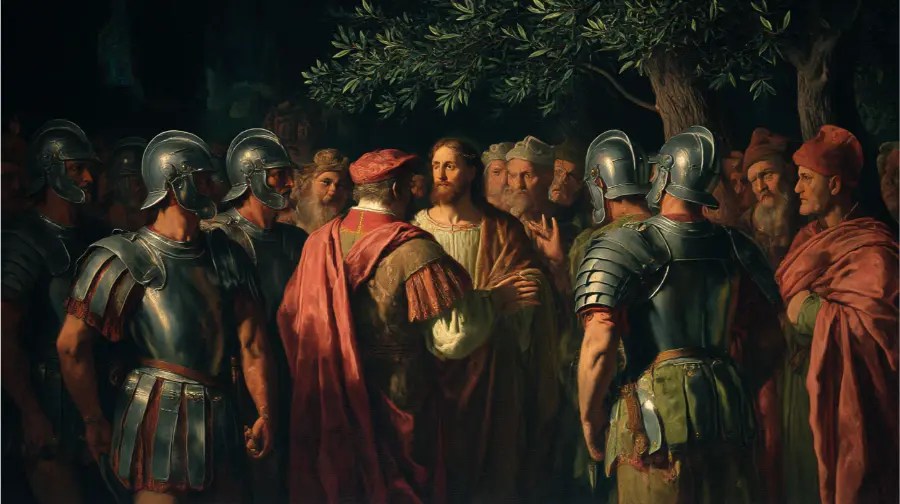
John 20:27-29
“Reach your finger here, and look at My hands; and reach your hand here, and put it into My side. Do not be unbelieving, but believing.”
Reflection: Thomas is offered exactly the test he asked for. The Gospel keeps his refusal to take anyone’s word for it and keeps the invitation, and never says the demand was unreasonable.
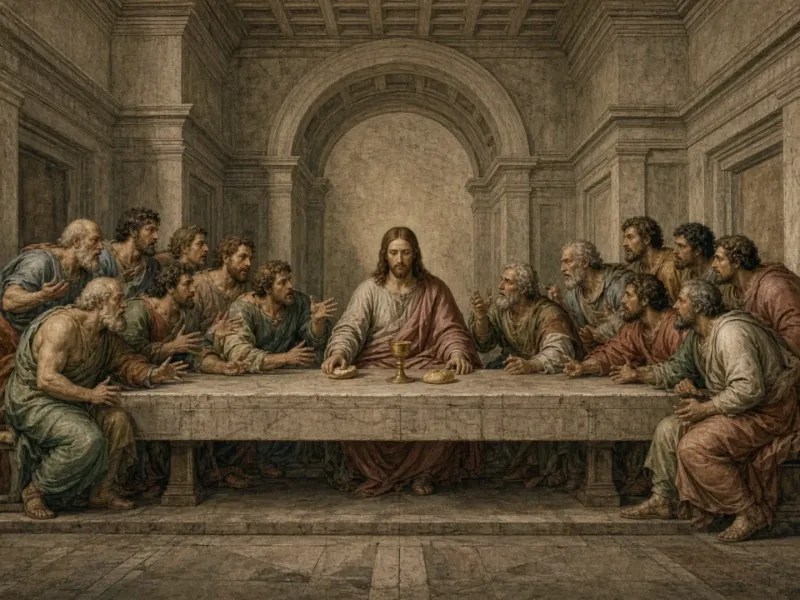
Luke 24:34
“The Lord is risen indeed, and has appeared to Simon!”
Reflection: Appeared to Simon, and Luke never says what happened at that meeting. The man who had denied him three times met him privately, and nothing of it was written down.
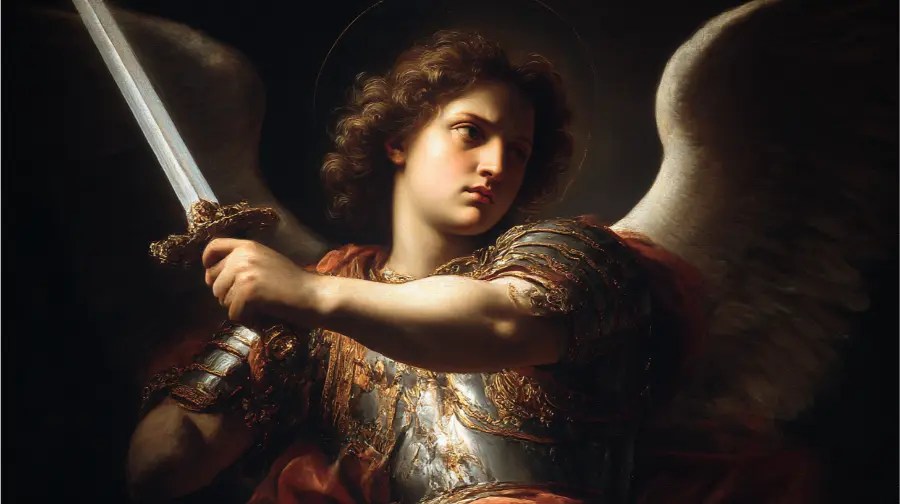
Acts 1:3
“To whom He also presented Himself alive after His suffering by many infallible proofs, being seen by them during forty days.”
Reflection: Forty days, and the phrase is many infallible proofs. Luke addresses his account to a named reader, Theophilus, in his opening sentence.
What the letters build on it
Romans 1:4
“And declared to be the Son of God with power according to the Spirit of holiness, by the resurrection from the dead.”
Reflection: Declared, not made. Paul treats the resurrection as the public statement of something already true, the way a verdict states rather than creates.
Romans 4:25
“Who was delivered up because of our offenses, and was raised because of our justification.”
Reflection: Two clauses in balance, and the second is the unexpected one. Paul gives the resurrection its own purpose rather than treating it as the sequel to the cross.
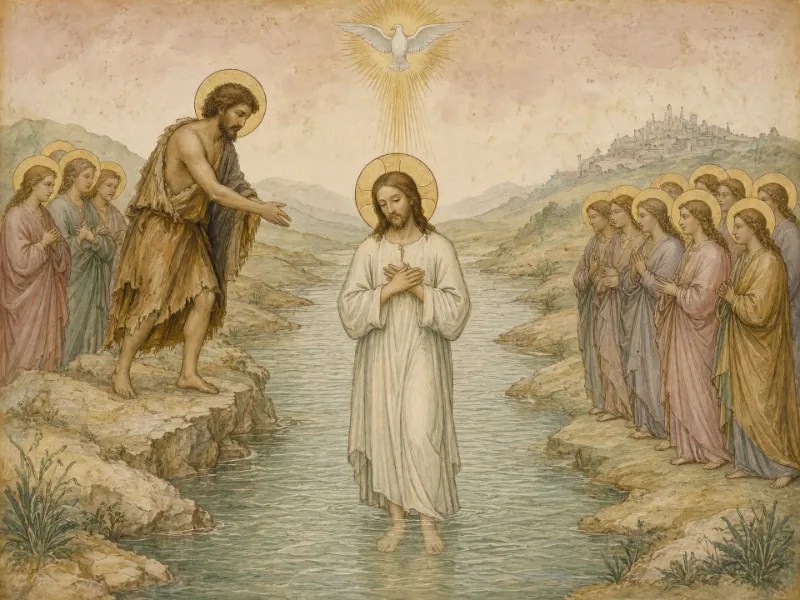
Romans 6:4
“Therefore we were buried with Him through baptism into death, that just as Christ was raised from the dead by the glory of the Father, even so we also should walk in newness of life.”
Reflection: Paul makes baptism a burial before it is anything else. The newness is on the far side of something gone through rather than around.

Romans 10:9
“That if you confess with your mouth the Lord Jesus and believe in your heart that God has raised Him from the dead, you will be saved.”
Reflection: Mouth and heart, in that order. Of all the things Paul might have made the content of belief, he chose a claim about an event.
What is promised because of it
1 Corinthians 15:54-55
“O Death, where is your sting? O Hades, where is your victory?”
Reflection: Paul is quoting Hosea and turning a prophet’s threat into a taunt. The questions are asked of death rather than about it.
1 Peter 1:3
“…who according to His abundant mercy has begotten us again to a living hope through the resurrection of Jesus Christ from the dead.”
Reflection: A living hope. Peter is writing to scattered people under pressure, and the adjective carries the argument.
Philippians 3:10-11
“That I may know Him and the power of His resurrection, and the fellowship of His sufferings, being conformed to His death.”
Reflection: Paul asks for both halves in one sentence, the power and the fellowship of the sufferings, and does not separate them.
Revelation 1:17-18
“Do not be afraid; I am the First and the Last. I am He who lives, and was dead, and behold, I am alive forevermore.”
Reflection: Was dead is kept in the sentence. The risen figure John sees describes himself with the death included rather than left behind.
What the earliest Christians were claiming
What the earliest Christians claimed was checkable, and they wrote as though they knew it. Paul lists the witnesses and says most are still alive. Luke addresses his account to a named reader and calls the evidence infallible proofs. The Gospels keep details that are awkward: women as the first witnesses, a disciple who refused to believe his friends, and a Mark whose women say nothing because they are afraid.
Paul also supplied the sentence that would end the argument if it were false: if Christ is not risen, the preaching and the faith are empty. For the related material, see Bible verses about Jesus coming back.


Leave a Reply