
 English
 Chinese
 Dutch
 Arabic
 Spanish
 Portuguese
 Russian
 French
 Italian
 German
 Japanese
The Bible promises that Jesus will come back, visibly and in glory, and it says no one knows the day or the hour.
Jesus said that even he, as the Son, did not know it: “but the Father only” (Matthew 24:36). The New Testament therefore spends little time on dates and a great deal on readiness. The eighteen verses below cover what was promised, what is said about the timing, what the return will look like, and what believers are told to do while they wait.
What was promised

John 14:3
“And if I go and prepare a place for you, I will come again and will take you to myself, that where I am you may be also.”
Reflection: Jesus says this at the Last Supper, the night before his death. The reason he gives for coming back is to be with his disciples: “that where I am you may be also.”
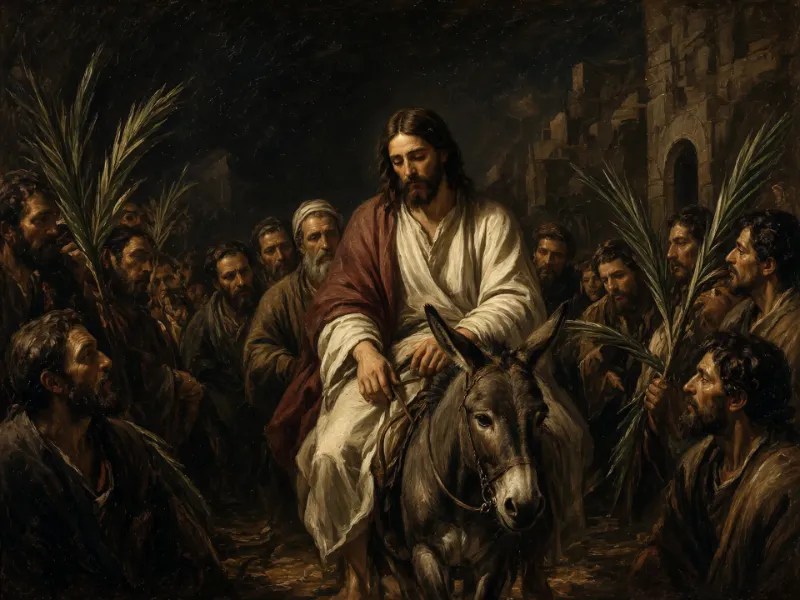
Acts 1:11
“Men of Galilee, why do you stand looking into heaven? This Jesus, who was taken up from you into heaven, will come in the same way as you saw him go into heaven.”
Reflection: Two men in white robes (1:10) speak to the disciples as they watch Jesus taken up. The promise is that he will return “in the same way” they saw him go.

Hebrews 9:28
“So Christ, having been offered once to bear the sins of many, will appear a second time, not to deal with sin but to save those who are eagerly waiting for him.”
Reflection: The writer distinguishes the two appearances. The first dealt with sin, once for all; the second is “to save those who are eagerly waiting for him.”
Titus 2:13
“Waiting for our blessed hope, the appearing of the glory of our great God and Savior Jesus Christ.”
Reflection: Paul calls the return “our blessed hope.” The verse before tells believers to live “self-controlled, upright, and godly lives in the present age” while they wait (2:12).
What we are told about the timing
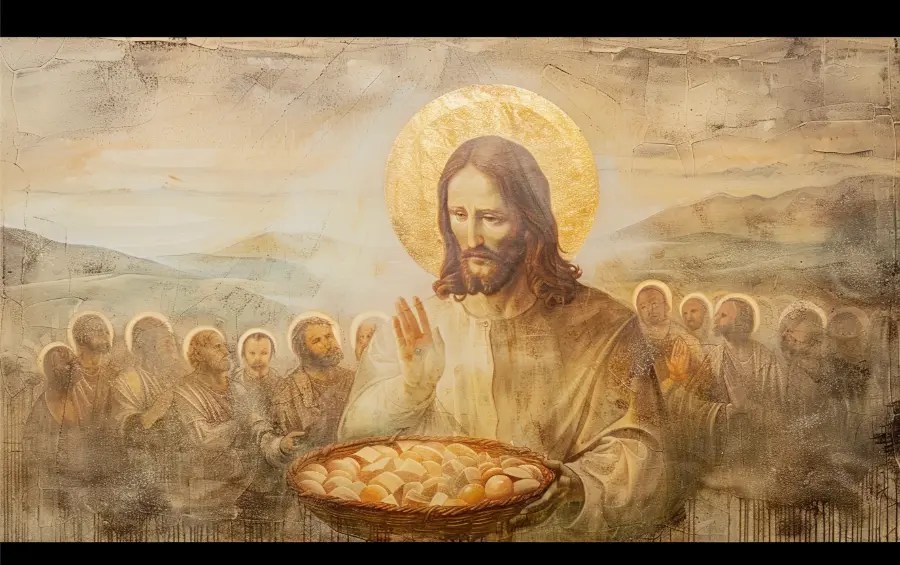
Matthew 24:36
“But concerning that day and hour no one knows, not even the angels of heaven, nor the Son, but the Father only.”
Reflection: Jesus includes himself, as the Son, among those who do not know the day or hour. Every attempt to set a date runs into this verse.
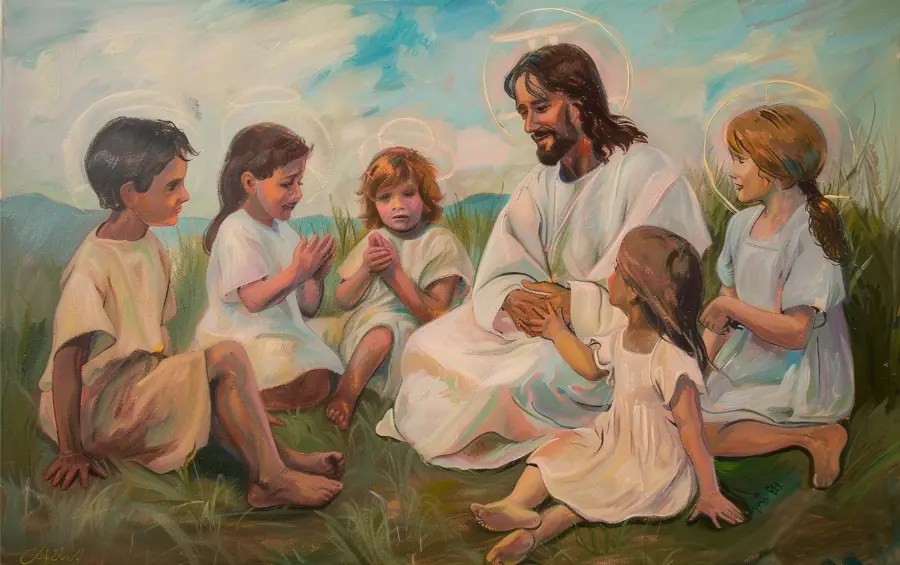
Mark 13:32-33
“But concerning that day or that hour, no one knows, not even the angels in heaven, nor the Son, but only the Father. Be on guard, keep awake.”
Reflection: Mark gives the same saying and adds the instruction that follows from it, with the reason: “For you do not know when the time will come” (13:33).

1 Thessalonians 5:2
“For you yourselves are fully aware that the day of the Lord will come like a thief in the night.”
Reflection: A thief gives no warning. Two verses later Paul tells the believers that they are not in darkness, “for that day to surprise you like a thief” (5:4).
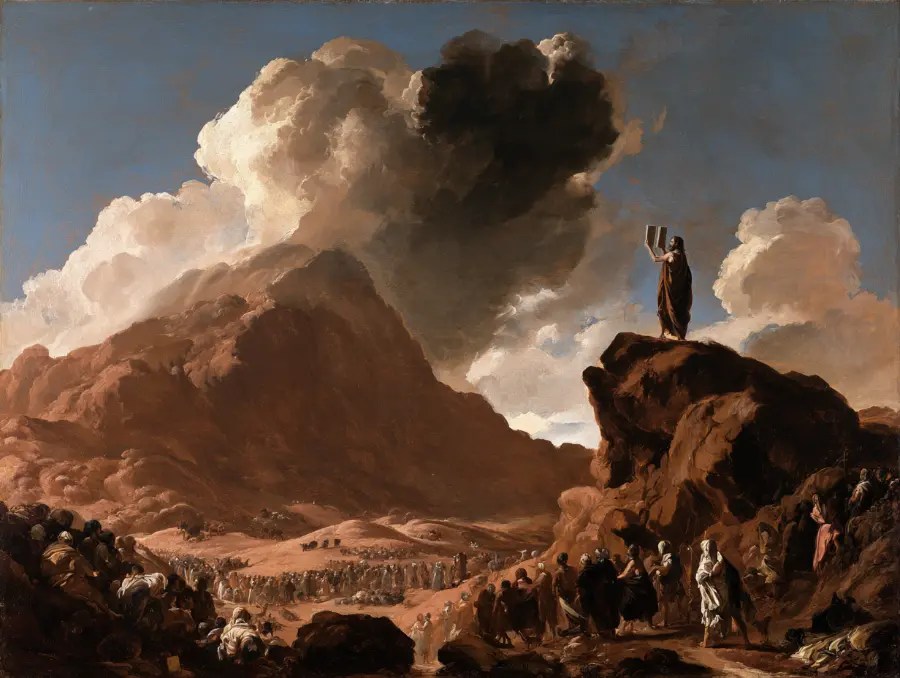
2 Peter 3:10
“But the day of the Lord will come like a thief, and then the heavens will pass away with a roar, and the heavenly bodies will be burned up and dissolved.”
Reflection: Peter is answering scoffers who asked, “Where is the promise of his coming?” (3:4). He answers that the Lord is patient (3:9), and that the day will still come suddenly.
What it will look like
Matthew 24:27
“For as the lightning comes from the east and shines as far as the west, so will be the coming of the Son of Man.”
Reflection: Jesus has just warned against anyone who says the Messiah is “in the wilderness” or “in the inner rooms” (24:26). His return will be as public as lightning across the sky.
Revelation 1:7
“Behold, he is coming with the clouds, and every eye will see him, even those who pierced him, and all tribes of the earth will wail on account of him.”
Reflection: John combines two Old Testament passages: Daniel 7:13, one like a son of man coming with the clouds, and Zechariah 12:10, “him whom they have pierced.”
1 Thessalonians 4:16-17
“For the Lord himself will descend from heaven with a cry of command, with the voice of an archangel, and with the sound of the trumpet of God.”
Reflection: Paul wrote this to a church grieving members who had died, so that they would “not grieve as others do who have no hope” (4:13). The next words are “the dead in Christ will rise first” (4:16).
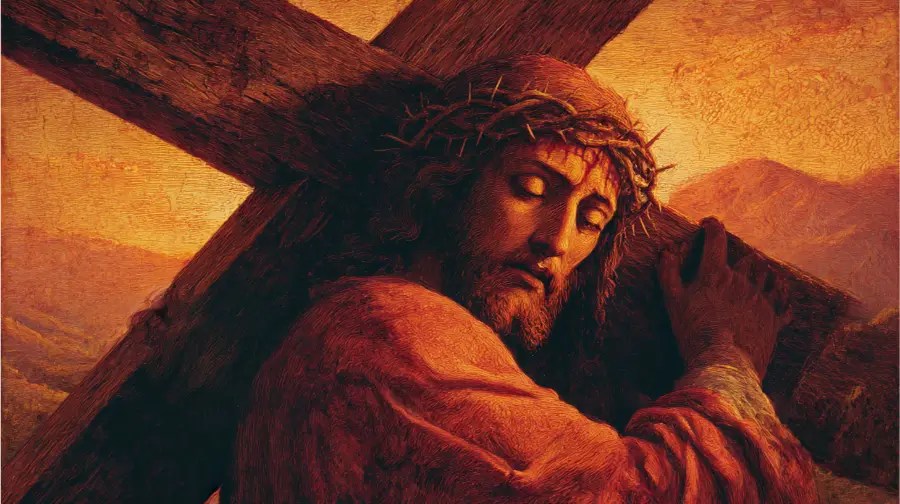
Matthew 25:31
“When the Son of Man comes in his glory, and all the angels with him, then he will sit on his glorious throne.”
Reflection: This verse opens the account of the sheep and the goats, in which the nations are judged by how they treated the hungry, the stranger, the sick and the imprisoned (25:35-36).
What we are told to do
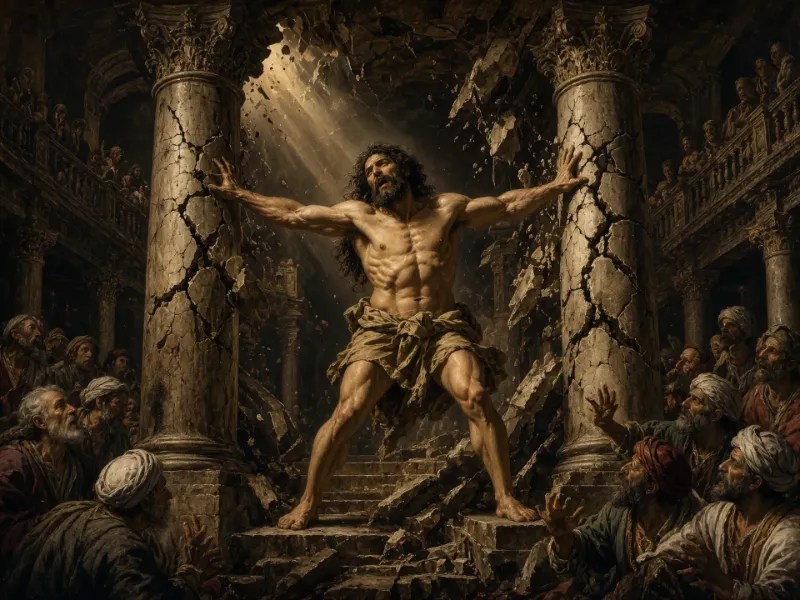
Matthew 24:42
“Therefore, stay awake, for you do not know on what day your Lord is coming.”
Reflection: “Therefore” links the instruction to what came before: because the day is unknown, stay awake. The next verse compares it to a master of the house who would have stayed awake if he had known when the thief was coming (24:43).
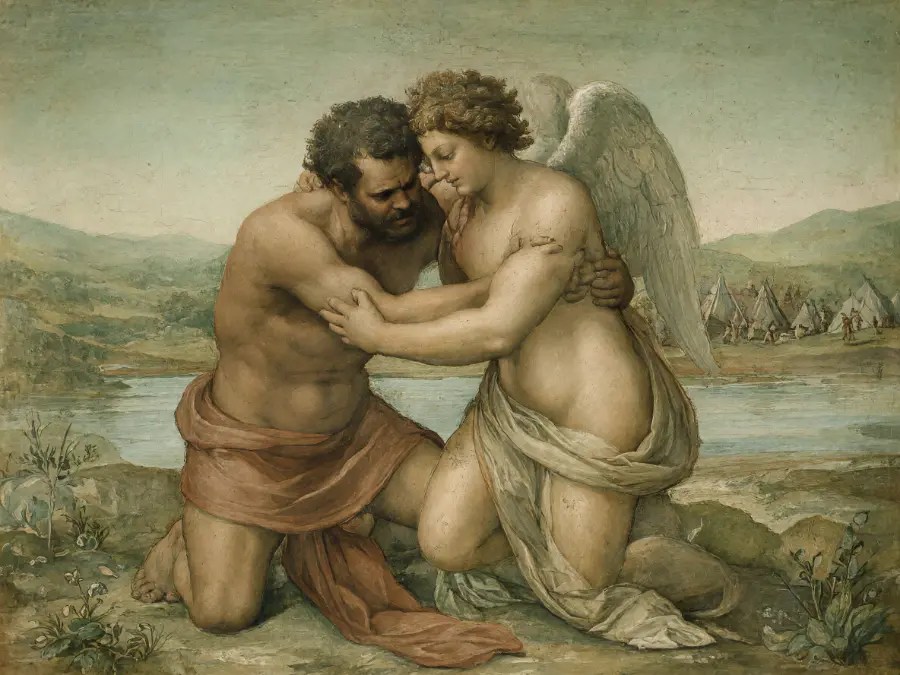
Matthew 24:44
“Therefore you also must be ready, for the Son of Man is coming at an hour you do not expect.”
Reflection: Jesus adds that he will come at an hour when he is not expected, so readiness cannot depend on predicting the time.

1 Thessalonians 5:6
“So then let us not sleep, as others do, but let us keep awake and be sober.”
Reflection: Paul contrasts sleep with keeping awake and being sober, which describes steady, clear-headed living rather than excitement.
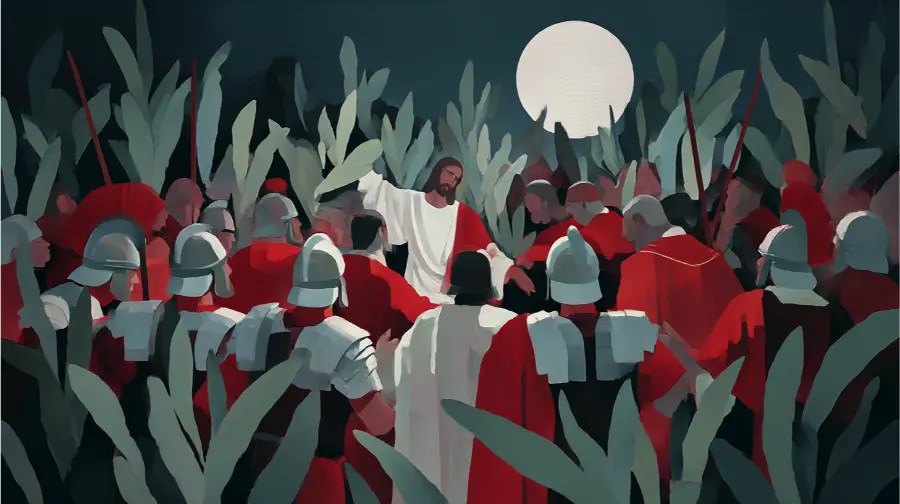
James 5:7-8
“Be patient, therefore, brothers, until the coming of the Lord. See how the farmer waits for the precious fruit of the earth, being patient about it, until it receives the early and the late rains.”
Reflection: The early and late rains fell in autumn and spring, and a farmer waited months between sowing and harvest. James uses that patience as the model for waiting for the Lord.

2 Peter 3:11-12
“Since all these things are thus to be dissolved, what sort of people ought you to be in lives of holiness and godliness, waiting for and hastening the coming of the day of God.”
Reflection: Peter draws a practical conclusion from the end of the present world: the question is what sort of people believers ought to be, “in lives of holiness and godliness.”
1 John 3:2-3
“Beloved, we are God’s children now, and what we will be has not yet appeared; but we know that when he appears we shall be like him, because we shall see him as he is.”
Reflection: John admits that much is unknown and is sure of one thing: when Christ appears, believers will be like him. The next verse adds that everyone with this hope “purifies himself as he is pure” (3:3). Paul describes the same hope as a transformed body (Philippians 3:21), the final hope behind the Bible verses about physical healing.
Waiting, without a date
Scripture does not give a timeline, and Jesus said he did not have one to give. It gives instructions instead: stay awake, be sober, be patient like a farmer, and care for the hungry and the imprisoned, as the account in Matthew 25 describes.
The disciples were told to stop looking up at the sky (Acts 1:11). The promise is that Jesus will come back as he left, that every eye will see him, and that no one will need to be told it has happened.


Leave a Reply