
 English
 Chinese
 Dutch
 Arabic
 Spanish
 Portuguese
 Russian
 French
 Italian
 German
 Japanese
The Bible speaks of adoption in two ways: a household taking in a child not born to it, and God taking people as his sons and daughters. Pharaoh’s daughter raised Moses as her son (Exodus 2:10), and Mordecai took his orphaned cousin Esther as his own daughter (Esther 2:7).
The word adoption itself belongs to Paul. The Greek huiothesia, adoption as sons, occurs five times in the New Testament: Romans 8:15, 8:23 and 9:4, Galatians 4:5 and Ephesians 1:5. Paul uses it for Israel’s calling, for the believer’s present standing before God, and for the redemption of the body still awaited.
Care for children without parents
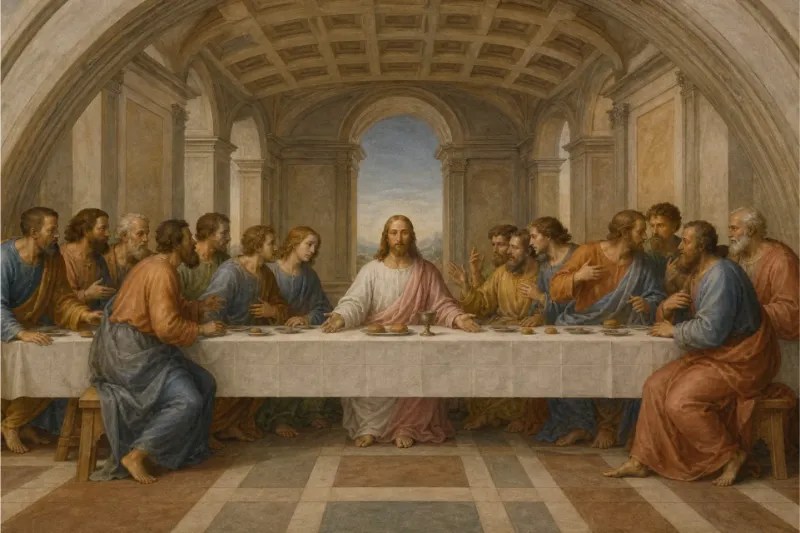
Exodus 2:10
“When the child grew older, she brought him to Pharaoh’s daughter, and he became her son. She named him Moses, ‘Because,’ she said, ‘I drew him out of the water.’”
Reflection: Pharaoh had ordered every Hebrew son thrown into the Nile (Exodus 1:22). The verse before this one records Pharaoh’s daughter paying the boy’s own mother to nurse him (Exodus 2:9), so Moses was nursed by his mother and raised as the princess’s son. Later God sends him back to Pharaoh to bring “my people, the children of Israel, out of Egypt” (Exodus 3:10).
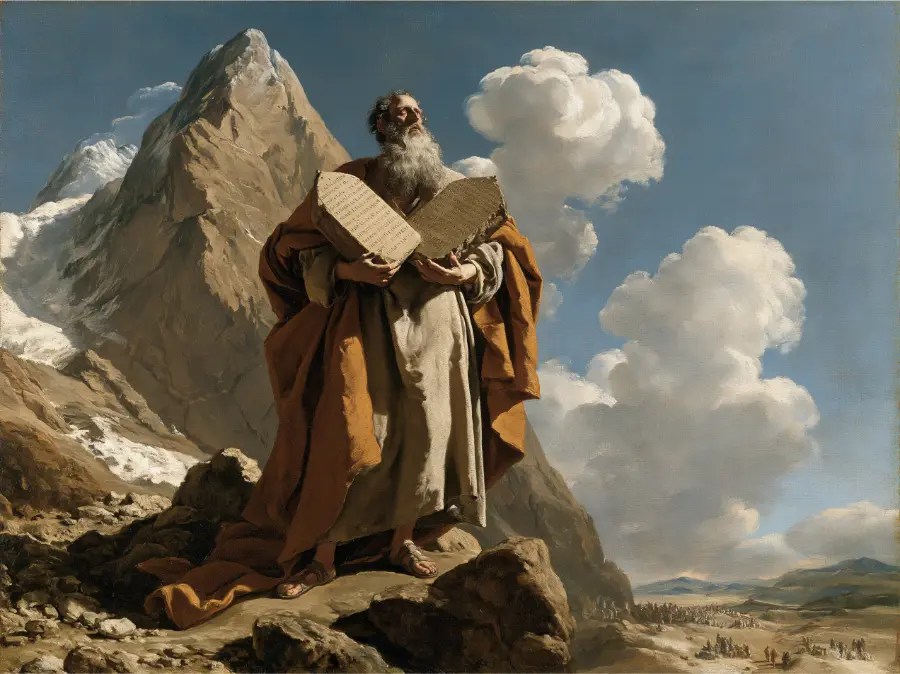
Esther 2:7
“He was bringing up Hadassah, that is Esther, the daughter of his uncle, for she had neither father nor mother. The young woman had a beautiful figure and was lovely to look at, and when her father and her mother died, Mordecai took her as his own daughter.”
Reflection: The book repeats the point at Esther 2:15, where she is “the daughter of Abihail the uncle of Mordecai, who had taken her as his own daughter.” When a decree is issued for the destruction of the Jews, Mordecai sends word to Esther to go to the king “and plead with him on behalf of her people” (Esther 4:8).
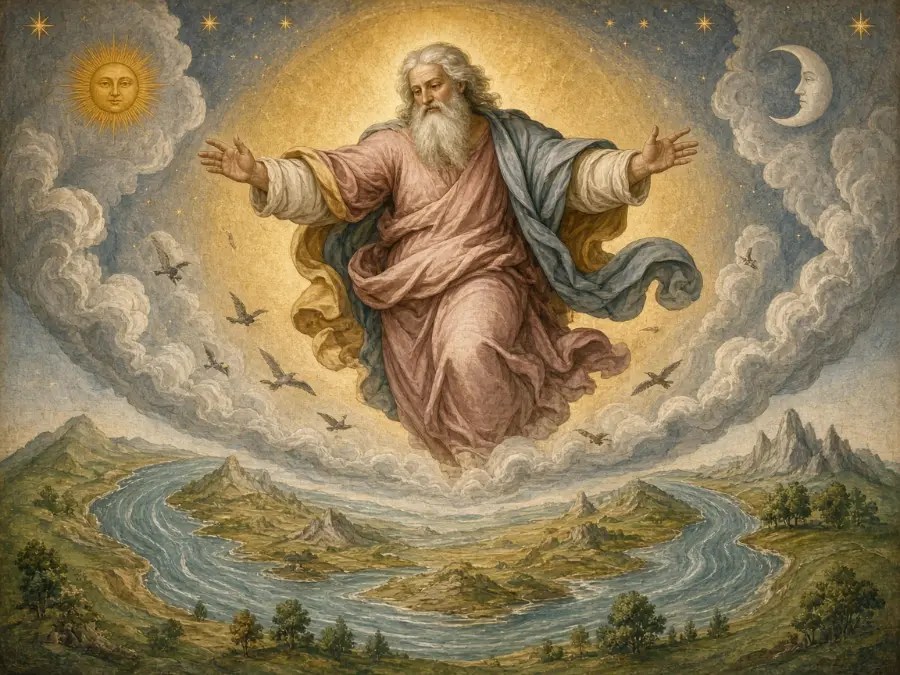
Psalm 68:5-6
“Father of the fatherless and protector of widows is God in his holy habitation. God settles the solitary in a home; he leads out the prisoners to prosperity, but the rebellious dwell in a parched land.”
Reflection: The psalm praises God and names the people he looks after: the fatherless, widows, the solitary and prisoners. The NIV renders the second line “God sets the lonely in families.”
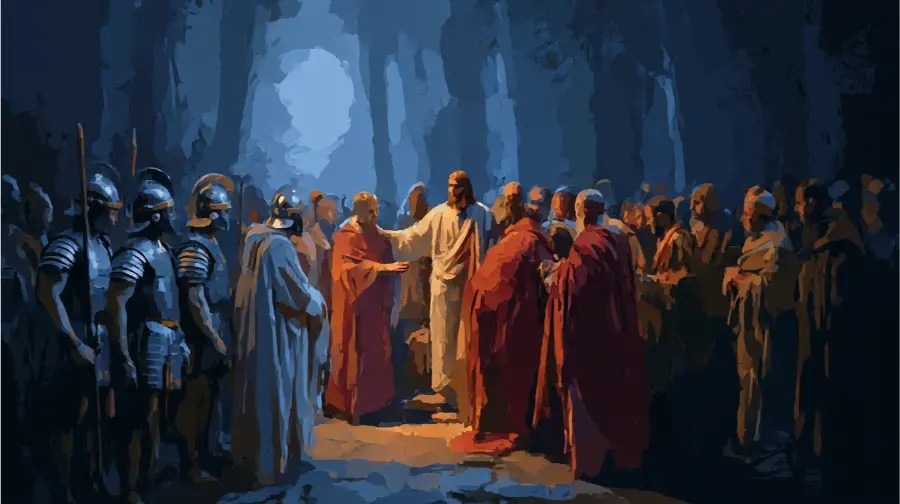
James 1:27
“Religion that is pure and undefiled before God the Father is this: to visit orphans and widows in their affliction, and to keep oneself unstained from the world.”
Reflection: The verse closes a passage that calls for being “doers of the word, and not hearers only” (James 1:22) and warns that religion without a bridled tongue “is worthless” (James 1:26). Against that, James names care for orphans and widows as religion God the Father accepts. The verse speaks of visiting orphans in their affliction; it does not describe adoption as a legal act.
Adoption as sons: Paul’s word
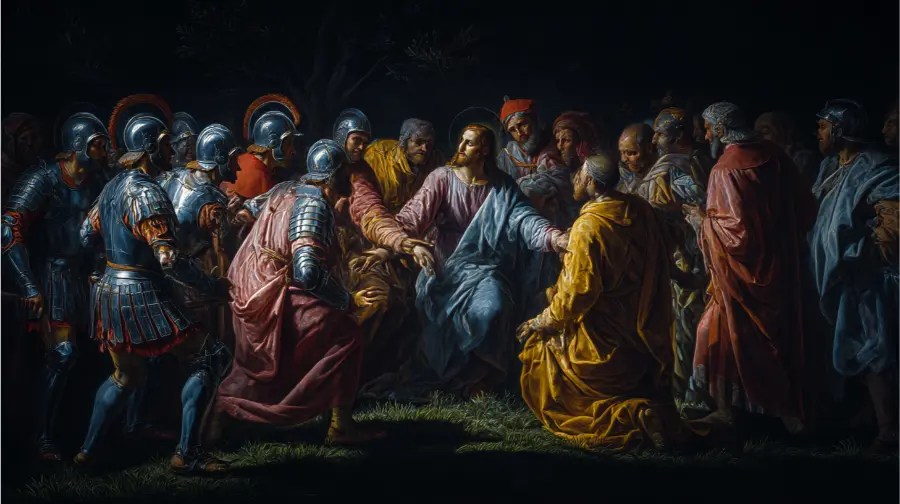
Galatians 4:4-5
“But when the fullness of time had come, God sent forth his Son, born of woman, born under the law, to redeem those who were under the law, so that we might receive adoption as sons.”
Reflection: Paul has just compared the people of God before Christ to an heir who is still a child, “under guardians and managers until the date set by his father” (Galatians 4:2). Galatians 4:3 says what they needed redeeming from: “we also, when we were children, were enslaved to the elementary principles of the world.” God sends the Son to redeem those under the law, and the result is adoption.
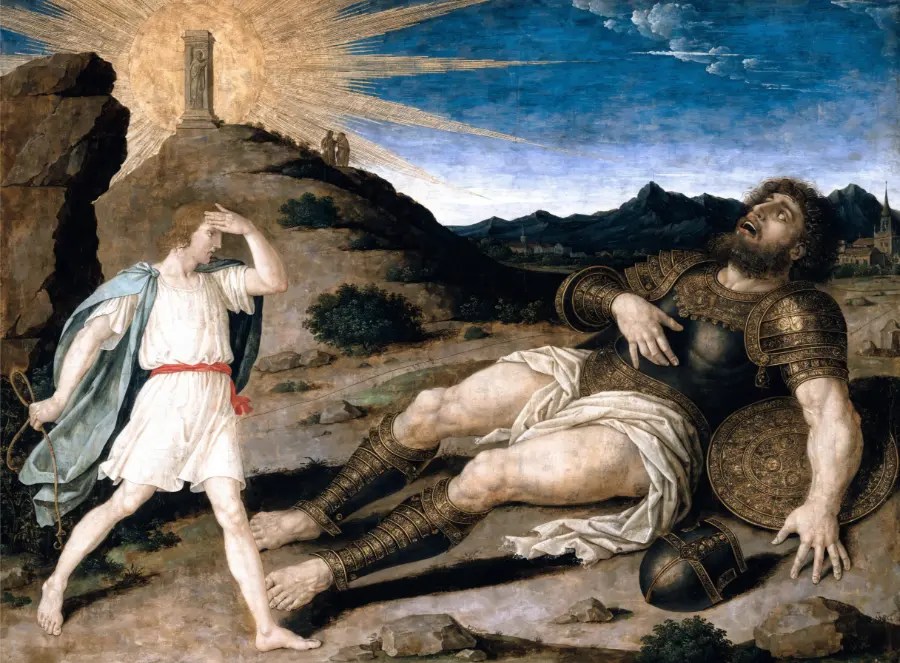
Galatians 4:7
“So you are no longer a slave, but a son, and if a son, then an heir through God.”
Reflection: The verse before says what adoption brings: because they are sons, God has sent “the Spirit of his Son into our hearts, crying, ‘Abba! Father!’” (Galatians 4:6). Verse 7 draws the conclusion and returns to the heir of Galatians 4:1, who as a child was “no different from a slave.”
Romans 8:15
“For you did not receive the spirit of slavery to fall back into fear, but you have received the Spirit of adoption as sons, by whom we cry, ‘Abba! Father!’”
Reflection: Paul sets two spirits against each other: one that leads back into fear like a slave’s, and the Spirit of adoption. Abba is an Aramaic word for father, the word Jesus used in Gethsemane: “Abba, Father, all things are possible for you” (Mark 14:36). The following verse adds that “the Spirit himself bears witness with our spirit that we are children of God.”
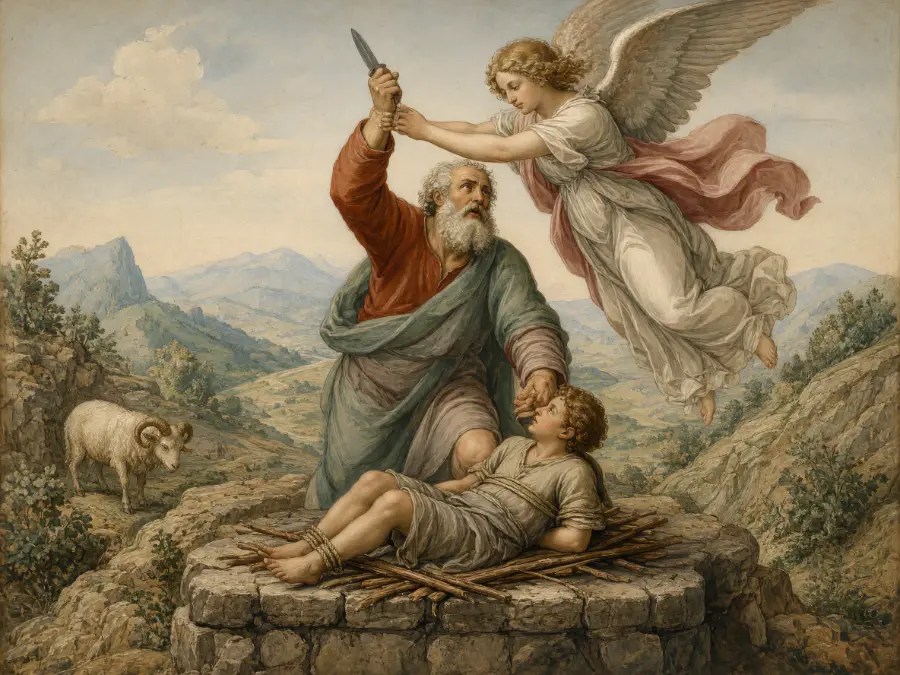
Romans 8:23
“And not only the creation, but we ourselves, who have the firstfruits of the Spirit, groan inwardly as we wait eagerly for adoption as sons, the redemption of our bodies.”
Reflection: Later in the same chapter, after calling believers adopted, Paul says they still wait for adoption. He defines what they are waiting for as “the redemption of our bodies,” and sets it beside the whole creation groaning “in the pains of childbirth” (Romans 8:22).
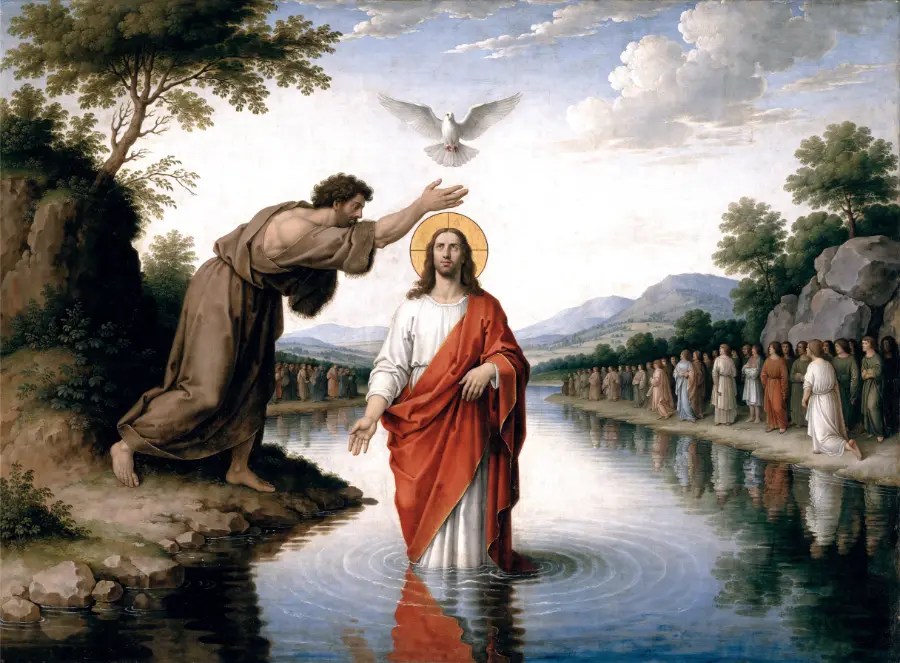
Ephesians 1:5-6
“He predestined us for adoption to himself as sons through Jesus Christ, according to the purpose of his will, to the praise of his glorious grace, with which he has blessed us in the Beloved.”
Reflection: In the blessing that runs from Ephesians 1:3 to 1:14, God chose his people “before the foundation of the world” (Ephesians 1:4) and predestined them for adoption. The purpose that ends the quotation, “the praise of his glorious grace,” returns at verses 12 and 14 as “the praise of his glory,” and verse 14 calls the Holy Spirit “the guarantee of our inheritance.”
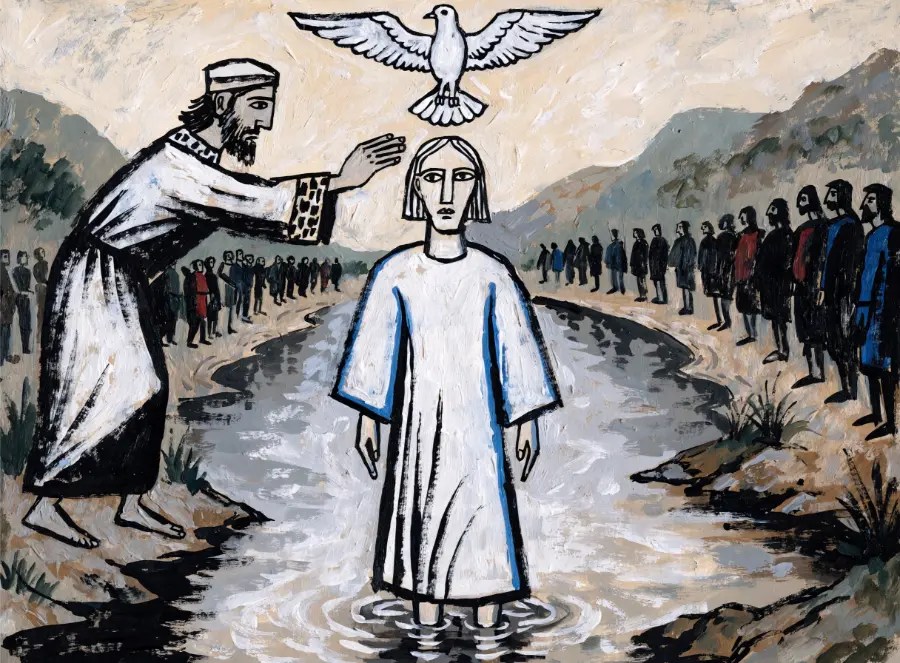
Romans 9:4
“They are Israelites, and to them belong the adoption, the glory, the covenants, the giving of the law, the worship, and the promises.”
Reflection: Here the adoption belongs to Israel. Paul lists it first among the privileges of his kinsmen, for whom he has “great sorrow and unceasing anguish” (Romans 9:2). The Old Testament gives the background: God told Moses to say to Pharaoh, “Israel is my firstborn son” (Exodus 4:22), and Hosea 11:1 recalls, “out of Egypt I called my son.”
Children of God through faith
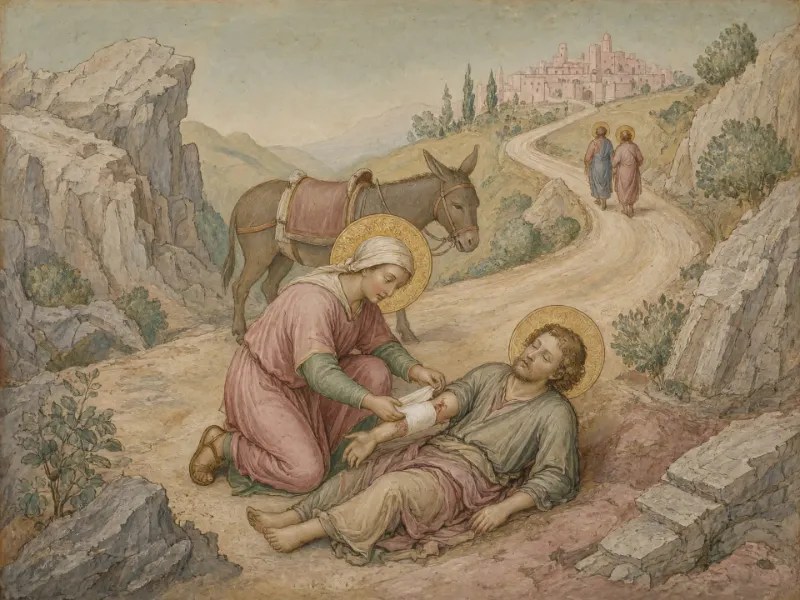
John 1:12-13
“But to all who did receive him, who believed in his name, he gave the right to become children of God, who were born, not of blood nor of the will of the flesh nor of the will of man, but of God.”
Reflection: The verse before says Jesus “came to his own, and his own people did not receive him.” Those who did receive him are given the right to become God’s children, and verse 13 says where that standing comes from: not from descent or human decision, but from God. John describes it as a birth rather than an adoption.
Galatians 3:26
“For in Christ Jesus you are all sons of God, through faith.”
Reflection: Paul has compared the law to a guardian who held God’s people until faith came (Galatians 3:24-25). Once faith has come, they are sons, and the next verse ties this to baptism: “as many of you as were baptized into Christ have put on Christ.”
Romans 9:8
“This means that it is not the children of the flesh who are the children of God, but the children of the promise are counted as offspring.”
Reflection: Paul explains why God’s word has not failed even though many in Israel have not believed. Abraham had more than one son, but the promise ran through Isaac: “Through Isaac shall your offspring be named” (Romans 9:7). God’s children are counted by his promise, not by descent.
1 John 3:1
“See what kind of love the Father has given to us, that we should be called children of God; and so we are. The reason why the world does not know us is that it did not know him.”
Reflection: John adds “and so we are” to insist that the title is real. The second half explains why the world does not recognise God’s children: it did not know the Father either.
1 John 3:2
“Beloved, we are God’s children now, and what we will be has not yet appeared; but we know that when he appears we shall be like him, because we shall see him as he is.”
Reflection: John separates what is true now from what is not yet seen. God’s people are his children already, and what they will be waits for the day Christ appears. The next verse says what that hope does in the present: “everyone who thus hopes in him purifies himself as he is pure” (1 John 3:3).
God as father of a household
Hebrews 12:7
“It is for discipline that you have to endure. God is treating you as sons. For what son is there whom his father does not discipline?”
Reflection: The writer has just quoted Proverbs 3:11-12 in the form “the Lord disciplines the one he loves” (Hebrews 12:6) and reads hardship as a sign of sonship. The following verse draws the contrast: those left without discipline “are illegitimate children and not sons” (Hebrews 12:8). The purpose is given in Hebrews 12:10, “that we may share his holiness.”
2 Corinthians 6:18
“And I will be a father to you, and you shall be sons and daughters to me, says the Lord Almighty.”
Reflection: After stating that “we are the temple of the living God” (2 Corinthians 6:16), Paul gathers several Old Testament promises into one quotation introduced “as God said.” It supports his call to separate from idols and ends with God’s promise to be a father, naming both “sons and daughters.”
Ephesians 2:19-22
“So then you are no longer strangers and aliens, but you are fellow citizens with the saints and members of the household of God, built on the foundation of the apostles and prophets, Christ Jesus himself being the cornerstone, in whom the whole structure, being joined together, grows into a holy temple in the Lord. In him you also are being built together into a dwelling place for God by the Spirit.”
Reflection: Paul is writing to Gentiles who were once “far off” (Ephesians 2:17). Through Christ, Jew and Gentile have “access in one Spirit to the Father” (Ephesians 2:18), and the outsiders become members of God’s household. Within the same sentence the household becomes a building on the foundation of the apostles and prophets, with Christ Jesus as its cornerstone, growing into a temple where God dwells by the Spirit.
Heirs
Romans 8:17
“And if children, then heirs—heirs of God and fellow heirs with Christ, provided we suffer with him in order that we may also be glorified with him.”
Reflection: Paul follows the family logic to its end: children inherit. The heirs share Christ’s inheritance and also his suffering, and the next verse weighs one against the other: “the sufferings of this present time are not worth comparing with the glory that is to be revealed to us” (Romans 8:18).
Galatians 3:29
“And if you are Christ’s, then you are Abraham’s offspring, heirs according to promise.”
Reflection: The chapter ends here, after Paul has said there is “neither Jew nor Greek, there is neither slave nor free, there is no male and female” in Christ Jesus (Galatians 3:28). Belonging to Christ makes a person Abraham’s offspring whatever their ancestry, and so an heir of the promise made to Abraham.
Revelation 21:7
“The one who conquers will have this heritage, and I will be his God and he will be my son.”
Reflection: The one seated on the throne has just said, “Behold, I am making all things new,” and promised the thirsty “the spring of the water of life without payment” (Revelation 21:6). The one who conquers inherits these things, and the covenant formula “I will be his God” is completed with a father’s promise, “he will be my son.”


Leave a Reply