
 English
 Chinese
 Dutch
 Arabic
 Spanish
 Portuguese
 Russian
 French
 Italian
 German
 Japanese
Baptism is commanded by Jesus, and the apostles describe it as being joined to him in his death and resurrection. In the New Testament it is always received from someone else, and it brings a person into the church.
Christians agree on much of what these texts say and differ on whether infants should be baptized. The nineteen verses below cover the command, what baptism is said to do, water and the Spirit, one baptism in one body, the people baptized in Acts, and the verses that churches on each side of that question rely on.
The command
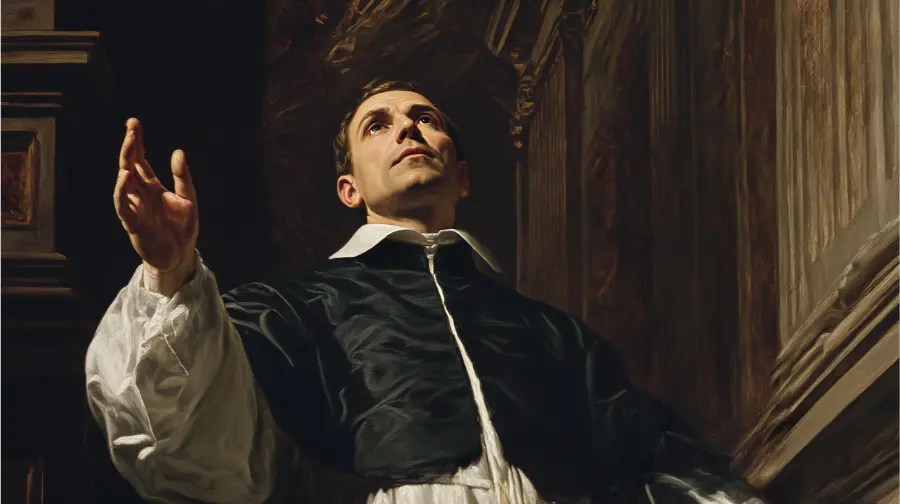
Matthew 28:19-20
“Go therefore and make disciples of all nations, baptizing them in the name of the Father and of the Son and of the Holy Spirit, teaching them to observe all that I have commanded you. And behold, I am with you always.”
Reflection: In the Greek, the main verb is “make disciples.” Going, baptizing and teaching are participles attached to it, so baptism is part of the work of making disciples. The promise at the end, “I am with you always,” goes with the command.

Acts 2:38
“Peter replied, ‘Repent and be baptized, every one of you, in the name of Jesus Christ for the forgiveness of your sins. And you will receive the gift of the Holy Spirit.’”
Reflection: Peter’s hearers had asked, “Brothers, what shall we do?” (2:37). This is the first answer to that question in the preaching recorded in Acts: repent and be baptized, with the promise of forgiveness and the gift of the Holy Spirit.
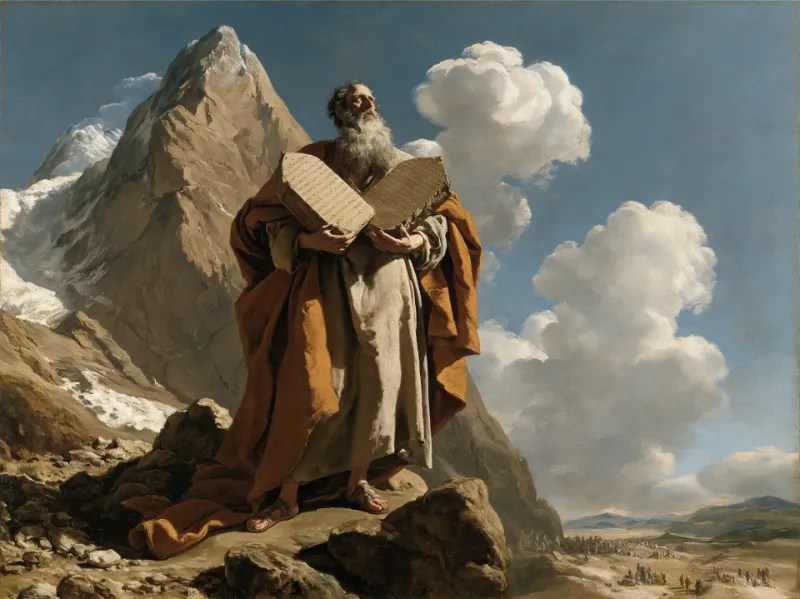
Acts 22:16
“And now why do you wait? Rise and be baptized and wash away your sins, calling on his name.”
Reflection: Paul is retelling his conversion. After meeting Jesus on the road to Damascus he had been blind for three days (9:9), and Ananias spoke these words to him.
What the texts say it does
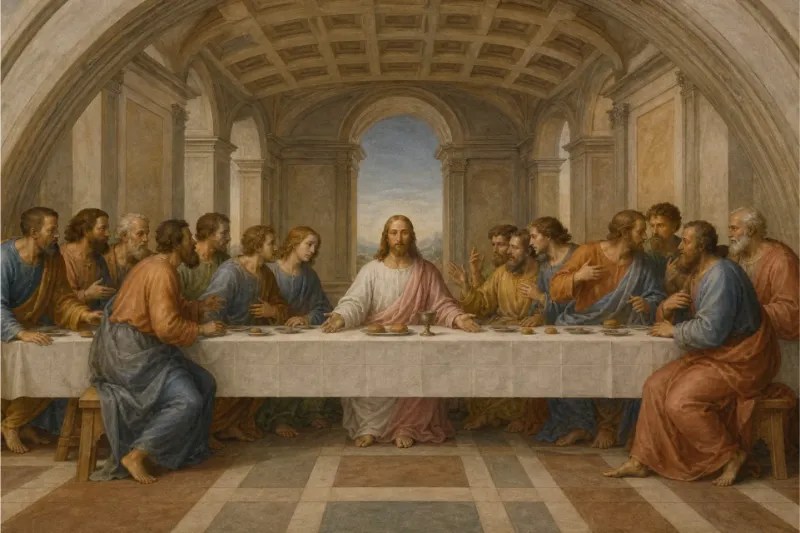
Romans 6:3-4
“Or don’t you know that all of us who were baptized into Christ Jesus were baptized into his death? We were therefore buried with him through baptism into death in order that, just as Christ was raised from the dead through the glory of the Father, we too may live a new life.”
Reflection: Paul is answering a question he raised himself: “Shall we go on sinning so that grace may increase?” (6:1). His answer draws on baptism. Going under the water pictures burial with Christ, and rising pictures sharing his new life, so the old way of living is over.
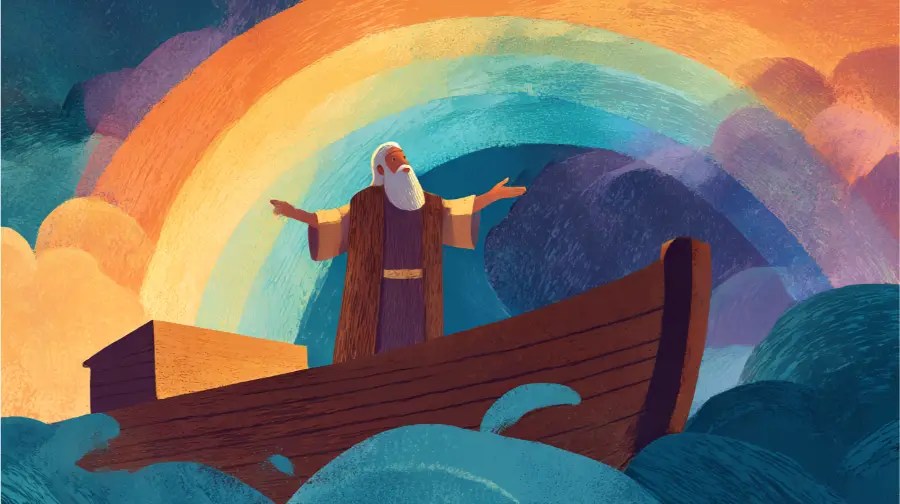
Colossians 2:12
“Having been buried with him in baptism, in which you were also raised with him through faith in the powerful working of God, who raised him from the dead.”
Reflection: The same picture of burial and resurrection appears here. Faith is named as the means, and God, who raised Christ from the dead, is the one at work.
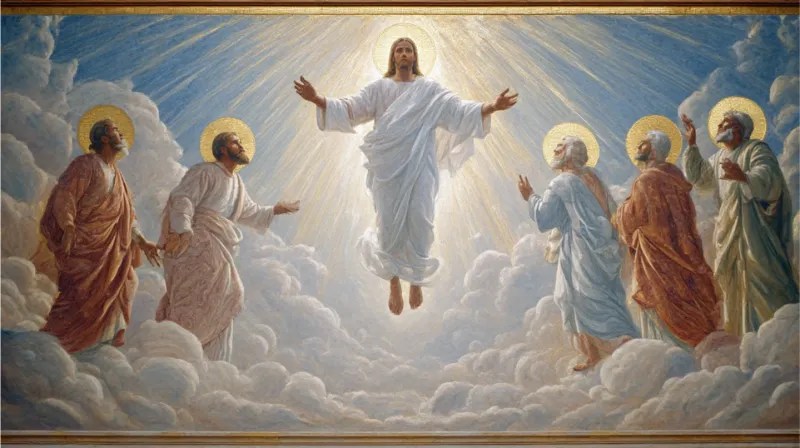
Galatians 3:27
“For as many of you as were baptized into Christ have put on Christ.”
Reflection: The next verse says, “There is neither Jew nor Gentile, neither slave nor free, nor is there male and female, for you are all one in Christ Jesus” (3:28). Being clothed with Christ is what the baptized now have in common.
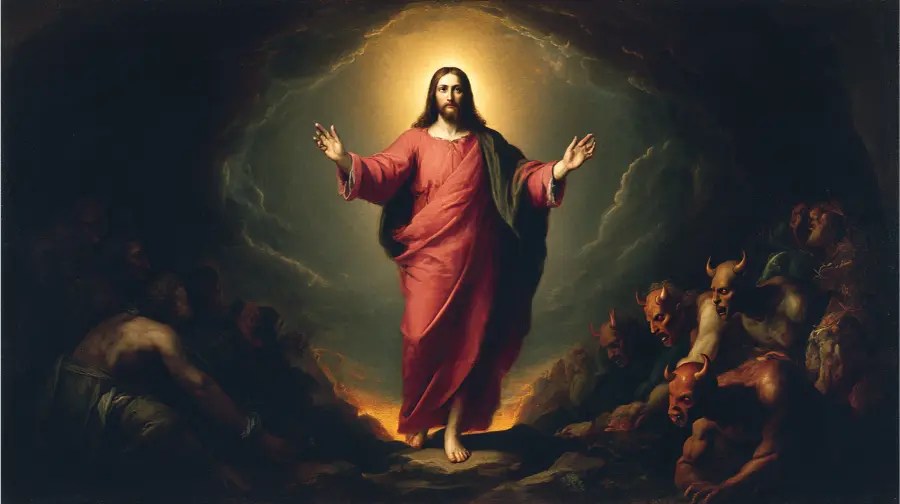
Titus 3:5
“He saved us, not because of righteous things we had done, but because of his mercy. He saved us through the washing of rebirth and renewal by the Holy Spirit.”
Reflection: The verse links washing and rebirth. The reason given for salvation is God’s mercy, not righteous things people had done.
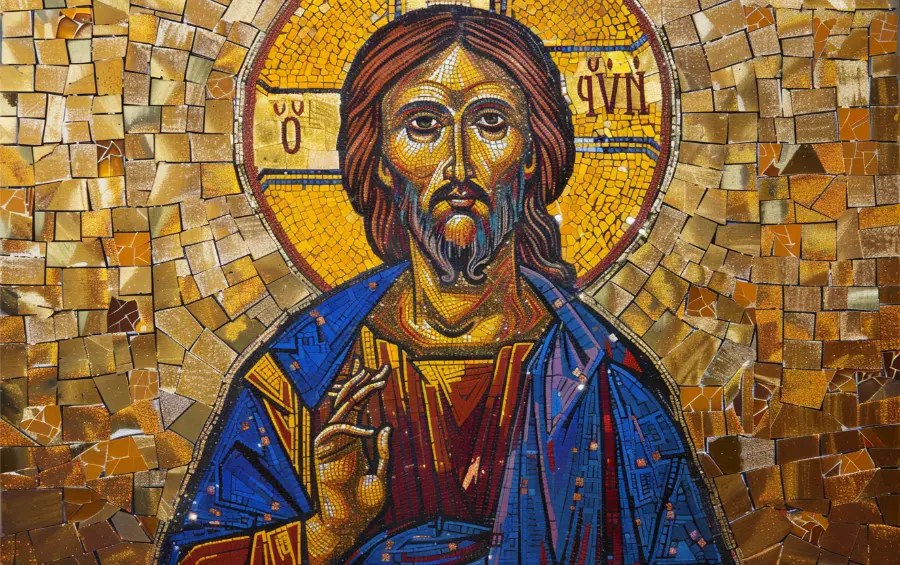
1 Peter 3:21
“And this water symbolizes baptism that now saves you also—not the removal of dirt from the body but the pledge of a clear conscience toward God. It saves you by the resurrection of Jesus Christ.”
Reflection: Peter has just mentioned Noah’s family, eight people saved through water (3:20). He then says baptism saves, and specifies how: not by washing the body, but as a pledge to God, through the resurrection of Jesus.
Water and Spirit
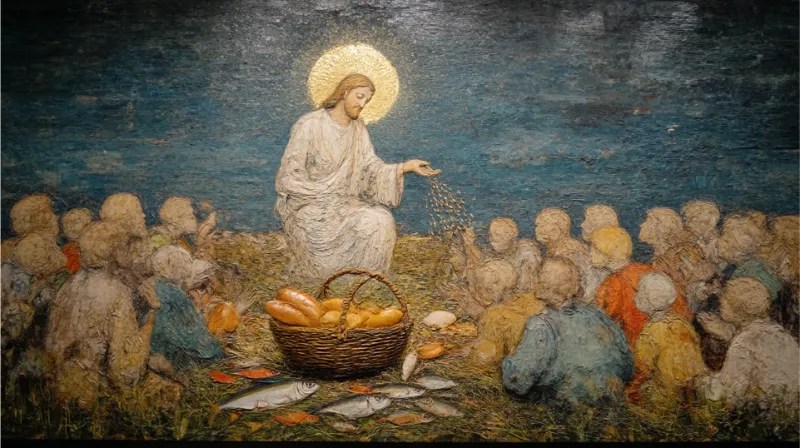
Matthew 3:11
“I baptize you with water for repentance. But after me comes one who is more powerful than I, whose sandals I am not worthy to carry. He will baptize you with the Holy Spirit and fire.”
Reflection: John the Baptist sets his own baptism below the baptism of the one who comes after him. His is with water for repentance; the coming one’s is with the Holy Spirit and fire.
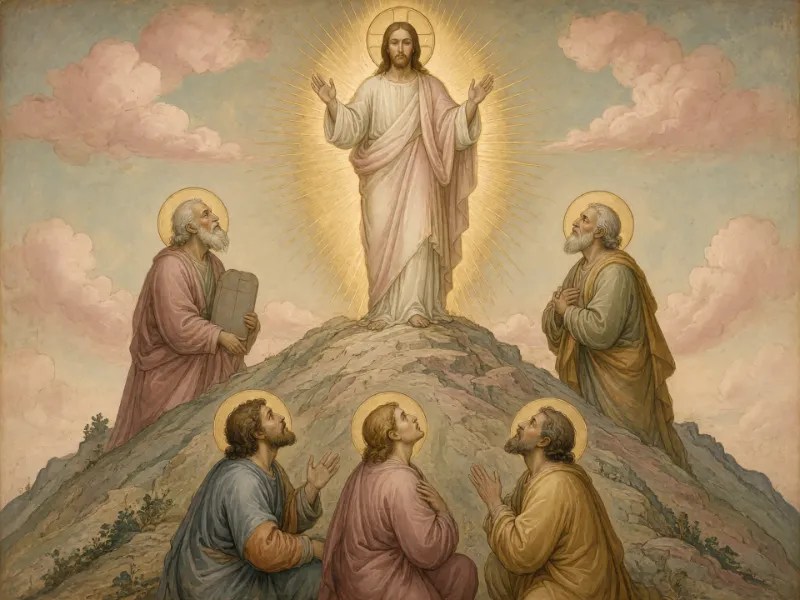
Acts 1:5
“For John baptized with water, but you will be baptized with the Holy Spirit not many days from now.”
Reflection: Jesus repeats John’s contrast as a promise with a near date. The Holy Spirit came at Pentecost (2:1-4), and on that day about three thousand people were baptized (2:41).
One baptism, one body
1 Corinthians 12:13
“For we were all baptized by one Spirit so as to form one body—whether Jews or Gentiles, slave or free—and we were all given the one Spirit to drink.”
Reflection: The purpose Paul gives is to “form one body,” and he names the groups it brings together: Jews and Gentiles, slave and free.
Ephesians 4:4-5
“There is one body and one Spirit—just as you were called to one hope when you were called—one Lord, one faith, one baptism.”
Reflection: Baptism appears in a list of seven things there is only one of: one body, one Spirit, one hope, one Lord, one faith, one baptism, and one God and Father of all (4:6).
1 Corinthians 1:13-14
“Is Christ divided? Was Paul crucified for you? Were you baptized in the name of Paul?”
Reflection: The Corinthians had split into groups, some saying “I follow Paul” and others naming Apollos, Cephas or Christ (1:12). Paul says he is glad he baptized only a few of them, “so no one can say that you were baptized in my name” (1:15).
Who actually got baptised
Acts 2:41
“Those who accepted his message were baptized, and about three thousand were added to their number that day.”
Reflection: About three thousand people were baptized on the day of Pentecost, the same day Peter preached. Luke does not say where the baptisms took place.
Acts 8:12
“But when they believed Philip as he preached good news about the kingdom of God and the name of Jesus Christ, they were baptized, both men and women.”
Reflection: Philip was preaching in a city in Samaria (8:5). Luke notes that both men and women were baptized, and the next verse adds that Simon the sorcerer believed and was baptized too (8:13).
Acts 8:36-38
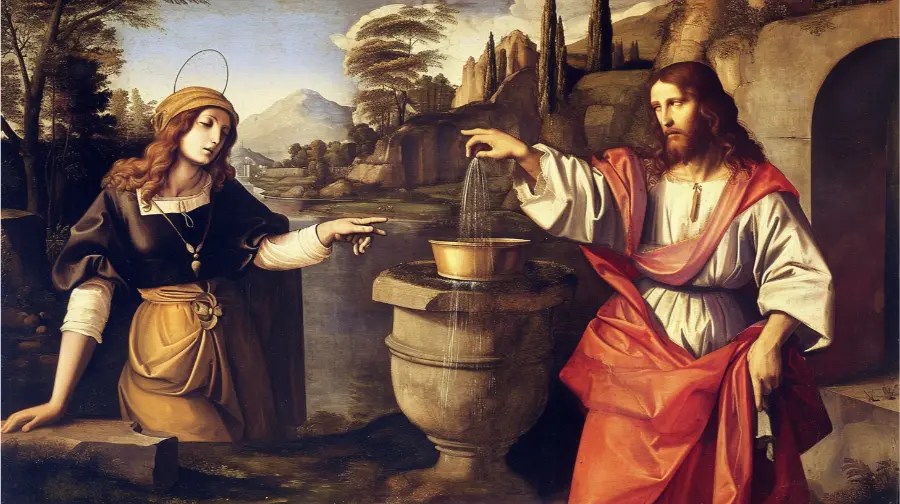
“As they traveled along the road, they came to some water and the eunuch said, ‘Look, here is water. What can stand in the way of my being baptized?’ And he gave orders to stop the chariot. Then both Philip and the eunuch went down into the water and Philip baptized him.”
Reflection: The eunuch was an official in charge of the treasury of the queen of the Ethiopians, returning from worship in Jerusalem (8:27). The law barred eunuchs from the assembly of the Lord (Deuteronomy 23:1), which gives his question its weight. The NIV omits verse 37, which is missing from the earliest manuscripts.
Acts 16:33
“At that hour of the night, the jailer took them and washed their wounds; then immediately he and all his household were baptized.”
Reflection: Paul and Silas had told the jailer, “Believe in the Lord Jesus, and you will be saved—you and your household” (16:31). He washed their wounds, and then he and his household were baptized the same night.
Where Christians genuinely differ
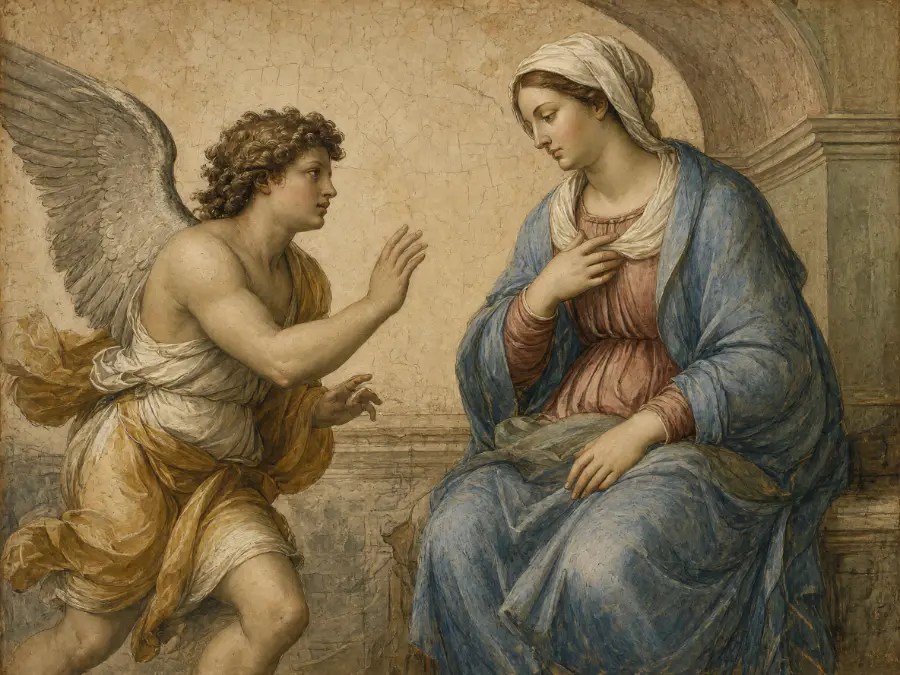
Colossians 2:11-12
“In him you were also circumcised with a circumcision not performed by human hands. Your whole self ruled by the flesh was put off when you were circumcised by Christ, having been buried with him in baptism.”
Reflection: Paul sets baptism beside circumcision, which in Israel was given to infants. Churches that baptize infants read this passage, and the household baptisms in Acts, as signs that baptism belongs to families as well as to individuals.
Mark 16:16
“Whoever believes and is baptized will be saved, but whoever does not believe will be condemned.”
Reflection: Churches that baptize only believers point to the order here, belief and then baptism, and to the pattern in Acts, where faith comes first whenever Luke mentions both. The NIV notes that the earliest manuscripts do not include Mark 16:9-20.
Both readings are held by people who take the text seriously, and the disagreement is old. What neither side argues is that baptism is decorative, or that we may quietly skip it.
If you have not been baptised
Ananias asked Paul, “Why do you wait?” (Acts 22:16), a few days after Paul had set out for Damascus to arrest Christians. Throughout Acts, baptism follows soon after faith.
If you have not been baptized, the practical step is to speak to your own church, which will have a view on when and how. The difference between baptism and christening is a useful place to start. In the New Testament no one baptizes himself; baptism is always received from someone else.


Leave a Reply