
 English
 Chinese
 Dutch
 Arabic
 Spanish
 Portuguese
 Russian
 French
 Italian
 German
 Japanese
The Bible ties boldness to God’s presence and to speaking his word. Joshua is told to be strong and courageous “for the Lord your God is with you wherever you go” (Joshua 1:9). In Acts 4:29-31 the believers, newly threatened by the council, pray for boldness to keep speaking.
Paul asks the Ephesians to pray that he may speak boldly while in chains (Ephesians 6:19-20), and Hebrews 4:16 uses the same word for how a believer approaches God. Acts 4:13, 4:29 and 4:31, Acts 28:31, 2 Corinthians 3:12, Ephesians 3:12 and 6:19, Philippians 1:20, Hebrews 4:16 and 1 John 4:17 use the Greek noun parrhesia, which Thayer’s lexicon defines as “freedom in speaking, unreservedness in speech” and also “free and fearless confidence.” In Philippians 1:20 it is set against being ashamed. In Psalm 138:3 the Hebrew verb is rahab, which Brown-Driver-Briggs renders “thou makest me proud, bold.”
Where courage comes from
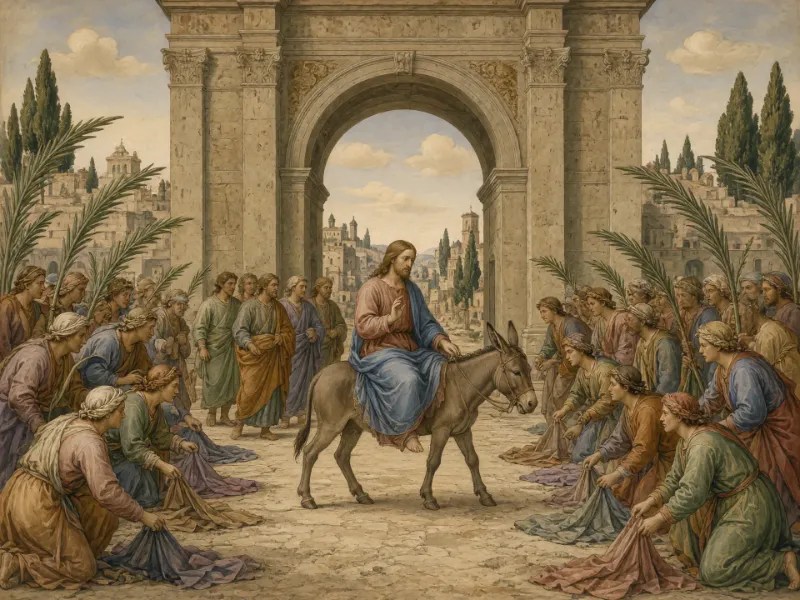
Joshua 1:9
“Have I not commanded you? Be strong and courageous. Do not be frightened, and do not be dismayed, for the LORD your God is with you wherever you go.”
Reflection: God speaks to Joshua as he takes Moses’ place and is about to lead Israel into the land. “Be strong and courageous” comes three times in verses 6 to 9, and Moses had said the same words to the people and to Joshua in Deuteronomy 31:6-7. In verses 7 and 8 the courage is attached to keeping the law: “being careful to do according to all the law that Moses my servant commanded you.” Verse 9 gives the reason: “the Lord your God is with you wherever you go.”
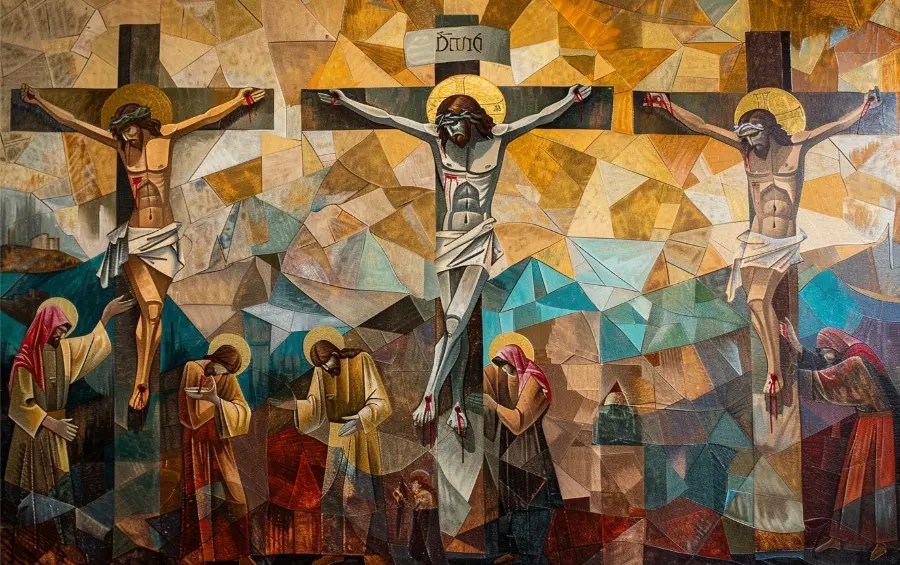
Psalm 27:1
“The LORD is my light and my salvation; whom shall I fear? The LORD is the stronghold of my life; of whom shall I be afraid?”
Reflection: David’s two questions, “whom shall I fear?” and “of whom shall I be afraid?”, are answered by what the Lord is to him: light, salvation and stronghold. Verse 3 applies it to open danger: “Though an army encamp against me, my heart shall not fear; though war arise against me, yet I will be confident.”

Hebrews 13:6
“So we can confidently say, ‘The Lord is my helper; I will not fear; what can man do to me?’”
Reflection: The line is a quotation of Psalm 118:6. The verse before it is about money: “be content with what you have, for he has said, ‘I will never leave you nor forsake you,’” the promise Moses gave Israel in Deuteronomy 31:6. Hebrews draws the confident saying out of that promise, which is why the verse opens with “So.”
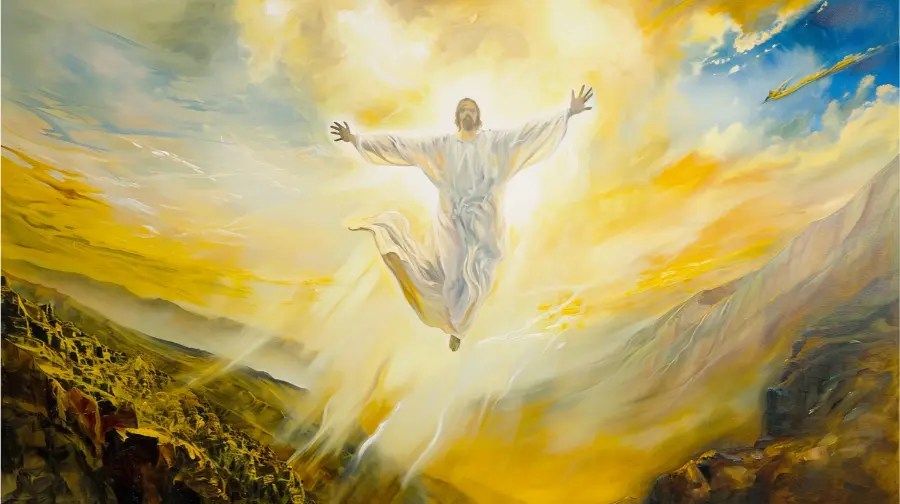
Psalm 138:3
“On the day I called, you answered me; my strength of soul you increased.”
Reflection: The psalmist thanks God for an answered prayer. The Hebrew verb behind “you increased” is rahab, which Brown-Driver-Briggs renders in this verse “thou makest me proud, bold,” and the psalmist places the gift on “the day I called.”
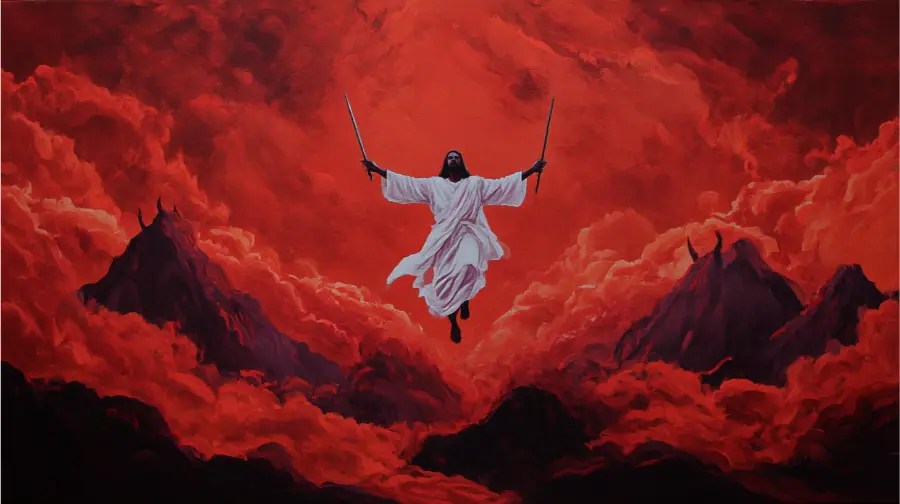
Proverbs 28:1
“The wicked flee when no one pursues, but the righteous are bold as a lion.”
Reflection: The proverb sets two people side by side: the wicked, who run when no one is chasing them, and the righteous, who are as bold as a lion. In Proverbs 28:1 boldness belongs to the righteous person, and fear without a cause to the wicked one.
1 Corinthians 16:13
“Be watchful, stand firm in the faith, act like men, be strong.”
Reflection: Near the end of his first letter to Corinth, Paul gives four short commands: be watchful, stand firm in the faith, act like men, be strong. The command that follows in verse 14 is “Let all that you do be done in love.”
Boldness to speak
Micah 3:8
“But as for me, I am filled with power, with the Spirit of the LORD, and with justice and might, to declare to Jacob his transgression and to Israel his sin.”
Reflection: Micah sets himself against prophets who “cry ‘Peace’ when they have something to eat” and threaten anyone who does not feed them (verse 5). Those prophets will “cover their lips, for there is no answer from God” (verse 7). Micah says he is filled with the Spirit of the Lord “to declare to Jacob his transgression and to Israel his sin.”
Acts 4:13
“Now when they saw the boldness of Peter and John, and perceived that they were uneducated, common men, they were astonished. And they recognized that they had been with Jesus.”
Reflection: Peter has just told the rulers, elders and high priest’s family that the crippled man was healed “by the name of Jesus Christ of Nazareth, whom you crucified,” and that “there is salvation in no one else” (Acts 4:10-12). The council notices the parrhesia, the plain and open speech, of two men they take to be “uneducated, common men.” What they conclude is that Peter and John “had been with Jesus.”
Acts 4:29-31
“And now, Lord, look upon their threats and grant to your servants to continue to speak your word with all boldness, while you stretch out your hand to heal, and signs and wonders are performed through the name of your holy servant Jesus. And when they had prayed, the place in which they were gathered together was shaken, and they were all filled with the Holy Spirit and continued to speak the word of God with boldness.”
Reflection: After the council released Peter and John with threats, the believers prayed together, quoting Psalm 2 about the rulers gathered “against the Lord and against his Anointed.” They asked God to look on the threats and grant them boldness to keep speaking, while he stretched out his hand to heal. Verse 31 records the answer in the terms of the request: they “continued to speak the word of God with boldness.”
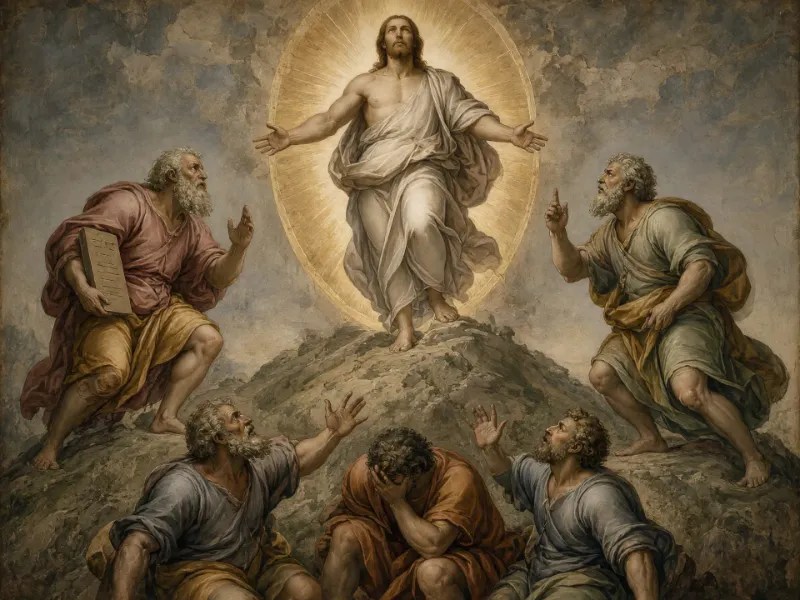
Ephesians 6:19-20
“…and also for me, that words may be given to me in opening my mouth boldly to proclaim the mystery of the gospel, for which I am an ambassador in chains, that I may declare it boldly, as I ought to speak.”
Reflection: Paul ends his call to prayer “for all the saints” (verse 18) with a request for himself. He calls himself “an ambassador in chains” and asks twice, in one sentence, that he may speak boldly. What he asks the Ephesians to pray for is words and boldness.
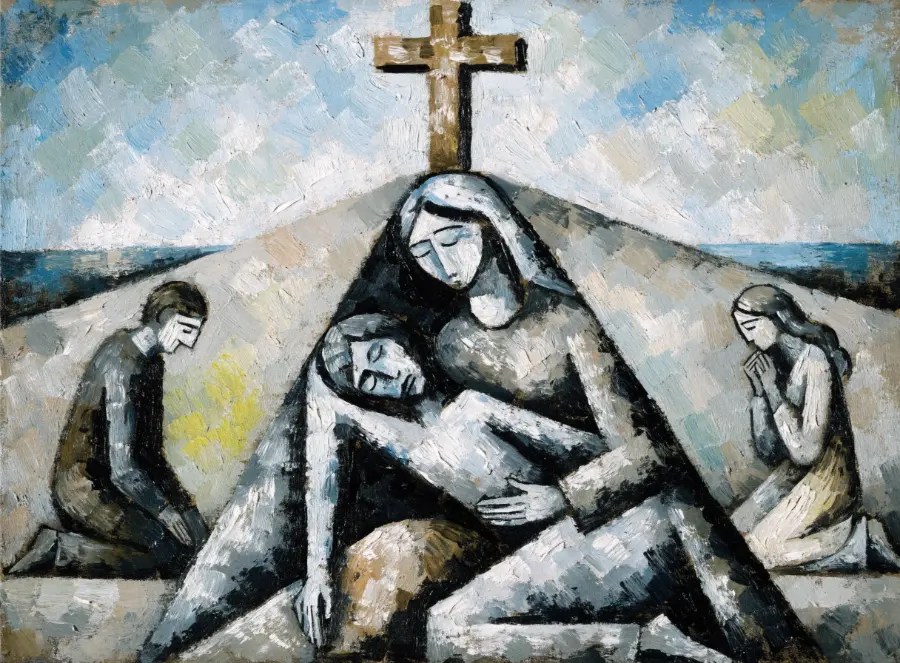
Philippians 1:14
“And most of the brothers, having become confident in the Lord by my imprisonment, are much more bold to speak the word without fear.”
Reflection: Paul writes from prison that his imprisonment has become known “throughout the whole imperial guard” (verse 13). Other believers, seeing it, became “much more bold to speak the word without fear.” He adds in verses 15 to 18 that some of them preach from envy and some from good will, and that he rejoices either way because Christ is proclaimed.

Acts 28:31
“…proclaiming the kingdom of God and teaching about the Lord Jesus Christ with all boldness and without hindrance.”
Reflection: Acts closes with Paul in Rome, living two years at his own expense under guard by a soldier (Acts 28:16, 30). He welcomes everyone who comes and teaches “with all boldness and without hindrance.”
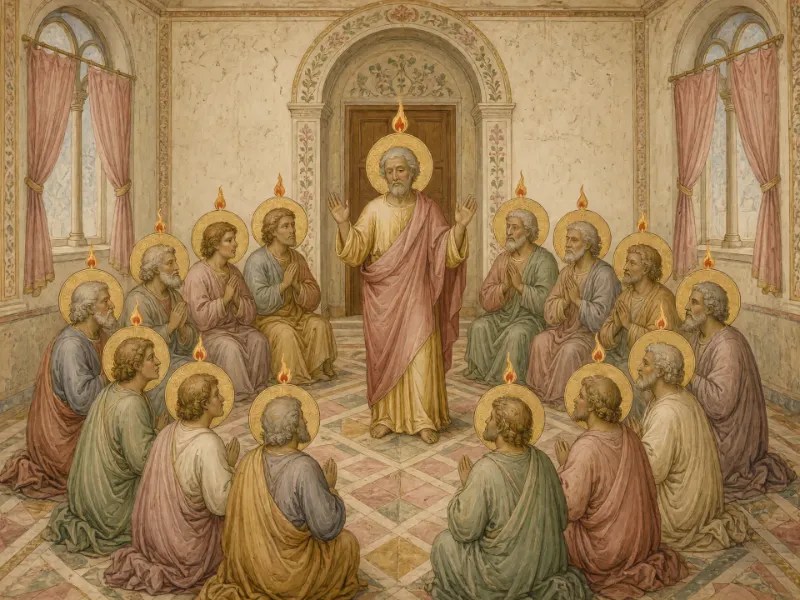
2 Corinthians 3:12
“Since we have such a hope, we are very bold.”
Reflection: Paul contrasts his boldness with Moses, who “would put a veil over his face” (verse 13), and ends the chapter with “we all, with unveiled face, beholding the glory of the Lord” (verse 18).
Not ashamed
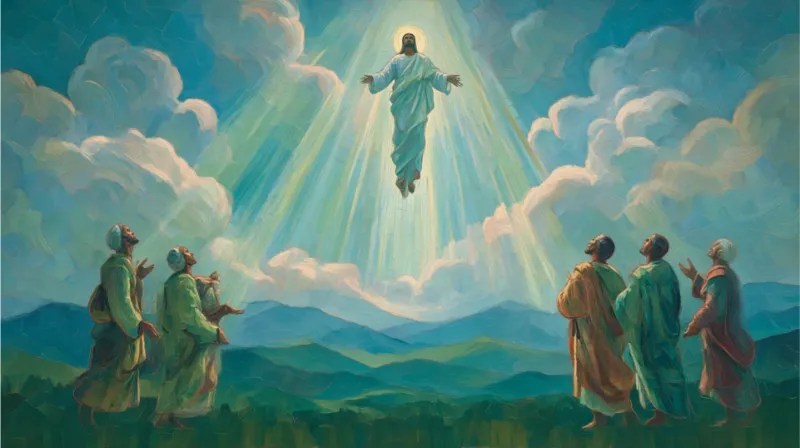
Romans 1:16
“For I am not ashamed of the gospel, for it is the power of God for salvation to everyone who believes…”
Reflection: Paul gives the reason he is not ashamed of the gospel: it is “the power of God for salvation to everyone who believes.” Verse 17 adds that in it “the righteousness of God is revealed from faith for faith.”

2 Timothy 1:7
“For God gave us a spirit not of fear but of power and love and self-control.”
Reflection: Paul reminds Timothy to “fan into flame the gift of God” given through the laying on of hands (verse 6). Verse 8 draws the consequence: “Therefore do not be ashamed of the testimony about our Lord, nor of me his prisoner, but share in suffering for the gospel.”
Philippians 1:20
“…as it is my eager expectation and hope that I will not be at all ashamed, but that with full courage now as always Christ will be honored in my body, whether by life or by death.”
Reflection: Writing from prison, Paul expects deliverance through the Philippians’ prayers (verse 19). “Full courage” translates parrhesia, and he sets it against being ashamed. He wants Christ honoured in his body “whether by life or by death,” and verse 21 explains: “For to me to live is Christ, and to die is gain.”
1 Peter 3:13-14
“Now who is there to harm you if you are zealous for what is good? But even if you should suffer for righteousness’ sake, you will be blessed. Have no fear of them, nor be troubled…”
Reflection: Peter writes to believers who may suffer for doing good. “Have no fear of them” leads into verse 15: honour Christ as holy and be “prepared to make a defense to anyone who asks you for a reason for the hope that is in you.” Verse 15 ends with the manner: “yet do it with gentleness and respect.”
2 Corinthians 5:6-8
“So we are always of good courage. We know that while we are at home in the body we are away from the Lord, for we walk by faith, not by sight. Yes, we are of good courage, and we would rather be away from the body and at home with the Lord.”
Reflection: Paul says twice in three verses that he is “of good courage,” and the subject is death. Being at home in the body means being away from the Lord, and he would rather be “at home with the Lord.” Verse 9 gives the aim either way: “whether we are at home or away, we make it our aim to please him.”
Boldness before God
Hebrews 4:16
“Let us then with confidence draw near to the throne of grace, that we may receive mercy and find grace to help in time of need.”
Reflection: “With confidence” translates meta parrhesias, with boldness. The ground is given in verse 15: a high priest “who in every respect has been tempted as we are, yet without sin,” and who can sympathise with weakness. The believer comes to a throne of grace to receive mercy and help.
Ephesians 3:12
“…in whom we have boldness and access with confidence through our faith in him.”
Reflection: Boldness and access both come “through our faith in him,” that is, in Christ Jesus our Lord (verse 11). Paul follows it at once with a request that the Ephesians “not lose heart over what I am suffering for you” (verse 13).

1 John 4:18
“There is no fear in love, but perfect love casts out fear. For fear has to do with punishment, and whoever fears has not been perfected in love.”
Reflection: The verse before it names the occasion: love is perfected “so that we may have confidence for the day of judgment” (verse 17), and that confidence is parrhesia. John explains fear by what it expects: “fear has to do with punishment.” Love that has been perfected leaves no room for that fear.
Praying for boldness
Acts 4:29 is a prayer for boldness addressed to God, made by believers who had just been threatened, and verse 31 records the answer. Ephesians 6:19-20 is a request to a church to pray that Paul be given boldness, made while he was in chains. Psalm 138:3 thanks God for boldness already given “on the day I called.”


Leave a Reply