
 English
 Chinese
 Dutch
 Arabic
 Spanish
 Portuguese
 Russian
 French
 Italian
 German
 Japanese
The Bible calls the person whose confidence is in God blessed, and sets that person against the one who trusts in human strength. Jeremiah 17:5-8 draws the two as a bush in a salt land and a tree by a stream, and Paul says of his own work, “our competence comes from God” (2 Corinthians 3:5).
In Psalm 27:3 the heart “will not fear” though an army besiege the speaker; in Matthew 6:32 the Father “knows that you need them”; Hebrews 11:1 defines faith as “confidence in what we hope for”; and Hebrews 4:16 and 1 John 5:14 apply the word to coming to God in prayer. In those two verses, and in Ephesians 3:12, the Greek for confidence is parresia, which Strong’s glosses as boldness, confidence, openness and plainness.
Trusting God instead of human strength

Jeremiah 17:7-8
“But blessed is the one who trusts in the Lord, whose confidence is in him. They will be like a tree planted by the water that sends out its roots by the stream. It does not fear when heat comes; its leaves are always green. It has no worries in a year of drought and never fails to bear fruit.”
Reflection: Jeremiah sets this blessing directly after its opposite: “Cursed is the one who trusts in man, who draws strength from mere flesh and whose heart turns away from the Lord” (17:5). That person is a bush in “a salt land where no one lives”; the one who trusts the Lord is a tree with roots by the stream, which “does not fear when heat comes.” Verse 7 uses the verb batach, to trust, and the noun mibtach, trust or confidence.
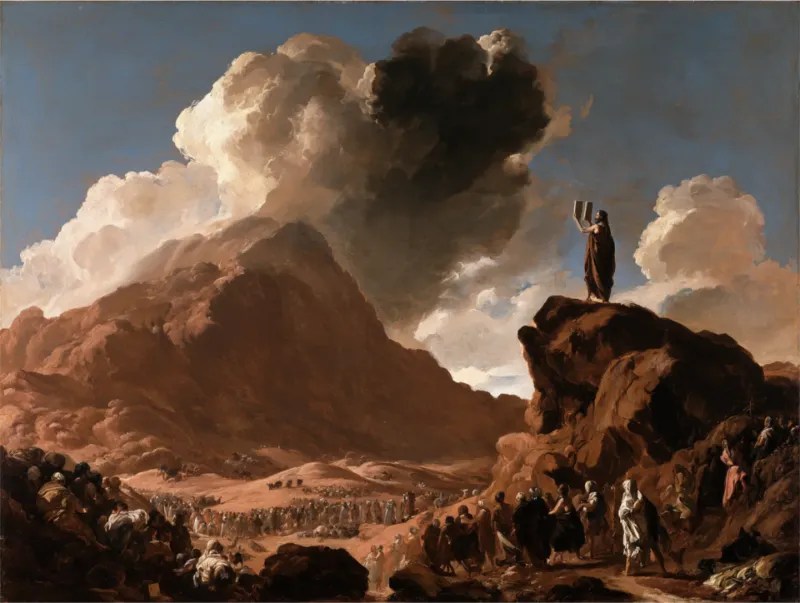
Proverbs 3:5-6
“Trust in the Lord with all your heart and lean not on your own understanding; in all your ways submit to him, and he will make your paths straight.”
Reflection: The verb for trust is batach, the one Jeremiah 17:7 uses. Trust in the Lord is set against leaning on “your own understanding,” and verse 7 carries the contrast on: “Do not be wise in your own eyes; fear the Lord and shun evil.” Straight paths are promised to the one who submits to him “in all your ways.”
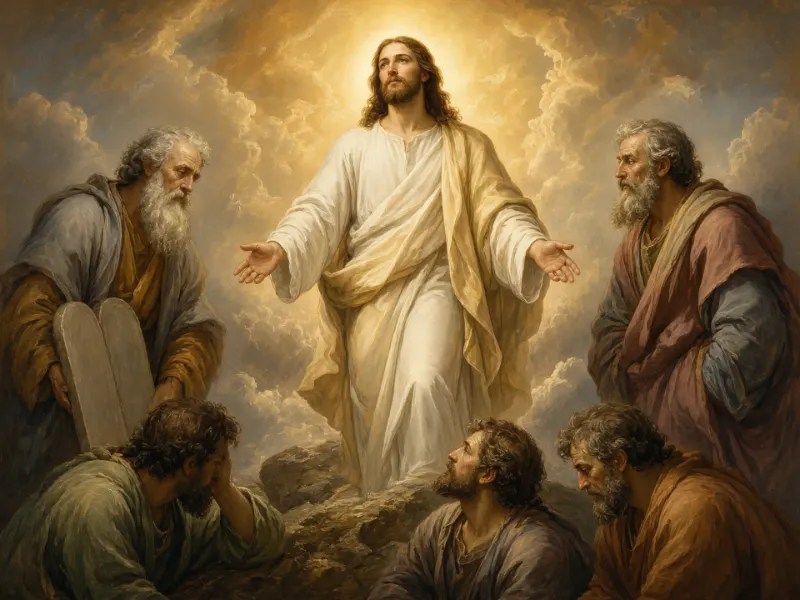
2 Corinthians 3:4-5
“Such confidence we have through Christ before God. Not that we are competent in ourselves to claim anything for ourselves, but our competence comes from God.”
Reflection: Paul has asked whether he needs “letters of recommendation” to the Corinthians (3:1) and answered that the church itself is his letter, “written not with ink but with the Spirit of the living God” (3:3). He then says where his confidence comes from: “through Christ before God,” with no competence of his own to claim. The Greek noun, pepoithesis, means trust or reliance.

2 Corinthians 12:9-10
“But he said to me, ‘My grace is sufficient for you, for my power is made perfect in weakness.’ Therefore I will boast all the more gladly about my weaknesses, so that Christ’s power may rest on me. That is why, for Christ’s sake, I delight in weaknesses, in insults, in hardships, in persecutions, in difficulties. For when I am weak, then I am strong.”
Reflection: Paul had pleaded three times for “a thorn in my flesh” to be taken away (12:7-8), and these words are the answer he records. He does not say what the thorn was; verse 7 says it was given “to keep me from becoming conceited.” His response is to boast of weaknesses, insults, hardships and persecutions, ending, “For when I am weak, then I am strong.”
Confidence in place of fear
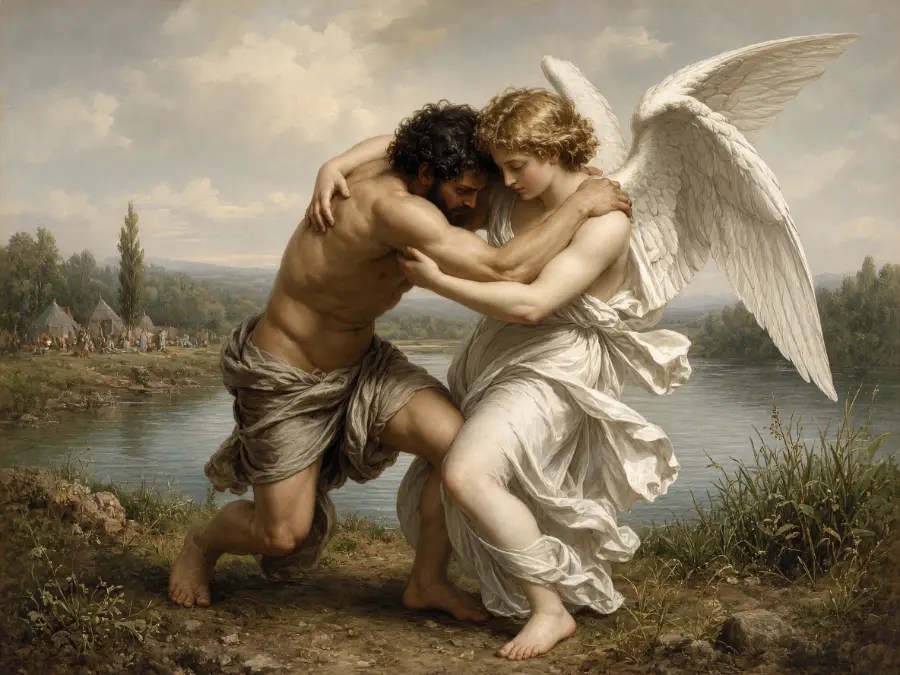
Psalm 27:1
“The Lord is my light and my salvation—whom shall I fear? The Lord is the stronghold of my life—of whom shall I be afraid?”
Reflection: In this psalm headed “Of David,” each question follows a name for the Lord: light, salvation, stronghold. Verse 3 states the confidence outright: “though war break out against me, even then I will be confident.” The psalm comes back to the word near its end, “I remain confident of this: I will see the goodness of the Lord in the land of the living,” and closes, “Wait for the Lord” (27:13-14).
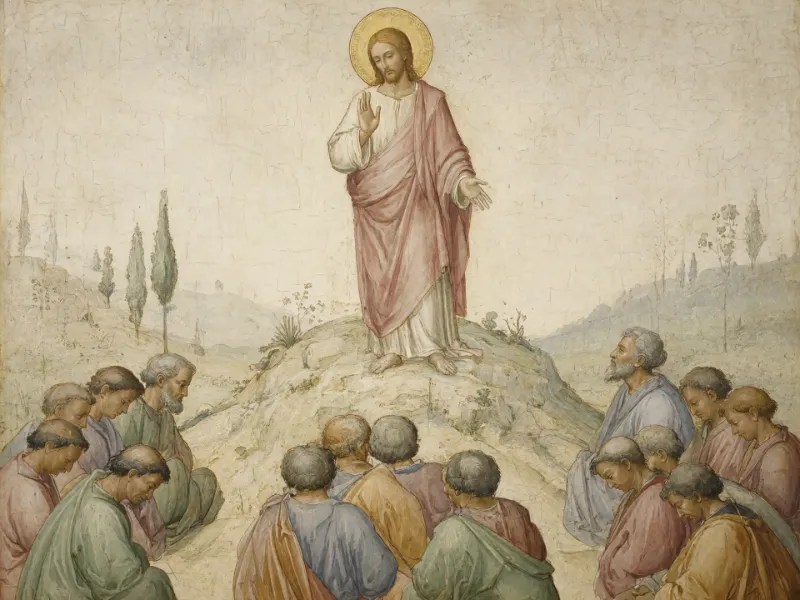
Isaiah 41:10
“So do not fear, for I am with you; do not be dismayed, for I am your God. I will strengthen you and help you; I will uphold you with my righteous right hand.”
Reflection: The Lord speaks to Israel as “my servant, Jacob, whom I have chosen,” the descendants of “Abraham my friend” (41:8). The reason given for not fearing is his presence: “for I am with you.” Four verses later the same people are called “you worm Jacob, little Israel” and told again, “do not fear, for I myself will help you” (41:14).

Joshua 1:9
“Have I not commanded you? Be strong and courageous. Do not be afraid; do not be discouraged, for the Lord your God will be with you wherever you go.”
Reflection: God speaks to Joshua, who is to lead Israel into the land (1:6), and promises, “As I was with Moses, so I will be with you” (1:5). The command to be strong and courageous comes three times in verses 6 to 9, and between them God ties success to keeping “this Book of the Law” and meditating on it “day and night” (1:7-8). The reason verse 9 gives is the Lord’s presence “wherever you go.”

2 Timothy 1:7
“For the Spirit God gave us does not make us timid, but gives us power, love and self-discipline.”
Reflection: Paul writes to Timothy as the Lord’s prisoner (1:8) and has just urged him to “fan into flame the gift of God” given “through the laying on of my hands” (1:6). The next verse sets the Spirit’s power against shame: “So do not be ashamed of the testimony about our Lord or of me.” Paul states his own confidence in 1:12: “I know whom I have believed, and am convinced that he is able to guard what I have entrusted to him until that day.”
Confidence about food, money and daily needs
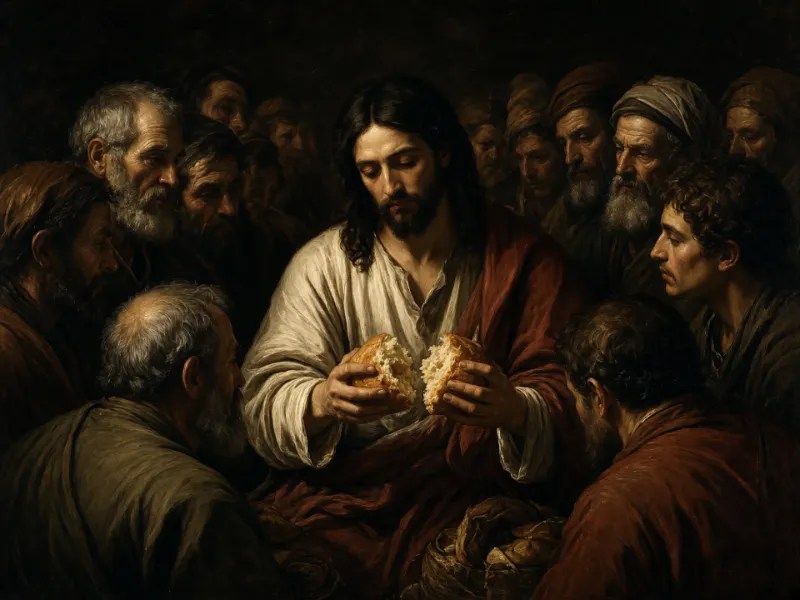
Matthew 6:31-33
“So do not worry, saying, ‘What shall we eat?’ or ‘What shall we drink?’ or ‘What shall we wear?’ For the pagans run after all these things, and your heavenly Father knows that you need them. But seek first his kingdom and his righteousness, and all these things will be given to you as well.”
Reflection: Jesus has pointed to birds that “your heavenly Father feeds” and flowers God clothes, and he addresses the worriers as “you of little faith” (6:26-30). Verse 32 gives the reason not to worry: the Father “knows that you need them.” Seeking “his kingdom and his righteousness” takes the place of worry, and verse 34 limits the concern to the present day: “Each day has enough trouble of its own.”
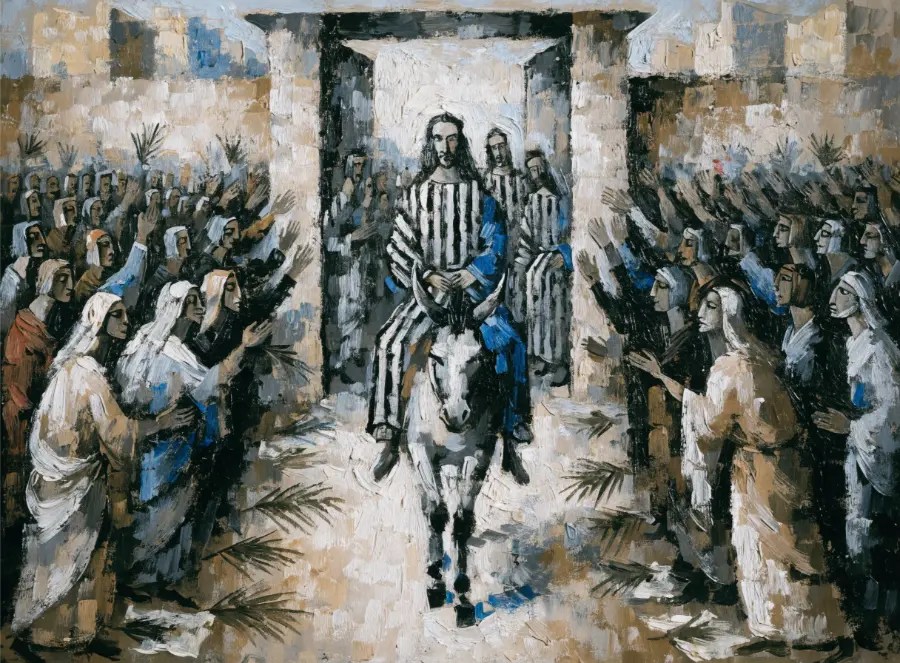
Psalm 23:1
“The Lord is my shepherd, I lack nothing.”
Reflection: David’s psalm names what the shepherd does for the sheep: green pastures, quiet waters, a refreshed soul, the right paths. At verse 4 the psalm stops speaking about the Lord and speaks to him: “Even though I walk through the darkest valley, I will fear no evil, for you are with me.”
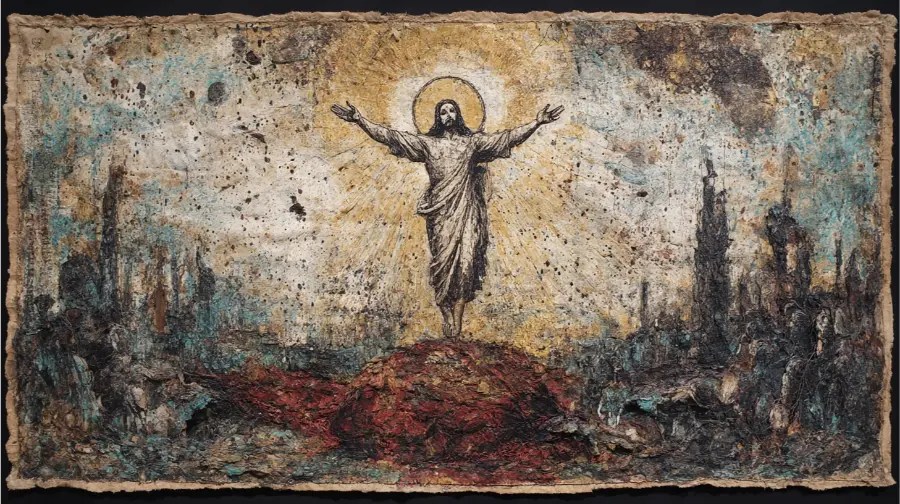
Philippians 4:13
“I can do all this through him who gives me strength.”
Reflection: “All this” points back to the verse before it, where Paul has learned to be content “whether well fed or hungry, whether living in plenty or in want” (4:12). He writes while thanking the Philippians for gifts that Epaphroditus brought (4:10, 4:18), and says he is not speaking “because I am in need.” The strength he names is for contentment in either condition.

Hebrews 13:5-6
“Keep your lives free from the love of money and be content with what you have, because God has said, ‘Never will I leave you; never will I forsake you.’ So we say with confidence, ‘The Lord is my helper; I will not be afraid. What can mere mortals do to me?’”
Reflection: The writer sets contentment against “the love of money” and grounds it in what “God has said,” in words God also says to Joshua (Joshua 1:5; compare Deuteronomy 31:6, 8). “So we say with confidence” introduces a reply in words that match Psalm 118:6, where the NIV has “The Lord is with me” in place of “The Lord is my helper.”
Confidence in what is promised but not yet seen
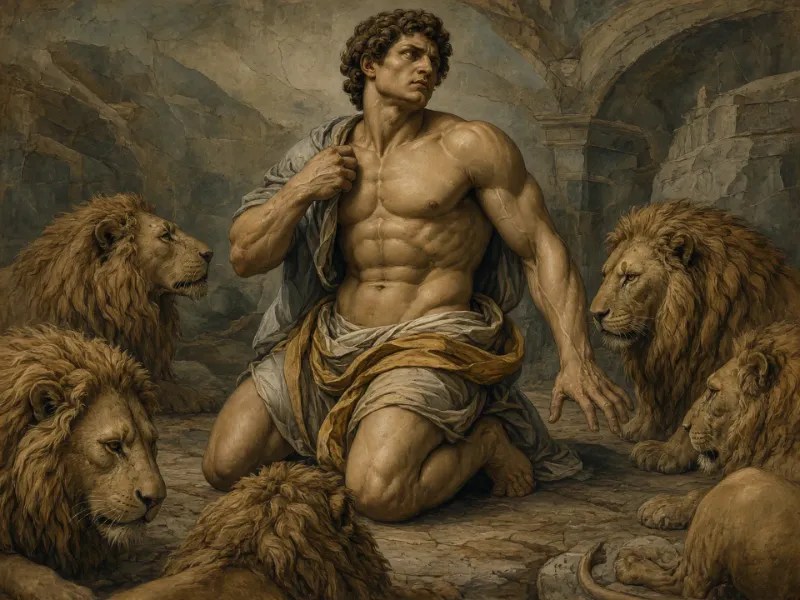
Hebrews 11:1
“Now faith is confidence in what we hope for and assurance about what we do not see.”
Reflection: The chapter opens with this definition and says, “This is what the ancients were commended for” (11:2). Verse 3 gives an example of the second half, assurance about what is not seen: “By faith we understand that the universe was formed at God’s command.” Verse 6 says what anyone who comes to God must believe: “that he exists and that he rewards those who earnestly seek him.”
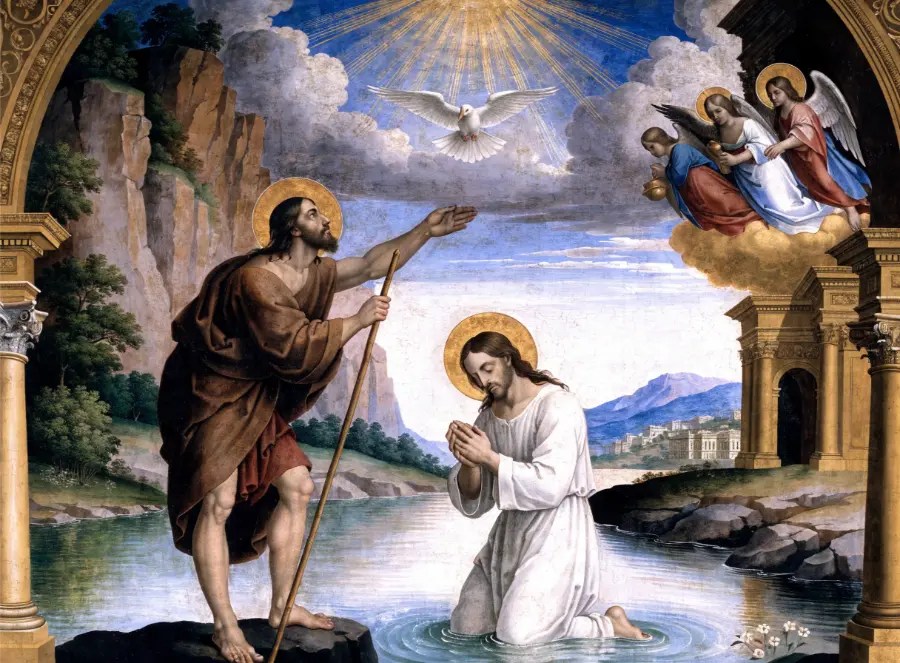
Hebrews 6:19
“We have this hope as an anchor for the soul, firm and secure.”
Reflection: “This hope” rests on God’s promise to Abraham; since “there was no one greater for him to swear by,” God swore by himself (6:13-14). God confirmed the promise with an oath (6:17), “so that, by two unchangeable things in which it is impossible for God to lie, we who have fled to take hold of the hope set before us may be greatly encouraged” (6:18). The anchor reaches “the inner sanctuary behind the curtain,” where Jesus has entered as forerunner and high priest (6:20).
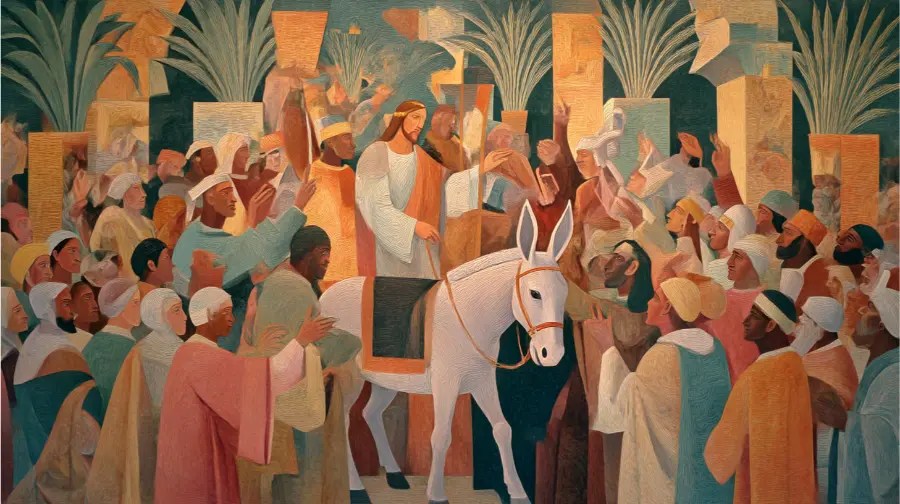
Romans 8:28
“And we know that in all things God works for the good of those who love him, who have been called according to his purpose.”
Reflection: “We know” leads into the end of the chapter, where Paul asks, “If God is for us, who can be against us?” (8:31). He then lists “trouble or hardship or persecution or famine or nakedness or danger or sword” and says that “in all these things we are more than conquerors” (8:35-37). His confidence is stated in 8:38-39: “I am convinced that neither death nor life … will be able to separate us from the love of God that is in Christ Jesus our Lord.”

Jeremiah 29:11
“‘For I know the plans I have for you,’ declares the Lord, ‘plans to prosper you and not to harm you, plans to give you hope and a future.’”
Reflection: The Lord addresses “all those I carried into exile from Jerusalem to Babylon” (29:4), and the verse before this one sets the time: “When seventy years are completed for Babylon, I will come to you.” Until then the exiles are to build houses, plant gardens and “seek the peace and prosperity of the city” (29:5-7). The promise ends with a return “to the place from which I carried you into exile” (29:14).

Isaiah 40:31
“but those who hope in the Lord will renew their strength. They will soar on wings like eagles; they will run and not grow weary, they will walk and not be faint.”
Reflection: Israel has complained, “My way is hidden from the Lord; my cause is disregarded by my God” (40:27). The answer describes the Lord as one who “will not grow tired or weary” and “gives strength to the weary” (40:28-29). Those who hope in him are set beside the youths of verse 30, who “stumble and fall.”
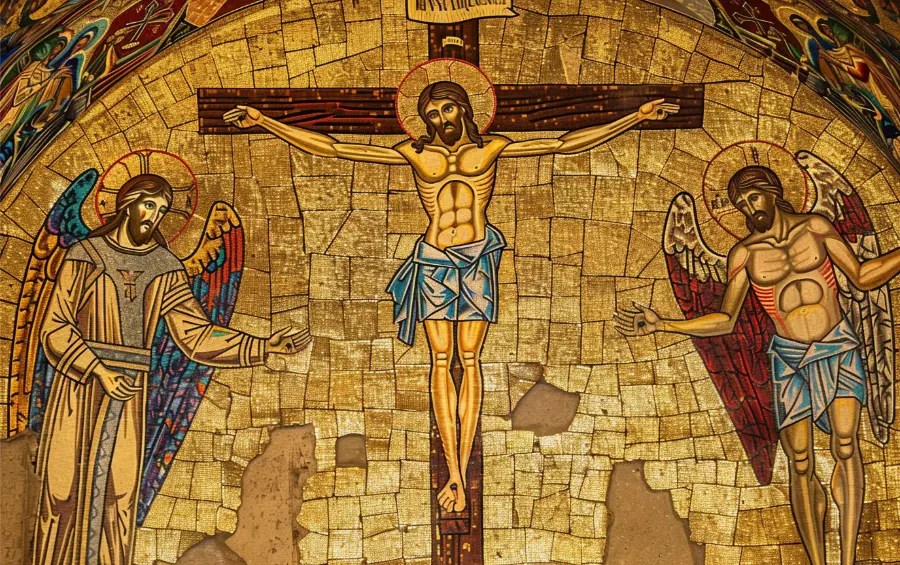
Romans 15:13
“May the God of hope fill you with all joy and peace as you trust in him, so that you may overflow with hope by the power of the Holy Spirit.”
Reflection: Paul ends a chain of four quotations about the Gentiles with Isaiah’s “in him the Gentiles will hope” (15:12). He then names God “the God of hope” and asks that joy and peace fill his readers “as you trust in him.” The overflow of hope comes “by the power of the Holy Spirit.”
Confidence in approaching God
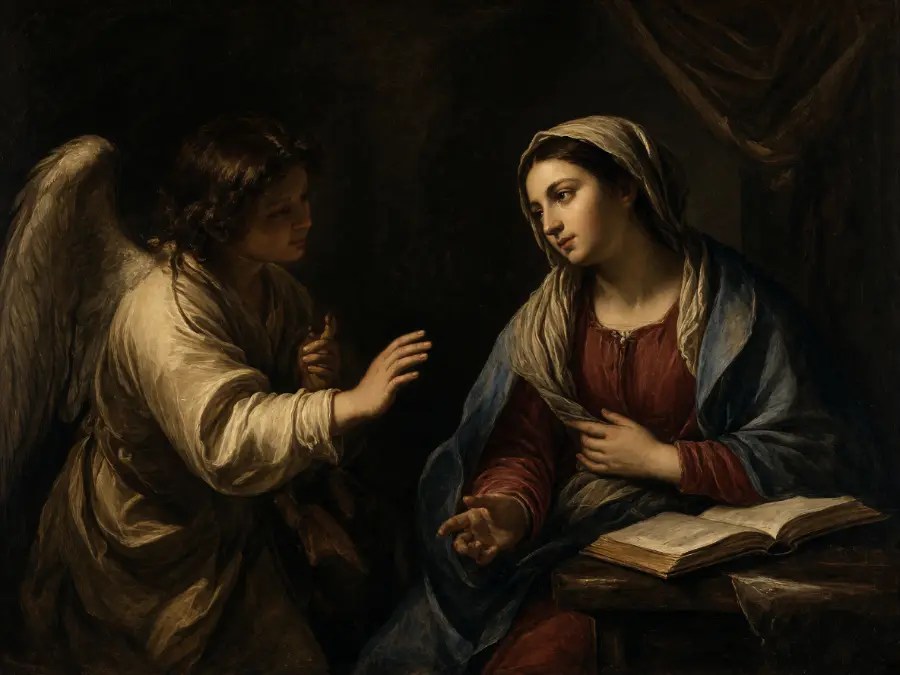
Hebrews 4:16
“Let us then approach God’s throne of grace with confidence, so that we may receive mercy and find grace to help us in our time of need.”
Reflection: “Then” points back to the high priest of 4:14-15, Jesus, who is able “to empathize with our weaknesses” and was “tempted in every way, just as we are—yet he did not sin.” Coming near with confidence is for mercy and for “grace to help us in our time of need.” The Greek is parresia, which Hebrews uses again in 10:35: “So do not throw away your confidence.”

1 John 5:14
“This is the confidence we have in approaching God: that if we ask anything according to his will, he hears us.”
Reflection: John has just said he writes “so that you may know that you have eternal life” (5:13), and he moves from that assurance to prayer. The confidence carries its own limit, “according to his will,” and verse 15 adds, “we know that we have what we asked of him.” The word is parresia again, which John also uses for confidence before God in 1 John 3:21.
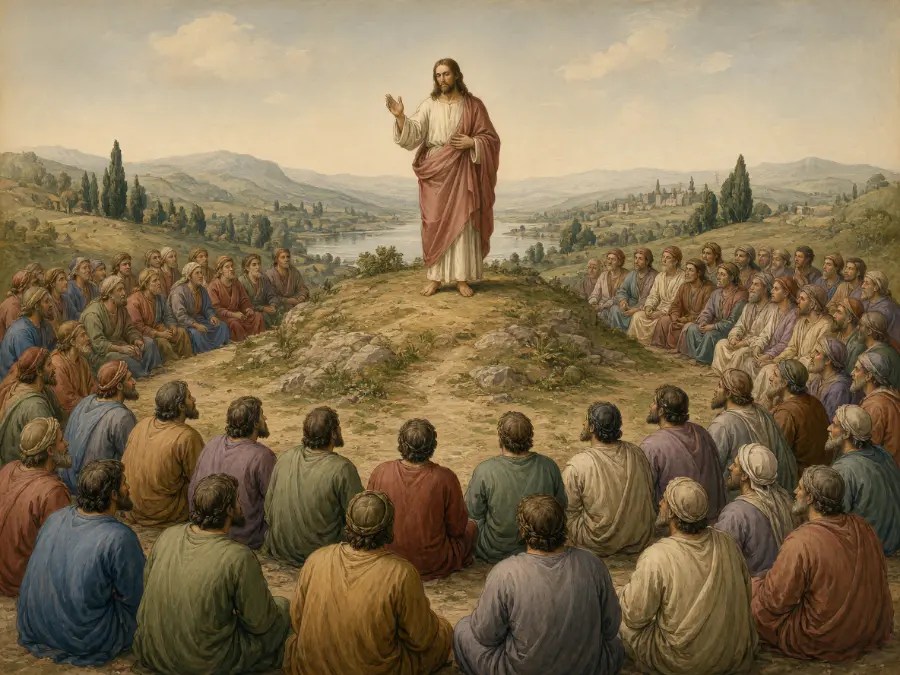
Ephesians 3:12
“In him and through faith in him we may approach God with freedom and confidence.”
Reflection: “In him” is Christ Jesus, named in the verse before: the mystery that “the Gentiles are heirs together with Israel” (3:6) is made known “according to his eternal purpose that he accomplished in Christ Jesus our Lord” (3:11). In the Greek, “freedom” is parresia, which Strong’s Greek 3954 defines as “freedom of speech, confidence,” and “confidence” is pepoithesis, which Strong’s Greek 4006 defines as reliance. Paul, who calls himself “the prisoner of Christ Jesus for the sake of you Gentiles” (3:1), follows the verse by asking the readers “not to be discouraged because of my sufferings for you” (3:13).


Leave a Reply