
 English
 Chinese
 Dutch
 Arabic
 Spanish
 Portuguese
 Russian
 French
 Italian
 German
 Japanese
The Bible treats wine as a gift from God and drunkenness as a sin. Psalm 104:14-15 counts wine among the things God brings from the earth, and Jesus turned water into wine at Cana (John 2:1-11).
Ephesians 5:18 commands “Do not get drunk on wine,” and Paul places drunkards among those who will not inherit the kingdom of God (1 Corinthians 6:9-10). Proverbs 23:29-35 describes what heavy drinking does to a person, Proverbs 31:4-5 and 1 Timothy 3:2-3 hold kings and church leaders to a stricter rule, and Romans 14:21 asks believers to give up wine when drinking it would make another believer fall.
Drunkenness named as sin
Ephesians 5:18
“Do not get drunk on wine, which leads to debauchery. Instead, be filled with the Spirit.”
Reflection: Paul writes to the church at Ephesus within a passage on living “not as unwise but as wise” (5:15). The command sets two states side by side: drunk on wine, or filled with the Spirit. The sentence runs on into what a Spirit-filled gathering does: “speaking to one another with psalms, hymns, and songs from the Spirit.”

1 Corinthians 6:9-10
“Or do you not know that wrongdoers will not inherit the kingdom of God? Do not be deceived: Neither the sexually immoral nor idolaters nor adulterers nor men who have sex with men nor thieves nor the greedy nor drunkards nor slanderers nor swindlers will inherit the kingdom of God.”
Reflection: Drunkards stand in Paul’s list of wrongdoers who “will not inherit the kingdom of God,” beside thieves, the greedy, slanderers and swindlers. The next verse speaks to the church at Corinth directly: “And that is what some of you were. But you were washed, you were sanctified, you were justified.”
Galatians 5:19-21
“The acts of the flesh are obvious: sexual immorality, impurity and debauchery; idolatry and witchcraft; hatred, discord, jealousy, fits of rage, selfish ambition, dissensions, factions and envy; drunkenness, orgies, and the like. I warn you, as I did before, that those who live like this will not inherit the kingdom of God.”
Reflection: Paul’s list of “the acts of the flesh” runs from sexual immorality to drunkenness and orgies. Paul says he is repeating a warning he had given before. The list is set against “the fruit of the Spirit” in the next two verses, which ends with self-control.
Warnings about heavy drinking
Proverbs 20:1
“Wine is a mocker and beer a brawler; whoever is led astray by them is not wise.”
Reflection: The proverb gives wine and beer the character of people: a mocker and a brawler. Its second line places the fault with the person: “whoever is led astray by them is not wise.”
Proverbs 23:20-21
“Do not join those who drink too much wine or gorge themselves on meat, for drunkards and gluttons become poor, and drowsiness clothes them in rags.”
Reflection: One of the sayings addressed to “my son” (23:19). Heavy drinking is paired with gluttony, and the warning is practical: both lead to poverty, and “drowsiness clothes them in rags.”
Proverbs 23:29-35
“Who has woe? Who has sorrow? Who has strife? Who has complaints? Who has needless bruises? Who has bloodshot eyes? Those who linger over wine, who go to sample bowls of mixed wine. Do not gaze at wine when it is red, when it sparkles in the cup, when it goes down smoothly! In the end it bites like a snake and poisons like a viper. Your eyes will see strange sights, and your mind will imagine confusing things. You will be like one sleeping on the high seas, lying on top of the rigging. ‘They hit me,’ you will say, ‘but I’m not hurt! They beat me, but I don’t feel it! When will I wake up so I can find another drink?’”
Reflection: The saying opens with six questions, from “Who has woe?” to “Who has bloodshot eyes?”, and answers them: “Those who linger over wine.” It follows the drinker from wine that “goes down smoothly” to confused sight and a beating he does not feel. It ends with him asking, “When will I wake up so I can find another drink?”
Isaiah 5:11
“Woe to those who rise early in the morning to run after their drinks, who stay up late at night till they are inflamed with wine.”
Reflection: One of a series of woes in Isaiah 5. The next verse sets the drinking beside what the drinkers neglect: at banquets with harps and wine, “they have no regard for the deeds of the Lord.” A later woe in the chapter names “heroes at drinking wine” who “acquit the guilty for a bribe” (5:22-23).
Habakkuk 2:15
“Woe to him who gives drink to his neighbors, pouring it from the wineskin till they are drunk, so that he can gaze on their naked bodies!”
Reflection: Part of a series of woes in Habakkuk 2. The wrong here is getting a neighbour drunk in order to shame him. The next verse turns the same act on the one who poured: “Now it is your turn! Drink and let your nakedness be exposed!”
Rules for kings, church leaders and older believers
Proverbs 31:4-5
“It is not for kings, Lemuel—it is not for kings to drink wine, not for rulers to crave beer, lest they drink and forget what has been decreed, and deprive all the oppressed of their rights.”
Reflection: These are the words King Lemuel’s mother taught him (31:1). Wine is kept from rulers for a stated reason: a king who drinks may forget the law and deny the oppressed their rights. The next two verses give strong drink to “those who are perishing” and “in anguish,” so that they may “remember their misery no more.”
1 Timothy 3:2-3
“Now the overseer is to be above reproach, faithful to his wife, temperate, self-controlled, respectable, hospitable, able to teach, not given to drunkenness, not violent but gentle, not quarrelsome, not a lover of money.”
Reflection: Paul lists what an overseer must be, and “not given to drunkenness” stands beside “temperate” and “self-controlled.” Deacons in 3:8 must not be “indulging in much wine,” and Titus 1:7 repeats the requirement for overseers in almost the same words.
Titus 2:2-3
“Teach the older men to be temperate, worthy of respect, self-controlled, and sound in faith, in love and in endurance. Likewise, teach the older women to be reverent in the way they live, not to be slanderers or addicted to much wine, but to teach what is good.”
Reflection: Paul tells Titus what to teach older men and older women. The men are to be temperate; the women are not to be “addicted to much wine” but are “to teach what is good.”
Wine as a gift
Psalm 104:14-15
“He makes grass grow for the cattle, and plants for people to cultivate—bringing forth food from the earth: wine that gladdens human hearts, oil to make their faces shine, and bread that sustains their hearts.”
Reflection: The psalm praises God for providing for every creature: water for wild donkeys, grass for cattle, plants for people. Wine appears with oil and bread among what God brings “forth … from the earth,” and the psalm names what it is for: it “gladdens human hearts.”
Deuteronomy 14:26
“Use the silver to buy whatever you like: cattle, sheep, wine or other fermented drink, or anything you wish. Then you and your household shall eat there in the presence of the Lord your God and rejoice.”
Reflection: A law about the yearly tithe. An Israelite living too far from the place of worship could exchange the tithe for silver and spend it there on “wine or other fermented drink,” to eat and rejoice before the Lord. Verse 23 gives the purpose of the tithe meal: “so that you may learn to revere the Lord your God always.”
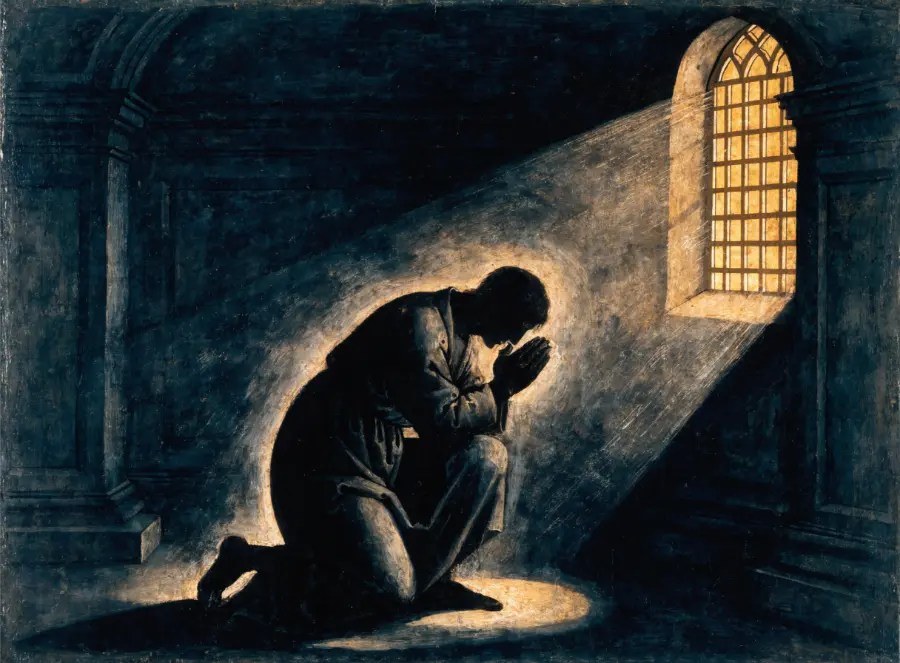
Ecclesiastes 9:7
“Go, eat your food with gladness, and drink your wine with a joyful heart, for God has already approved what you do.”
Reflection: The Teacher writes this after observing that the dead “have no further reward” (9:5). Eating, drinking wine with a joyful heart, wearing white and enjoying life with one’s wife are set out as the lot God gives “under the sun” (9:9).
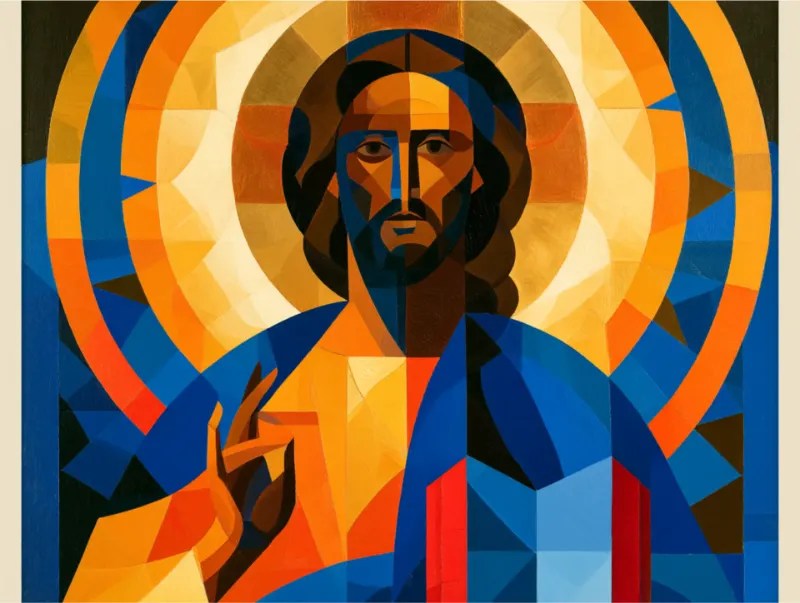
John 2:11
“What Jesus did here in Cana of Galilee was the first of the signs through which he revealed his glory; and his disciples believed in him.”
Reflection: The wine at a wedding in Cana ran out, and Jesus had six stone jars, each holding twenty to thirty gallons, filled with water that the master of the banquet then tasted as wine (2:6-9). The master, who did not know where it had come from, told the bridegroom, “you have saved the best till now” (2:10), contrasting it with the cheaper wine usually served after the guests “have had too much to drink.” Verse 11 counts the event the first of Jesus’ signs.
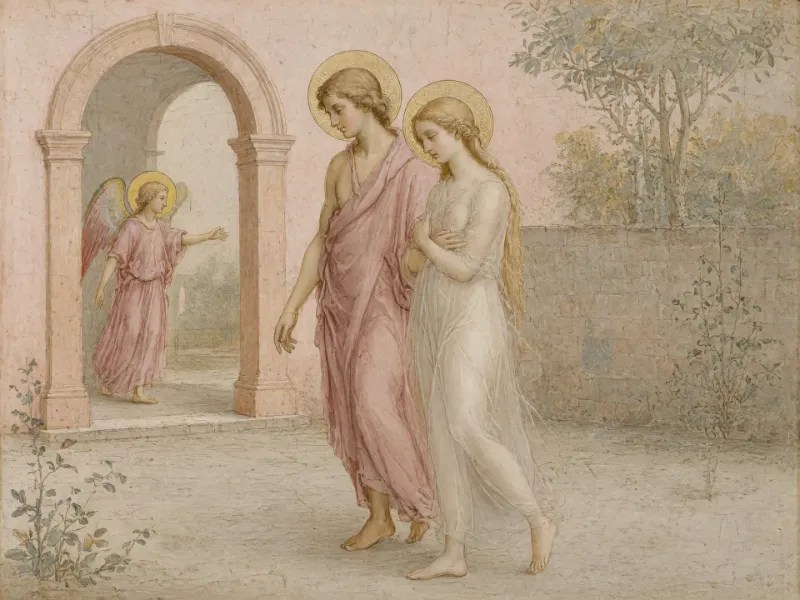
Luke 7:33-34
“For John the Baptist came neither eating bread nor drinking wine, and you say, ‘He has a demon.’ The Son of Man came eating and drinking, and you say, ‘Here is a glutton and a drunkard, a friend of tax collectors and sinners.’”
Reflection: Jesus contrasts John the Baptist, who did not drink wine, with himself. People dismissed John as having a demon and Jesus as “a glutton and a drunkard.” Jesus repeats the charge against himself, and it ties his eating and drinking to the company he kept: “a friend of tax collectors and sinners.”
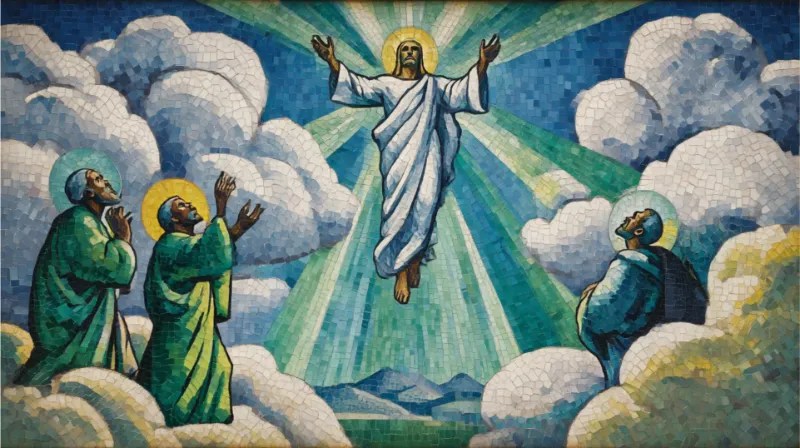
1 Timothy 5:23
“Stop drinking only water, and use a little wine because of your stomach and your frequent illnesses.”
Reflection: Personal advice from Paul to Timothy. Timothy had been drinking only water, and Paul tells him to take “a little wine” for “your stomach and your frequent illnesses.”
Drinking and another person’s conscience
Romans 14:21
“It is better not to eat meat or drink wine or to do anything else that will cause your brother or sister to fall.”
Reflection: Paul writes to a church divided over what may be eaten. He is “fully persuaded in the Lord Jesus, that nothing is unclean in itself” (14:14), and still counts it better to give up meat or wine than to make a brother or sister fall. Verse 22 adds, “So whatever you believe about these things keep between yourself and God.”
1 Corinthians 10:31
“So whether you eat or drink or whatever you do, do it all for the glory of God.”
Reflection: The question in 1 Corinthians 10 is meat that has been “offered in sacrifice” (10:28), and Paul’s answer turns on the other person’s conscience. The verse widens the rule to every meal and every drink: whatever a believer does is to be done “for the glory of God.”
Staying sober while the day comes
Romans 13:13
“Let us behave decently, as in the daytime, not in carousing and drunkenness, not in sexual immorality and debauchery, not in dissension and jealousy.”
Reflection: Paul writes that “the night is nearly over; the day is almost here” (13:12), and carousing and drunkenness belong with the deeds of darkness. The next verse gives the alternative: “clothe yourselves with the Lord Jesus Christ.”
1 Thessalonians 5:6-8
“So then, let us not be like others, who are asleep, but let us be awake and sober. For those who sleep, sleep at night, and those who get drunk, get drunk at night. But since we belong to the day, let us be sober, putting on faith and love as a breastplate, and the hope of salvation as a helmet.”
Reflection: Paul takes the ordinary fact that people get drunk at night and applies it to the church in Thessalonica, who “belong to the day.” Being sober here means being awake for the day of the Lord, which should not “surprise you like a thief” (5:4). The armour Paul names is faith, love and the hope of salvation.

Luke 12:45-46
“But suppose the servant says to himself, ‘My master is taking a long time in coming,’ and he then begins to beat the other servants, both men and women, and to eat and drink and get drunk. The master of that servant will come on a day when he does not expect him and at an hour he is not aware of. He will cut him to pieces and assign him a place with the unbelievers.”
Reflection: In Jesus’ parable of the manager left in charge of the household, the servant who decides “My master is taking a long time in coming” beats the other servants and gets drunk. The master returns on a day the servant does not expect and assigns him “a place with the unbelievers.”
Abstaining by vow, and the rules churches draw
The Bible describes voluntary abstinence as well as drinking. Under the Nazirite vow in Numbers 6:3, a man or woman “must abstain from wine and other fermented drink” for as long as the vow lasts. Romans 14:21 gives a believer a reason to give up wine for someone else’s sake.
Churches draw different rules from these texts. The Catechism of the Catholic Church treats alcohol under the virtue of temperance, which “disposes us to avoid every kind of excess,” and says that “those incur grave guilt who, by drunkenness or a love of speed, endanger their own and others’ safety on the road, at sea, or in the air” (paragraph 2290). The Southern Baptist Convention’s 2006 resolution on alcohol expressed “total opposition to the manufacturing, advertising, distributing, and consuming of alcoholic beverages.”


Leave a Reply