
 English
 Chinese
 Dutch
 Arabic
 Spanish
 Portuguese
 Russian
 French
 Italian
 German
 Japanese
The Bible says God is with his people: he goes with them, lives among them and in them, and will be with them forever. The promise runs from “My presence will go with you” (Exodus 33:14) through the name Immanuel, “God with us” (Matthew 1:23), to “God himself will be with them” (Revelation 21:3).
The promise often comes with a command not to fear. Moses tells Israel, “Do not fear or be in dread of them, for it is the Lord your God who goes with you” (Deuteronomy 31:6). Through Isaiah God tells Israel, “Fear not, for I am with you” (Isaiah 43:5), and in a vision he tells Paul, “Do not be afraid … for I am with you” (Acts 18:9-10). Psalm 23:4 says it in the speaker’s own voice: “I will fear no evil, for you are with me.”
When God promises to go with his people
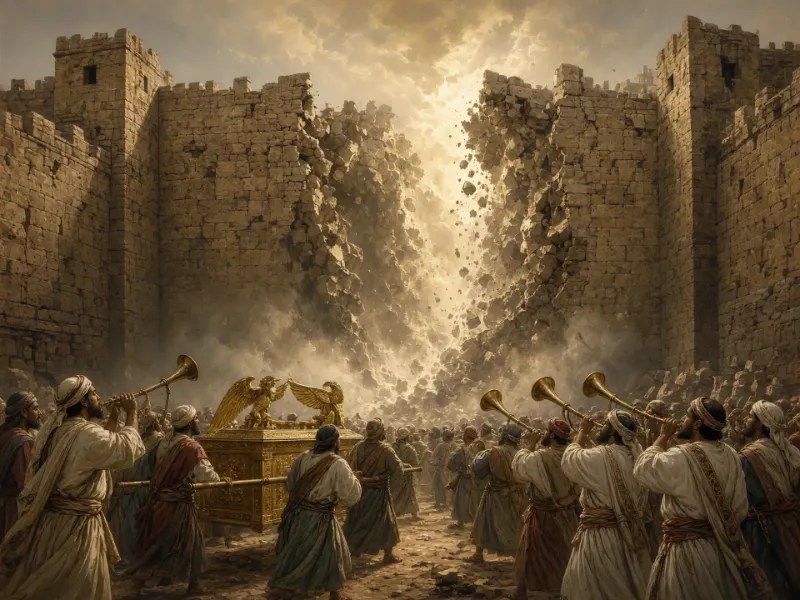
Exodus 33:14
“And he said, ‘My presence will go with you, and I will give you rest.’”
Reflection: God had told Moses to lead the people on to the promised land but said, “I will not go up among you, lest I consume you on the way, for you are a stiff-necked people” (33:3). Moses pleads, and this is the answer. Moses presses further: “If your presence will not go with me, do not bring us up from here,” because God’s going with them is what makes them “distinct … from every other people on the face of the earth” (33:15-16). The Hebrew word for presence is panim, face, the word behind the Lord speaking with Moses “face to face” (33:11) and telling him “you cannot see my face” (33:20).
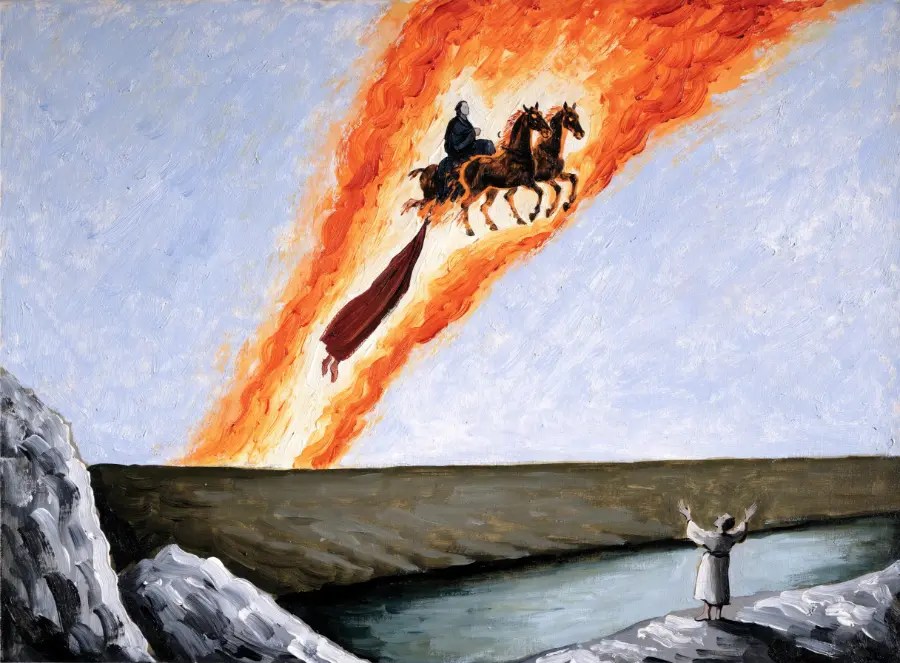
Deuteronomy 31:6
“Be strong and courageous. Do not fear or be in dread of them, for it is the Lord your God who goes with you. He will not leave you or forsake you.”
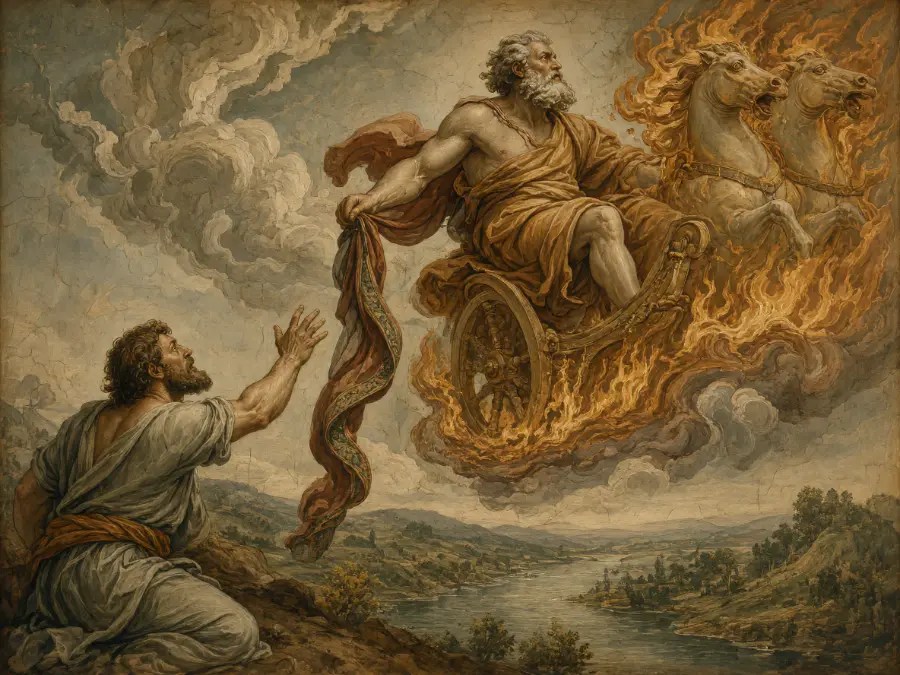
Reflection: Moses says this to all Israel at the age of 120, after the Lord has told him, “You shall not go over this Jordan” (31:2). The leader is staying behind, but “the Lord your God himself will go over before you” (31:3). Two verses later Moses gives the same promise to Joshua in the sight of all Israel, and Hebrews 13:5 repeats it to its readers, “I will never leave you nor forsake you,” as the reason to be content with what they have.

Joshua 1:9
“Have I not commanded you? Be strong and courageous. Do not be frightened, and do not be dismayed, for the Lord your God is with you wherever you go.”
Reflection: The Lord speaks to Joshua after the death of Moses, telling him to “go over this Jordan” with the people (1:1-2). Earlier in the same speech he says, “Just as I was with Moses, so I will be with you. I will not leave you or forsake you” (1:5), the promise Moses had given Joshua in Deuteronomy 31:8. The courage asked of Joshua is tied to the law: “This Book of the Law shall not depart from your mouth, but you shall meditate on it day and night” (1:8).

Isaiah 43:2
“When you pass through the waters, I will be with you; and through the rivers, they shall not overwhelm you; when you walk through fire you shall not be burned, and the flame shall not consume you.”
Reflection: God speaks to Israel, whom the chapter’s first verse also calls Jacob: “Fear not, for I have redeemed you; I have called you by name, you are mine” (43:1). The people are expected to go through waters and fire; what is promised is that the rivers will not overwhelm them and the flame will not consume them. Verse 5 repeats the promise, “Fear not, for I am with you,” and adds that God will bring Israel’s offspring “from the east” and gather them “from the west.”
Immanuel: God with us in Jesus
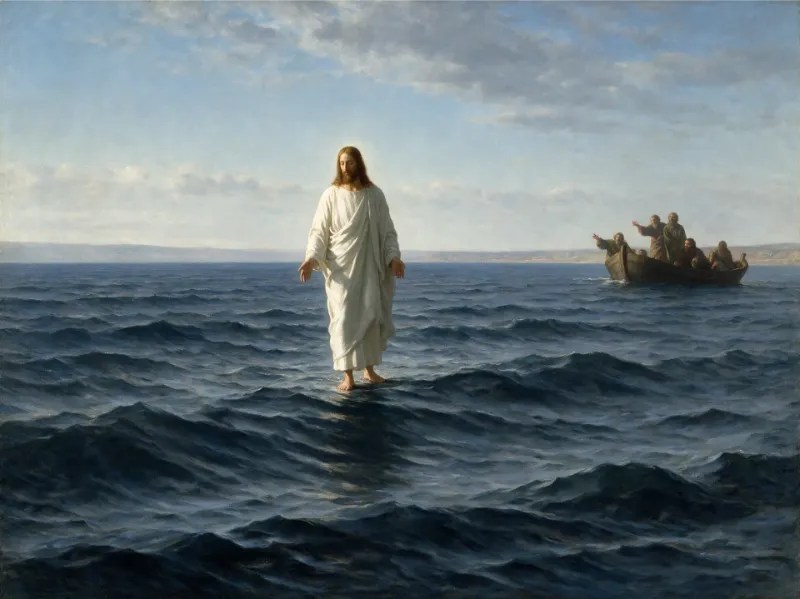
Matthew 1:23
“Behold, the virgin shall conceive and bear a son, and they shall call his name Immanuel” (which means, God with us).
Reflection: An angel tells Joseph in a dream to take Mary as his wife and to name her son Jesus, “for he will save his people from their sins” (1:21). Matthew then quotes Isaiah 7:14, a sign first given to Ahaz of the house of David after he refused to ask for one (Isaiah 7:10-13). Matthew translates the name for his readers himself: Immanuel means “God with us.”
Matthew 18:20
“For where two or three are gathered in my name, there am I among them.”
Reflection: The promise comes at the end of Jesus’ instructions for when a brother sins: go to him alone, then with “one or two others,” then to the church (18:15-17). Verse 19 adds that “if two of you agree on earth about anything they ask, it will be done for them by my Father in heaven.” The two or three gathered in Jesus’ name are disciples settling a wrong and praying together, and he promises to be among them as they do it.
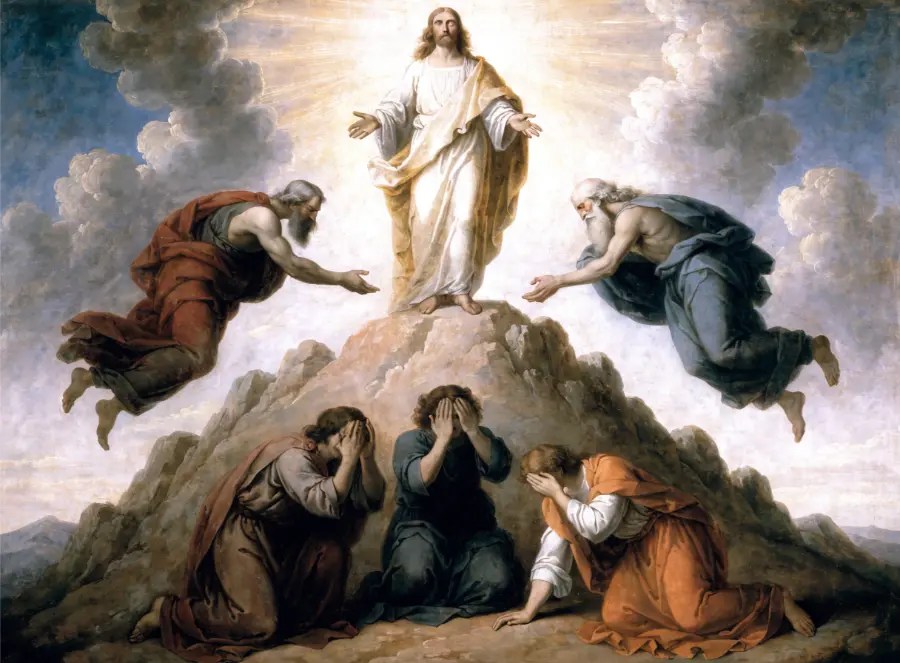
Matthew 28:20
“Teaching them to observe all that I have commanded you. And behold, I am with you always, to the end of the age.”
Reflection: The risen Jesus speaks to the eleven disciples on a mountain in Galilee, where “they worshiped him, but some doubted” (28:17). The promise is attached to a task: make disciples of all nations, baptize them, and teach them to observe what he commanded. Matthew’s Gospel, which opened with the name Immanuel, “God with us” (1:23), closes with this sentence, and “to the end of the age” sets how long the promise lasts.
When God lives in his people
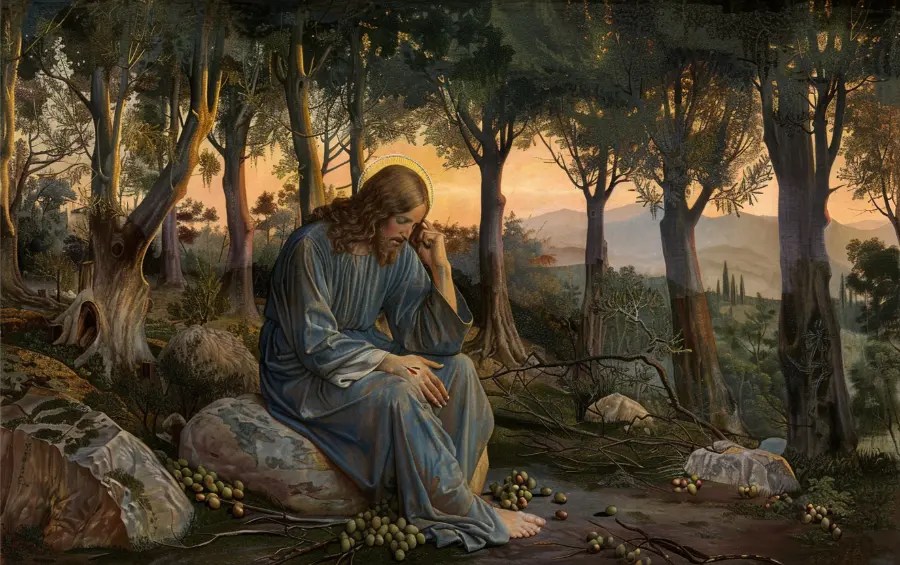
John 14:16-17
“And I will ask the Father, and he will give you another Helper, to be with you forever, even the Spirit of truth, whom the world cannot receive, because it neither sees him nor knows him. You know him, for he dwells with you and will be in you.”
Reflection: Jesus is at supper with his disciples (John 13:2), preparing them for his going away: “These things I have spoken to you while I am still with you” (14:25). He calls the Spirit “another Helper,” one who will stay “forever,” and says the Spirit “dwells with you and will be in you.” The next verse adds, “I will not leave you as orphans; I will come to you,” and verse 23 promises that whoever loves Jesus and keeps his word will have the Father and the Son with him: “we will come to him and make our home with him.”

1 Corinthians 3:16
“Do you not know that you are God’s temple and that God’s Spirit dwells in you?”
Reflection: Paul is writing to a church split into parties, one saying “I follow Paul,” another “I follow Apollos” (3:4), and he has just called them “God’s field, God’s building” (3:9). The temple in this verse is the congregation, and verse 17 warns, “If anyone destroys God’s temple, God will destroy him.” Three chapters later Paul applies the same image to each believer: “your body is a temple of the Holy Spirit within you” (6:19).
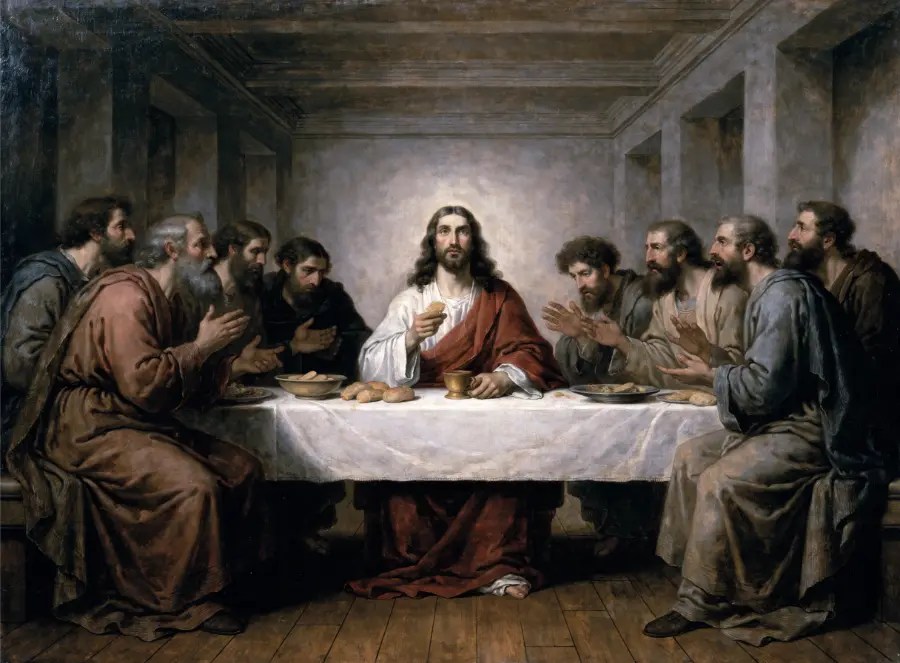
2 Corinthians 6:16
“What agreement has the temple of God with idols? For we are the temple of the living God; as God said, ‘I will make my dwelling among them and walk among them, and I will be their God, and they shall be my people.’”
Reflection: The question belongs to Paul’s warning, “Do not be unequally yoked with unbelievers” (6:14). The promise he quotes joins words from Leviticus 26:11-12, “I will make my dwelling among you … And I will walk among you and will be your God,” with Ezekiel 37:27, “My dwelling place shall be with them.” Promises made to Israel in the law and through Ezekiel are applied to a church in Corinth: “we are the temple of the living God.”
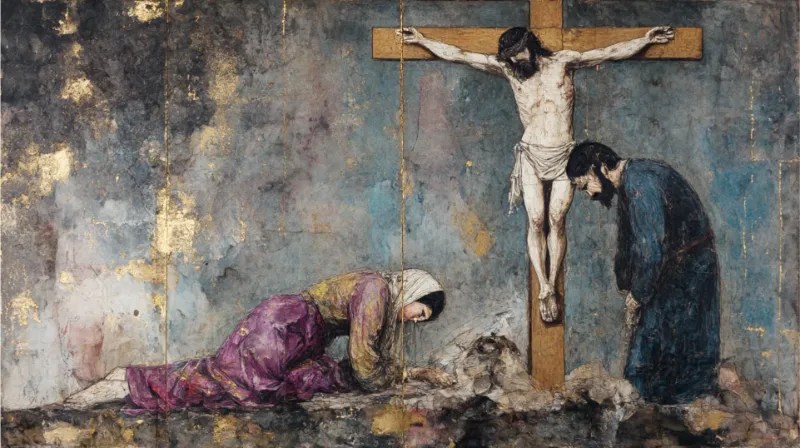
Ephesians 3:17
“So that Christ may dwell in your hearts through faith—that you, being rooted and grounded in love …”
Reflection: The verse is part of a prayer. Paul writes, “I bow my knees before the Father” (3:14), and asks that his readers be strengthened “through his Spirit in your inner being” so that Christ may dwell in their hearts. The sentence runs on into the next verses: that they may know “the love of Christ that surpasses knowledge” and “be filled with all the fullness of God” (3:19).
When his people are in danger or alone
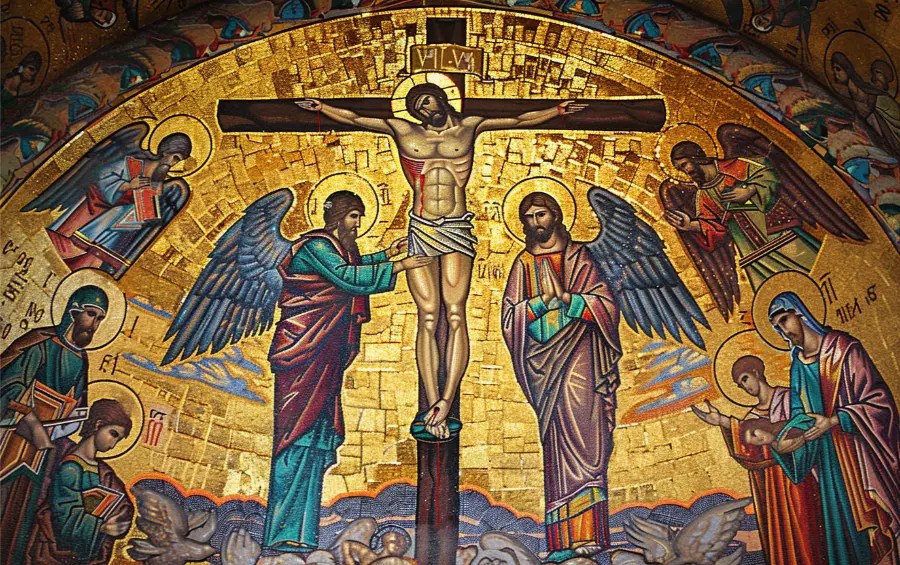
Psalm 46:1
“God is our refuge and strength, a very present help in trouble.”
Reflection: The psalm names the earth giving way and the mountains moved “into the heart of the sea” (46:2). Its answer is a refrain sung twice: “The Lord of hosts is with us; the God of Jacob is our fortress” (46:7, 11). Verse 5 says the same of the city of God: “God is in the midst of her; she shall not be moved.”
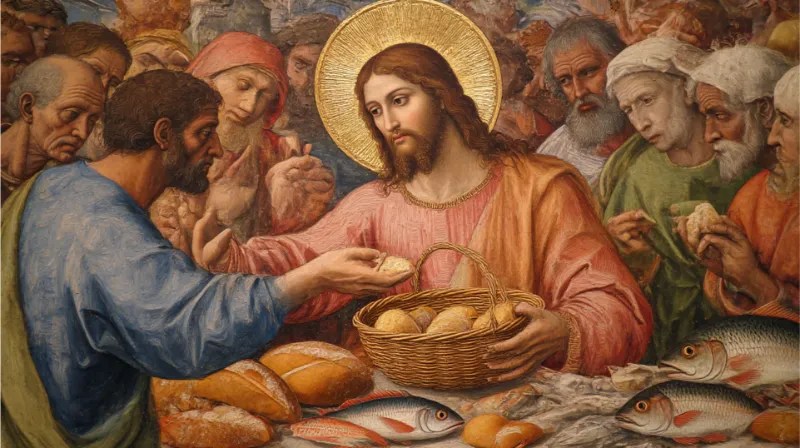
Psalm 23:4
“Even though I walk through the valley of the shadow of death, I will fear no evil, for you are with me; your rod and your staff, they comfort me.”
Reflection: For three verses the psalm speaks about the Lord: “He makes me lie down,” “He leads me.” In the valley of the shadow of death it turns and speaks to him: “you are with me.” The next verse keeps that direct address, “You prepare a table before me in the presence of my enemies,” and the psalm ends with the speaker dwelling “in the house of the Lord forever” (23:6).
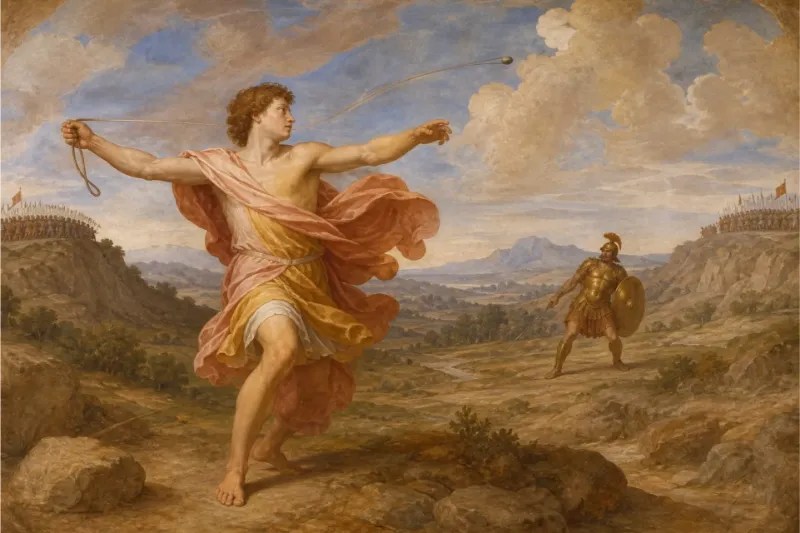
Psalm 22:3
“Yet you are holy, enthroned on the praises of Israel.”
Reflection: The psalm opens, “My God, my God, why have you forsaken me?”, the words Jesus cried from the cross (Matthew 27:46), and verse 2 complains, “I cry by day, but you do not answer.” Verse 3 begins with “Yet”: God is still holy, enthroned on Israel’s praises, and the fathers who trusted him were delivered (22:4-5). Later the psalm says that God has not hidden his face from “the afflicted” but “has heard, when he cried to him” (22:24).
Acts 18:9-10
“And the Lord said to Paul one night in a vision, ‘Do not be afraid, but go on speaking and do not be silent, for I am with you, and no one will attack you to harm you, for I have many in this city who are my people.’”
Reflection: In Corinth the synagogue opposed and reviled Paul, and he moved to the house of Titius Justus, “next door to the synagogue” (18:6-7). The vision comes at night and joins “I am with you” to a command to keep speaking. Paul stayed “a year and six months, teaching the word of God among them” (18:11).
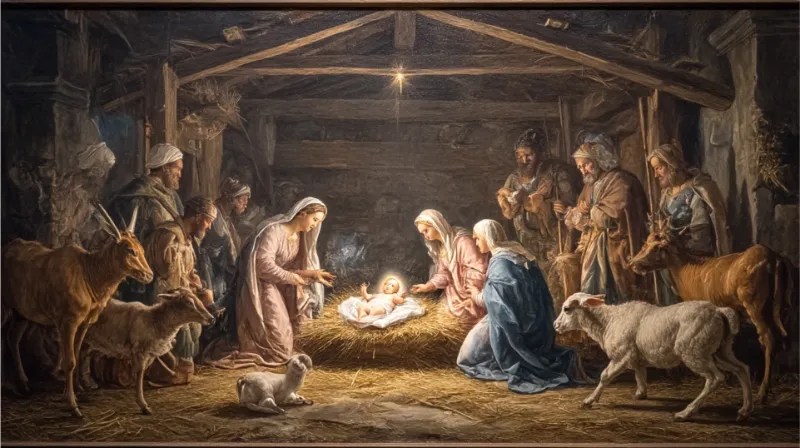
2 Timothy 4:17
“But the Lord stood by me and strengthened me, so that through me the message might be fully proclaimed and all the Gentiles might hear it. So I was rescued from the lion’s mouth.”
Reflection: Paul describes a trial at which he was left alone: “At my first defense no one came to stand by me, but all deserted me” (4:16). Earlier in the chapter Demas has deserted him, and “Luke alone is with me” (4:10-11). The Lord standing by him is set against those who left, and Paul expects the same Lord to “bring me safely into his heavenly kingdom” (4:18).
Where God’s presence is found
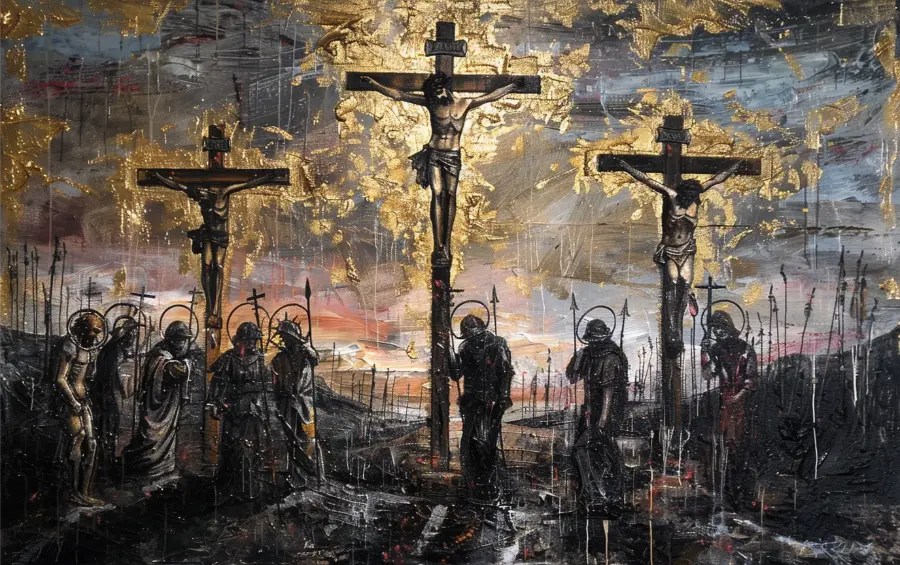
Psalm 139:7-8
“Where shall I go from your Spirit? Or where shall I flee from your presence? If I ascend to heaven, you are there! If I make my bed in Sheol, you are there!”
Reflection: The questions follow six verses on how fully God knows the speaker: “O Lord, you have searched me and known me!” (139:1). Heaven and Sheol, the realm of the dead, stand at opposite ends, and God is present at both. Verses 9 and 10 carry it to “the uttermost parts of the sea,” where “your right hand shall hold me.”
Psalm 95:2
“Let us come into his presence with thanksgiving; let us make a joyful noise to him with songs of praise!”
Reflection: The psalm calls the people to come before God with thanks and songs, then to “worship and bow down” and “kneel before the Lord, our Maker” (95:6), because “we are the people of his pasture” (95:7). Its second half turns to warning: “do not harden your hearts, as at Meribah” (95:8), recalling the wilderness generation that did not enter God’s rest.

Hebrews 10:22
“Let us draw near with a true heart in full assurance of faith, with our hearts sprinkled clean from an evil conscience and our bodies washed with pure water.”
Reflection: In the tabernacle only the high priest went into the inner section, “and he but once a year, and not without taking blood” (Hebrews 9:7). Hebrews 10:19-20 says believers now have “confidence to enter the holy places by the blood of Jesus,” through the curtain, “that is, through his flesh.” Drawing near is the response: coming into God’s presence with hearts “sprinkled clean from an evil conscience.”
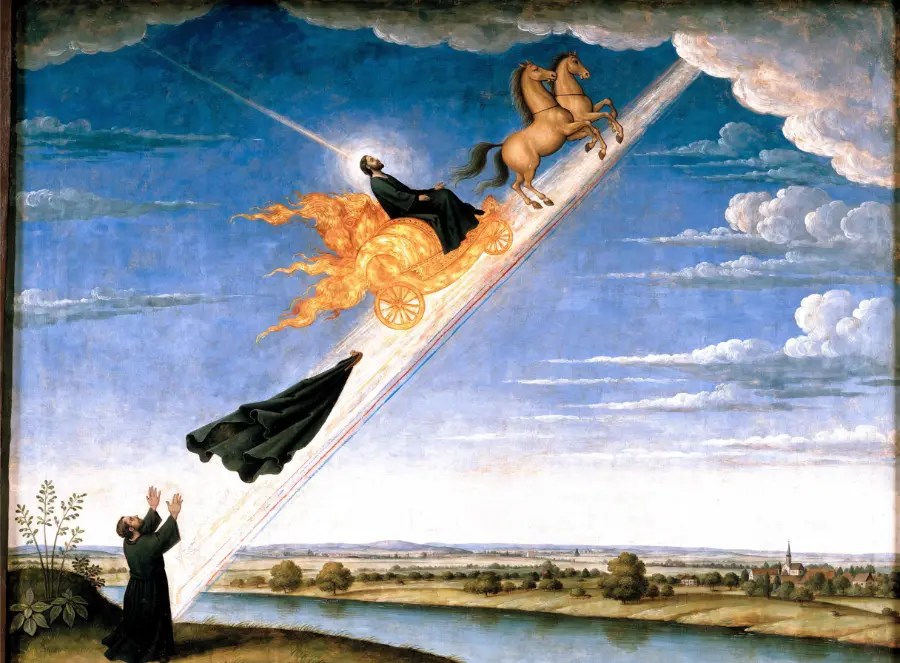
Psalm 16:11
“You make known to me the path of life; in your presence there is fullness of joy; at your right hand are pleasures forevermore.”
Reflection: The last verses of the psalm begin, “I have set the Lord always before me; because he is at my right hand, I shall not be shaken” (16:8), and end with joy in God’s presence and pleasures at his right hand. Peter quotes verses 8 to 11 in Acts 2:25-28, where the line reads “you will make me full of gladness with your presence.” He argues that David, who “both died and was buried,” was speaking of the resurrection of the Christ (Acts 2:29-31).
Said as a blessing
2 Thessalonians 3:16
“Now may the Lord of peace himself give you peace at all times in every way. The Lord be with you all.”
Reflection: Paul ends his letter to a church enduring “persecutions and afflictions” (1:4) with a prayer for peace “at all times in every way” and the wish “The Lord be with you all.” The words were an old greeting: Boaz greets his reapers with them, “The Lord be with you!”, and they answer, “The Lord bless you” (Ruth 2:4). Paul then writes a greeting in his own hand as “the sign of genuineness in every letter of mine” (3:17).
When God’s people will be with him forever
Revelation 21:3
“And I heard a loud voice from the throne saying, ‘Behold, the dwelling place of God is with man. He will dwell with them, and they will be his people, and God himself will be with them as their God.’”
Reflection: The voice from the throne speaks as the new Jerusalem comes “down out of heaven from God” and a new heaven and a new earth replace the first (21:1-2). The Greek noun for dwelling place, skēnē, means a tent or tabernacle, and the verb for dwell, skēnoō, is the one John 1:14 uses for the Word who “became flesh and dwelt among us.” The next verse lists what God’s presence will end: tears, death, mourning, crying and pain (21:4).
1 Thessalonians 4:17
“Then we who are alive, who are left, will be caught up together with them in the clouds to meet the Lord in the air, and so we will always be with the Lord.”
Reflection: Paul writes to believers grieving for those who had died, “that you may not grieve as others do who have no hope” (4:13). The dead in Christ rise first, the living are caught up “together with them,” and he ends, “Therefore encourage one another with these words” (4:18). The Latin Vulgate renders “caught up” as rapiemur, from the verb rapio, and the English word “rapture” comes from the same Latin root. Some Christians, particularly American evangelicals, read the verse as a rapture of believers before Christ’s final return. The Catholic, Orthodox, Lutheran, Anglican and Reformed churches have historically had no tradition of such an earlier return and read the verse as part of the one Second Coming.
A verse for how you feel
Choose how you feel today and read a verse from Scripture.
When you pass through the waters, I will be with you; and when you go through the rivers, they will not overwhelm you. When you walk through the fire, you will not be scorched; the flames will not set you ablaze.
Get a verse each week
Thank you. Your first verse is on its way.
If nothing arrives in a few minutes, look in your spam or promotions folder.
Keep this for another day. A verse for how you feel has a page of its own, with our verses for each feeling.
Each verse is quoted from the Berean Standard Bible.
Promises first spoken to one person
Many of these promises were first spoken to a particular person at a particular moment: to Israel before crossing the Jordan (Deuteronomy 31:6), to Joshua after the death of Moses (Joshua 1:9), to Paul in Corinth (Acts 18:9-10). The New Testament itself carries some of them further. Hebrews 13:5 gives “I will never leave you nor forsake you” to all its readers, and 2 Corinthians 6:16 applies the dwelling promise of Leviticus 26 and Ezekiel 37 to a church. Some details stay with their occasion: the promise that “no one will attack you to harm you” was given for Paul’s stay in Corinth, where the Lord had “many in this city who are my people” (Acts 18:10).


Leave a Reply