
 English
 Chinese
 Dutch
 Arabic
 Spanish
 Portuguese
 Russian
 French
 Italian
 German
 Japanese
The Bible records several people who took their own lives and several who asked God to let them die. Saul (1 Samuel 31:4), Ahithophel (2 Samuel 17:23) and Judas (Matthew 27:5) died by their own hand. Elijah (1 Kings 19:4), Job (Job 6:8-9) and Jonah (Jonah 4:3) prayed to die, and each lived on.
Genesis 9:5 says God will demand an accounting for human life, and Psalm 139:13-16 says he formed each person before birth. The Catechism of the Catholic Church, under the fifth commandment, calls people “stewards, not owners, of the life God has entrusted to us,” and says that “grave psychological disturbances, anguish, or grave fear of hardship, suffering, or torture can diminish the responsibility of the one committing suicide.” It also states that “the Church prays for persons who have taken their own lives.”
People who asked God to let them die
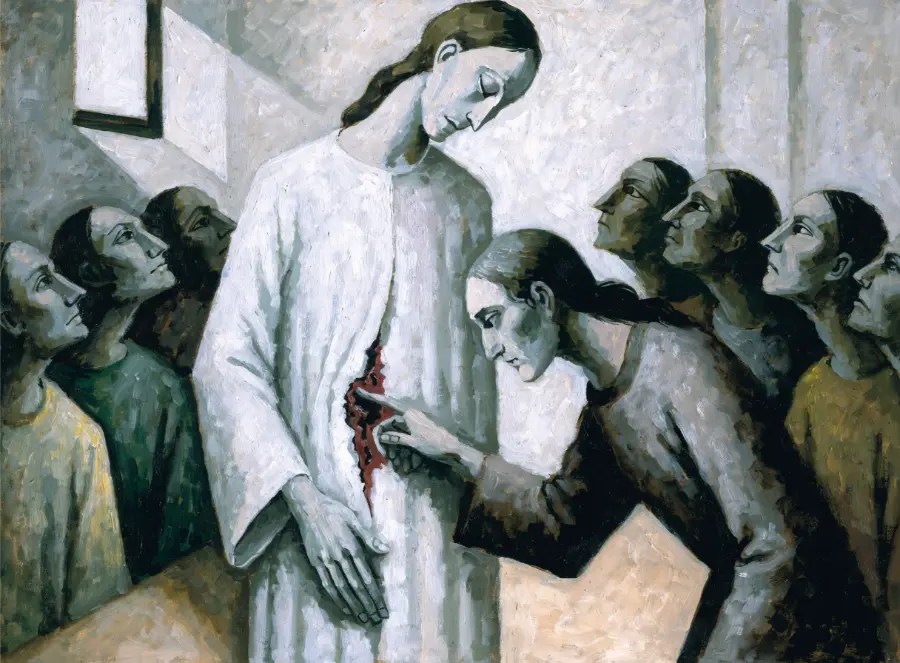
1 Kings 19:3-4
“Elijah was afraid and ran for his life. When he came to Beersheba in Judah, he left his servant there, while he himself went a day’s journey into the wilderness. He came to a broom bush, sat down under it and prayed that he might die. ‘I have had enough, LORD,’ he said. ‘Take my life; I am no better than my ancestors.’”
Reflection: Jezebel had sworn to kill Elijah within a day (19:2). In the wilderness he prayed to die, then lay down and slept. An angel touched him and said, “Get up and eat,” and by his head were bread and a jar of water; the angel came back a second time and said, “the journey is too much for you” (19:5-7). Strengthened by that food, Elijah walked on to Horeb.
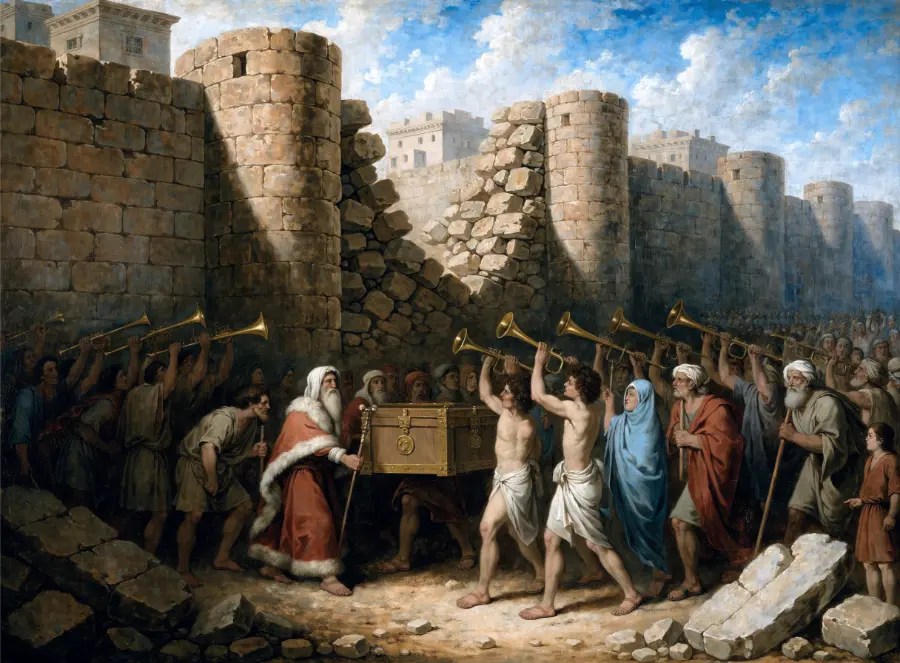
Job 6:8-9
“Oh, that I might have my request, that God would grant what I hope for, that God would be willing to crush me, to let loose his hand and cut off my life!”
Reflection: Job says this in reply to his friend Eliphaz, after losing his children, his livestock and his health (Job 1-2). In the next verse he names what he would still hold on to: “that I had not denied the words of the Holy One” (6:10). When his three friends first came, they sat with him on the ground for seven days and nights without a word, “because they saw how great his suffering was” (2:13).
Despair put into words
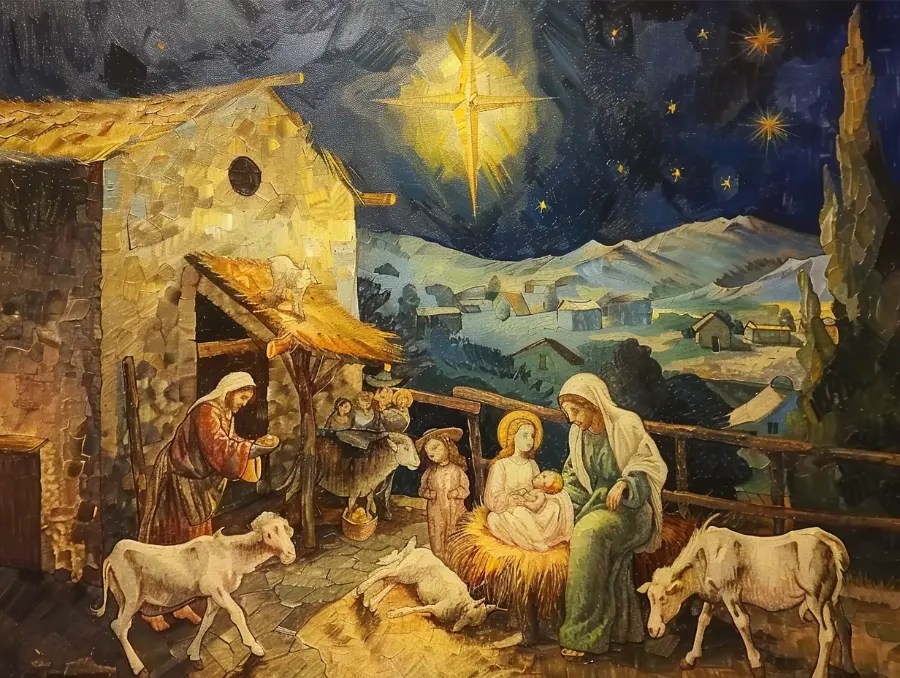
2 Corinthians 1:8-9
“We do not want you to be uninformed, brothers and sisters, about the troubles we experienced in the province of Asia. We were under great pressure, far beyond our ability to endure, so that we despaired of life itself. Indeed, we felt we had received the sentence of death. But this happened that we might not rely on ourselves but on God, who raises the dead.”
Reflection: Paul tells the church at Corinth about pressure in the province of Asia “far beyond our ability to endure,” without saying what the troubles were. He writes of it openly as something the church should know about. The next verse speaks of rescue: “He has delivered us from such a deadly peril, and he will deliver us again.”
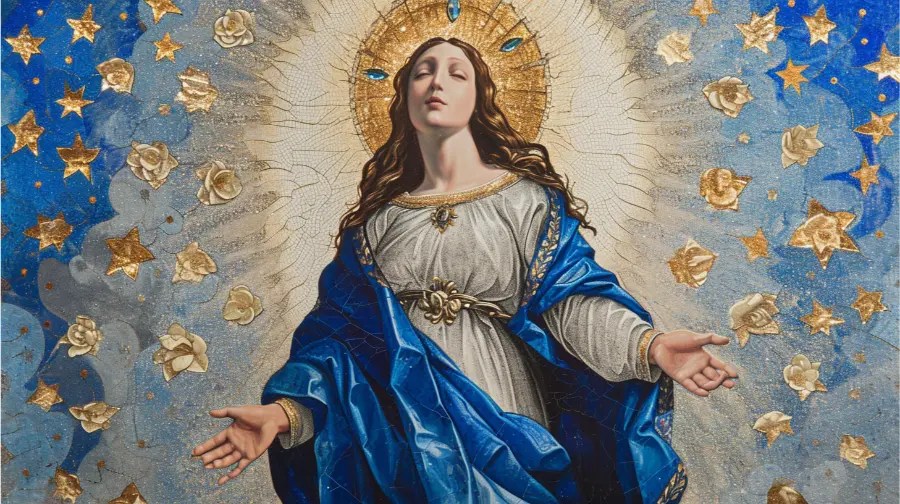
Psalm 42:11
“Why, my soul, are you downcast? Why so disturbed within me? Put your hope in God, for I will yet praise him, my Savior and my God.”
Reflection: The same refrain stands at Psalm 42:5 and again here at the psalm’s close. Between the two, the psalmist says his tears have been his food day and night and that his foes keep asking, “Where is your God?” (42:3, 10). He speaks to his own soul, asking why it is downcast and telling it to hope in God.
Lamentations 3:21-23
“Yet this I call to mind and therefore I have hope: Because of the LORD’s great love we are not consumed, for his compassions never fail. They are new every morning; great is your faithfulness.”
Reflection: Three verses earlier the poet has said, “My splendor is gone and all that I had hoped from the LORD” (3:18), and that his soul is downcast within him. The turn comes with “Yet this I call to mind.” He continues, “The LORD is my portion; therefore I will wait for him” (3:24), a statement about waiting that does not claim the trouble is over.
God near the crushed

Psalm 34:18
“The LORD is close to the brokenhearted and saves those who are crushed in spirit.”
Reflection: The verse before says, “The righteous cry out, and the LORD hears them” (34:17). Crushed in spirit is set beside brokenhearted, and both are people God is said to be close to and to save.
Isaiah 40:29-31
“He gives strength to the weary and increases the power of the weak. Even youths grow tired and weary, and young men stumble and fall; but those who hope in the LORD will renew their strength. They will soar on wings like eagles; they will run and not grow weary, they will walk and not be faint.”
Reflection: The promise answers a complaint the prophet quotes from Israel: “My way is hidden from the LORD; my cause is disregarded by my God” (40:27). Isaiah replies that the Creator does not grow tired, and that he gives strength to the weary.
Romans 8:38-39
“For I am convinced that neither death nor life, neither angels nor demons, neither the present nor the future, nor any powers, neither height nor depth, nor anything else in all creation, will be able to separate us from the love of God that is in Christ Jesus our Lord.”
Reflection: Paul’s list opens with death and life. Three verses earlier he names trouble, hardship, persecution and the sword, and quotes Psalm 44:22: “For your sake we face death all day long” (8:35-36). The claim is that nothing in creation can separate those in Christ from God’s love.
Human life, made by God and accounted for by him
Genesis 9:5
“And for your lifeblood I will surely demand an accounting. I will demand an accounting from every animal. And from each human being, too, I will demand an accounting for the life of another human being.”
Reflection: God speaks to Noah and his sons after the flood, and the next verse gives the reason: “for in the image of God has God made mankind” (9:6). The verse’s last line concerns the life of another person. The medieval commentator Rashi reads its opening words, “your lifeblood,” as including a person who sheds his own blood, citing the Talmud (Bava Kamma 91b). The Catechism of the Catholic Church, which cites Genesis 9:5-6 in paragraph 2260, says in paragraph 2283: “We should not despair of the eternal salvation of persons who have taken their own lives. By ways known to him alone, God can provide the opportunity for salutary repentance.”
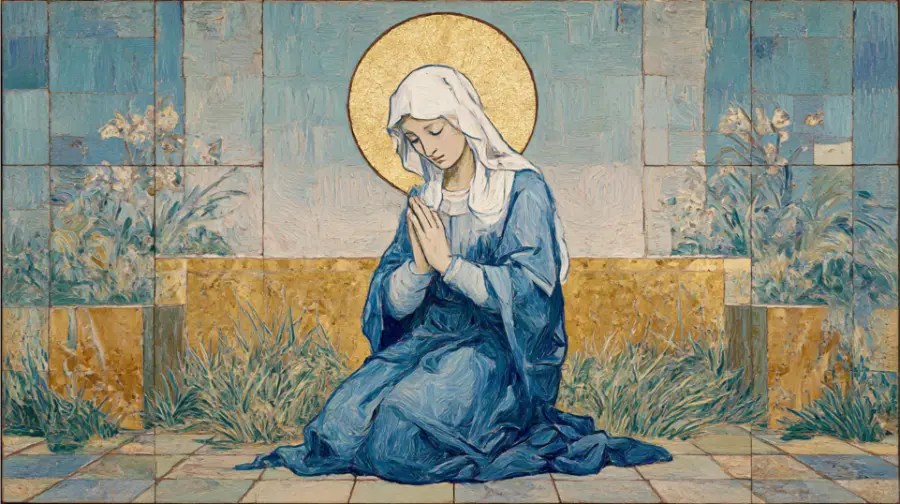
Psalm 139:13-14
“For you created my inmost being; you knit me together in my mother’s womb. I praise you because I am fearfully and wonderfully made; your works are wonderful, I know that full well.”
Reflection: The psalmist describes God forming him before birth, in his mother’s womb. Two verses later he adds that “all the days ordained for me were written in your book before one of them came to be” (139:16). The psalm treats a life and its length as known to God from the start.
Deaths the Bible records
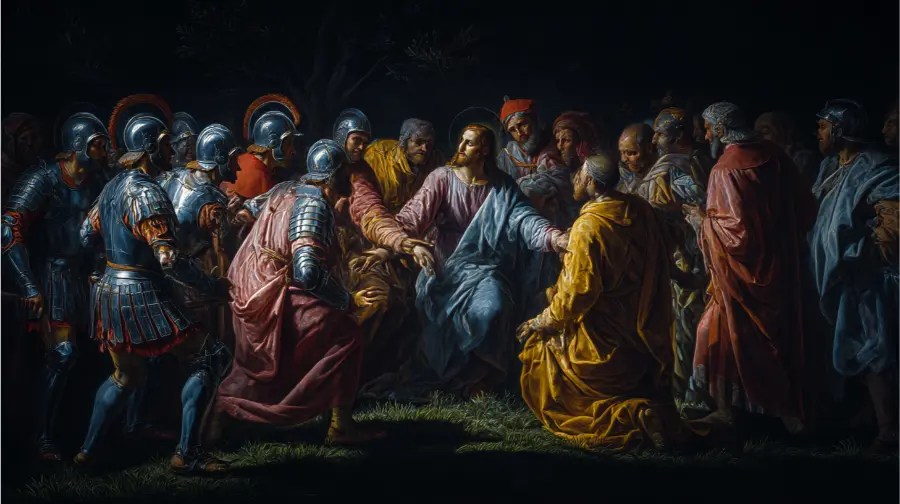
1 Samuel 31:4
“Saul said to his armor-bearer, ‘Draw your sword and run me through, or these uncircumcised fellows will come and run me through and abuse me.’ But his armor-bearer was terrified and would not do it; so Saul took his own sword and fell on it.”
Reflection: Saul was on Mount Gilboa, losing a battle to the Philistines. His sons Jonathan, Abinadab and Malki-Shua had been killed, and archers had wounded him critically (31:2-3). His armor-bearer refused the order and then died the same way beside him (31:5). When 1 Chronicles 10:13-14 retells the battle, the charges it lists against Saul are acts of his reign: he did not keep the word of the LORD, and he consulted a medium rather than inquiring of the LORD.
Matthew 27:3-5
“When Judas, who had betrayed him, saw that Jesus was condemned, he was seized with remorse and returned the thirty pieces of silver to the chief priests and the elders. ‘I have sinned,’ he said, ‘for I have betrayed innocent blood.’ ‘What is that to us?’ they replied. ‘That’s your responsibility.’ So Judas threw the money into the temple and left. Then he went away and hanged himself.”
Reflection: Judas acted when he saw that Jesus had been condemned. He returned the silver and said to the chief priests and elders, “I have sinned,” and they answered, “That’s your responsibility.” Acts 1:18 gives a different account of his death, in the field bought with the payment.
What the Bible asks of the people nearby
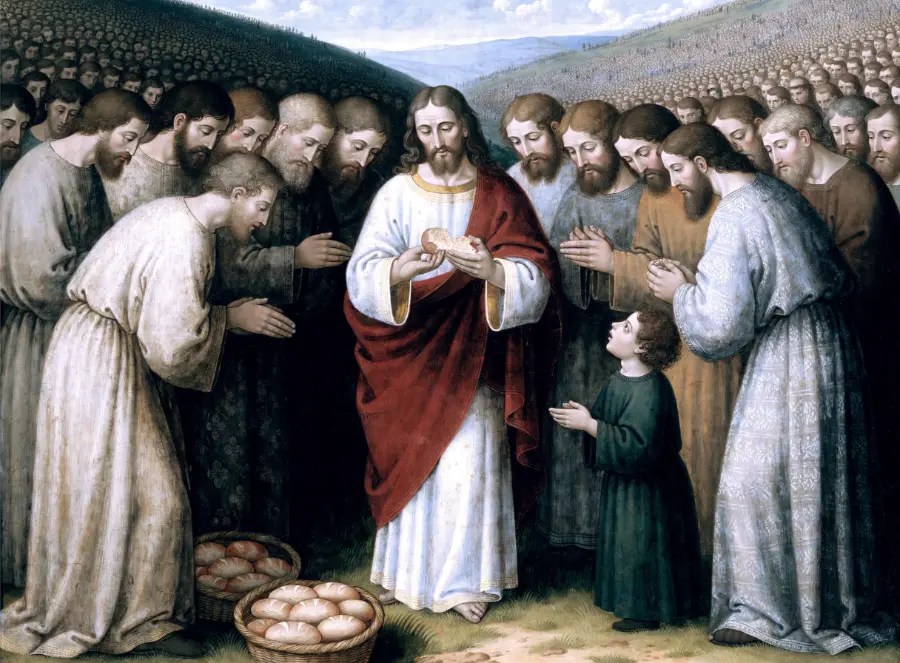
Acts 16:27-28
“The jailer woke up, and when he saw the prison doors open, he drew his sword and was about to kill himself because he thought the prisoners had escaped. But Paul shouted, ‘Don’t harm yourself! We are all here!’”
Reflection: An earthquake had opened the prison doors at midnight while Paul and Silas were singing hymns. The jailer, thinking the prisoners had escaped, drew his sword, and Paul shouted to stop him. That night the jailer washed their wounds, was baptized with his household and set a meal before them, and “he was filled with joy” (16:33-34).
Galatians 6:2
“Carry each other’s burdens, and in this way you will fulfill the law of Christ.”
Reflection: Paul writes to the churches in Galatia (1:2) and calls carrying each other’s burdens the way to fulfill the law of Christ. The verse does not limit the burdens to any one kind.
Ecclesiastes 4:9-10
“Two are better than one, because they have a good return for their labor: If either of them falls down, one can help the other up. But pity anyone who falls and has no one to help them up!”
Reflection: The Teacher’s case for company is practical: one helps the other up, two lying together keep warm, and “a cord of three strands is not quickly broken” (4:11-12). His pity is for the one who falls with no one there.
After the prayer to die
Elijah’s prayer to die is followed by sleep, bread and water, and an angel who tells him the journey is too much for him (1 Kings 19:5-7). Paul, who writes that he despaired of life itself, goes on to say that God “will deliver us again” (2 Corinthians 1:10). In Acts 16:28 a prisoner shouts to stop his jailer at the moment of danger.
In the United States, the 988 Suicide & Crisis Lifeline answers calls and texts to 988, and chat through 988lifeline.org, 24 hours a day, every day of the year. People outside the United States can contact their local emergency services.


Leave a Reply