
 English
 Chinese
 Dutch
 Arabic
 Spanish
 Portuguese
 Russian
 French
 Italian
 German
 Japanese
In the Bible, testimony is evidence given about God, whether by people who have seen and heard what he did or by God himself, and the word keeps its courtroom sense. In Isaiah 43:10 God calls Israel to stand as his witnesses while the nations bring theirs.
Scripture’s witnesses include a healed man sent home to tell “how much the Lord has done for you” (Mark 5:19), apostles who “cannot but speak of what we have seen and heard” (Acts 4:20), the testimony God himself gives about his Son (1 John 5:11), and believers who conquered “by the word of their testimony” (Revelation 12:11). In the New Testament passages, witness translates the Greek martys, which Strong’s glosses as “witness, martyr” (Acts 1:8, Hebrews 12:1), and testimony often translates martyria (1 John 5:11, Revelation 12:11 and 19:10).
Witnesses God appoints
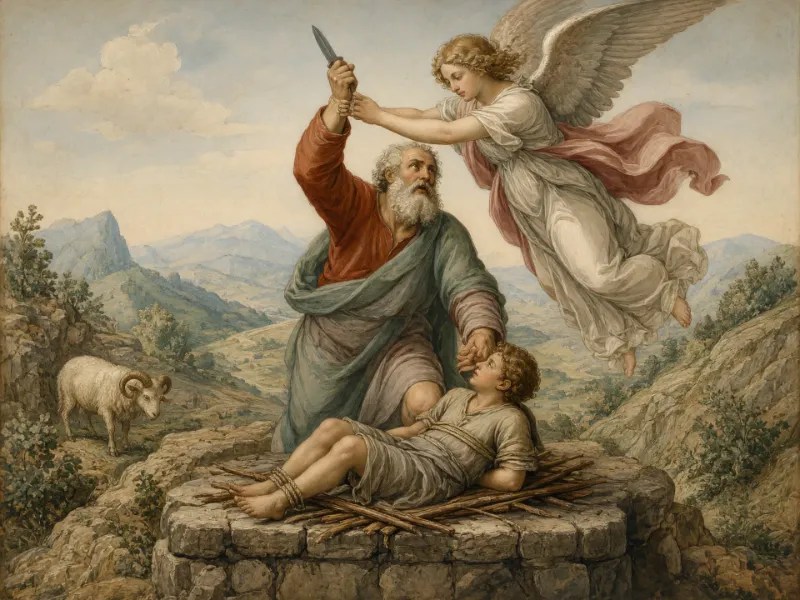
Isaiah 43:10
“‘You are my witnesses,’ declares the LORD, ‘and my servant whom I have chosen, that you may know and believe me and understand that I am he. Before me no god was formed, nor shall there be any after me.’”
Reflection: The setting is a trial. Verse 9 gathers the nations and challenges them: “Let them bring their witnesses to prove them right.” God answers by calling Israel as his own witnesses, and the point they are to establish is that he alone is God; verse 12 repeats the call after “besides me there is no savior.” The witness is also meant to learn something: “that you may know and believe me.”
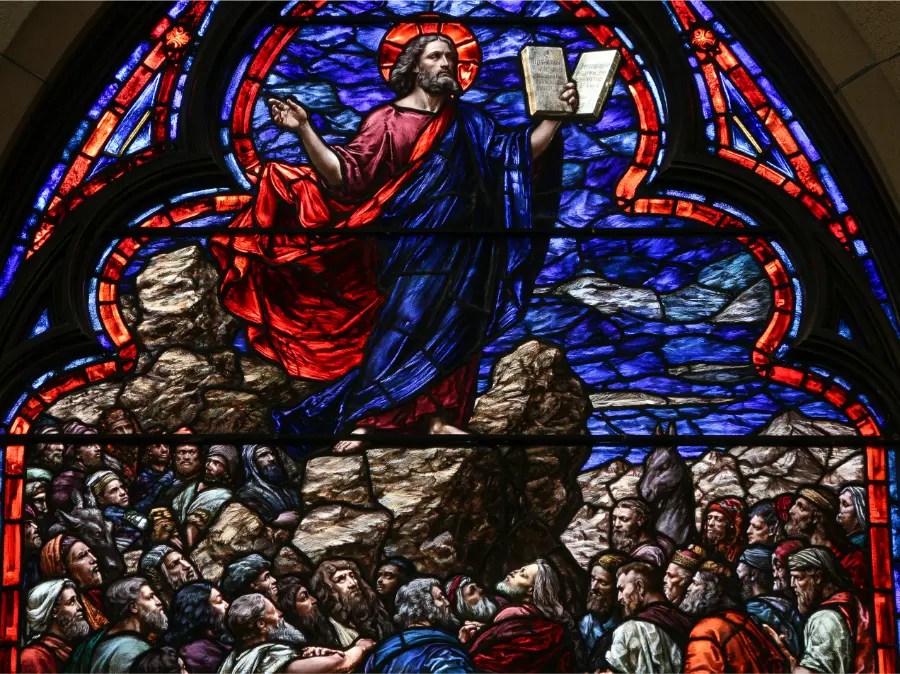
Acts 1:8
“But you will receive power when the Holy Spirit has come upon you, and you will be my witnesses in Jerusalem and in all Judea and Samaria, and to the end of the earth.”
Reflection: The disciples had just asked whether Jesus would now restore the kingdom to Israel (Acts 1:6). He tells them the times are not theirs to know and gives them a task instead, with the power of the Holy Spirit to carry it out. The places run outward from Jerusalem through Judea and Samaria “to the end of the earth.” The word for witnesses is martys.
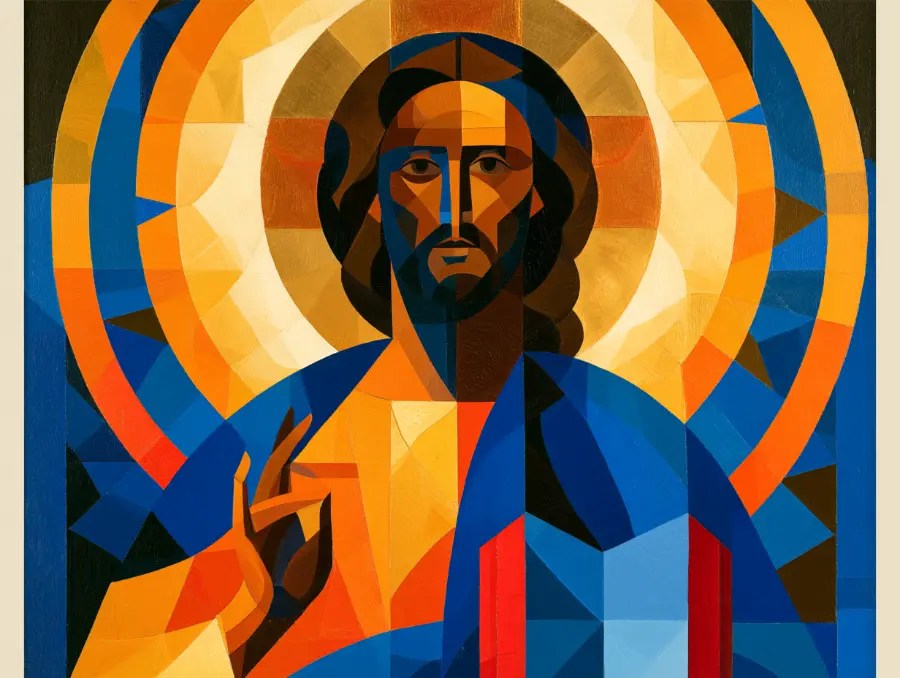
John 15:26-27
“But when the Helper comes, whom I will send to you from the Father, the Spirit of truth, who proceeds from the Father, he will bear witness about me. And you also will bear witness, because you have been with me from the beginning.”
Reflection: Jesus says this to his disciples on the night before his arrest, in the teaching John records in chapters 14 to 16. Two witnesses are named: the Spirit of truth, who “will bear witness about me,” and the disciples. Their qualification is stated plainly: they have been with him “from the beginning.”
Telling what God has done

Psalm 66:16
“Come and hear, all you who fear God, and I will tell what he has done for my soul.”
Reflection: The psalmist has just promised burnt offerings in God’s house to pay vows made “when I was in trouble” (66:13-15). Then he turns to the congregation. What he tells is an answered prayer: “I cried to him with my mouth” and “truly God has listened” (66:17, 19). The psalm ends by blessing God for not rejecting that prayer.
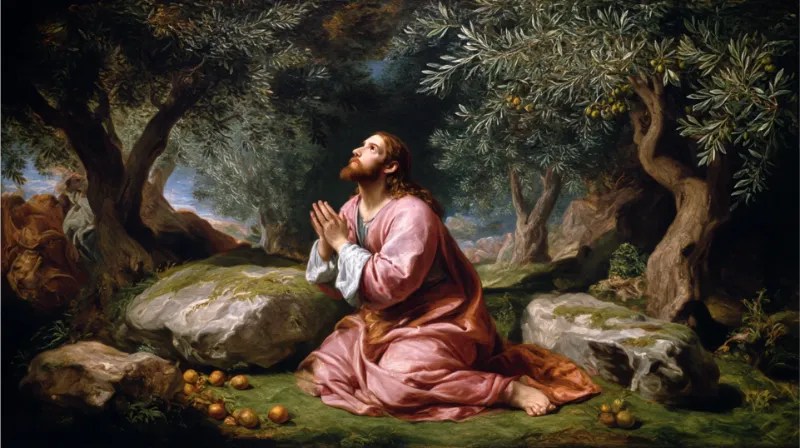
Psalm 107:2
“Let the redeemed of the LORD say so, whom he has redeemed from trouble”
Reflection: The psalm opens with thanks for God’s steadfast love and then calls on the people he has rescued to speak up. Verse 3 names who they are: those “gathered in from the lands, from the east and from the west, from the north and from the south.” The command is short: those who have been redeemed are to say so.

Mark 5:19-20
“And he did not permit him but said to him, ‘Go home to your friends and tell them how much the Lord has done for you, and how he has had mercy on you.’ And he went away and began to proclaim in the Decapolis how much Jesus had done for him, and everyone marveled.”
Reflection: The man had been freed from a legion of demons, and as Jesus was getting into the boat he begged to go with him (5:18). Jesus refused and sent him home to his friends with something to tell. Jesus told him to report what “the Lord” had done, and Mark says he proclaimed across the Decapolis what “Jesus” had done for him, and “everyone marveled.”
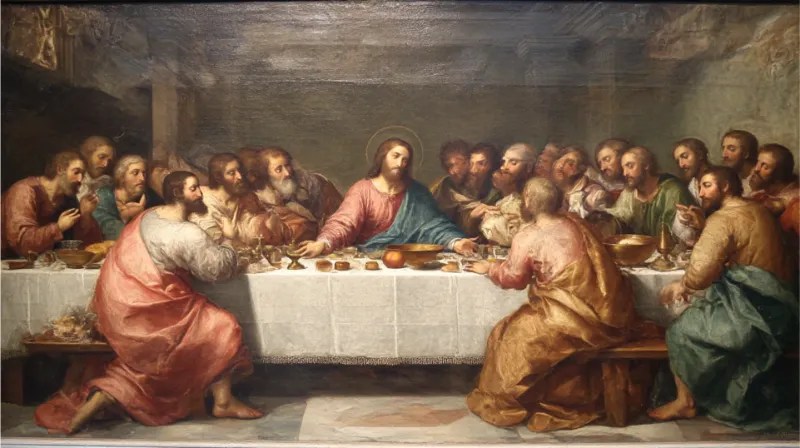
John 4:39
“Many Samaritans from that town believed in him because of the woman’s testimony, ‘He told me all that I ever did.’”
Reflection: The woman at the well had gone back into town saying, “Come, see a man who told me all that I ever did. Can this be the Christ?” (4:29). Her words brought the town out to Jesus, and he stayed two days. By the end the Samaritans tell her, “It is no longer because of what you said that we believe, for we have heard for ourselves” (4:42).
Passing it on to generations and nations
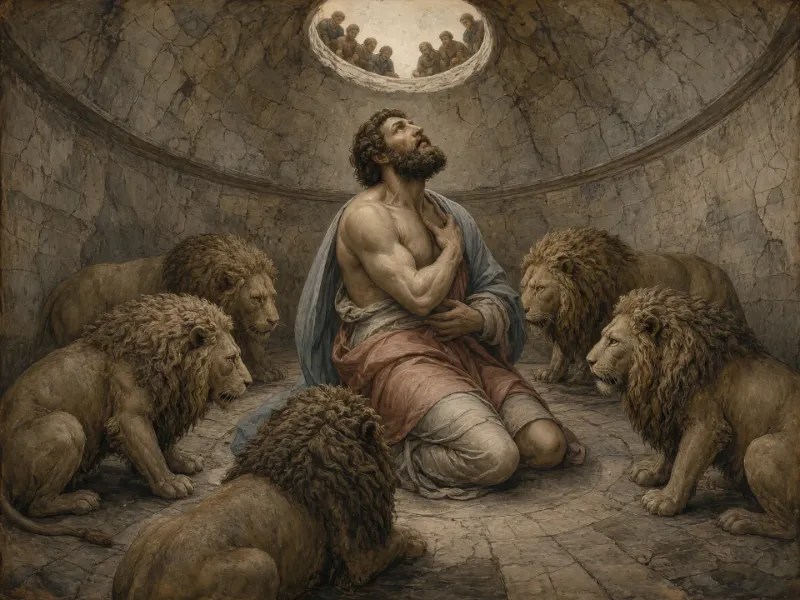
Psalm 145:4
“One generation shall commend your works to another, and shall declare your mighty acts.”
Reflection: In David’s song of praise, telling God’s works passes from one generation to the next. The next verses alternate between one voice and many: “I will meditate,” then “They shall speak of the might of your awesome deeds,” then “I will declare your greatness” (145:5-6).

Psalm 96:3
“Declare his glory among the nations, his marvelous works among all the peoples!”
Reflection: Verse 1 calls “all the earth” to sing, and verse 2 to “tell of his salvation from day to day.” Verse 3 names the audience: “the nations” and “all the peoples.” What is to be declared is God’s glory and his marvelous works.
Testimony from those who saw
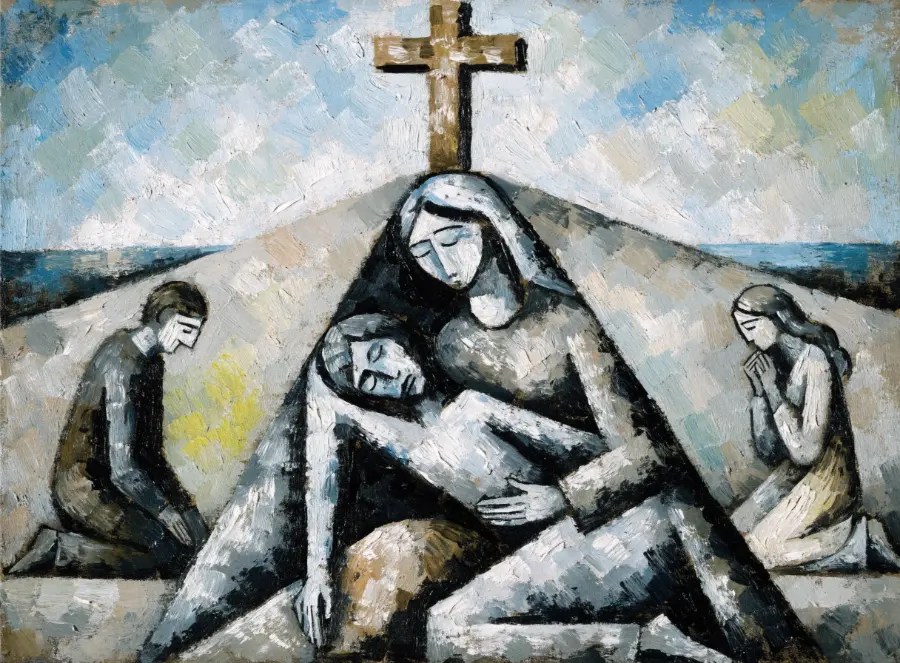
Acts 4:20
“for we cannot but speak of what we have seen and heard.”
Reflection: Peter and John stand before the council after a man was healed, and the council admits among themselves, “we cannot deny it” (4:16). It orders them not to speak or teach in the name of Jesus. Their reply rests on what they witnessed: they cannot stop speaking about what they have seen and heard.

1 John 1:1-3
“That which was from the beginning, which we have heard, which we have seen with our eyes, which we looked upon and have touched with our hands, concerning the word of life—the life was made manifest, and we have seen it, and testify to it and proclaim to you the eternal life, which was with the Father and was made manifest to us—that which we have seen and heard we proclaim also to you, so that you too may have fellowship with us; and indeed our fellowship is with the Father and with his Son Jesus Christ.”
Reflection: The letter begins with the senses: heard, seen with our eyes, looked upon, touched with our hands. The writer testifies to “the word of life” made visible, and states the purpose of the testimony: “so that you too may have fellowship with us,” a fellowship that is “with the Father and with his Son Jesus Christ.”
God’s testimony, and confessing Jesus
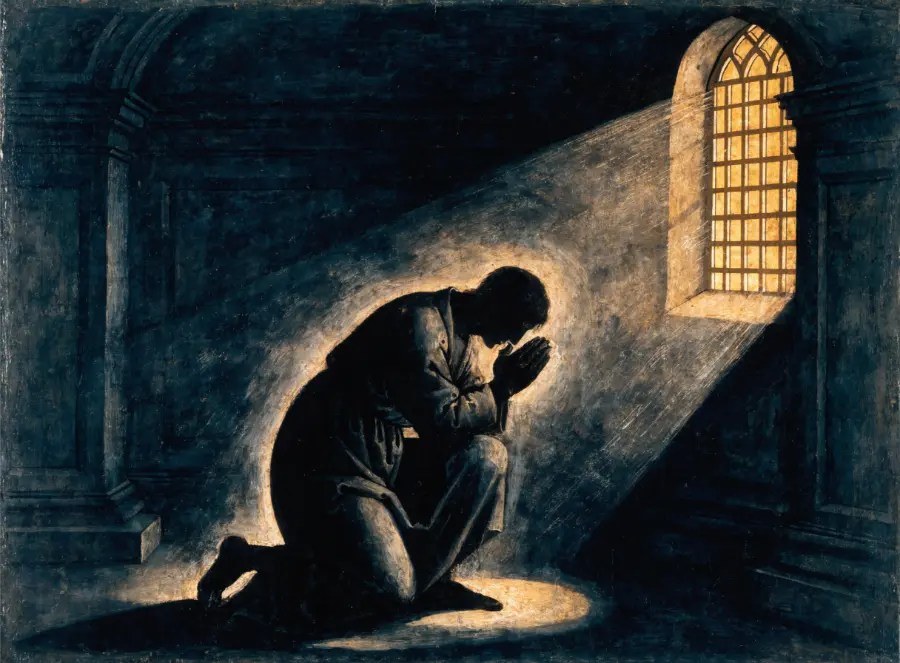
1 John 5:11
“And this is the testimony, that God gave us eternal life, and this life is in his Son.”
Reflection: Here the testimony is God’s, not a believer’s. Verse 9 sets the two side by side: “If we receive the testimony of men, the testimony of God is greater.” The content of God’s testimony is eternal life in his Son, and verse 12 draws the line: “Whoever has the Son has life; whoever does not have the Son of God does not have life.”
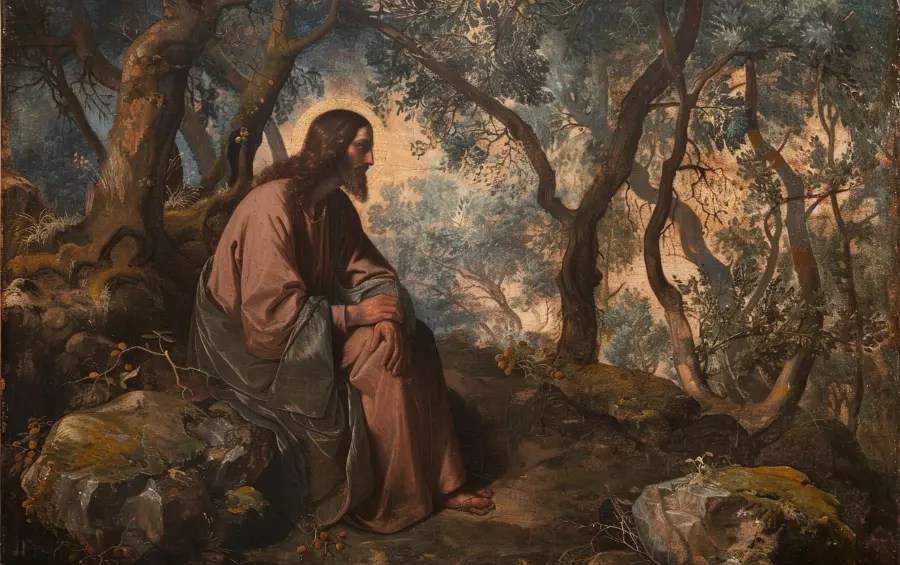
Romans 10:9-10
“because, if you confess with your mouth that Jesus is Lord and believe in your heart that God raised him from the dead, you will be saved. For with the heart one believes and is justified, and with the mouth one confesses and is saved.”
Reflection: Paul has just quoted Scripture, “The word is near you, in your mouth and in your heart” (10:8), and these verses unpack both halves: the mouth confesses that Jesus is Lord, and the heart believes God raised him. Verse 11 adds, “Everyone who believes in him will not be put to shame.”

Revelation 19:10
“Then I fell down at his feet to worship him, but he said to me, ‘You must not do that! I am a fellow servant with you and your brothers who hold to the testimony of Jesus. Worship God.’ For the testimony of Jesus is the spirit of prophecy.”
Reflection: John has just been told, “These are the true words of God,” and falls at the feet of the angel who told him (19:9). The angel refuses worship and calls himself a fellow servant with John and with “your brothers who hold to the testimony of Jesus.” After the angel’s words John adds his own comment: “For the testimony of Jesus is the spirit of prophecy.”
Holding to the testimony under pressure

2 Timothy 1:8
“Therefore do not be ashamed of the testimony about our Lord, nor of me his prisoner, but share in suffering for the gospel by the power of God.”
Reflection: Paul writes as a prisoner and asks Timothy not to be ashamed either of the testimony or of him. Verses 9-10 give the content of that testimony: God saved and called us by his own purpose and grace, and Christ “abolished death and brought life and immortality to light.” Paul applies it to himself in verse 12: “But I am not ashamed, for I know whom I have believed.”
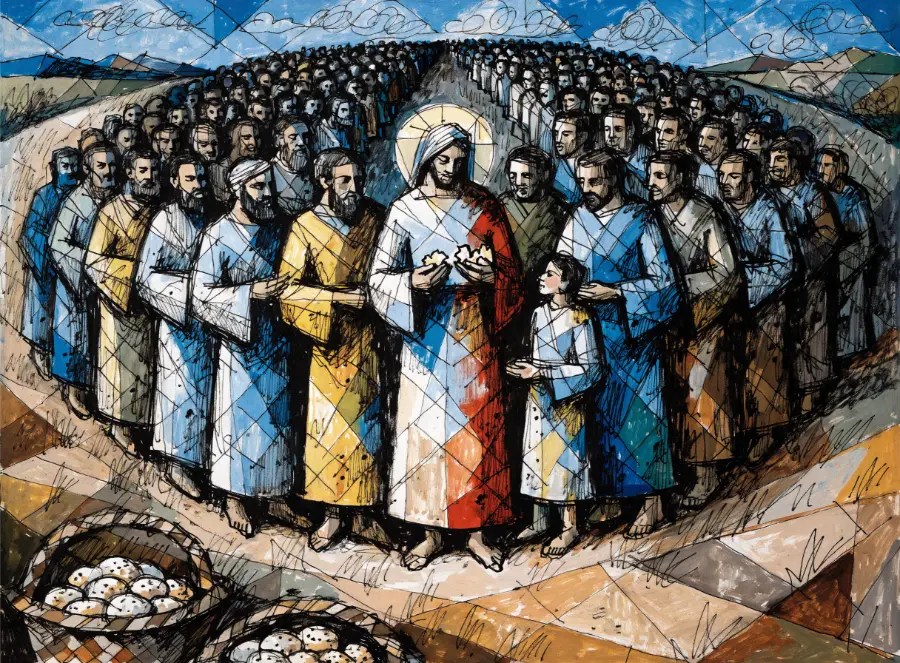
1 Peter 3:15
“but in your hearts honor Christ the Lord as holy, always being prepared to make a defense to anyone who asks you for a reason for the hope that is in you; yet do it with gentleness and respect.”
Reflection: The readers may “suffer for righteousness’ sake” (3:14). They are to be ready to explain their hope to “anyone who asks,” with gentleness and respect. Verse 16 adds a good conscience, so that those who slander their good behavior “may be put to shame.”

Acts 20:24
“But I do not account my life of any value nor as precious to myself, if only I may finish my course and the ministry that I received from the Lord Jesus, to testify to the gospel of the grace of God.”
Reflection: Paul is going to Jerusalem, and he says the Holy Spirit “testifies to me in every city that imprisonment and afflictions await me” (20:23). The ESV uses the same English word for the Spirit’s warning and for Paul’s own work: he counts his life of no value if he can finish his course and “testify to the gospel of the grace of God.”

Revelation 12:11
“And they have conquered him by the blood of the Lamb and by the word of their testimony, for they loved not their lives even unto death.”
Reflection: A voice in heaven announces that “the accuser of our brothers,” who accused them “day and night before our God,” has been thrown down (12:10). The brothers overcame him by two things, the blood of the Lamb and their own testimony, and they “loved not their lives even unto death.” The word for testimony is martyria.

Hebrews 12:1
“Therefore, since we are surrounded by so great a cloud of witnesses, let us also lay aside every weight, and sin which clings so closely, and let us run with endurance the race that is set before us.”
Reflection: “Therefore” points back to Hebrews 11, the list of people “commended through their faith” who “did not receive what was promised” (11:39). They are the cloud of witnesses, and the word is martys. The picture then becomes a race, and verse 2 tells the runner where to look: “to Jesus, the founder and perfecter of our faith.”


Leave a Reply