
 English
 Chinese
 Dutch
 Arabic
 Spanish
 Portuguese
 Russian
 French
 Italian
 German
 Japanese
The Bible presents the cross as the place where Jesus died for the sins of others. Paul told the Corinthians that he had resolved to know nothing while he was with them “except Jesus Christ and him crucified” (1 Corinthians 2:2).
Isaiah 53:5 and 1 Peter 2:24 describe that death as bearing sin. In Colossians 1:20 it makes peace “through his blood, shed on the cross,” and in Colossians 2:15 it is a triumph over the powers. Paul calls its message foolishness to those who are perishing (1 Corinthians 1:18), and Jesus tells anyone who would follow him to take up their own cross daily (Luke 9:23).
What the cross did with sin

Isaiah 53:5
“But he was pierced for our transgressions, he was crushed for our iniquities; the punishment that brought us peace was on him, and by his wounds we are healed.”
Reflection: Isaiah describes someone who suffers in the place of others. The onlookers first took him to be “punished by God” (53:4), and verse 5 corrects them: the punishment was for their transgressions, and it brought them peace. Verse 6 adds that “the Lord has laid on him the iniquity of us all,” and 1 Peter 2:24-25 quotes both verses of Jesus.
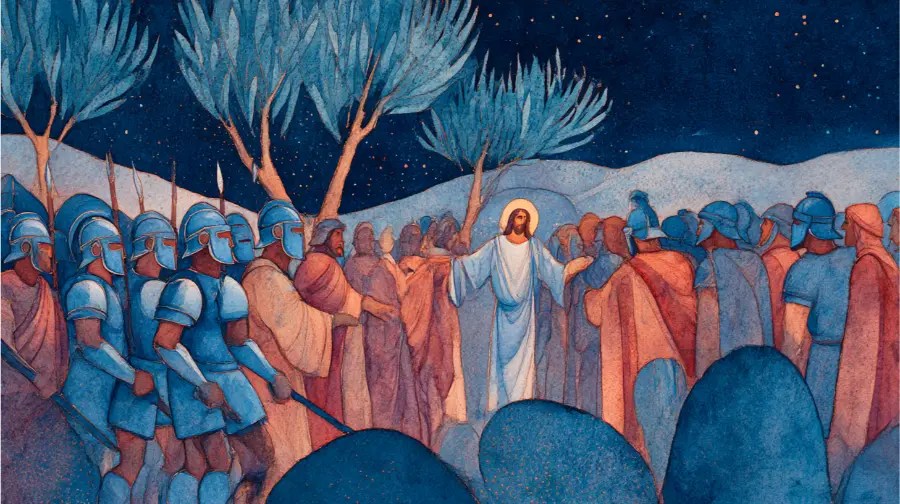
1 Peter 2:24
“‘He himself bore our sins’ in his body on the cross, so that we might die to sins and live for righteousness; ‘by his wounds you have been healed.’”
Reflection: Peter places this verse inside a call to follow Christ’s example of suffering without retaliating (2:21-23). He then goes beyond example: Christ “bore our sins” in his body on the cross, in words taken from Isaiah 53. The purpose clause looks forward, “so that we might die to sins and live for righteousness.”
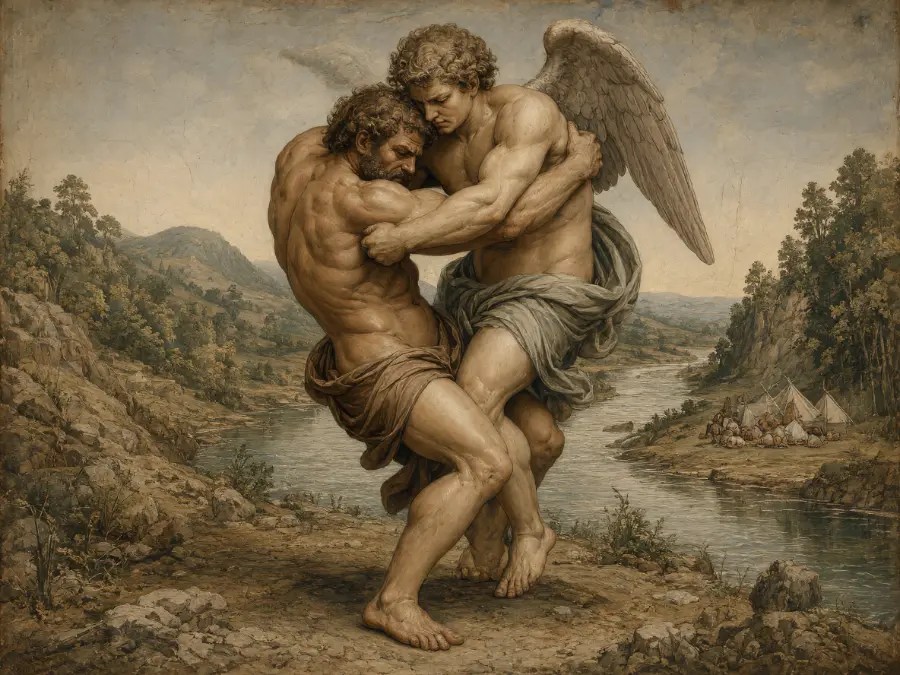
Galatians 3:13
“Christ redeemed us from the curse of the law by becoming a curse for us, for it is written: ‘Cursed is everyone who is hung on a pole.’”
Reflection: Paul quotes the law of Deuteronomy 21:23, which says that the body of an executed person exposed on a pole is under God’s curse and must be buried the same day. He applies it to the crucifixion: Christ took on the curse that verse 10 pronounces on everyone who relies on the works of the law. Verse 14 gives the purpose, that the blessing given to Abraham might come to the Gentiles.
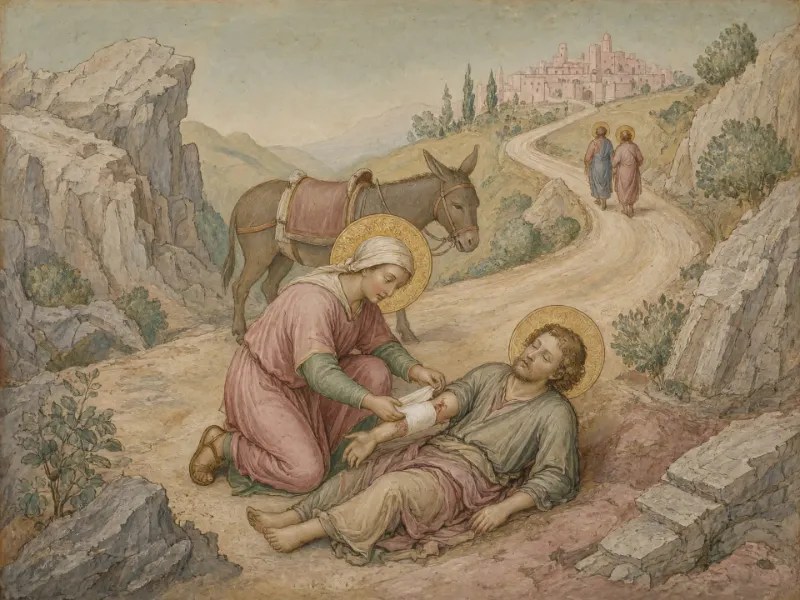
2 Corinthians 5:21
“God made him who had no sin to be sin for us, so that in him we might become the righteousness of God.”
Reflection: Paul has already said that “one died for all” (5:14), and this verse states what that death exchanged. The one who had no sin was made sin, and those who are in him become the righteousness of God. It follows directly on the appeal of verse 20, “Be reconciled to God.”

Romans 3:24-25
“…and all are justified freely by his grace through the redemption that came by Christ Jesus. God presented Christ as a sacrifice of atonement, through the shedding of his blood—to be received by faith.”
Reflection: Paul has just said that “all have sinned and fall short of the glory of God” (3:23), with no difference between Jew and Gentile. God presented Christ as a sacrifice of atonement through the shedding of his blood. The same verse gives the reason: in his forbearance God had left earlier sins unpunished. Verse 26 adds that he did it “so as to be just and the one who justifies those who have faith in Jesus.”

Romans 5:8
“But God demonstrates his own love for us in this: While we were still sinners, Christ died for us.”
Reflection: The verse is set against ordinary human love: someone “might possibly dare to die” for a good person (5:7). Christ died for people while they were still sinners, and verse 10 goes further and calls them “God’s enemies.” Verse 9 draws the consequence: since they have been “justified by his blood,” they will be saved from God’s wrath through him.

Hebrews 9:28
“…so Christ was sacrificed once to take away the sins of many; and he will appear a second time, not to bear sin, but to bring salvation to those who are waiting for him.”
Reflection: Hebrews compares Christ with the high priest, who entered the Most Holy Place “every year with blood that is not his own” (9:25). Christ offered himself, and did it once. The verse also looks ahead to a second appearing, “not to bear sin, but to bring salvation to those who are waiting for him.”
Peace made through the cross
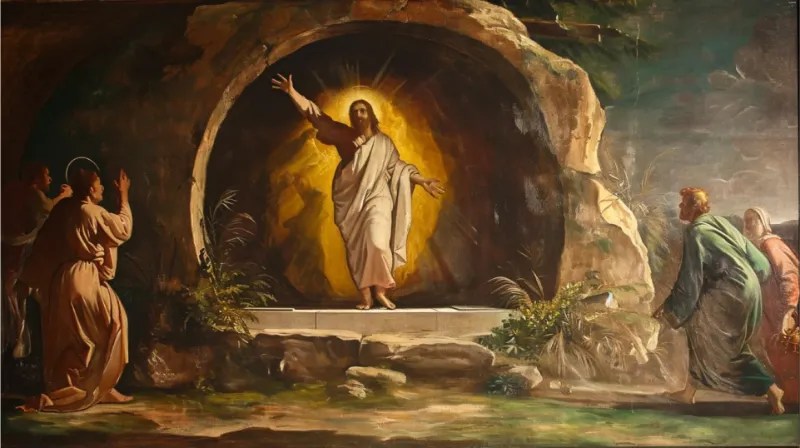
Colossians 1:19-20
“For God was pleased to have all his fullness dwell in him, and through him to reconcile to himself all things, whether things on earth or things in heaven, by making peace through his blood, shed on the cross.”
Reflection: The passage that begins at 1:15 says that all things were created through the Son (1:16), and in these verses the same “all things” are reconciled through him. The means is named plainly: “his blood, shed on the cross.” Verses 21-22 turn to the readers, once “enemies in your minds” and now reconciled “by Christ’s physical body through death.”
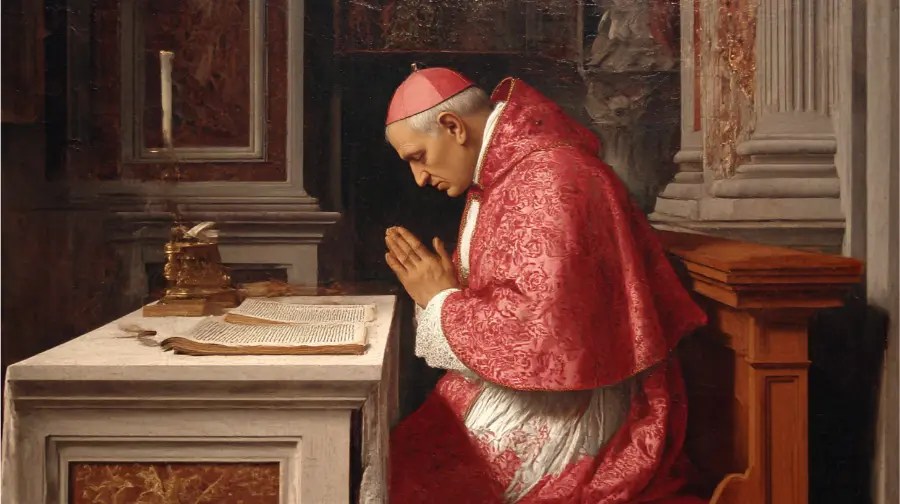
Ephesians 2:13
“But now in Christ Jesus you who once were far away have been brought near by the blood of Christ.”
Reflection: Paul is writing to Gentiles who had been “excluded from citizenship in Israel” and were “without hope and without God in the world” (2:12). The blood of Christ has brought them near. Verse 16 says how: Christ reconciled Jew and Gentile “in one body” to God “through the cross, by which he put to death their hostility.”

2 Corinthians 5:18-19
“All this is from God, who reconciled us to himself through Christ and gave us the ministry of reconciliation: that God was reconciling the world to himself in Christ, not counting people’s sins against them.”
Reflection: Reconciliation starts with God: “All this is from God.” In Christ he was not counting people’s sins against them, and he committed the message of reconciliation to Paul and those with him. The next verse calls them “Christ’s ambassadors,” with God making his appeal through them.

Colossians 2:13-14
“He forgave us all our sins, having canceled the charge of our legal indebtedness, which stood against us and condemned us; he has taken it away, nailing it to the cross.”
Reflection: Paul describes sin as a written charge of debt that stood against the readers. God cancelled the charge, took it away and nailed it to the cross. The first half of verse 13, left out of the quotation, says that when the readers were dead in their sins, God made them alive with Christ.
Victory over the powers and over death
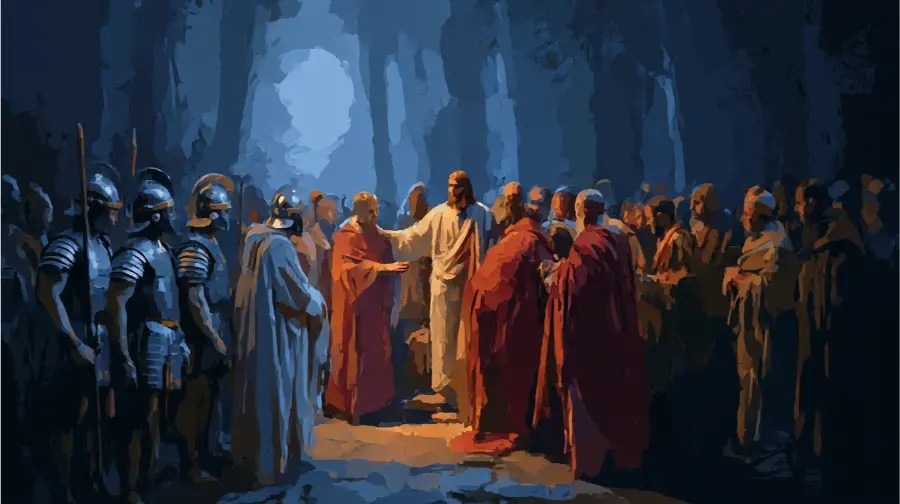
Colossians 2:15
“And having disarmed the powers and authorities, he made a public spectacle of them, triumphing over them by the cross.”
Reflection: The sentence continues straight on from the debt nailed to the cross. The powers and authorities are disarmed at the cross and made “a public spectacle,” and God triumphs over them by it. Colossians 1:16 has already named the same “powers” and “authorities” among the things created through the Son.
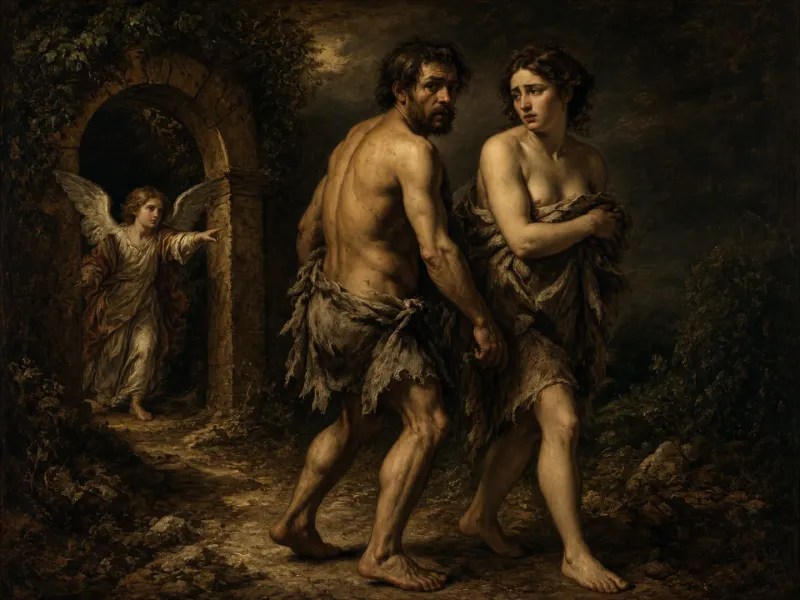
Hebrews 2:14-15
“…so that by his death he might break the power of him who holds the power of death—that is, the devil—and free those who all their lives were held in slavery by their fear of death.”
Reflection: Verse 14 begins, “Since the children have flesh and blood, he too shared in their humanity,” and the quotation gives the purpose. By his death he broke the power of the devil, “who holds the power of death,” and freed people held all their lives by the fear of it. Verse 9 says he tasted death “for everyone.”
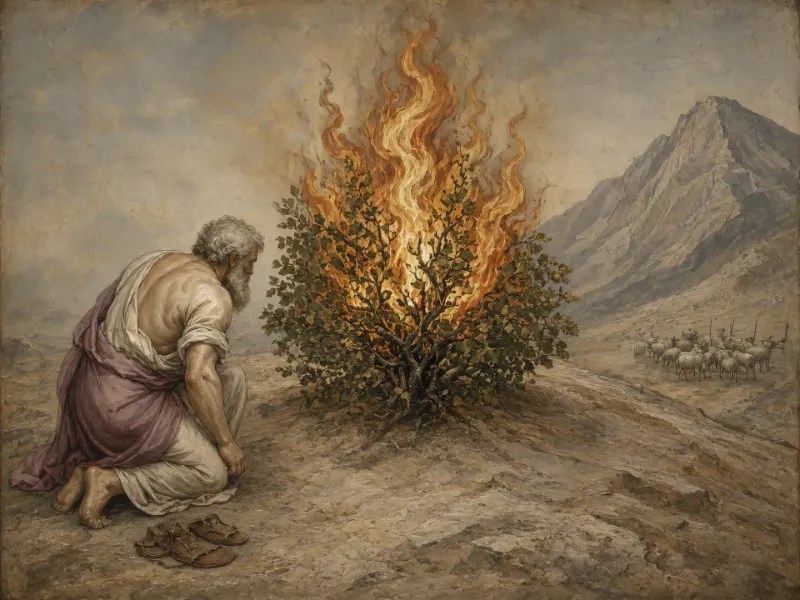
John 12:31-32
“‘Now is the time for judgment on this world; now the prince of this world will be driven out. And I, when I am lifted up from the earth, will draw all people to myself.’”
Reflection: Shortly before this, Jesus says that his soul is troubled and that he will not ask the Father to save him “from this hour” (12:27). The gospel explains the words “lifted up” in the next verse: “He said this to show the kind of death he was going to die.” The crowd heard it as a death too, and objected that the Messiah “will remain forever” (12:34).
The message of the cross
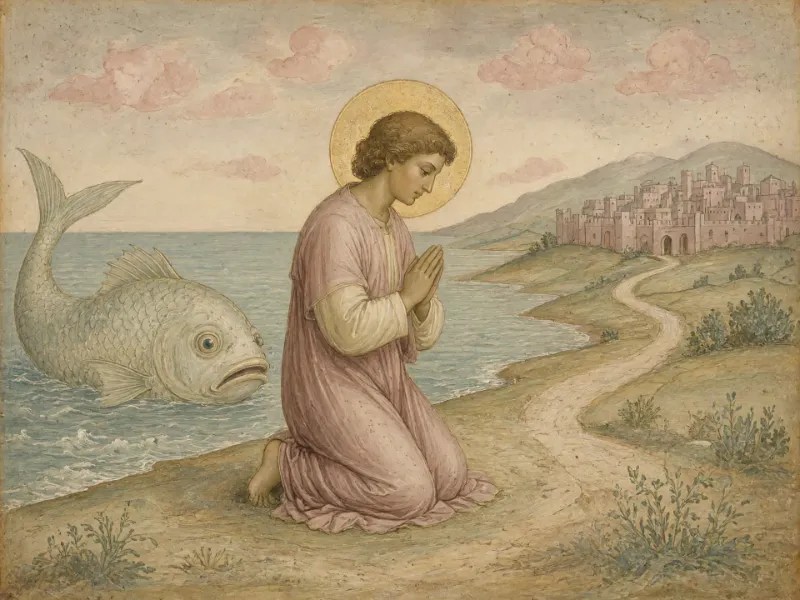
1 Corinthians 1:18
“For the message of the cross is foolishness to those who are perishing, but to us who are being saved it is the power of God.”
Reflection: Paul has just said that he preached “not with wisdom and eloquence, lest the cross of Christ be emptied of its power” (1:17). A few verses later he names the two responses: Christ crucified is “a stumbling block to Jews and foolishness to Gentiles,” and to those God has called he is “the power of God and the wisdom of God” (1:23-24).

Galatians 6:14
“May I never boast except in the cross of our Lord Jesus Christ, through which the world has been crucified to me, and I to the world.”
Reflection: Near the end of the letter Paul sets two kinds of boasting side by side. Those pressing circumcision want to boast about the Galatians’ flesh and to avoid being “persecuted for the cross of Christ” (6:12-13); Paul will boast in nothing but the cross. Verse 15 says what counts instead of circumcision: “the new creation.”

Philippians 2:5-8
“In your relationships with one another, have the same mindset as Christ Jesus: Who, being in very nature God, did not consider equality with God something to be used to his own advantage; rather, he made himself nothing by taking the very nature of a servant, being made in human likeness. And being found in appearance as a man, he humbled himself by becoming obedient to death—even death on a cross!”
Reflection: Paul offers Christ’s mindset as the pattern for the Philippians’ “relationships with one another.” The passage goes steadily down, from “very nature God” to a servant, to a man, to obedience unto death, and then “even death on a cross!” Verses 9-11 give God’s answer: he exalted Jesus and gave him “the name that is above every name.”
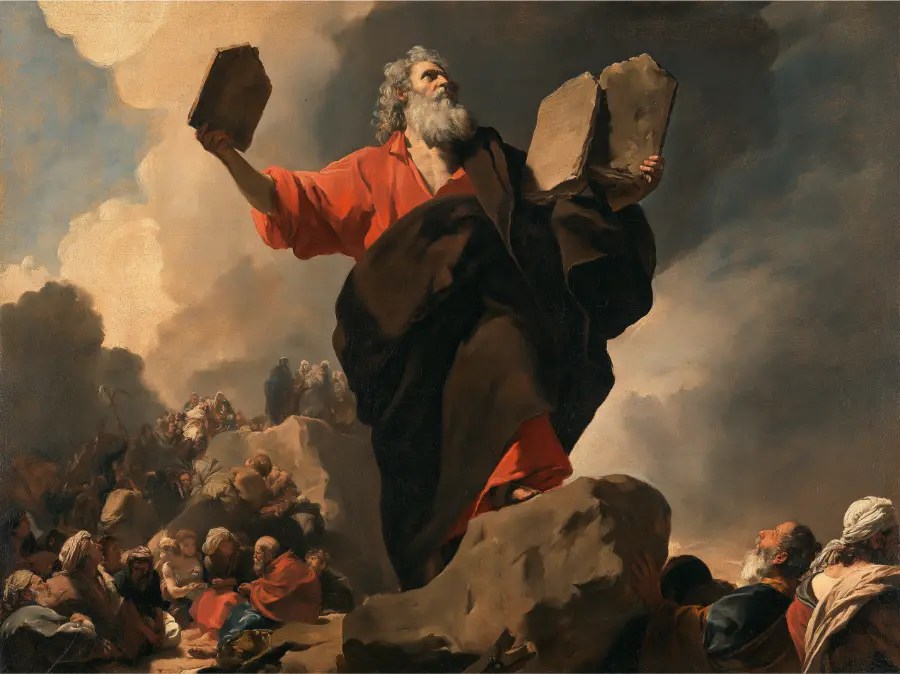
Hebrews 12:2
“…fixing our eyes on Jesus, the pioneer and perfecter of faith. For the joy set before him he endured the cross, scorning its shame, and sat down at the right hand of the throne of God.”
Reflection: The writer pictures the Christian life as a race run with the eyes fixed on Jesus. He “endured the cross, scorning its shame,” for the joy set before him, and then sat down at God’s right hand. Verse 3 gives the reason to consider him: “so that you will not grow weary and lose heart.”
Taking up the cross

Luke 9:23
“Then he said to them all: ‘Whoever wants to be my disciple must deny themselves and take up their cross daily and follow me.’”
Reflection: Peter has just called Jesus “God’s Messiah,” and Jesus has told the disciples that the Son of Man must be rejected, killed and raised on the third day (9:20-22). Only then does he speak “to them all” about their own cross, to be taken up daily. The next verse gives the reason: whoever loses their life for his sake will save it.
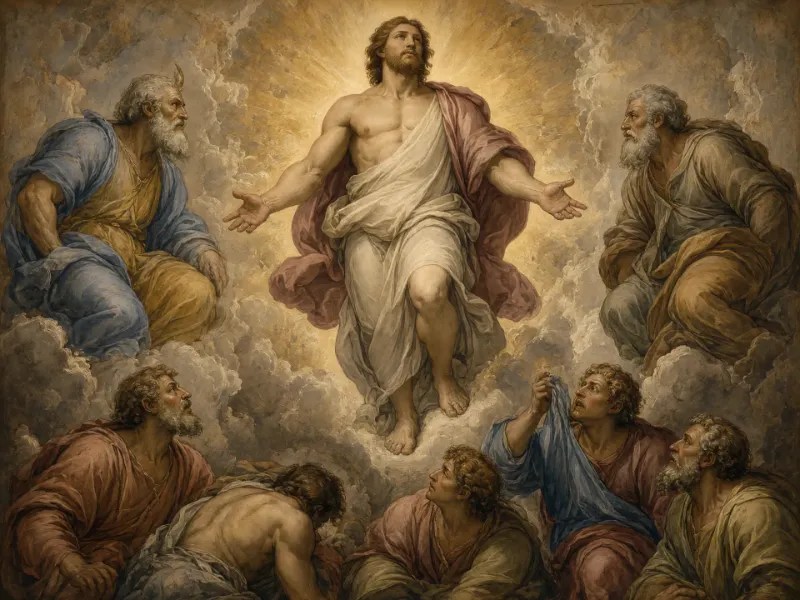
Galatians 2:20
“I have been crucified with Christ and I no longer live, but Christ lives in me. The life I now live in the body, I live by faith in the Son of God, who loved me and gave himself for me.”
Reflection: Paul writes in the first person: “I have been crucified with Christ.” In the verse before, he says he “died to the law” so that he might live for God. The verse ends with the cross made personal, the Son of God “who loved me and gave himself for me,” and verse 21 adds that if righteousness came through the law, “Christ died for nothing!”

Romans 6:6
“For we know that our old self was crucified with him so that the body ruled by sin might be done away with, that we should no longer be slaves to sin.”
Reflection: Paul links this verse to baptism: all who were baptized into Christ Jesus “were baptized into his death” (6:3). The old self was crucified with him so that sin would no longer be master. Verse 7 gives the principle, “anyone who has died has been set free from sin.”
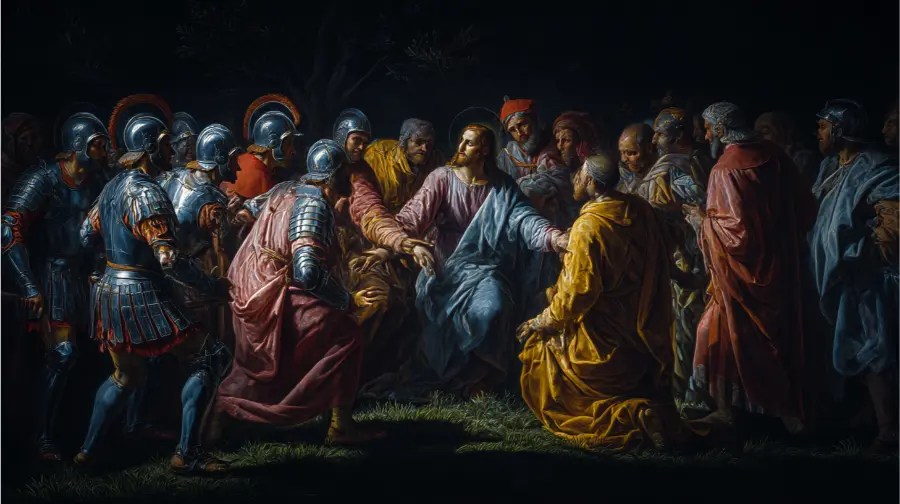
Philippians 3:10
“I want to know Christ—yes, to know the power of his resurrection and participation in his sufferings, becoming like him in his death…”
Reflection: Paul has just counted everything he once valued as loss for the sake of knowing Christ (3:7-8). He wants to know both the power of the resurrection and a share in Christ’s sufferings, becoming like him in his death. Verse 11 says what he hopes for at the end: “somehow, attaining to the resurrection from the dead.”


Leave a Reply