
 English
 Chinese
 Dutch
 Arabic
 Spanish
 Portuguese
 Russian
 French
 Italian
 German
 Japanese
Norah is not in the Bible. It comes from honour — and honour in Scripture is a more demanding word than the English one.

Where the name comes from
Two lines run into Norah, and both end in the same place.
The commoner one is Honora, a Latin name from honor, brought to Ireland by Anglo-Norman settlers and shortened to Nóra. The other is Eleanor, itself of uncertain origin, which was also clipped to Nora.
The h in Norah is a later English spelling preference rather than part of the name’s history.
Is Norah in the Bible?
No. Neither Norah nor Honora appears, and Latin is not a language of Scripture.
Some pages connect Norah to Noah or to Naomi on the strength of the sound. Neither connection is real. Noah is Hebrew, from a root meaning rest; Naomi means pleasant. Norah is Latin by way of Ireland.

Honour in Scripture is not reputation
This is where the name gets interesting, because the biblical word does not mean what the English one usually means.
The Hebrew is kavod, and its root sense is weight — heaviness, substance. To honour someone is to treat them as weighty. To dishonour is to treat them as light, as easily set aside.
That is why the commandment is phrased as it is: Honour your father and your mother, so that you may live long in the land the Lord your God is giving you. (Exodus 20:12)
It is not an instruction about feelings, and it is not an instruction to children only. It is about weight — about which people’s needs and claims count as substantial when decisions are being made.
The same word is used for God’s own glory. The weight of a presence is what glory is.

Honour given away
The New Testament takes the word and does something unexpected with it: it makes honour a thing to hand out rather than to accumulate.
Be devoted to one another in love. Honour one another above yourselves. (Romans 12:10)
Show proper respect to everyone, love the family of believers, fear God, honour the emperor. (1 Peter 2:17) — written, it should be noted, under an empire that was not treating Christians well.
And Paul, on the body, makes the principle explicit: the parts that we think are less honourable we treat with special honour (1 Corinthians 12:23). Honour in Scripture flows towards what is undervalued, which is the reverse of how it works in every social system ever devised.
The honour nobody wants
There is one further turn, and it is the one that stops the word being comfortable.
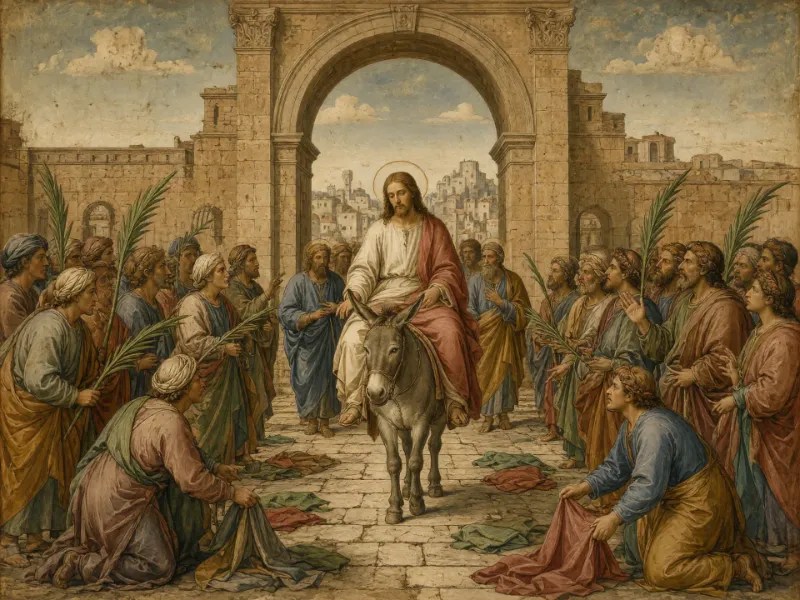
A prophet is not without honour except in his own town, among his relatives and in his own home. (Mark 6:4)
Jesus says this after being rejected in Nazareth, and Mark adds the detail that he could do no miracles there beyond a few healings. Being known since childhood made him weightless to the people who had known him.
Anyone who has tried to be taken seriously by people who remember them at fifteen will recognise it.

Verses for a Norah
Honour the Lord with your wealth, with the firstfruits of all your crops. (Proverbs 3:9)
Those who honour me I will honour, but those who despise me will be disdained. (1 Samuel 2:30)
Honour one another above yourselves. (Romans 12:10)

A blessing for Norah
May we treat as weighty the people the world treats as light.
May we give honour away rather than collect it.
And may we be honoured, in the end, by the only one whose opinion carries weight.

Frequently asked
Is Norah a biblical name?
No. It comes from Honora, a Latin name from honor, or as a short form of Eleanor. Neither appears in Scripture.
Is Norah related to Noah?
No. The similarity is in sound only. Noah is Hebrew, from a root meaning rest; Norah is Latin by way of Ireland.
What does honour mean in the Bible?
The Hebrew kavod means weight. To honour is to treat someone as substantial; to dishonour is to treat them as easily set aside. The same word covers God’s glory.
What does Exodus 20:12 require?
Not a feeling. It asks that parents be treated as weighty — that their claims count as substantial when decisions are made. It is not addressed to children only.



Leave a Reply