
 English
 Chinese
 Dutch
 Arabic
 Spanish
 Portuguese
 Russian
 French
 Italian
 German
 Japanese
Yes, though where depends on the Bible. The archangel Raphael is a main character in the Book of Tobit, which Catholic and Orthodox Bibles include and most Protestant Bibles omit or print as Apocrypha. Every Bible, Protestant ones included, names a Levite called Rephael, the same Hebrew name, in 1 Chronicles 26:7. The name means “God heals.”
What does Raphael mean?
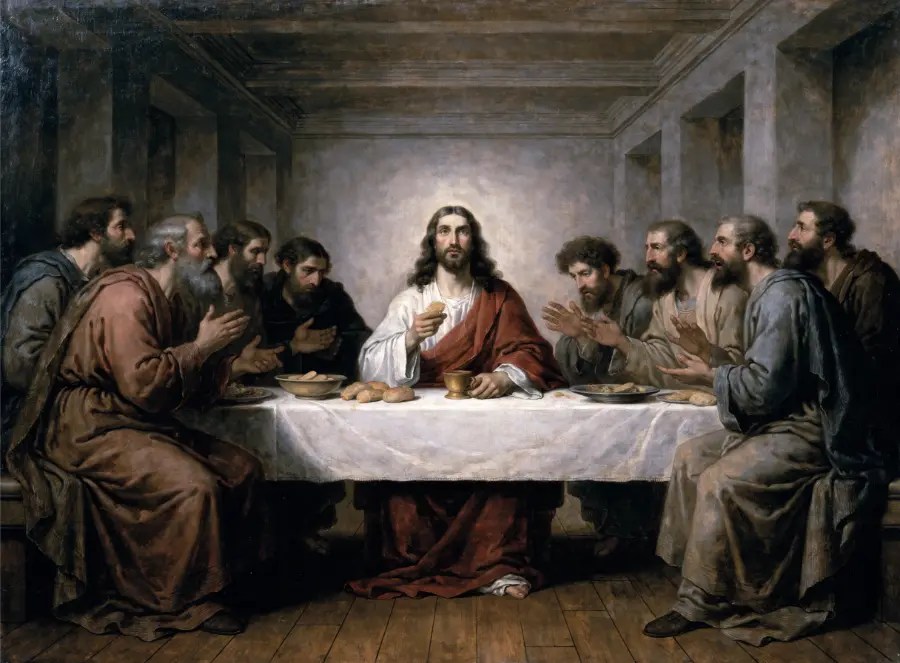
Raphael is the Hebrew Refa’el, from rafa, “to heal,” and el, “God,” so it means “God heals” or “God has healed.” The same verb is in God’s words to Israel after the bitter water of Marah was made sweet: “I am the Lord, your healer” (Exodus 15:26), the verse behind the title Jehovah Rapha. The Book of Tobit states the angel’s task in the same terms: “Raphael was sent to heal the two of them” (Tobit 3:17).
Rafael is the form used in Spanish, Portuguese and several other languages, Raffaele is the Italian form and Rafail the Greek and Russian. Rafa is the Spanish short form. The name has never been common in the English-speaking world, and it is best known there through the Italian painter Raffaello Sanzio (1483–1520), called Raphael in English.
Is Raphael in the Protestant Bible?
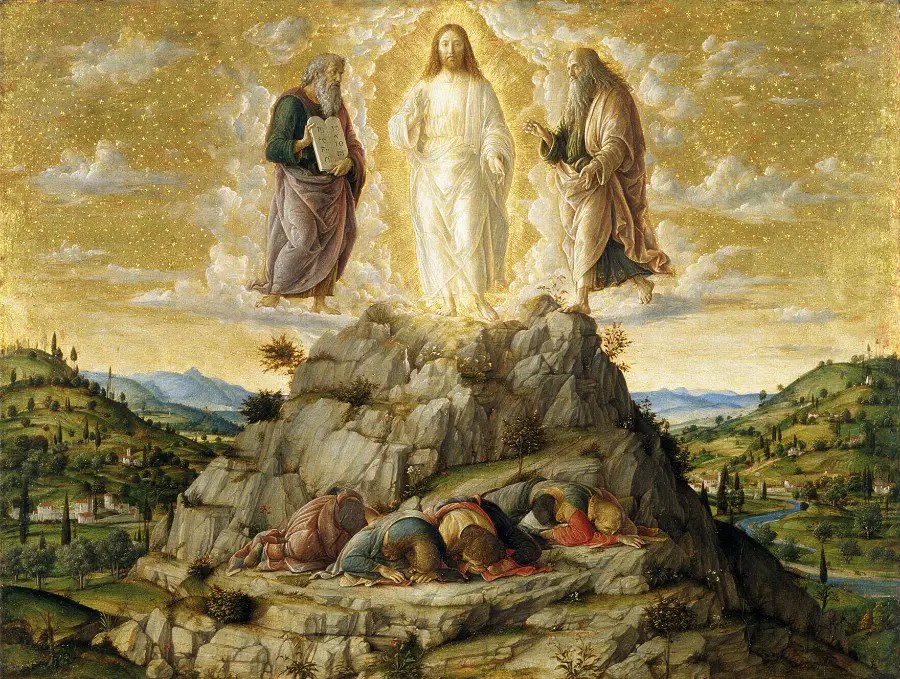
The angel is not, but the name is. First Chronicles lists the gatekeepers of the temple, and among the grandsons of Obed-edom it names “the sons of Shemaiah: Othni, Rephael, Obed and Elzabad” (1 Chronicles 26:7). Rephael is spelled the same way in Hebrew as the angel’s name. Nothing more is said about him.
The angel Raphael is not named in the Hebrew Bible or the New Testament. Later Christian tradition identified him with the unnamed angel who stirred the water of the pool of Bethesda (John 5:4), but that verse is missing from the oldest manuscripts of John, and most modern translations leave it out or print it as a footnote.
Who is Raphael in the Book of Tobit?
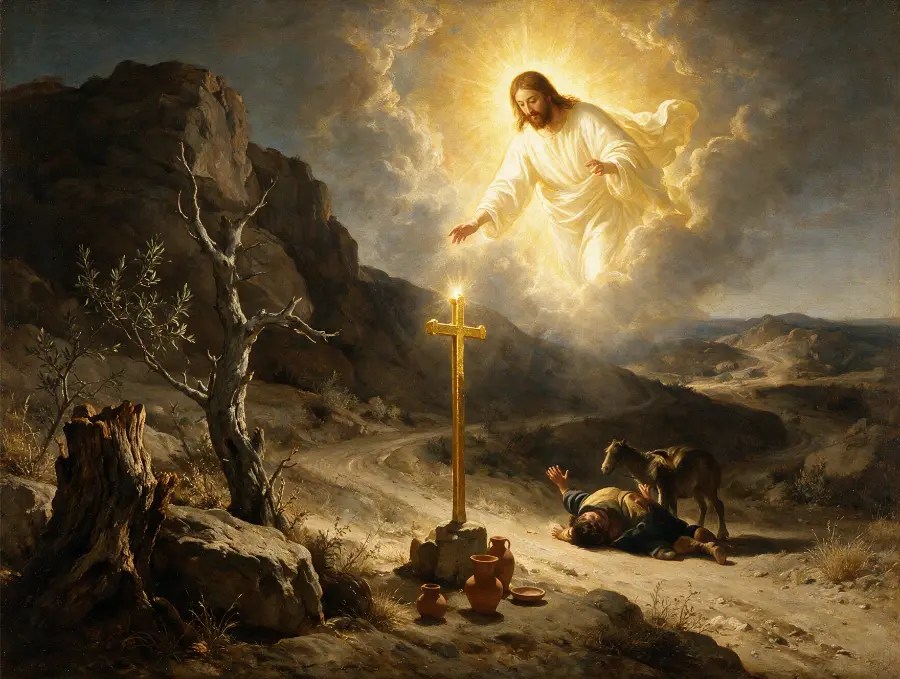
Tobit is the story of two Jewish families in exile. Tobit, a devout man in Nineveh, is blinded when bird droppings fall into his eyes (Tobit 2:10), and he sends his son Tobias to Media to collect ten talents of silver he had left in trust there (Tobit 1:14; 4:1). In Ecbatana, meanwhile, a young woman named Sarah has been given in marriage seven times, and each time the demon Asmodeus has killed the husband before the marriage was consummated (Tobit 3:7–8). Both Tobit and Sarah pray to die, and both prayers are heard: “Raphael was sent to heal the two of them” (Tobit 3:17).
Tobias needs a guide, and he hires a young man who gives his name as “Azarias the son of the great Ananias” (Tobit 5:12). He is Raphael in disguise. At the Tigris a fish leaps at Tobias, and the angel tells him to catch it and keep its heart, liver and gall (Tobit 6:1–5). The angel proposes that Tobias marry Sarah, his kinswoman, and speaks to her father (Tobit 6:10–12). On the wedding night the smoke of the heart and liver drives the demon away to Egypt, “and the angel bound him” (Tobit 8:2–3). When they return to Nineveh, Tobias puts the gall on his father’s eyes, and Tobit sees again (Tobit 11:11–13).
Only then does the guide tell them who he is: “I am Raphael, one of the seven holy angels who present the prayers of the saints and enter into the presence of the glory of the Holy One” (Tobit 12:15). He says that he brought Tobit’s prayers before God, that he only appeared to eat and drink, and he tells them to “write in a book everything that has happened” before he ascends (Tobit 12:12, 19–20).
Is the Book of Tobit in the Bible?
Churches answer this differently. Tobit is not in the Hebrew Bible, though fragments of it in Aramaic and Hebrew were found among the Dead Sea Scrolls. It was part of the Greek Old Testament used by the early Church, and councils at Hippo in 393 and Carthage in 397 listed it among the books of Scripture. The Catholic Church counts it as one of the deuterocanonical books, and the Council of Trent confirmed it as Scripture in 1546. The Eastern Orthodox and Oriental Orthodox churches also include it.
Protestant churches set it apart. Luther’s German Bible printed Tobit among the Apocrypha, “books which are not held equal to the sacred Scriptures, and nevertheless are useful to read.” The Church of England’s Thirty-Nine Articles name “the Book of Tobias” among the books the Church reads “for example of life and instruction of manners; but yet doth it not apply them to establish any doctrine” (Article VI), and the King James Version of 1611 printed the Apocrypha between the Testaments. The Westminster Confession, followed by Presbyterian churches, goes further: the Apocrypha “are no part of the canon of the Scripture.” Most Protestant Bibles printed today leave Tobit out.
Raphael is also named in 1 Enoch, which calls him one of the angels set “over all disease and every wound.” Only the Ethiopian and Eritrean Orthodox Tewahedo churches count 1 Enoch as Scripture.
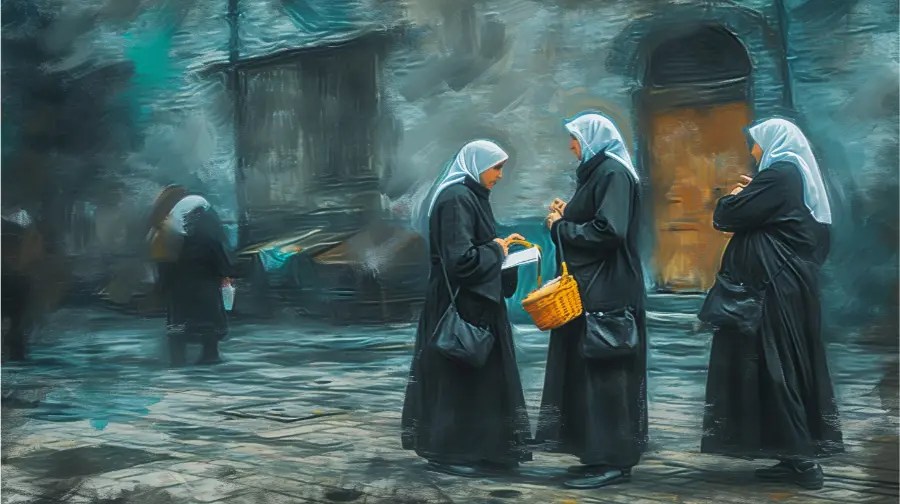
Saint Raphael in the churches
The Catholic Church added a feast of Raphael to its general calendar in 1921, on 24 October. Since 1969 he has been honored with Michael and Gabriel on 29 September. Catholic guidance discourages giving names to angels “except in the cases of Gabriel, Raphael and Michael whose names are contained in Holy Scripture” (Directory on Popular Piety and the Liturgy, 217). The Orthodox Church commemorates him on 8 November with Michael and the other angels. Because of his part in Tobit, Catholics regard him as a patron of travelers, of the blind, of physicians and nurses, and of marriages. A favorite subject of painters, known as Tobias and the Angel, shows him walking beside the young Tobias, who carries the fish.
Related reading
- Is Michael in the Bible?
- Catholic and Protestant Bibles: what sets them apart
- What does Jehovah Rapha mean?
Related reading
A blessing card for Raphael
Raphael
means God heals
Hebrew, from Refa'el
In the BibleThe angel in Tobit (Catholic and Orthodox Bibles); every Bible names a Levite Rephael in 1 Chronicles 26:7
Shemaiah’s sons were Othni, Rephael, Obed, and Elzabad; his brothers were Elihu and Semachiah, also capable men.
1 Chronicles 26:7 Berean Standard Bible
Raphael, may the LORD bless you and keep you. Numbers 6:24
The card is on its way
Look for an email from Christian Pure in the next few minutes.


Leave a Reply