The Stone Before Jesus’ Tomb: How Big Was It?


  • The stone used to seal Jesus' tomb was likely a large, disk-shaped stone carved from local limestone, weighing between 1 to 2 tons. It served both practical purposes, such as deterring grave robbers, and symbolic purposes, representing the finality of death that Jesus would overcome through resurrection.
  • Joseph of Arimathea, possibly assisted by others, rolled the stone in front of Jesus' tomb after His burial. The sealing of the tomb may have included additional security measures, such as Roman seals, to prevent tampering, reflecting the anxiety of Jesus' opponents.
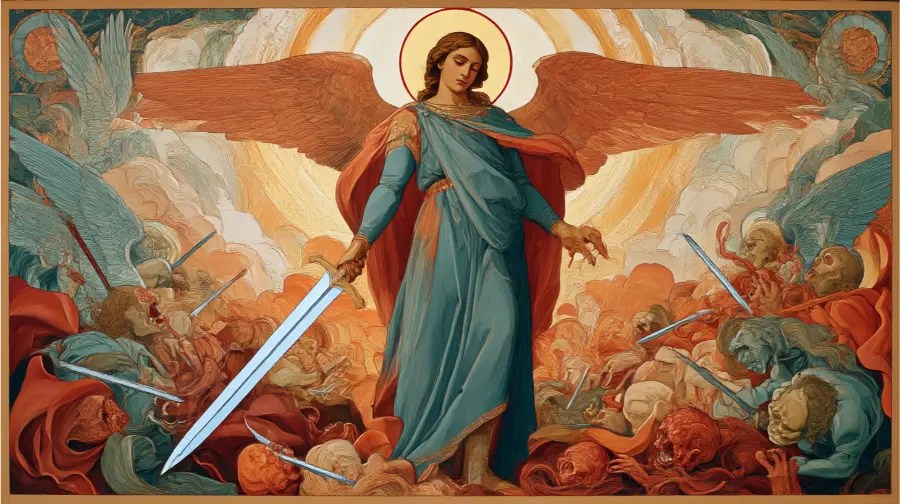
  • The Gospels describe the stone's removal as a divine act, with an angel rolling it away, signifying Jesus' resurrection. This event is seen as a symbol of God's power over death, breaking the barrier between life and death, and inviting believers to witness the resurrection.
  • Early Church Fathers interpreted the stone's removal as a symbol of the transition from the Old Covenant to the New, the victory over sin and death, and a challenge to human unbelief. They emphasized the stone's removal as a call to faith and transformation, encouraging believers to embrace the resurrection's power in their lives.

What type of stone was used to seal Jesus’ tomb? The tombs of that era were typically sealed with large, disk-shaped stones carved from local limestone. This limestone, abundant in the region, was soft enough to be easily worked yet durable enough to serve its solemn purpose. We can imagine this pale stone, perhaps tinged with hues of cream or gray, standing as a silent sentinel before the entrance to our Lord’s resting place. Psychologically the use of such a…

Continue reading with a subscription

Get unlimited access to all our premium content and exclusive features.

Enjoy unlimited access, cancel anytime.


Discover more from Christian Pure

Subscribe now to keep reading and get access to the full archive.

Continue reading

Share to...