
 Dutch
 English
 Chinese
 Arabic
 Spanish
 Portuguese
 Russian
 French
 Italian
 German
 Japanese
Salvationists believe that Christ died for the whole world and that anyone at all may come to him. Their sixth doctrine says it in words they have lived by since the Booths’ day: the Lord Jesus Christ “has by His suffering and death made an atonement for the whole world so that whosoever will may be saved.” They hold that hope inside the faith of the creeds, one God in three persons and a Bible “given by inspiration of God,” and they keep a few things that are their own. They teach with John Wesley that God can make a believer holy in this life, their members promise to give up drink, tobacco and gambling, and they worship without baptism or the Lord’s Supper. The Army’s own history says that from its first days in London its focus was on “those who had been rejected by the traditional churches.”
Many of us know the Salvation Army by its kettles at Christmas and its shops, and never think of it as a church, but it calls itself one. “The Salvation Army, an international movement, is an evangelical part of the universal Christian Church,” its mission statement begins, and its mission is “to preach the gospel of Jesus Christ and to meet human needs in his name without discrimination.” The kettles and the shops belong to the second half of that mission: the first red kettle was put out in 1891 by Captain Joseph McFee, a Salvation Army officer who was “looking for a way to cover the cost of the community Christmas meal.” In 2008 the Army described how it had grown “from being a para-church evangelistic revival movement (at first known as The Christian Mission) to being a Christian church with a permanent mission to the unsaved and the marginalised.” Its congregations are called corps and its members soldiers. In November 2026 its International Headquarters in London counted 1,250,459 soldiers in 14,067 worshipping communities across 134 countries.
Where the Army came from
William and Catherine Booth
William Booth was born in Nottingham in 1829. The Army’s own history says he “found his Christian faith early on in life and became an active Methodist, preaching and helping the poor in his local area,” and he went on to be ordained a minister of the Methodist New Connexion. He married Catherine Mumford, and together they moved to the east of London. There, in June 1865, he preached to the crowds outside a pub called the Blind Beggar, and the work that began there was called The Christian Mission. It met in “dance halls, bowling alleys and outdoors,” and the history remembers who came: “All were welcome – including those impoverished and disadvantaged.”
The Army’s name grew out of a phrase in the mission’s annual report for 1878, “The Christian Mission … is a Volunteer Army.” Booth objected to it, and by replacing the word “volunteer,” the history says, “The Salvation Army had its new title.” The ranks and the uniforms came after the name.
uit History: The story of The Salvation Army so far (Salvation Army International Headquarters)
The Salvation Army and the Methodists
Booth carried his beliefs out of Methodism with him. The Army’s Handbook of Doctrine, the official guide to its teaching, says the articles of faith have their roots “clearly in the Wesleyan tradition” and “bear a striking similarity in words and content to Methodist New Connexion doctrines.” In 1865 Booth adopted seven articles of belief for the Christian Mission, and the Handbook names what the Army owes to Methodism: “Our strong emphasis on regeneration and sanctification, our conviction that the gospel is for the whosoever and our concern for humanity’s free will all find their roots there.”
So on grace, free will and holiness a Salvationist and a Methodistisch would find very little to argue about. They differ over the sacraments: Methodists keep baptism and the Lord’s Supper, and Salvationists keep neither. Nor did the Army ever return to the church it came from. “The Army springs from the Methodist Revival and has remained unassimilated by any other denomination,” its 2008 statement says.
uit The Salvation Army Handbook of Doctrine (2010), Chapter 1 and Appendix 5
De elf doctrines
God, the Bible and Jesus Christ
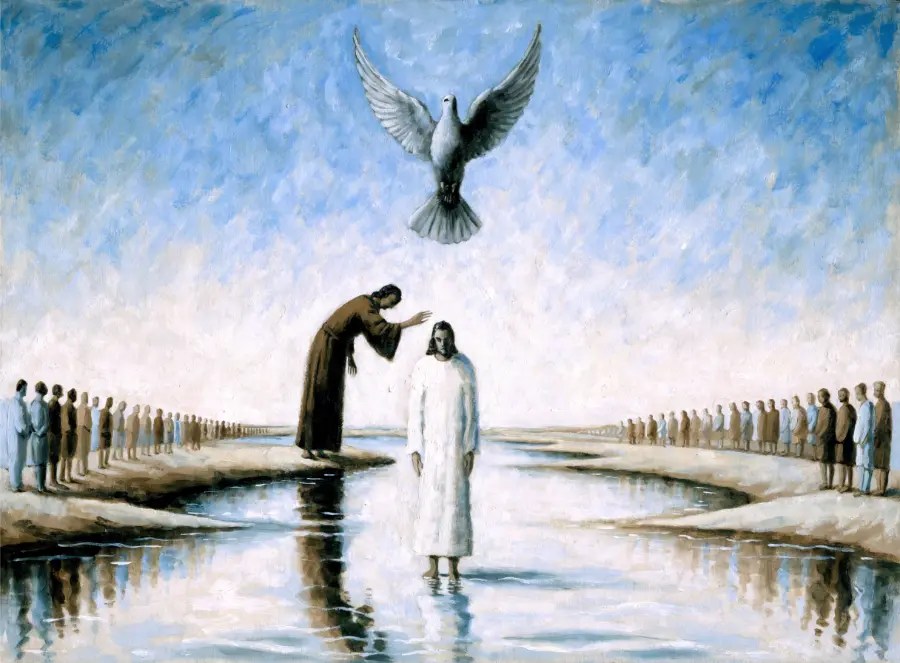
The Army’s whole faith fits in eleven sentences, each beginning “We believe,” and every soldier signs them. The first is about the Bible: “We believe that the Scriptures of the Old and New Testaments were given by inspiration of God, and that they only constitute the Divine rule of Christian faith and practice.” The next three confess the God of the creeds, one God and in him “three persons in the Godhead – the Father, the Son and the Holy Ghost, undivided in essence and co-equal in power and glory.” In Jesus Christ “the Divine and human natures are united, so that He is truly and properly God and truly and properly man.”
That first doctrine is why the Army counts itself among the evangelical Protestants. “Belief in the primary authority of Scripture indicates the affinity of The Salvation Army with Protestant Evangelicalism,” the Handbook says.
uit What we believe: Doctrines of The Salvation Army (Salvation Army International Headquarters)
Salvation for whosoever will
Sin, and an atonement for the whole world
The fifth doctrine tells the old story of the Fall. Our first parents “were created in a state of innocency, but by their disobedience they lost their purity and happiness,” and so “all men have become sinners, totally depraved, and as such are justly exposed to the wrath of God.” Those are hard words, and the Handbook stops to say what they mean. “This does not mean that humankind is completely evil and incapable of any response to good,” it says. The depravity is total “in the sense that every part of the being is affected by the corruption of sin.”
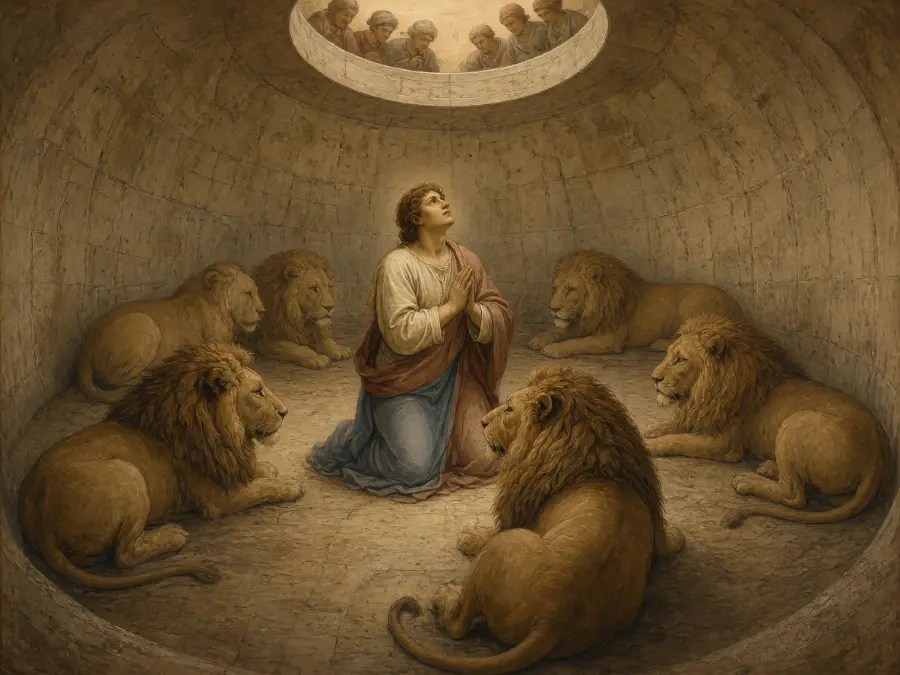
Then comes the sixth doctrine, the one the Army has lived by: “the Lord Jesus Christ has by His suffering and death made an atonement for the whole world so that whosoever will may be saved.” We can hear in it the last invitation in the Bible, “whosoever will, let him take the water of life freely” (Revelation 22:17). “The possibility of salvation for ‘the whosoever’ is foundational to The Salvation Army’s belief, history and ongoing mission,” the Handbook says, and it means that the benefits of Christ’s death are “not limited to a chosen elect.” God “is constantly at work by his grace to draw all people to himself. And yet response to God’s grace is an act of free will; we can accept or reject the new life that is offered to us.”
uit Het Leger des Heils versus katholieke overtuigingen
Knowing we are saved, and keeping faith
How does a person come to God? The seventh doctrine answers that “repentance towards God, faith in our Lord Jesus Christ, and regeneration by the Holy Spirit, are necessary to salvation.” The eighth adds that “we are justified by grace through faith in our Lord Jesus Christ and that he that believeth hath the witness in himself,” words taken from John (1 John 5:10), and Salvationists take them to mean that we can know we are forgiven. “We can be assured because the Holy Spirit speaks to us and our lives have been changed,” the Handbook says.
The ninth doctrine sets a warning beside that promise: “continuance in a state of salvation depends upon continued obedient faith in Christ.” So Salvationists do not teach that a person once saved is always saved. “Freedom to live by grace includes freedom to turn away,” the Handbook says, and the old name for turning away is backsliding. Anyone who has turned away may come back, and Catherine Booth said how soon: “When you repent enough to forsake your sin, that moment your repentance is sincere and you may take hold of Jesus with a firm grasp.”
uit The Salvation Army Handbook of Doctrine (2010), Chapters 8 and 9
Heiligheid
The tenth doctrine takes Paul’s prayer for the Thessalonians (1 Thessalonians 5:23) and turns it into a promise: “We believe that it is the privilege of all believers to be wholly sanctified, and that their whole spirit and soul and body may be preserved blameless unto the coming of our Lord Jesus Christ.” This is Wesley’s teaching of volledige heiliging: God not only forgives a believer but can make that believer holy in this life. In 1902, nearly forty years after the work began in east London, William Booth wrote that it mattered to him as much as ever: “I regard the enjoyment and publication of the Blessing of a Clean Heart as being essential to my own peace, power and usefulness, and as necessary to the progress and prosperity of the Army as it ever was.”
What does a holy life look like? Samuel Logan Brengle, an American officer whose writing shaped much of the Army’s understanding of holiness in the first half of the twentieth century, put it in two sentences: “Holiness, then, is conformity to the nature of God. It is likeness to God, as he is revealed in Jesus.” For a Salvationist that likeness is lived out in serving other people, and the Handbook finds in this teaching “the very essentials of Salvationism, which are the intimate relationship between spirituality and service, the holy life and mission.”
uit The Salvation Army Handbook of Doctrine (2010), hoofdstuk 10
Why the Army keeps no sacraments
The decision of 1883
The Christian Mission began by baptizing babies like the churches around it. Bramwell Booth, William and Catherine’s son, who later led the Army after his father, remembered that when he took up his work in 1874 “the Lord’s Supper was administered monthly at all our stations.” He wrote of those suppers warmly: “There was a total absence of display, but wonderful freedom,” and sometimes the unsaved who had come in to watch “were there and then brought to Christ.”
The doubt, Bramwell said, began with his mother. “She had a deep horror of anything which might tend to substitute in the minds of the people some outward act or compliance for the fruits of practical holiness.” His father put one question to every practice, “Will it help to our great end? If it will not help, will it hinder?”, and what he feared most in the Supper was its “divisiveness.”
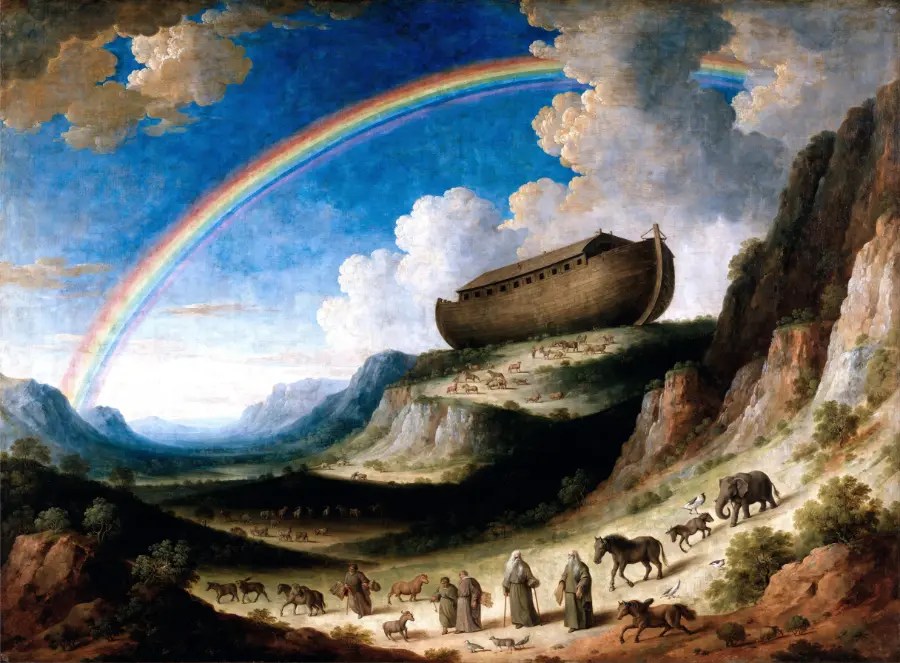
A Salvation Army officer who told this story in Caring, the Army’s magazine in the United States, in 1996, adds that Catherine “admired the piety and sincerity of the Quakers,” who kept no sacraments either. Then, in January 1883, The War Cry printed William Booth’s New Year address to his officers. He told them the sacraments were not necessary for salvation and that the Army’s worship would no longer include them. He did not “prohibit anyone from taking the sacraments,” and he left the final decision for a later day, “when we have more enlightenment.” Bramwell, who had so often been helped at the table, was the last to let go. “I believe that I was the last officer of the Salvation Army to administer the Lord’s Supper to any of its people,” he wrote. The baptism of babies faded away gradually, as he remembered it, and in its place the Army put a service of dedication, “A public presentation of infants to the Lord,” in which the parents make vows about how the child will be raised.
uit Bramwell Booth On the Sacraments (Caring, The Salvation Army USA)
How Salvationists explain it now
The Handbook says the Army was “led of God” to this, and it sees the Army as “a permanent witness to the Church as to the possibility, and practicability, of sanctification without formal sacraments.” It guards against the other danger too, that “non-observance of the sign may also lead to neglect of the reality that is represented.” The principle fits in a line from the International Spiritual Life Commission, which the General called together in the 1990s to name what is essential to the Army’s spiritual life: “No particular outward observance is necessary to inward grace.”
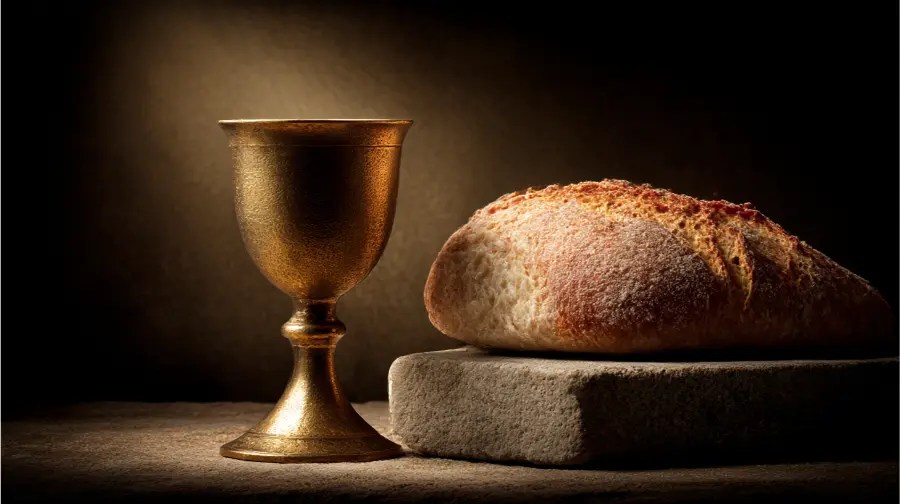
That does not mean Salvationists have stopped speaking of baptism or of a holy meal. They rejoice “that all who are in Christ are baptised into the one body by the Holy Spirit,” as Paul wrote, “For by one Spirit are we all baptized into one body” (1 Corinthians 12:13). When a new soldier is sworn in beneath the Army’s flag, they see it as “a public response and witness to a life-changing encounter with Christ which has already taken place, as is the water baptism practised by some other Christians.” And of the Lord’s table they say, “We confess one sacramental meal, not administered ritually, but presided over by Christ himself at any table where he is received and honoured.” A Salvationist visiting a church that gives Communion “may partake if they choose to do so and if the host Church allows.”
uit The Salvation Army Handbook of Doctrine (2010), The Church, E. The Sacraments, and Appendix 4
The mercy seat
At the front of a Salvation Army hall, usually between the platform and the seats, stands a bench. The Army calls it the mercy seat, or penitent form, “a bench provided as a place where people can kneel to pray, seeking salvation or sanctification, or making a special consecration to God’s will and service.” The International Spiritual Life Commission said it “may be used by anyone, at any time.”
uit Glossary of terms (Salvation Army International Headquarters)
Soldiers, officers and the uniform
Soldiers and the Soldier’s Covenant
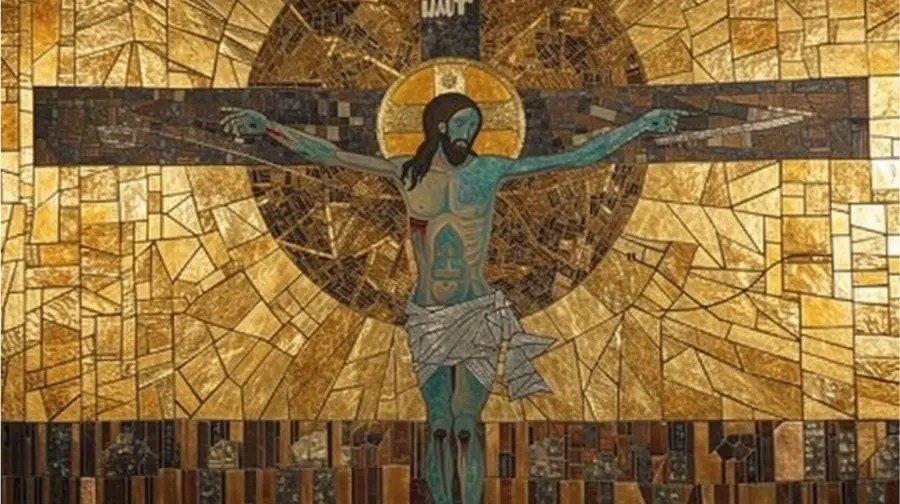
A Salvationist who joins in full is a soldier, “A converted person at least 14 years of age who has, with the approval of the pastoral care council, been enrolled as a member of The Salvation Army after signing the Soldier’s Covenant.” The word carries Paul’s charge to Timothy, “endure hardness, as a good soldier of Jesus Christ” (2 Timothy 2:3). The covenant, once called the Articles of War, sets out the eleven doctrines and then turns them into promises for everyday life: “I will uphold the sanctity of marriage and of family life,” and “I will abstain from alcoholic drink, tobacco, the non-medical use of addictive drugs, gambling, pornography, the occult, and all else that could enslave the body or spirit.” The soldier signs, it says, “convinced that the love of Christ, who died and now lives to save me, requires from me this devotion of my life to his service for the salvation of the whole world.”
The promise about drink was first made among people drink had ruined. “People once lost in a cycle of poverty and drunkenness took the abstinence pledge in earnest—and it transformed their lives,” the Army’s international statement on alcohol says, and soldiers keep the pledge now “In solidarity” with those still caught. Not everyone in a corps takes these vows. An adherent is “A person who regards The Salvation Army as his/her spiritual home but has not made a commitment to soldiership.” Salvationists wear the Army’s uniform, the Handbook says, “as a witness to belonging to Christ and as a signal of availability to others.”
uit The Salvation Army Handbook of Doctrine (2010), Appendix 5 and Appendix 6: Salvation Army covenants
Officers and ranks
The Army’s ministers are its officers. An officer is “A Salvationist who has been trained, commissioned and ordained to service and leadership in response to God’s call,” and “An officer is a recognised minister of religion.” They rise through the ranks from lieutenant to commissioner, and over them all is the General, elected by a High Council of senior officers. In November 2026 that is General Lyndon Buckingham, the 22nd.
uit Glossary of terms (Salvation Army International Headquarters)
Women officers from the start
In 1859, six years before the Christian Mission began, Catherine Booth wrote a pamphlet called Female Ministry; or, Woman’s Right to Preach the Gospel. She built it on Joel’s promise, “your sons and your daughters shall prophesy” (Joel 2:28), which Peter took up at Pentecost (Acts 2:17), and she read it plainly: “But God says, by His prophet Joel, they shall use it, just in the same sense as the sons use it.” The Army’s orders today say that “Both men and women Salvationists, married or single, can hold any rank, responsibility or position of authority in the Army from that of local officer to that of General.” William and Catherine’s daughter Evangeline Booth was elected the fourth General in 1934.
The Army’s statement on sexism, approved in May 2019, admits that its people have not always lived up to this: “While valuing gender equity, The Salvation Army acknowledges with regret that Salvationists have sometimes conformed to societal and organisational norms that perpetuate sexism.” Many churches still ask whether women may be pastors and preachers. Salvationists have given one answer since Catherine Booth’s day, the answer they find in Paul’s words to the Galatians: “there is neither male nor female: for ye are all one in Christ Jesus” (Galatians 3:28).
uit International Positional Statement: Sexism (Salvation Army International Headquarters)
Soup, soap and salvation
Serving the poor as part of the faith
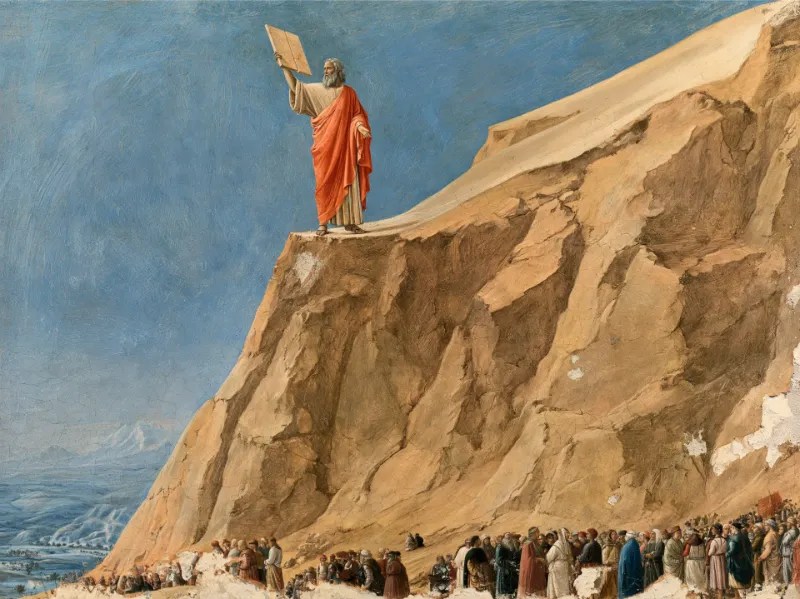
“‘Soup, soap and salvation’ was a common saying amongst early Salvationists,” the Army’s history says, “and is still repeated today.” In October 1890 William Booth published In Darkest England and the Way Out, a plan against the slums, homelessness and hunger he saw across Britain. For Salvationists this work belongs to the faith itself, and they promise it when they join. Every officer promises “to care for the poor, feed the hungry, clothe the naked, love the unlovable, and befriend those who have no friends,” and every soldier promises to share “the good news of Jesus Christ” and, “in his name,” to care “for the needy and the disadvantaged.”
We hear behind those promises what Jesus said of the last judgment: “I was an hungred, and ye gave me meat: I was thirsty, and ye gave me drink: I was a stranger, and ye took me in: Naked, and ye clothed me” (Matthew 25:35–36). The Army’s history gives its own reason in a single line: “a love of God’s people and a desire to put our beliefs into action.”
uit History: The story of The Salvation Army so far (Salvation Army International Headquarters)
Marriage and the life to come
Huwelijk
International Headquarters has published no positional statement on marriage, so here we listen to one of its territories, as the Army calls a country or group of countries in which its work is organised under a territorial commander. The territory of the United Kingdom with the Republic of Ireland, in a statement revised in June 2011, says, “The Salvation Army believes that God ordained marriage to be an exclusive and lifelong relationship between one man and one woman which is characterised by mutual submission, respect, self-giving love, faithfulness and openness to each other.” It names what falls short of that, “breakdown, separation and divorce, cohabitation, forced marriage, same-sex partnerships and polygamy,” and in the next breath says, “The Salvation Army does not condemn or abandon people who fall short of the ideal.” Where a marriage has ended in divorce, “remarriage by a Salvation Army officer may be permitted, following careful counselling.”
uit Echtscheiding en hertrouwen: wat elke kerk toestaat
Promoted to Glory
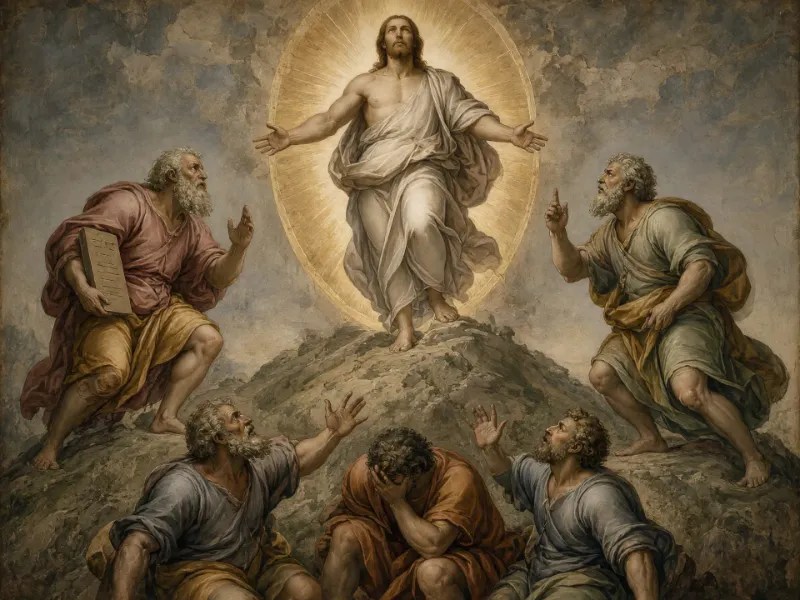
When a Salvationist dies, the Army says that Salvationist has been promoted to Glory, “The Salvation Army’s description of the death of Salvationists.” The eleventh doctrine gives the hope behind it: “We believe in the immortality of the soul; in the resurrection of the body; in the general judgment at the end of the world; in the eternal happiness of the righteous; and in the endless punishment of the wicked.” The Handbook does not soften that last clause, for “to choose to reject the grace of God must issue in a separation from him that reaches into eternity.” It finds “no substantial biblical foundation” for purgatory, and past that it will not guess, whether about what lies between death and the last day or about the details of Christ’s return: “We do not engage ourselves in speculative details … We can trust that we will be safe in the hands of God.”
uit Welke denominaties geloven in de opname?
In 2015 Salvationists from around the world met in London to keep the Army’s 150th year, and they took their theme from a hymn William Booth wrote. Its first verse is the sixth doctrine set to music: “O boundless salvation! deep ocean of love, / O fulness of mercy, Christ brought from above; / the whole world redeeming, so rich and so free, / now flowing for all men … come, roll over me!”
How Salvationists differ from their neighbours
- Het Leger des Heils versus katholieke overtuigingen
- Wat geloven methodisten? Genade voor iedereen, zekerheid, heiligheid
- Geloof van de Kerk van de Nazarener vergeleken met methodistisch geloof
- Geloven Quakers in Jezus? Quaker-overtuigingen vergeleken met andere christenen
- Hoeveel sacramenten zijn er? Katholieken zeggen 7, de meeste protestanten 2
- What Do Pentecostals Believe?
- Wat geloven protestanten? Wat ze delen en waar ze verschillen
See every answer for Salvationists and compare with another church
Meer uit deze reeksDenominaties vergelekenBekijk alle 163 artikelen

Een reactie plaatsen