
 Dutch
 English
 Chinese
 Arabic
 Spanish
 Portuguese
 Russian
 French
 Italian
 German
 Japanese
Most Pentecostals believe what evangelical Christians believe about God, the Bible and salvation: one God in three persons, a Bible inspired word for word, and forgiveness through repentance and faith in Jesus Christ. What makes them Pentecostal is that they take the Day of Pentecost as meant for every believer. On that day the disciples “were all filled with the Holy Ghost, and began to speak with other tongues, as the Spirit gave them utterance” (Acts 2:4), and Pentecostals believe Jesus still baptizes his people in the Spirit, still heals the sick, still gives his church the gifts of the Spirit, and is coming again soon. One of their churches, the Foursquare Church, sums it up in its name: “The four squares represent the four scriptural roles of Jesus as Savior, Baptizer with the Holy Spirit, Healer and Soon-Coming King.” A smaller family, the Oneness Pentecostals, shares the experience of Pentecost but not the doctrine of the Trinity.
On 1 January 1901, the Assemblies of God tells us, students at Charles Parham’s Bethel Bible School in Topeka, Kansas, began speaking in tongues, and in the summer of 1906 revival broke out in a small, run-down mission at 312 Azusa Street in Los Angeles. Its preacher, William J. Seymour, an African American Holiness man, “preached racial reconciliation and the restoration of biblical spiritual gifts,” and “The revival soon became a local sensation, then attracted thousands of curiosity seekers and pilgrims from around the world.” A little over a century later, in 2011, the Pew Research Center counted about 279 million Pentecostal Christians in the world, 44 percent of them in sub-Saharan Africa and 37 percent in the Americas.
They belong to many churches, and the five quoted most on this page are American ones. The Assemblies of God, founded at Hot Springs, Arkansas, in 1914, calls itself “one of the largest Pentecostal denominations in the United States.” Beside it stand the Church of God (Cleveland, Tennessee); the Church of God in Christ, founded by Charles Harrison Mason and based in Memphis; the International Pentecostal Holiness Church, formed when the Fire-Baptized and Pentecostal Holiness churches joined in 1911; and the Foursquare Church, which Aimee Semple McPherson began with Angelus Temple in Los Angeles in 1923. The Foursquare Church speaks here through its name and the six Global Distinctives its churches agreed on in 2012, not through its longer Declaration of Faith.
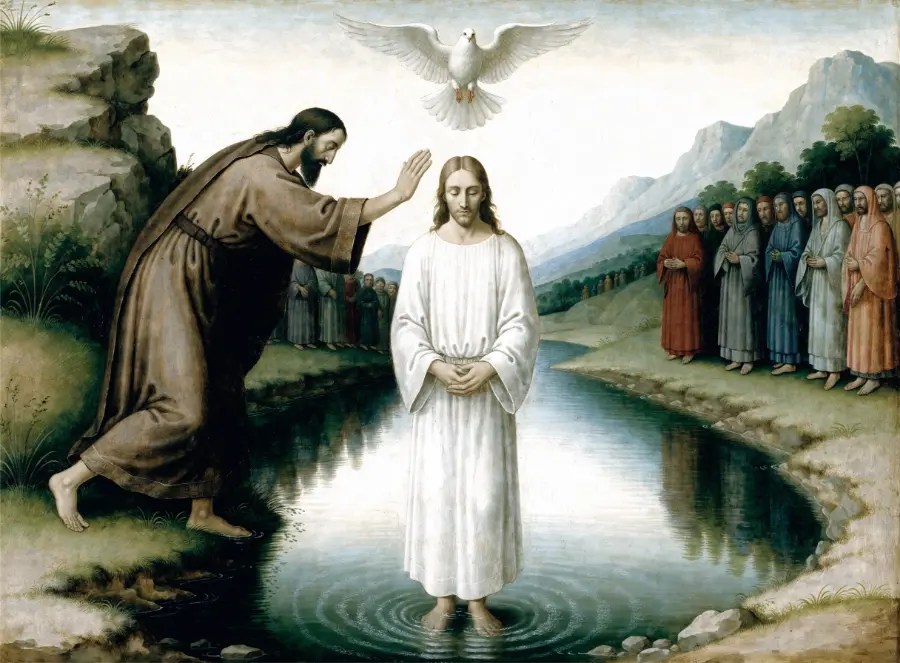
God en de Bijbel
De Drie-eenheid
The Assemblies of God, the Church of God, the Church of God in Christ and the Pentecostal Holiness Church all confess one God in three persons. The Assemblies of God grants that the words Trinity and persons are not in the Bible, and then says they “are words in harmony with Scripture,” so that “We therefore may speak with propriety of the Lord our God who is One Lord, as a trinity or as one Being of three persons, and still be absolutely scriptural.”
Almost as soon as the Assemblies of God was founded, its leaders had to face Oneness theology, which they called the “New Issue,” and “In 1916 the General Council approved a Statement of Fundamental Truths, which affirmed Trinitarian orthodoxy.” The Pentecostal Holiness Church drew the same line in its articles: “We do not believe in ‘three Gods’ as the Unitarian, or ‘Jesus only,’ teaching maintains that we do.” The churches that went the other way, the United Pentecostal Church International among them, are called Oneness Pentecostals, and many of them call themselves Apostolic. They do not hold the doctrine of the Trinity, and the UPCI puts its own belief this way: “There is one God, who has revealed Himself as Father; through His Son, in redemption; and as the Holy Spirit, by emanation. Jesus Christ is God manifested in flesh. He is both God and man.” There is more about them in Pinksterchristenen en de Drie-eenheid.
uit Assemblies of God Statement of Fundamental Truths, Truth 2
De Bijbel
All of these churches take the Bible as the written Word of God and the rule for what they believe and how they live. The Church of God believes “the whole Bible to be completely and equally inspired and that it is the written Word of God,” and the Assemblies of God calls the Scriptures “the infallible, authoritative rule of faith and conduct.” It even sets its own statement of faith beneath the Bible it serves. “The Bible is our all-sufficient rule for faith and practice,” it begins, and “The phraseology employed in this Statement is not inspired nor contended for.”
uit Assemblies of God Statement of Fundamental Truths, preamble and Truth 1
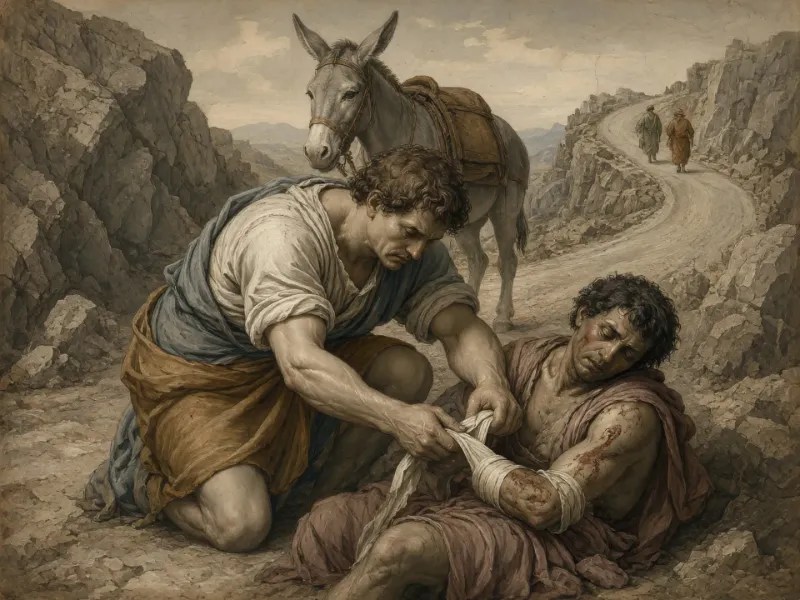
Jesus who saves
Saved by grace through faith, and can it be lost?
On how a person is saved, the Trinitarian churches sound like any evangelical church. “Salvation is received through repentance toward God and faith toward the Lord Jesus Christ,” says the Assemblies of God, and the Church of God puts it in a line: “justification, regeneration, and the new birth are wrought by faith in the blood of Jesus Christ.” A believer may know it, too, for “The inward evidence of salvation is the direct witness of the Spirit.” The UPCI also teaches that “Salvation comes by grace through faith,” but it says a person obeys the gospel “by repentance (death to sin), water baptism in the name of Jesus Christ (burial), and the baptism of the Holy Spirit with the initial sign of speaking in tongues as the Spirit gives the utterance (resurrection).”
Can it be lost? The Assemblies of God says it can. Its bylaws hold that “the security of the believer depends on a living relationship with Christ (John 15:6),” and point to Jesus’ parable of the seed on the rock, those “which for a while believe, and in time of temptation fall away” (Luke 8:13). So it “disapproves of the unconditional security position which holds that it is impossible for a person once saved to be lost.”
uit Baptisten versus Assemblies of God: Hetzelfde evangelie, verschillende leer over de Heilige Geest
The second blessing and the finished work
The first Pentecostals came out of the Holiness churches, which held John Wesley’s teaching that God sanctifies a believer in a second work of grace after conversion. When Mason went to Seymour’s revival in Los Angeles in 1907, he heard Seymour end his sermon like this: “All of those that want to be sanctified or baptized with the Holy Ghost, go to the upper room; and all those that want to be justified, come to the altar.” Early Pentecostals, the historian James R. Goff Jr. explains, called sanctification a “second blessing” and the necessary step before “a third experience,” the baptism in the Spirit.
In 1910 a Chicago pastor, William H. Durham, preached against it. He called his teaching the “finished work at Calvary” because “he believed the work of Christ on the cross was sufficient for both salvation and sanctification,” and by 1915 roughly half of all Pentecostals held his view. Most of the churches that had been Holiness bodies before the Pentecostal outpouring kept the second blessing, while newer ones, Goff writes, “including the Assemblies of God, either left the matter open to individuals or adopted the finished-work view,” and in 1998 he called the finished work “the view of most American Pentecostals.”
So the churches still give two answers. The older Holiness churches say a clean heart comes first. The Church of God believes “In the baptism with the Holy Ghost subsequent to a clean heart,” and the Pentecostal Holiness Church, which “has attempted to preserve the Wesleyan tradition while perpetuating the Pentecostal tradition,” teaches that sanctification “includes a definite, instantaneous work of grace achieved by faith subsequent to regeneration,” because “we do not believe God will fill an unclean temple or vessel with His Holy Spirit.” The Assemblies of God speaks instead of a holiness taken hold of day by day, “the faith reckoning daily upon the fact of that union.” Yet it and the Pentecostal Holiness Church point to the same verse for where the road leads, a life of “holiness without which no man shall see the Lord.”
uit Sanctification Scuffles, Christian History magazine, issue 58 (1998)
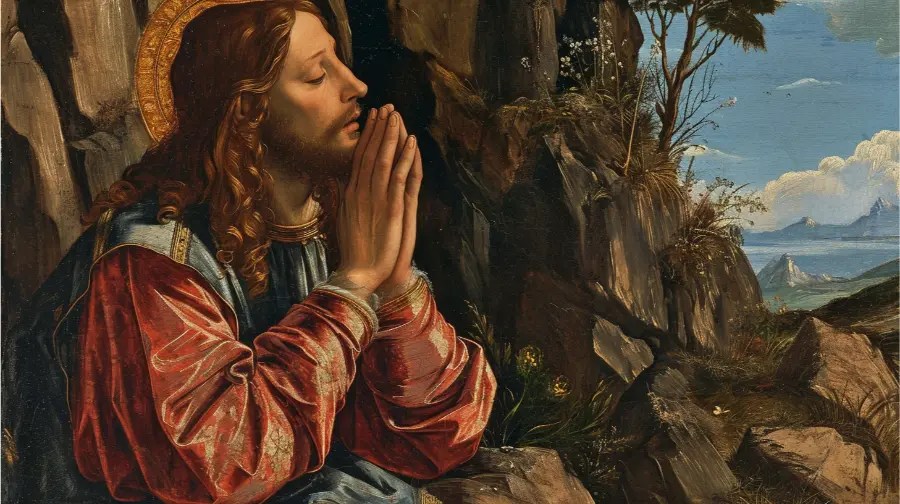
Jesus who baptizes with the Holy Spirit
De doop in de Heilige Geest
Before he was taken up, Jesus told his disciples, “behold, I send the promise of my Father upon you: but tarry ye in the city of Jerusalem, until ye be endued with power from on high” (Luke 24:49). Pentecostals read that promise as meant for believers today. “All believers are entitled to and should ardently expect and earnestly seek the promise of the Father, the baptism in the Holy Spirit and fire,” says the Assemblies of God, and in the Trinitarian churches it comes after a person is saved. The church’s 2010 paper sets out the order in one sentence: “At conversion, the Spirit baptizes into Christ/the body of Christ; in a subsequent and distinct experience, Christ will baptize in the Holy Spirit.” Other churches place this baptism elsewhere, and our page on whether the baptism of the Holy Spirit comes at conversion, at confirmation or later plaatst ze naast elkaar.
How does a believer receive it? By asking, says the Church of God in Christ: it “is given to believers who ask for it,” as Jesus said, “how much more shall your heavenly Father give the Holy Spirit to them that ask him?” (Luke 11:13). Mason asked for it in Los Angeles in March 1907, and his church keeps his own account. “I said Lord if I could only baptize myself, I would do so; for I wanted the baptism so bad I did not know what to do. I said, Lord, You will have to do the work for me; so I turned it over into His hands.” Then it came. “When I opened my mouth to say Glory, a flame touched my tongue which ran down me. My language changed and no word could I speak in my own tongue. Oh! I was filled with the Glory of the Lord. My soul was then satisfied.”
uit Our History, Church of God in Christ
spreken in tongen
In the Trinitarian churches, tongues belong to that second experience, not to conversion. The Assemblies of God, the Church of God and the Pentecostal Holiness Church teach that speaking in tongues is the first outward sign that a believer has been baptized in the Spirit. Parham called it the “Bible evidence,” and the Assemblies of God now says that “The baptism of believers in the Holy Spirit is witnessed by the initial physical sign of speaking with other tongues as the Spirit of God gives them utterance.” The other two call it the “initial evidence,” and the Pentecostal Holiness Church takes care to say what that means: “We do not believe this is the only evidence of the Spirit’s baptism, but it is the initial evidence, just as it occurred in the repeated accounts of the Spirit’s outpouring in the Acts of the Apostles.” The UPCI looks for the same first sign, though for them the Spirit’s baptism is part of obeying the gospel. These churches find both gifts held together in one line of Paul’s to the Corinthians: “covet to prophesy, and forbid not to speak with tongues” (1 Corinthians 14:39).
uit Assemblies of God Statement of Fundamental Truths, Truth 8
Prophecy and the other gifts
On the Day of Pentecost Peter told the crowd they were seeing what Joel had foretold: “I will pour out my spirit upon all flesh; and your sons and your daughters shall prophesy” (Joel 2:28). Pentecostals expect it still. In a paper adopted in August 2025 the Assemblies of God says that “From the beginning of the Assemblies of God, prophecy has been affirmed as a spiritual gift for the Church today,” and it is not kept for a few: “Any Spirit-filled believer may prophesy while discernment and judgment of prophecy belong to the full body of Christ.” What is spoken is weighed by the Bible, as the early Pentecostals weighed it, who “judged the message against the whole of Scripture so that no prophecy contradicting the Bible was accepted.” Churches that hold that prophecy ended with the apostles read this differently, and Are there prophets today? sets out how each church says God speaks now.
uit Modern-Day Prophecy, Assemblies of God position paper (2025)
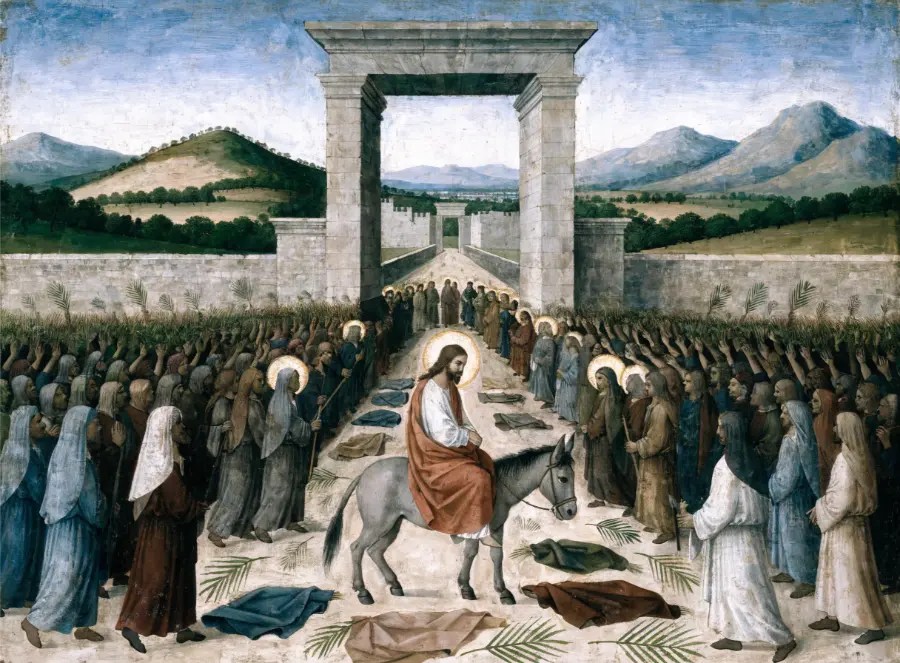
Jesus who heals, and is coming again
Goddelijke Genezing
“Divine healing is an integral part of the gospel,” says the Assemblies of God. “Deliverance from sickness is provided for in the atonement, and is the privilege of all believers.” The Church of God in Christ believes “that the redemptive work of Christ on the Cross provides healing for the human body in answer to believing prayer,” and the Church of God and the Pentecostal Holiness Church also teach that healing is provided in the atonement. The Pentecostal Holiness Church does what James told the church to do, “Is any sick among you? let him call for the elders of the church; and let them pray over him, anointing him with oil in the name of the Lord” (James 5:14), and it says that “while we do not condemn the use of medical means in the treatment of physical disease, we do believe in, practice, and commend to our people the laying on of hands by the elders.”
So do Pentecostals go to doctors? “Belief in divine healing neither opposes nor competes with medical doctors,” the Assemblies of God said in a paper of 2010, and it speaks of the sick who are not made well. “In this period of the ‘already and not yet’ some are healed instantly, some gradually, and others are not healed,” it says. “We do not understand fully why some are healed and others are not, any more than we understand why God permitted James to be martyred and Peter delivered.”
uit Divine Healing, Assemblies of God position paper (2010)
The rapture and the thousand years
Most of these churches look for Jesus to come in two steps, first for his people and then with them to reign. The Church of God names both: “First, to resurrect the righteous dead and to catch away the living saints to Him in the air. Second, to reign on the earth a thousand years.” They take the first step from Paul: “the dead in Christ shall rise first: Then we which are alive and remain shall be caught up together with them in the clouds, to meet the Lord in the air” (1 Thessalonians 4:16–17). The Church of God in Christ calls it “the blessed Hope, which is the rapture of the Church of God,” and the Assemblies of God calls it “the imminent and blessed hope of the church,” teaching that “the Church will be raptured before the period called the Great Tribulation,” and that “the visible return of Christ with His saints to reign on earth for one thousand years” follows. The UPCI too says, “Jesus Christ is coming again to catch away His church.”
uit The Rapture of the Church, Assemblies of God position paper
Kerkelijk leven
Baptism, the Lord’s Supper and washing feet
Pentecostals call baptism and the Lord’s Supper ordinances, and they baptize by immersion those who repent and believe. “All who repent and believe on Christ as Saviour and Lord are to be baptized,” says the Assemblies of God. The Church of God baptizes “in the name of the Father, and of the Son, and of the Holy Ghost,” the words that set Trinitarian Pentecostals apart from the Oneness churches, who baptize “in the name of Jesus Christ.” In the Lord’s Supper the Assemblies of God sees “a memorial of his suffering and death” and “a prophecy of His second coming.” Two of these churches keep a third rite beside the two. The Church of God believes “In the Lord’s Supper and washing of the saints’ feet,” and the Church of God in Christ counts feet washing among its three ordinances: “Feet Washing is practiced and recognized as an ordinance in our Church because Christ, by His example, showed that humility characterized greatness in the Kingdom of God.”
uit Pinksterbeweging versus Katholiek: Gezag, Sacramenten en Tongentaal
Aanbidding
The Assemblies of God looks to the Acts of the Apostles, where “the Spirit dramatically came upon worshippers,” and it sees no rule against any instrument: “The convictions of certain denominations against musical instruments notwithstanding, the New Testament does not prohibit any kind of musical instrument.” The Foursquare Church makes the gifts part of its promise: “we will consistently minister the Baptism of the Holy Spirit, and teach and encourage believers to fully express the gifts of the Spirit in their daily lives.”
uit Worship in the Bible, Assemblies of God position paper
Women in the pulpit
The Foursquare Church was begun by a woman, Aimee Semple McPherson, and it still promises to “release men and women across generations and cultures into all positions of leadership and areas of ministry.” Most of these churches hear in Joel’s “your sons and your daughters shall prophesy” a word about women in ministry. In a paper adopted in August 2025 the Assemblies of God says that “Joel’s prophecy demonstrates the inclusion of women in the ministries of the new covenant age.” The Pentecostal Holiness Church “has licensed and ordained women for ministry in its churches, including the pastorate,” its bishops wrote in 2015, after it had repented in 1996 of “male domination.”
The Church of God (Cleveland, Tennessee) drew the line in another place. In 2010 its spokesman said it ordains women as pastors, but that year “more than 62 percent of the denomination’s bishops voted not to consider changing church policy prohibiting women from being ordained as bishops,” and since only bishops sit on its Executive Council, women could not serve there.
uit Women in Ministerial Leadership, Assemblies of God position paper (2025)
Holy living: alcohol and marriage
The holiness these churches preach reaches into ordinary days. The Church of God in Christ speaks of the Spirit’s indwelling, by which “the Christian is enabled to live a holy and separated life in the present world.” For the Assemblies of God that has always meant no alcohol: “From its inception, the Assemblies of God has been unequivocally committed to abstinence from alcoholic beverages,” it said in 2016. In 2024 it said that “Marriage between one man and one woman for a lifetime is the historic Christian standard based on the full witness of Scripture.” It allows divorce only for a few reasons it finds in Scripture, and it adds, “Even when those exceptions do not exist, divorced and remarried Christians belong to the people of God and should be treated as members of the body of Christ.”
uit Divorce and Remarriage, Assemblies of God position paper (2024)
When Peter finished preaching on the Day of Pentecost, he told the crowd that what they had seen was not for that morning only: “For the promise is unto you, and to your children, and to all that are afar off, even as many as the Lord our God shall call” (Acts 2:39). These churches hear in “afar off” believers far off in years as well as in miles, and so they still tell every believer to ask.
How Pentecostals differ from their neighbours
- Pinkstergelovigen versus Baptisten: Hoe zij verschillen over de Heilige Geest en tongentaal
- Baptisten versus Assemblies of God: Hetzelfde evangelie, verschillende leer over de Heilige Geest
- Pinksterbeweging versus Katholiek: Gezag, Sacramenten en Tongentaal
- Pinkstergeloof versus methodistische overtuigingen
- Pinkster- versus presbyteriaanse overtuigingen
- Apostolisch versus Pinkster: Wat Oneness-pinkstergelovigen geloven
- Pinkstergelovigen vs Charismatisch vs Evangelisch: Wat zijn de verschillen?
- Protestants versus pinkstergelovig: Pinkstergelovigen zijn protestanten die vandaag de dag de gaven van de Geest verwachten
- Assemblies of God versus Pinkstergemeente: De Assemblies of God is een pinksterkerk
See every answer for Pentecostals and compare with another church
Meer uit deze reeksDenominaties vergelekenBekijk alle 163 artikelen

Een reactie plaatsen