什么是“行毁坏可憎的”?它在圣经中的含义


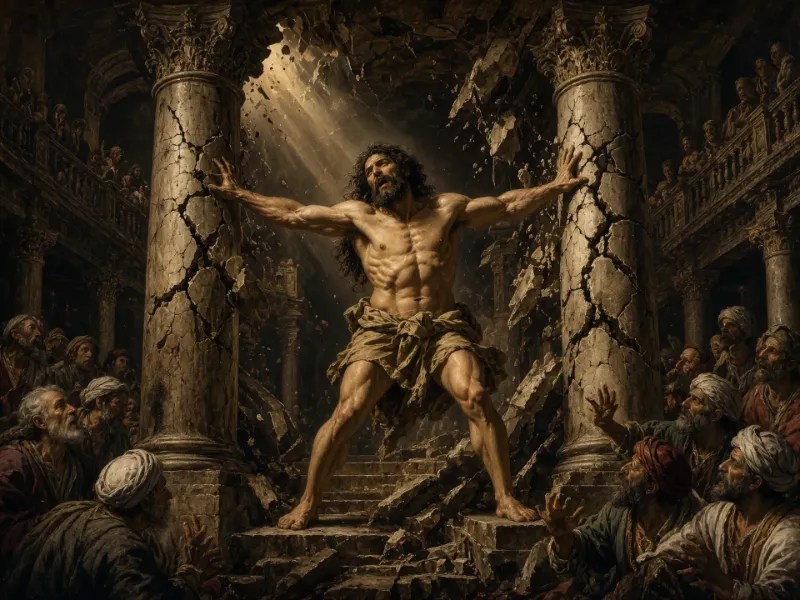
  • “行毁坏可憎的”是指在上帝圣殿中设立的偶像或偶像崇拜之物,这是一种亵渎行为,它使敬拜停止并使圣殿荒凉。
  • 但以理书三次提到它,分别在但以理书 9:27、11:31 和 12:11,每次都伴随着日常祭祀的废除。
  • 公元前 167 年,安条克四世国王在上帝的祭坛上设立了宙斯祭坛,马加比一书称之为“使地荒凉的可憎偶像”。
  • 犹大·马加比在三年后重新奉献了圣殿,这一重新奉献的事件在光明节中被纪念。
  • 耶稣在马太福音 24:15 中指出了这一可憎之物,作为他在犹太的追随者逃往山区的信号。
  • 预言实现论者(如改革宗教师 R.C. 史普罗)认为它在公元 70 年罗马摧毁圣殿时应验了,尽管罗马军旗是在圣殿被焚烧后才进入的;而从爱任纽到当今时代论者的未来主义者,则期待敌基督者进行最后的亵渎。
  • 金口若望将这一可憎之物解读为一世纪的事件,而天主教教理则期待敌基督者进行最后的欺骗,并未将其与此信号挂钩。

The abomination of desolation is an idolatrous thing set up in God’s temple, a sacrilege that leaves the holy place desolate. Daniel foretold it, 1 Maccabees records King Antiochus IV setting up “the abominable idol of desolation” on the altar in 167 BC, and Jesus named it as the sign for his followers to flee Judea (Matthew 24:15). Where Matthew records Jesus’ words about it, the Gospel pauses in the middle of a sentence to speak to us, its readers:…

Continue reading with a subscription

Get unlimited access to all our premium content and exclusive features.

Enjoy unlimited access, cancel anytime.


回复

发表回复

Share to...