
 German
 English
 Chinese
 Dutch
 Arabic
 Spanish
 Portuguese
 Russian
 French
 Italian
 Japanese
Jehovah’s Witnesses do not celebrate Halloween. If a Witness child turns down a costume-party invitation, the objection is to taking part in the holiday. The same child might be delighted to come over for games and something sweet another afternoon. Understanding why the date matters can make that second invitation easier to offer.
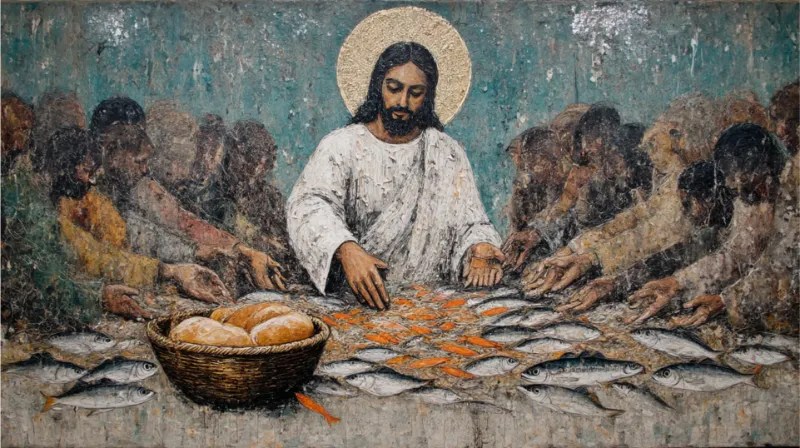
Why do Jehovah’s Witnesses sit Halloween out?
The Bible never names Halloween. Witnesses begin with what Deuteronomy 18:10–12 says about divination, casting spells and consulting the dead. They understand Ecclesiastes 9:5 to mean that the dead are unconscious. From their point of view, a custom built around contact with returning spirits teaches something untrue about people they have loved and lost.
The Witnesses’ Halloween FAQ also cites Ephesians 6:11–12, where Paul asks Christians to stand against hostile spiritual powers. Their own explanation points to 1 Corinthians 10:20–21. Paul is writing about eating at a sacrificial table. He asks the Corinthians to consider what sharing that table means, even to a guest who has no faith in the idol. Witnesses apply that reasoning to Halloween. They believe that a harmless intention cannot settle the question when the celebration itself has associations they understand Scripture to forbid.

What do costumes and pumpkins have to do with it?
Halloween grew out of more than one custom. The name refers to All Hallows’ Eve, the evening before the Christian feast of All Saints on November 1. All Souls follows on November 2. Accounts of the Gaelic festival Samhain describe the change of seasons and traditions about encounters between the living and the dead. We cannot reconstruct what every family believed from a date on the calendar.
Witness publications describe costumes once understood to disguise their wearers from spirits. They also mention souling, in which people going from door to door received food in connection with prayers for the dead. Turnips could be hollowed out to hold a light. Pumpkins became a familiar choice in North America. For a Witness family these associations help explain why dressing as a storybook character or carving a smiling face on a pumpkin for the Halloween party may still feel like taking part.
A Catholic family going to Mass for All Saints, a neighbour putting out candy and a Witness family spending a quiet evening at home may understand the same evening quite differently. If you want to know what your neighbour means by a custom, ask them. Someone whose children dress up to visit their grandparents may never have thought of spirits at all.
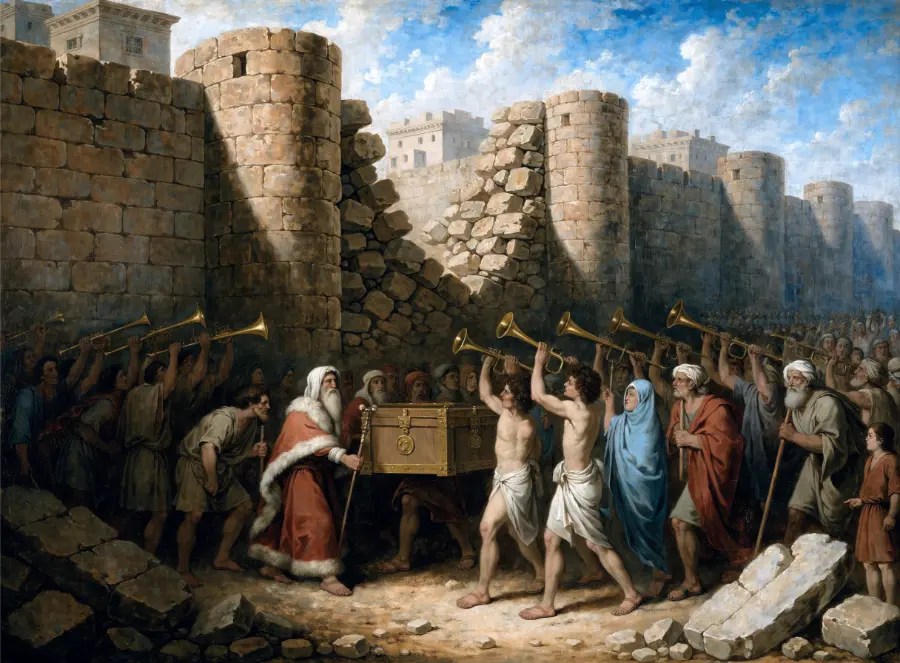
Did early Christians agree about inherited customs?
Two Christian writers help us see why that question has never had a simple answer. In Über den Götzendienst, Tertullian considers a teacher whose work involved the feast of Minerva. He also objects to Christians joining in Roman festivals such as Saturnalia. Centuries later, in 601, Pope Gregory I wrote to Mellitus, a missionary travelling to join Augustine of Canterbury. Gregory wanted idols removed. Yet he advised keeping suitable buildings for Christian worship and allowing people to feast together at church dedications or in honour of martyrs. He saw value in a familiar gathering whose purpose had changed.
Neither man was discussing Halloween. Their words tell us how Christians made decisions about particular feasts in their own time. They also help explain how two Christians today might look at an inherited custom and ask quite different questions about what taking part would mean.
Do Witnesses celebrate anything together?
Yes. Witnesses gather each year for the Memorial of Jesus’ death, following his request in Luke 22:19 that his disciples remember him. Witnesses observe the Memorial after sundown on the date they identify as Nisan 14 in the biblical calendar. It takes the place in their worship that a visitor might expect Easter to occupy, although its focus is specifically Jesus’ death. At home, a family might spend an evening reading the Bible together or singing. Weddings, family meals, outings and spontaneous presents can all be occasions for joy. Their decisions about holidays grow out of the reasons for each observance. Their reasons for declining Weihnachten deserve their own explanation.
Witnesses also decline birthday celebrations. They acknowledge that Scripture contains no explicit ban. They draw attention to the two birthday feasts it describes, Pharaoh’s in Genesis 40 and Herod’s in Matthew 14, each marked by an execution. Giving a child a present on an ordinary day poses a different question. A Witness parent can welcome the kindness of the gift and choose its occasion.
How can I include a Witness child or neighbour?
If you are planning a school party, tell the family privately what the children will actually do. A class dressing in costumes and going trick-or-treating presents a different invitation from children meeting for lunch on a school day. Give the parent room to answer without asking the child to defend the decision in front of the class. A quiet alternative with a friend can spare a child an afternoon of watching everybody else.
At home, a simple second invitation goes a long way. You might ask a neighbour whether their family would like to bake together next weekend. They can accept without compromising their worship, and you can show the same hospitality that prompted the original invitation.


Schreibe einen Kommentar